Heritage · Cardenete
Hermitage of San Antonio de Padua
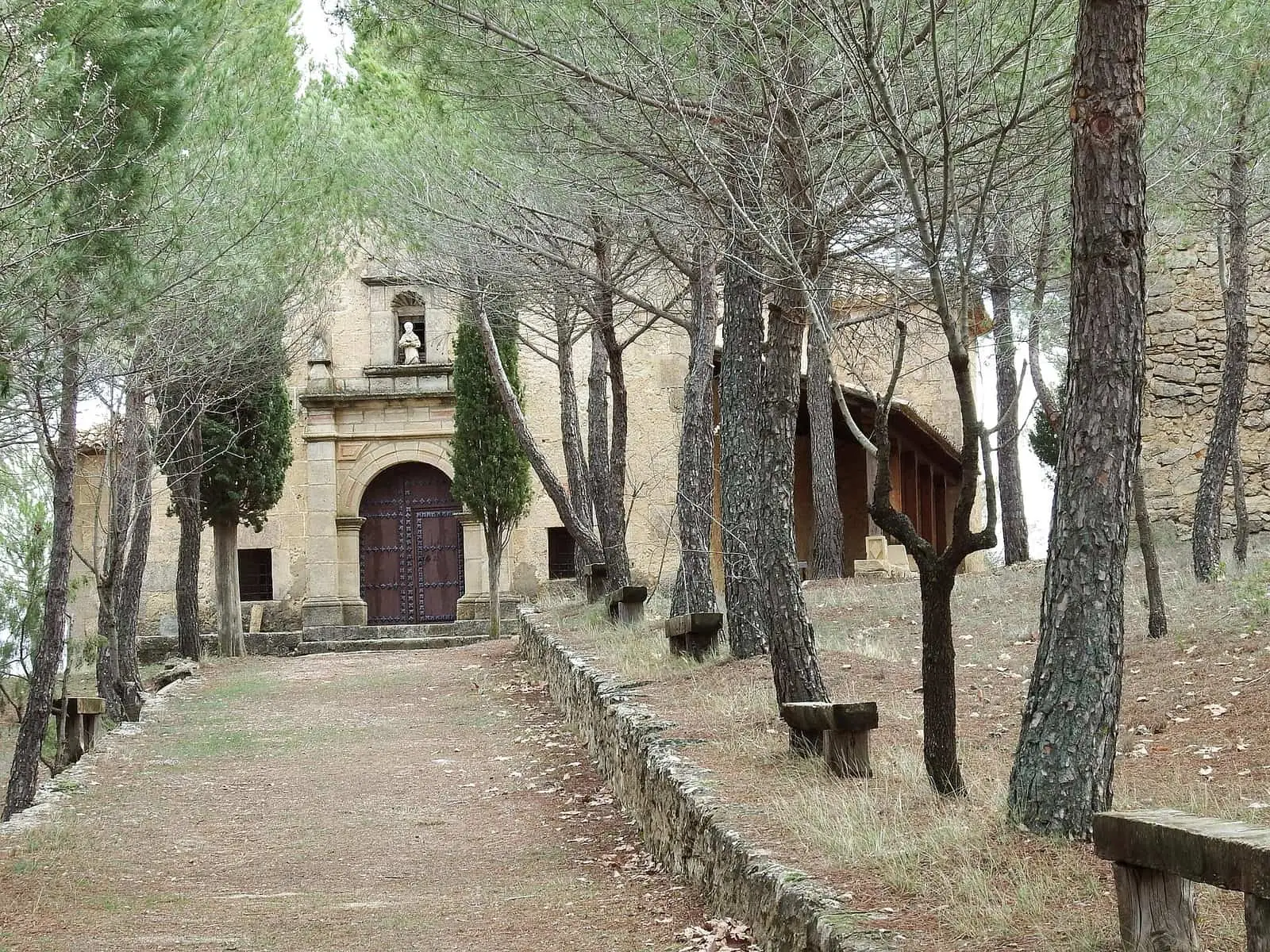
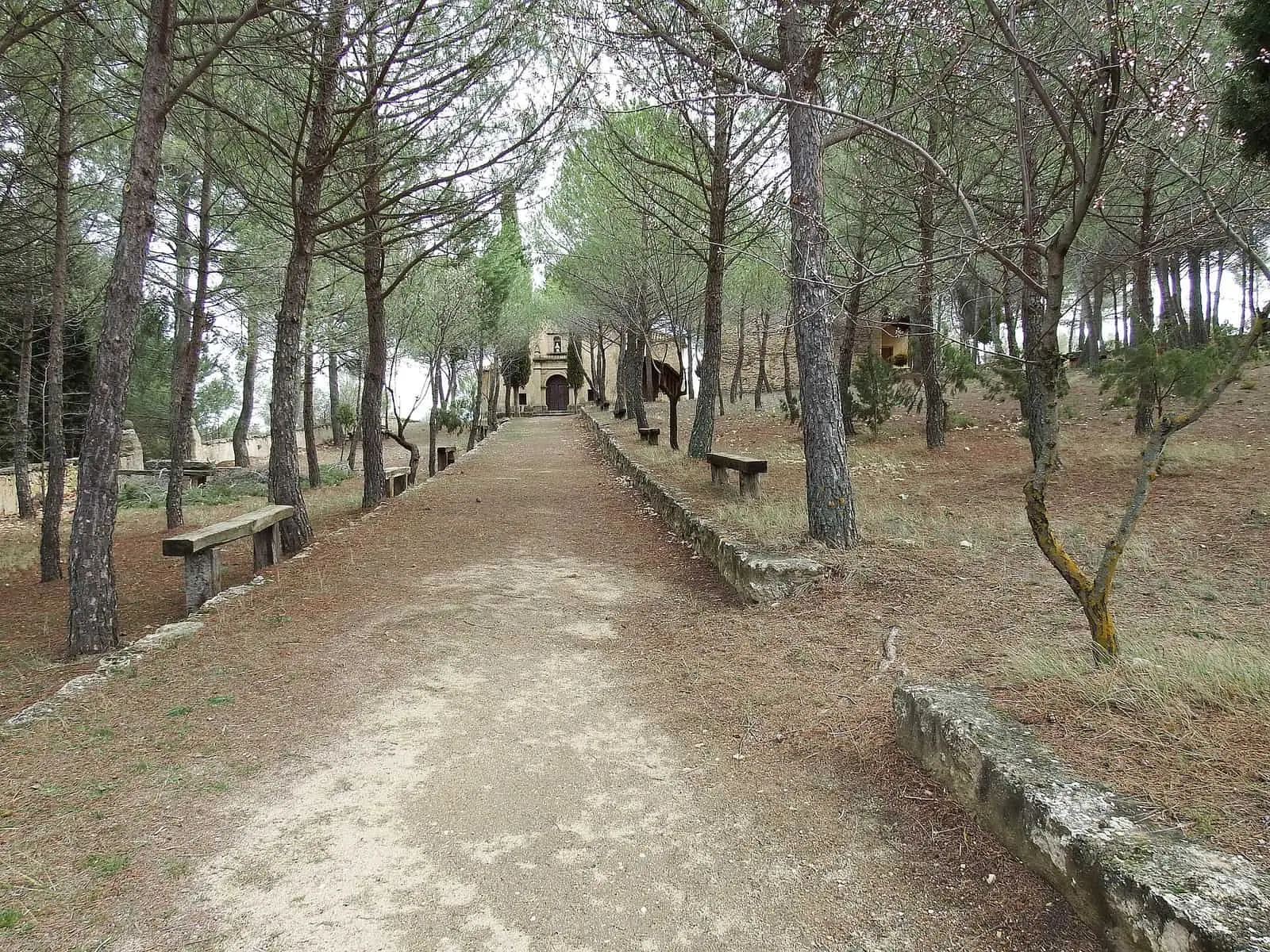
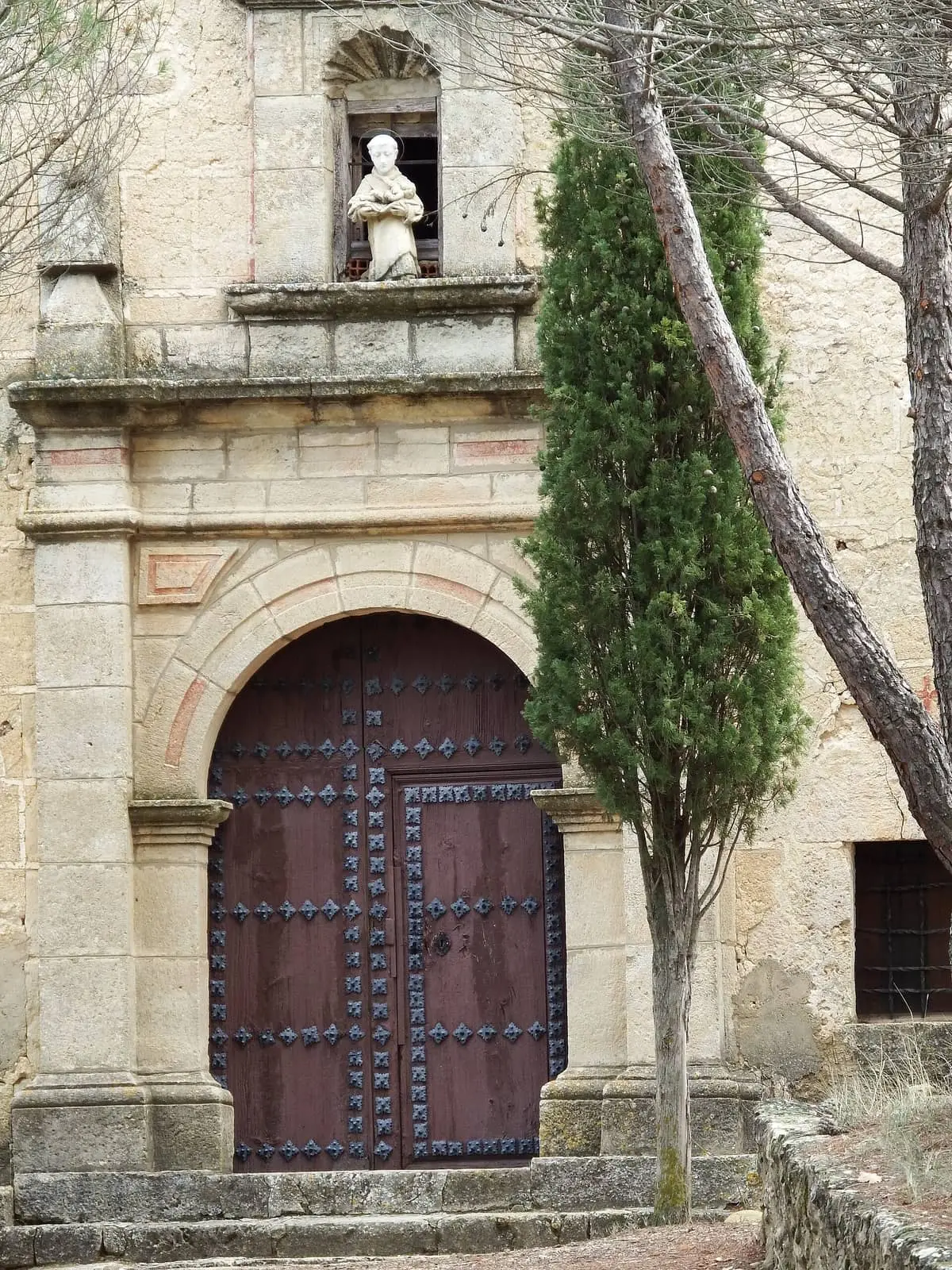
San Antonio de Padua hermitage, dedicated to Cardenete's patron saint, lies about 3 km from the village beside the Villar del Humo road, in an enclosed garden with pines, almonds and poplars. An 18th-century Neoclassical Latin-cross building, with plasterwork, 1943 frescoes and walls full of votive offerings, the oldest from 1899.
- Municipality
- Cardenete
- Hermitage
- San Antonio de Padua
- Votive offerings
- Cardenete
- Neoclassical
The patron saint’s hermitage
San Antonio de Padua is Cardenete’s patron. His hermitage is Neoclassical, from the 18th century, built of dressed stone on a Latin-cross plan. Inside is abundant plaster and painted decoration and two altars frescoed in 1943. The walls are full of votive offerings, left by devotees for favours received; the oldest surviving is from 1899. Beside it stand the hermitage keeper’s house and a stone fountain.
The place
It stands in an enclosed garden with pines, almonds and poplars, about 3 km from the village beside the Villar del Humo road. Springs rise around it: San Antonio, La Dehesilla, El Santillo and El Medio Celemín.
Plan your visit
Combine with
Nearby are remains of Molino del Sargal, with waterfalls. PR-CU 51, the short-distance Sendero de las Fuentes trail, passes the springs.


Frequently asked questions
Where is it?
About 3 km from Cardenete beside the Villar del Humo road, in a large enclosed garden with trees.
What is inside?
Abundant plaster and painted decoration, two altars frescoed in 1943 and walls full of votive offerings; the oldest surviving dates from 1899.
Carry on from here
Lands and landscapes
From here, follow the memory of the land
These readings connect Hermitage of San Antonio de Padua with the stories, the work and the villages around it.
Where it is
Where the data on this page come from
- Name
- Ayuntamiento de Cardenete source consulted, 4 October 2026
- Municipality (INE code)
- Ayuntamiento de Cardenete source consulted, 4 October 2026
«Source consulted»: the primary source has been read. «Reference located»: the source has been identified but not yet read. «Open question»: the figure needs confirmation.