Zone of the Serranía
Serranía Baja
The Serranía Baja (lower Serranía) of Cuenca slopes towards the Cabriel, in the east of the province beside Valencia and Teruel. Its 33 municipalities have castles and walled towns, the former lordship of Moya, the Cueva Santa del Cabriel, the rock art of Villar del Humo and the Cabriel valley, a Biosphere Reserve. Its population fell from 32,846 in 1950 to 8,384 in 2021.
The Cabriel valley
The Serranía Baja is the east of the province, where the mountains open into the Cabriel valley and approach Valencia and Teruel. Almost all of it is within the Valle del Cabriel Biosphere Reserve. Gorges, rodeno, the red sandstone of the south-east, and pine forests alternate with cereal fields, and water leaves places such as the Chorreras del Cabriel in Víllora, the lake at Talayuelas and the lakes of Cañada del Hoyo.
Moya was a walled town and head of a lordship and marquisate; today it is abandoned. Its territory reached Pajarón, Landete, Henarejos, Fuentelespino de Moya and Reíllo, and it is recalled by the castles of Cardenete, Cañete, Alcalá de la Vega, Algarra and Enguídanos.
What memory tells
- The first traces. The paintings of Villar del Humo, a World Heritage Site since 1998. Rock art shelters.
- Iberians and Celtiberians. The Cueva Santa del Cabriel, a sanctuary from the 5th to the 2nd century BC; the burial mounds of Pajaroncillo; the silver hoard of Salvacañete.
- The guerrilla. Santa Cruz de Moya has the AGLA memory centre. The guerrilla in the Serranía.
- Those who left. The 33 municipalities totalled 32,846 inhabitants in 1950 and 8,384 in 2021, 74% fewer. Depopulation.
Exploring the area
The GR-66 long-distance trail follows the Cabriel through several valley villages, although in 2026 it was listed as temporarily suspended. The rock art shelters and Chorreras have their own access rules: check them before you go.
Municipalities
The atlas municipalities in the Serranía Baja.
Its 33 villages: Alcalá de la Vega · Algarra · Aliaguilla · Arguisuelas · Boniches · Campillos-Paravientos · Campillos-Sierra · Cañada del Hoyo · Cañete · Carboneras de Guadazaón · Cardenete · Casas de Garcimolina · Fuentelespino de Moya · Garaballa · Graja de Campalbo · Henarejos · Huérguina · Landete · Mira · Moya · Narboneta · Pajarón · Pajaroncillo · Reíllo · Salinas del Manzano · Salvacañete · San Martín de Boniches · Santa Cruz de Moya · Talayuelas · Tejadillos · Villar del Humo · Víllora · Yémeda.
Those with the most places in the atlas
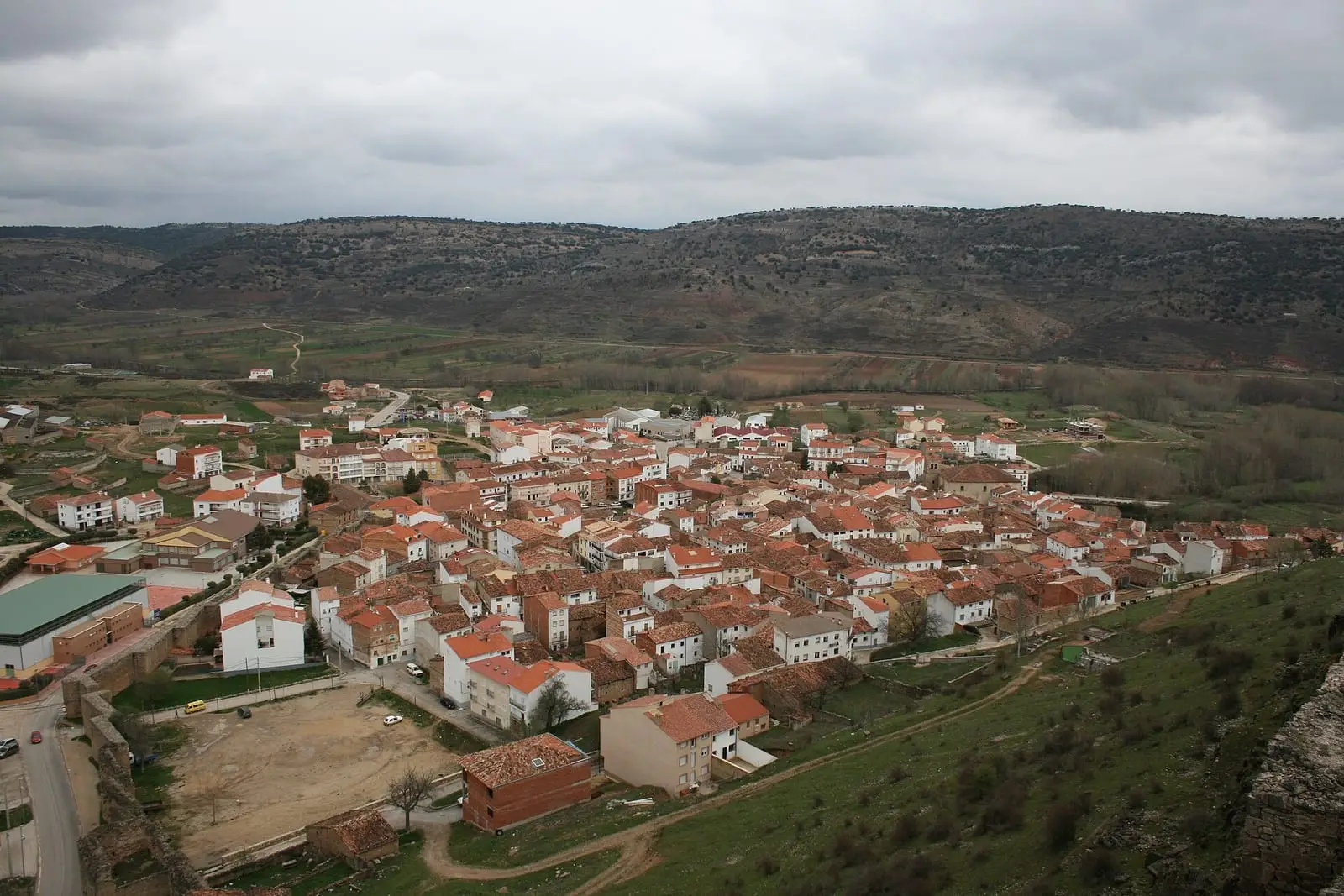
Cañete
Cuenca · 16 places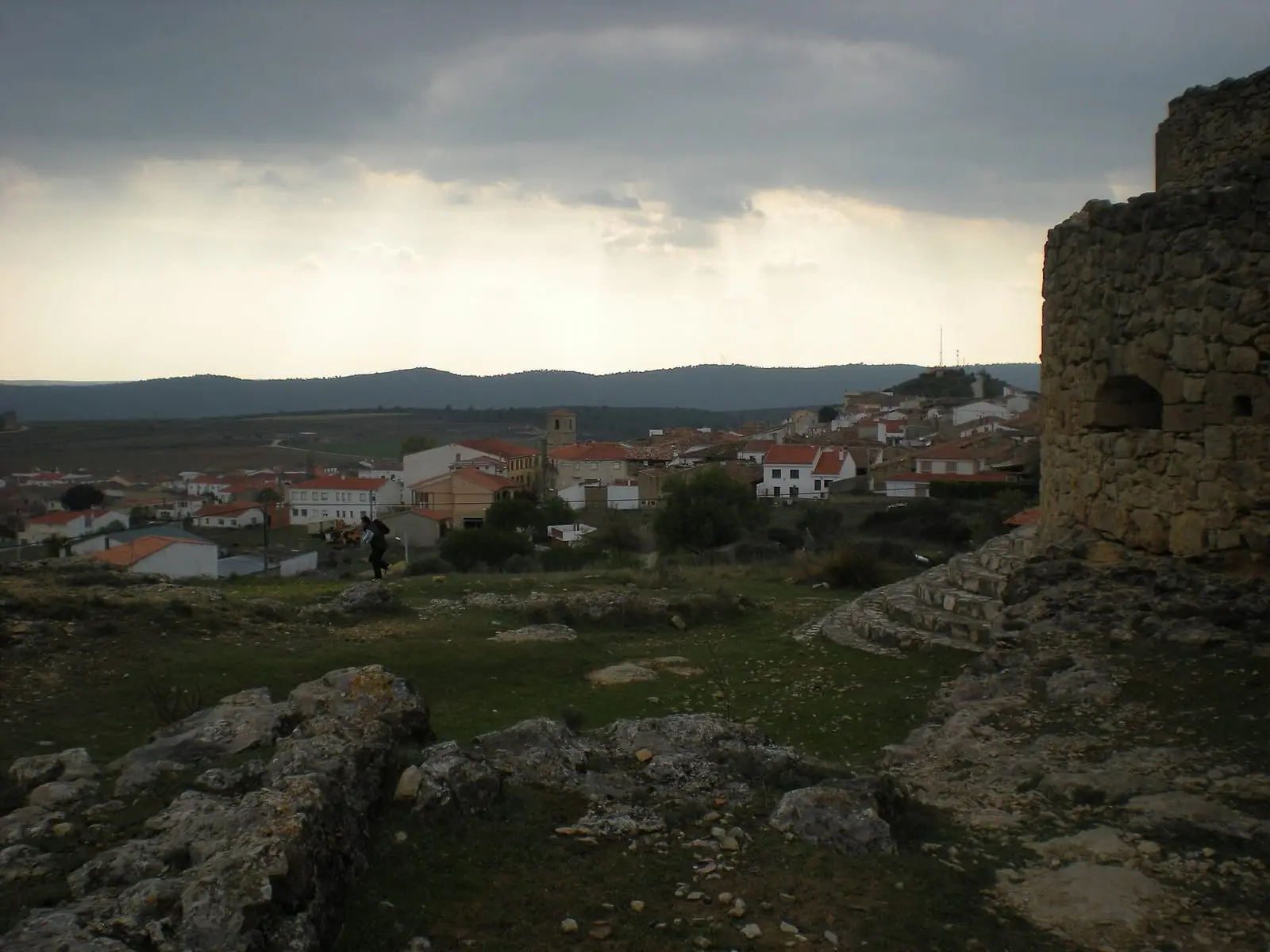
Cardenete
Cuenca · 9 places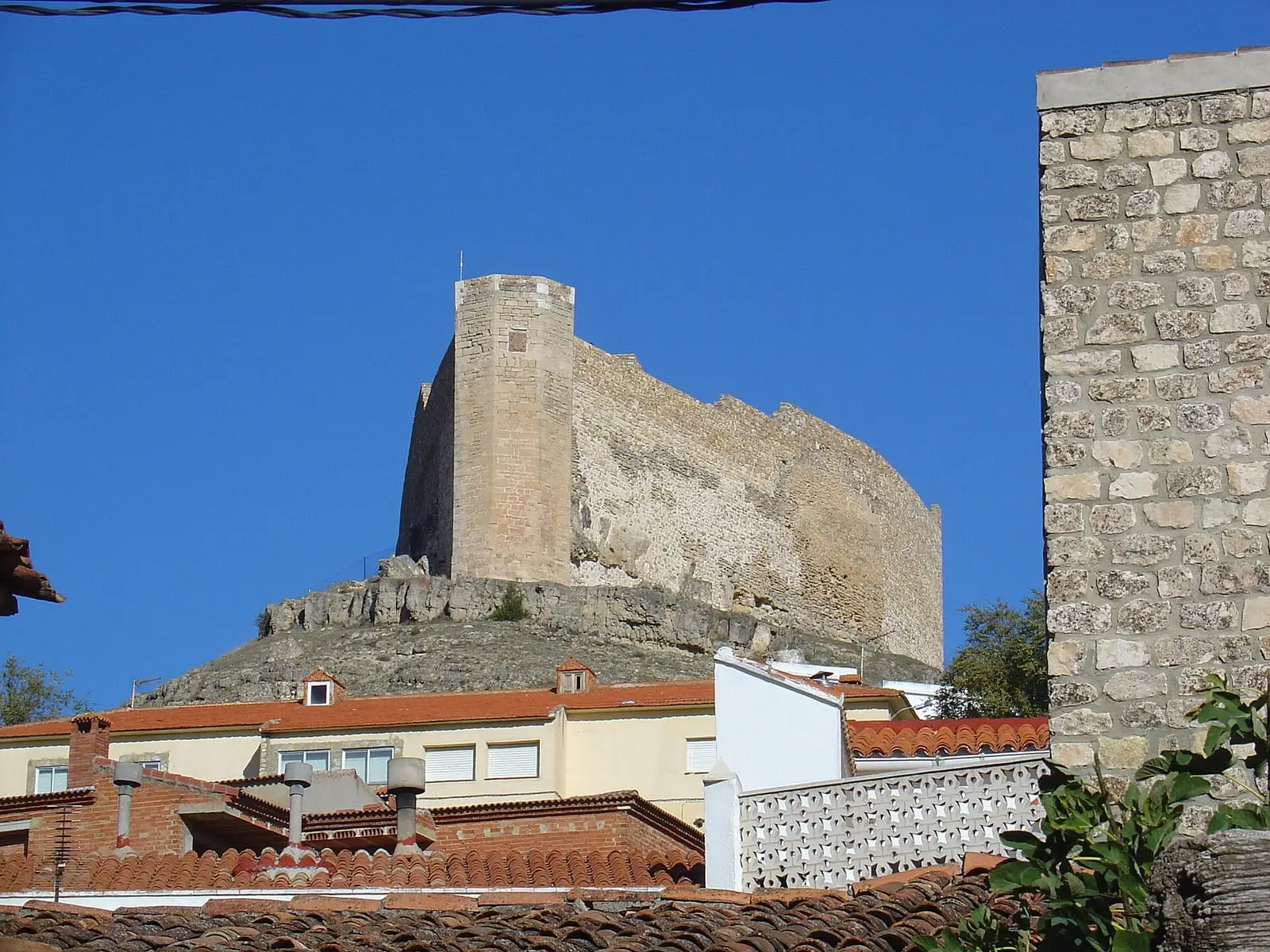
Cañada del Hoyo
Cuenca · 6 places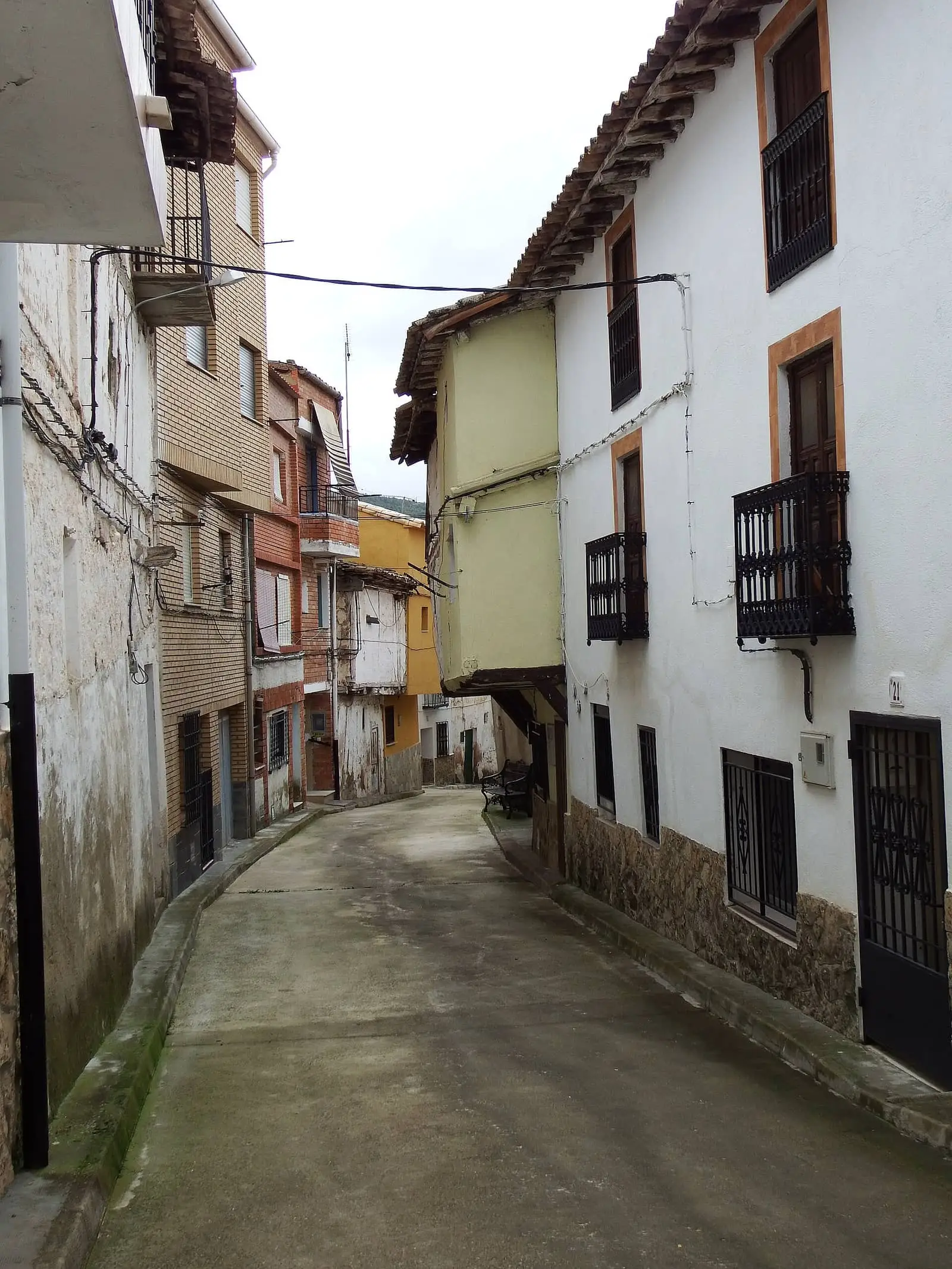
Villar del Humo
Cuenca · 6 places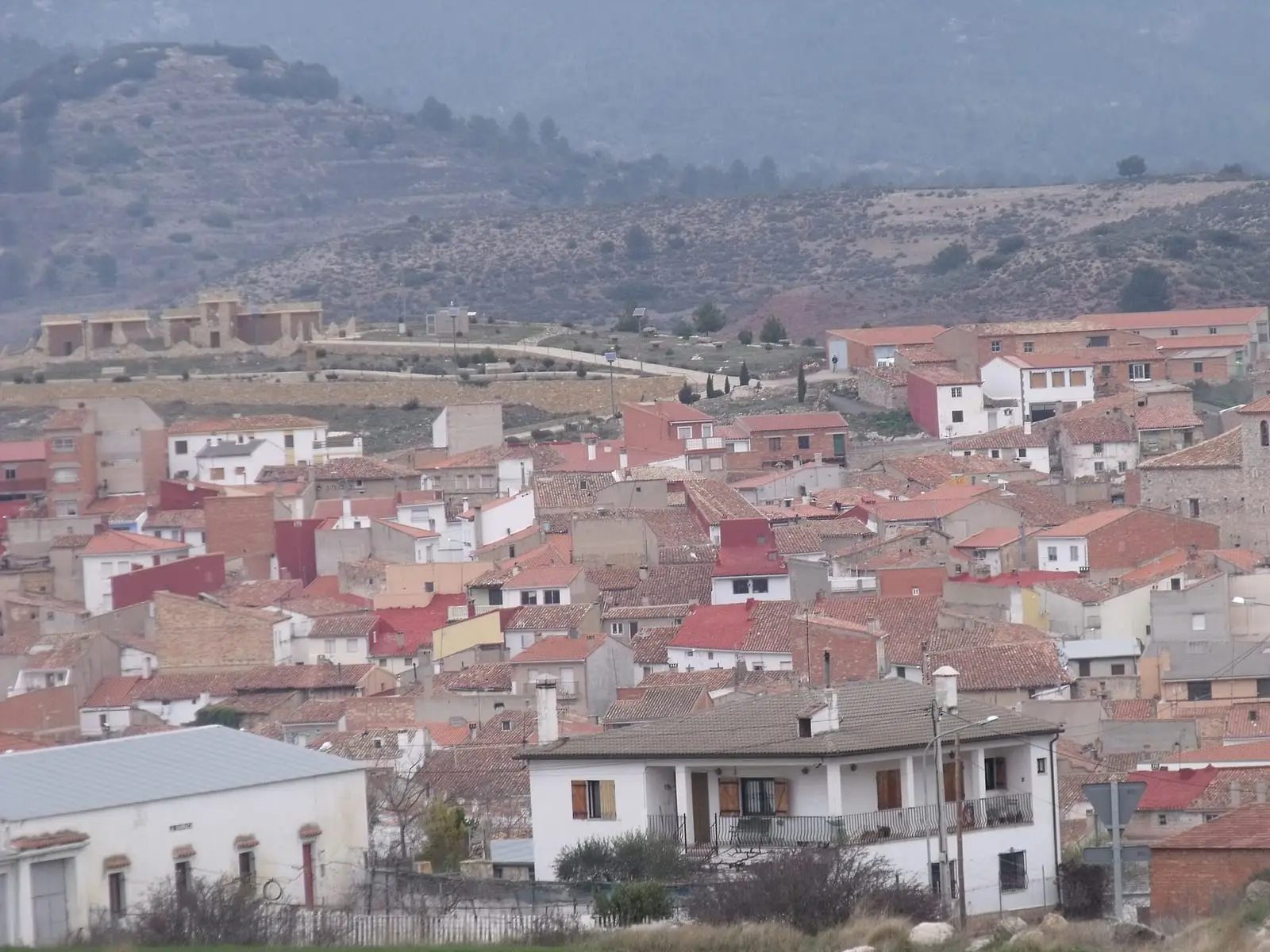
Aliaguilla
Cuenca · 5 places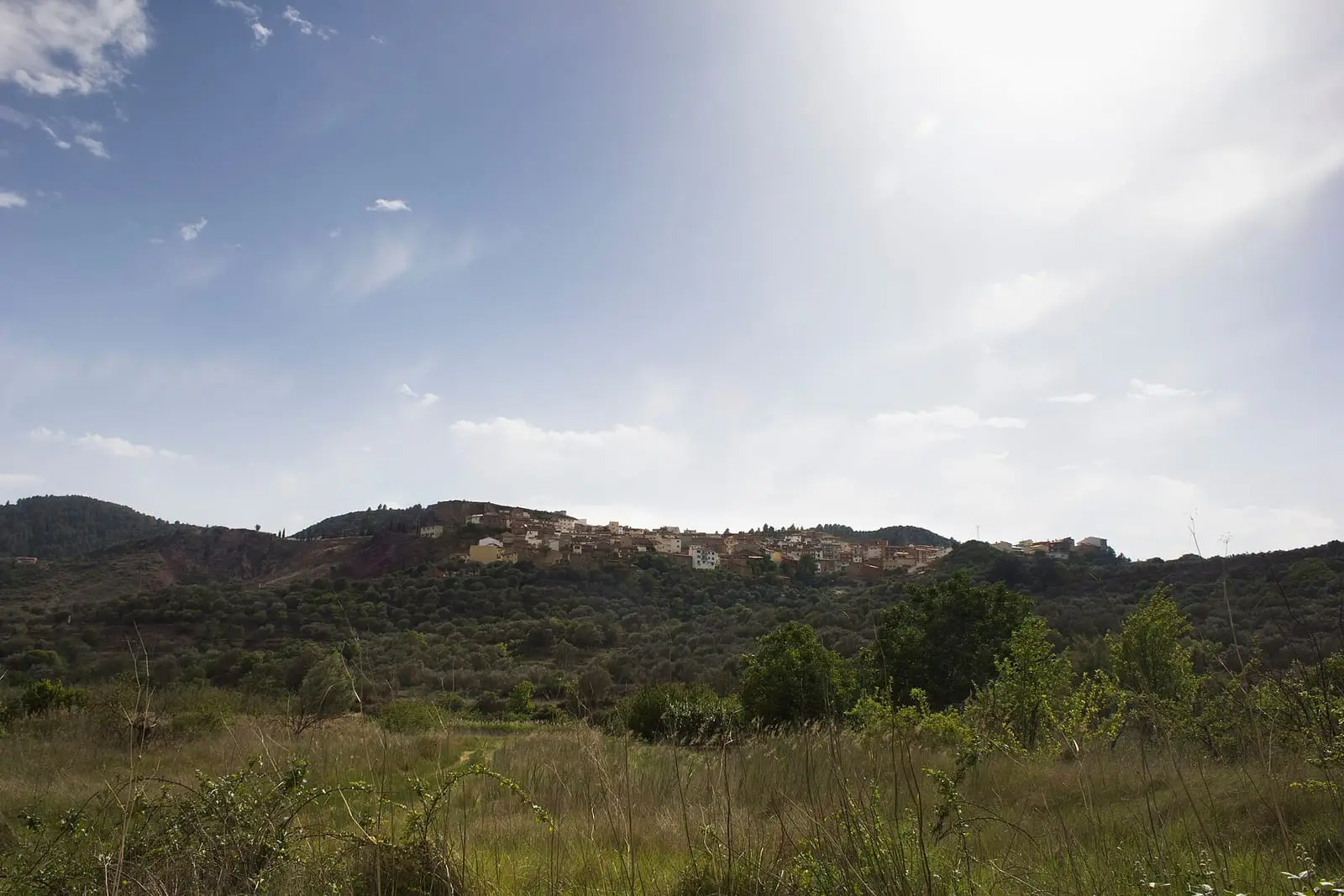
Santa Cruz de Moya
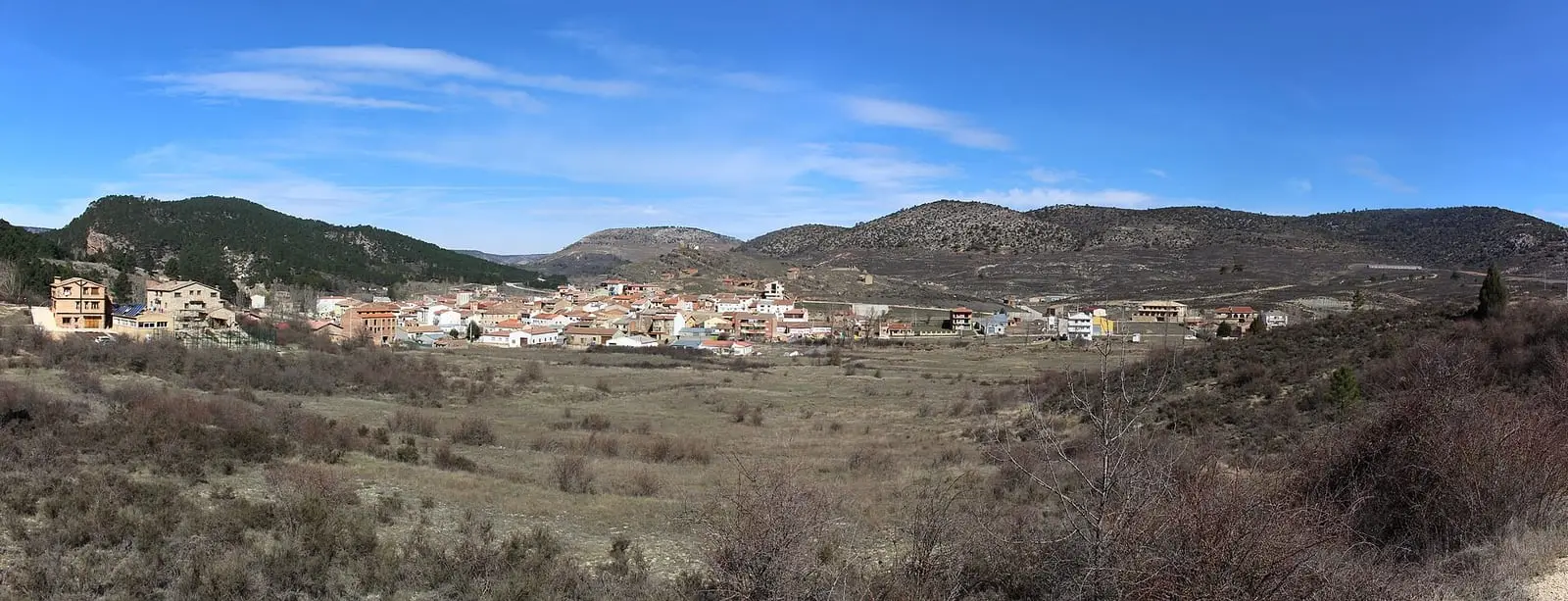
Cuenca · 5 placesSee all 33 villages
Boniches
Cuenca · 4 places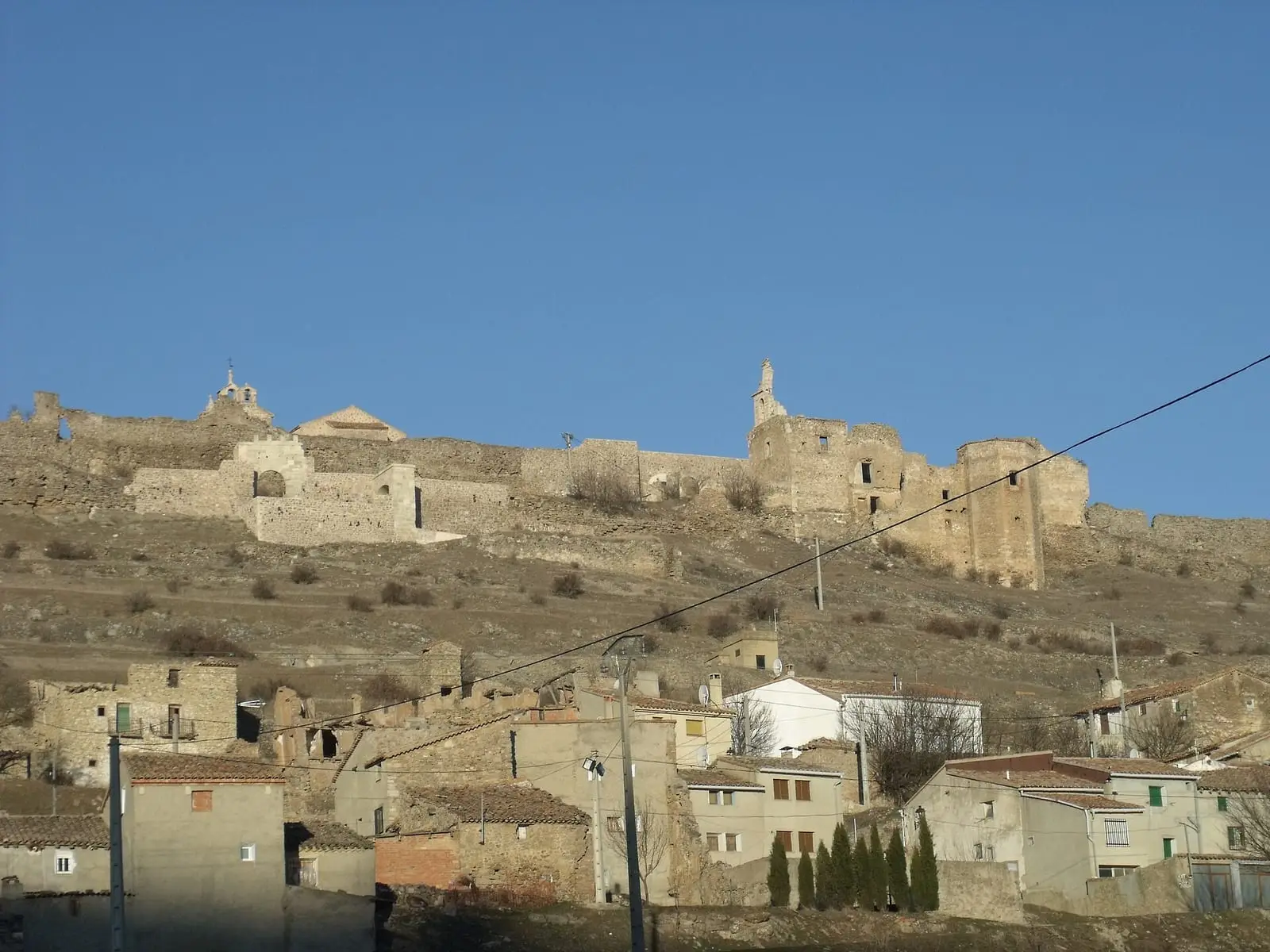
Moya
Cuenca · 4 places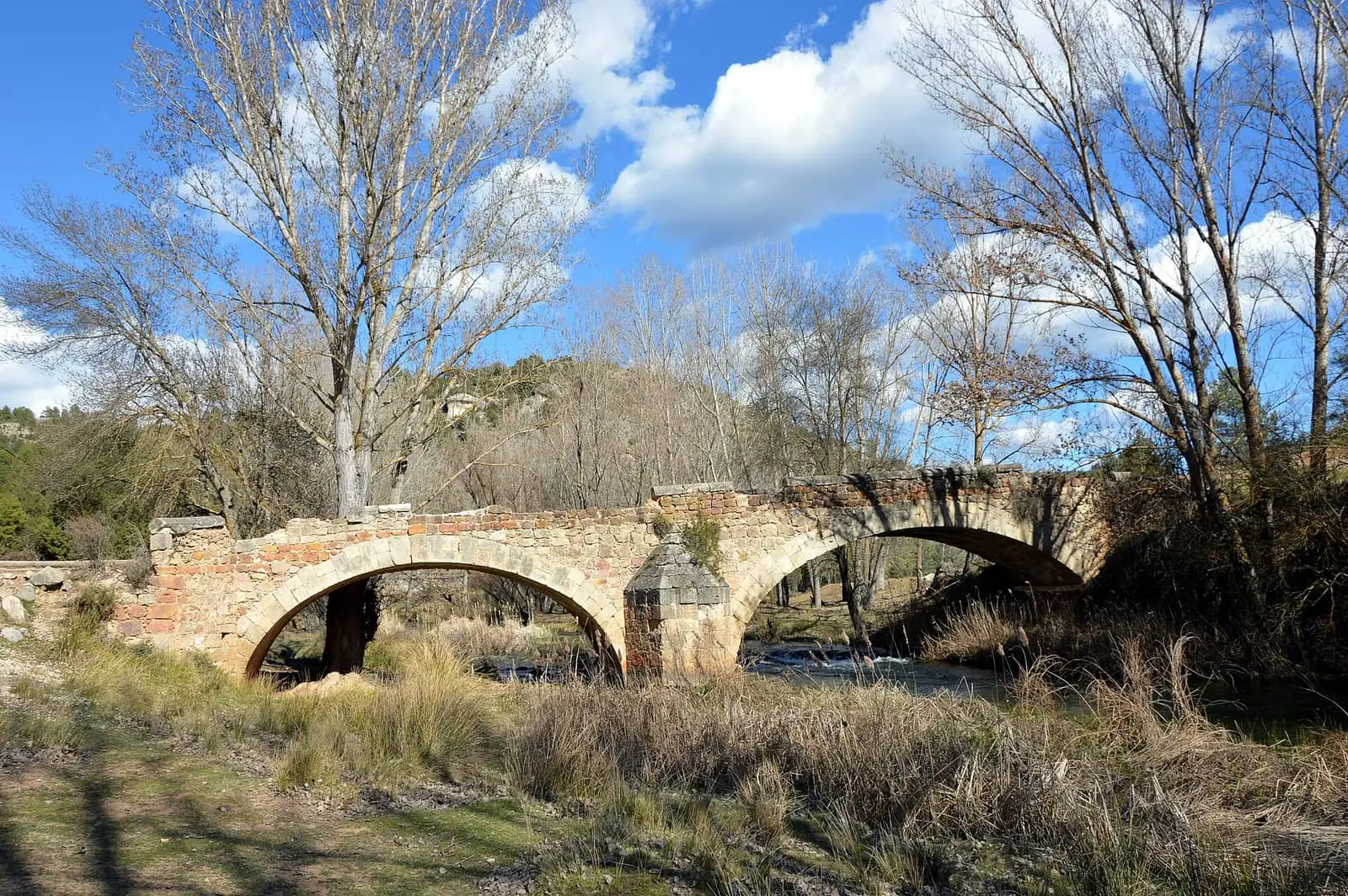
Pajaroncillo
Cuenca · 4 places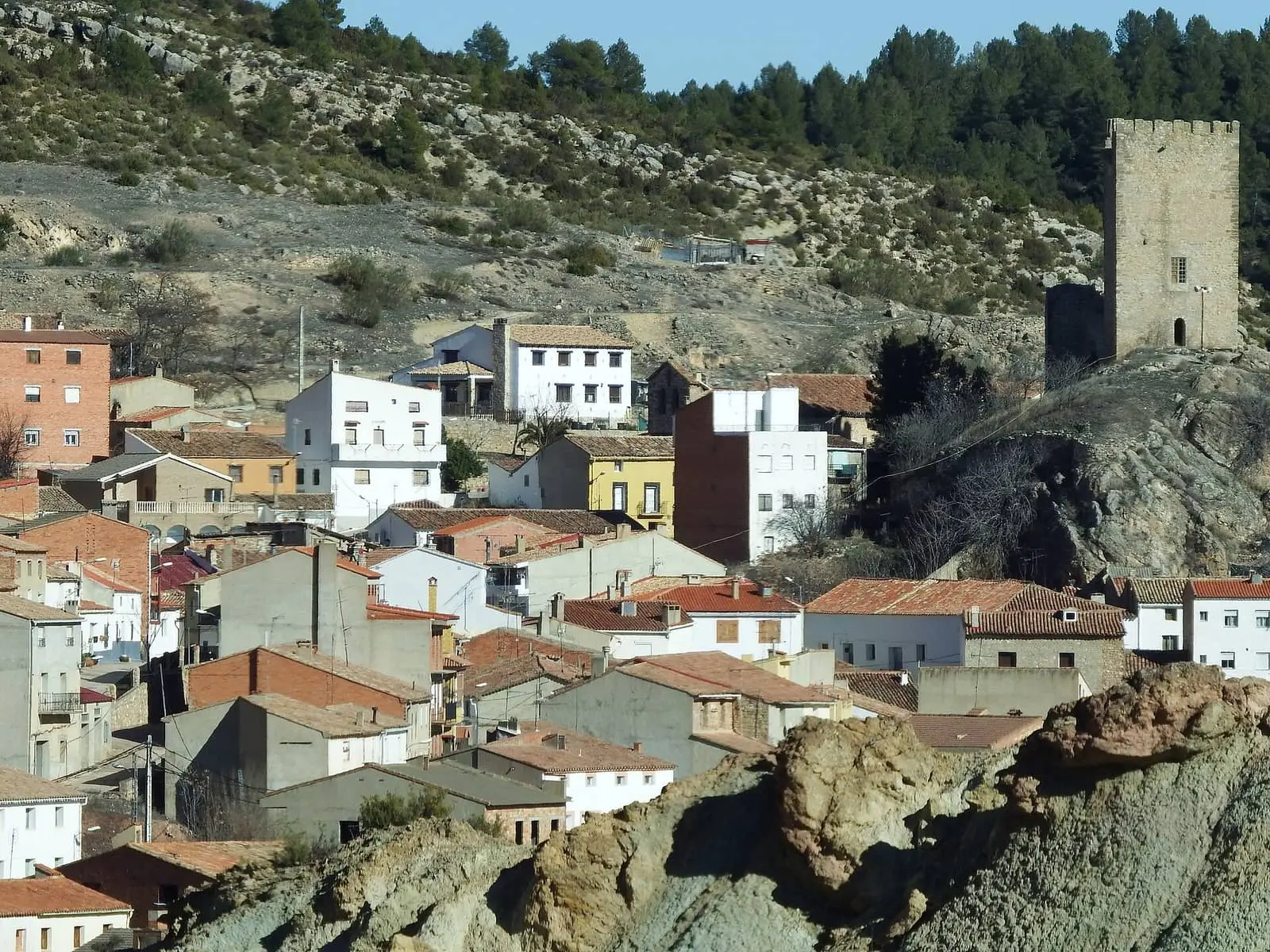
Víllora
Cuenca · 4 places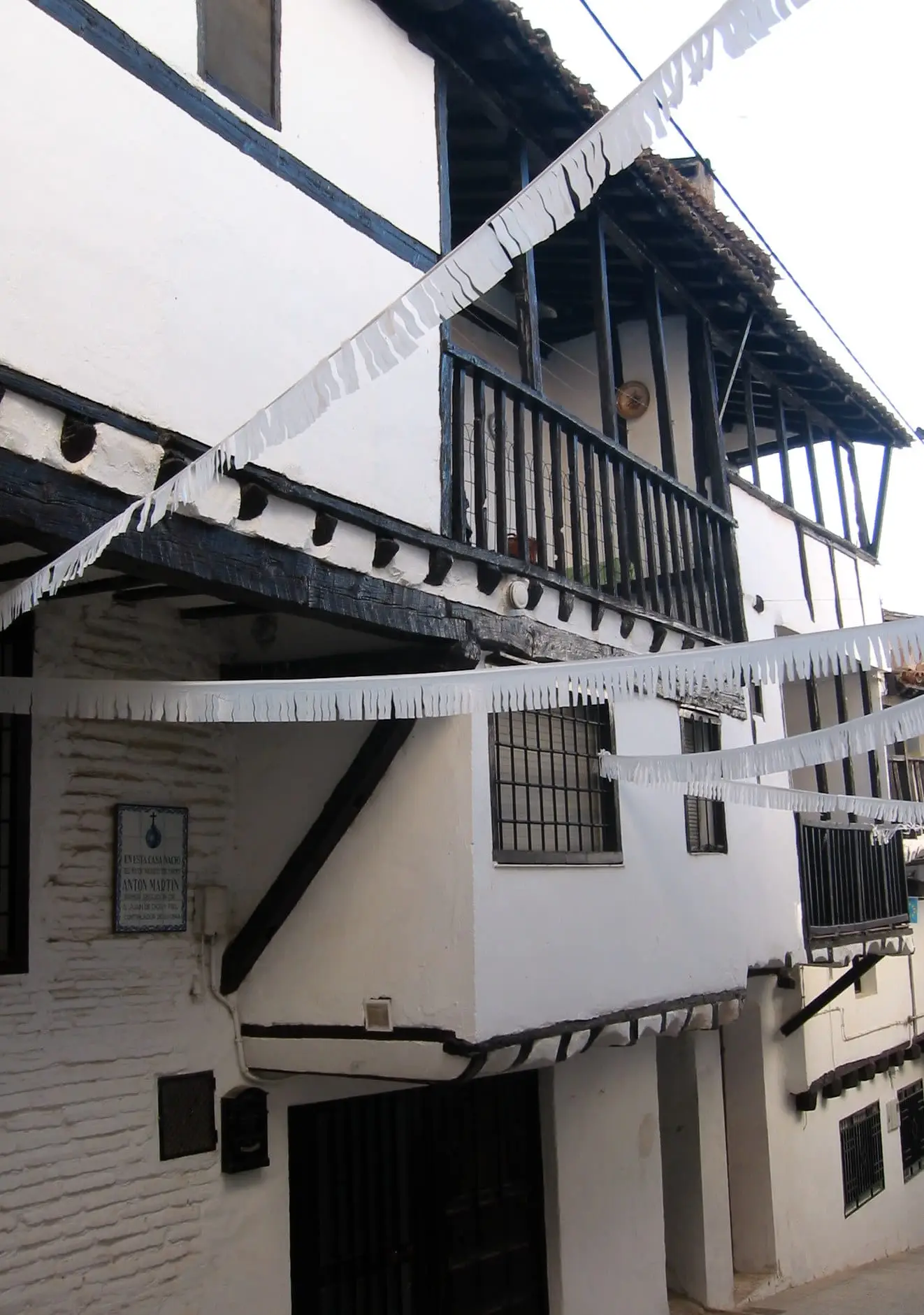
Mira
Cuenca · 3 places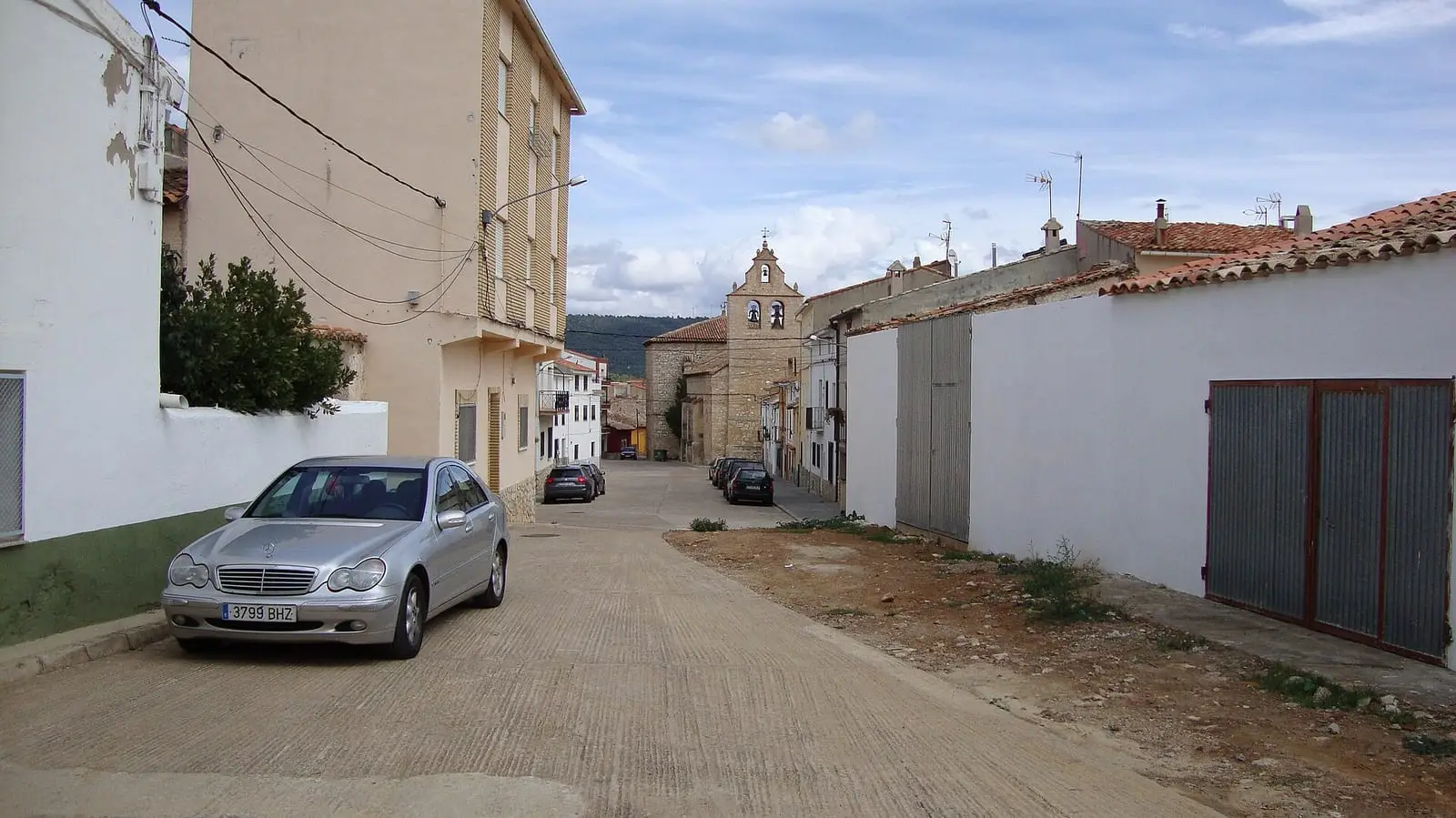
Talayuelas
Cuenca · 3 places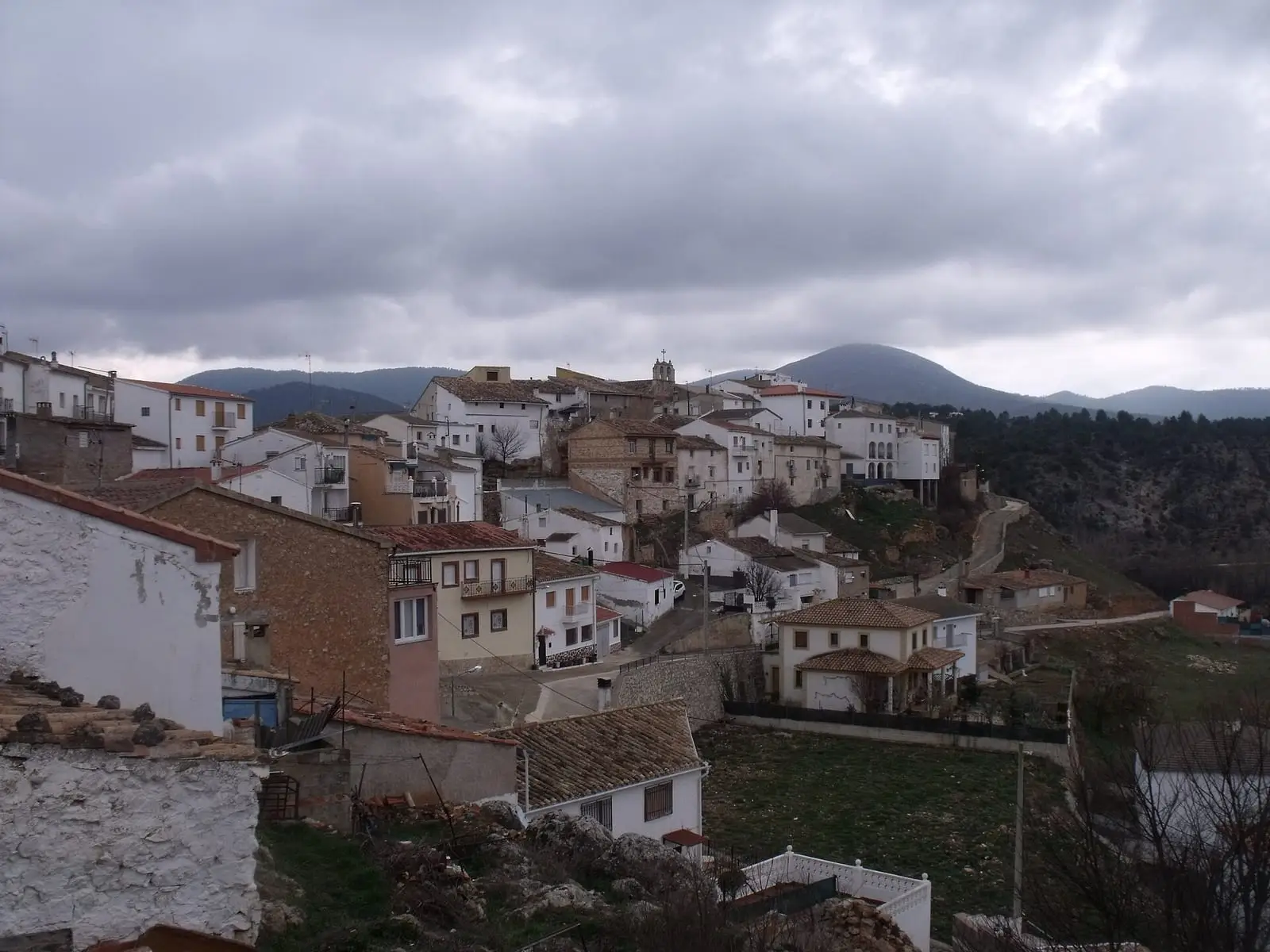
Garaballa
Cuenca · 2 places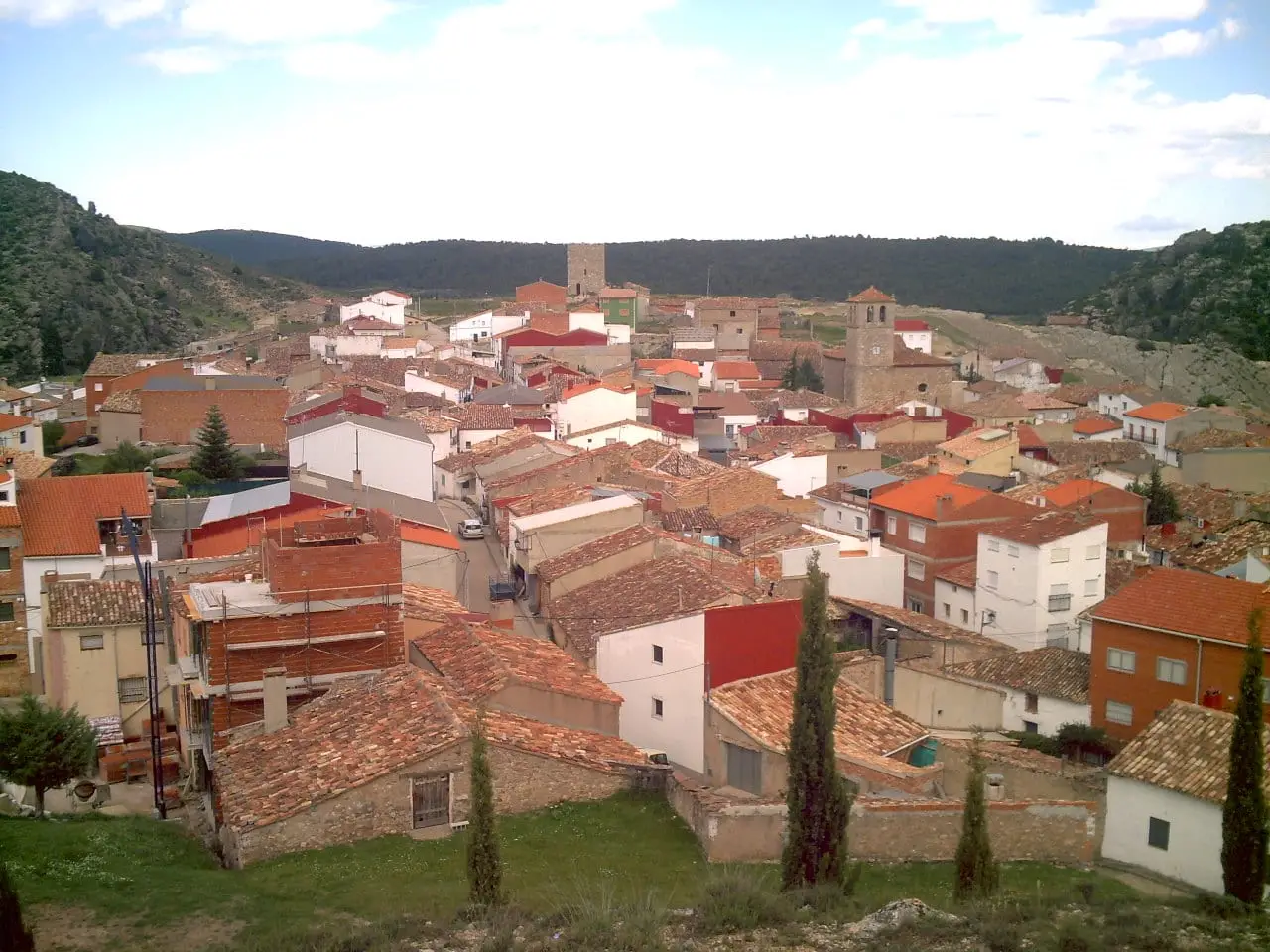
Henarejos
Cuenca · 2 places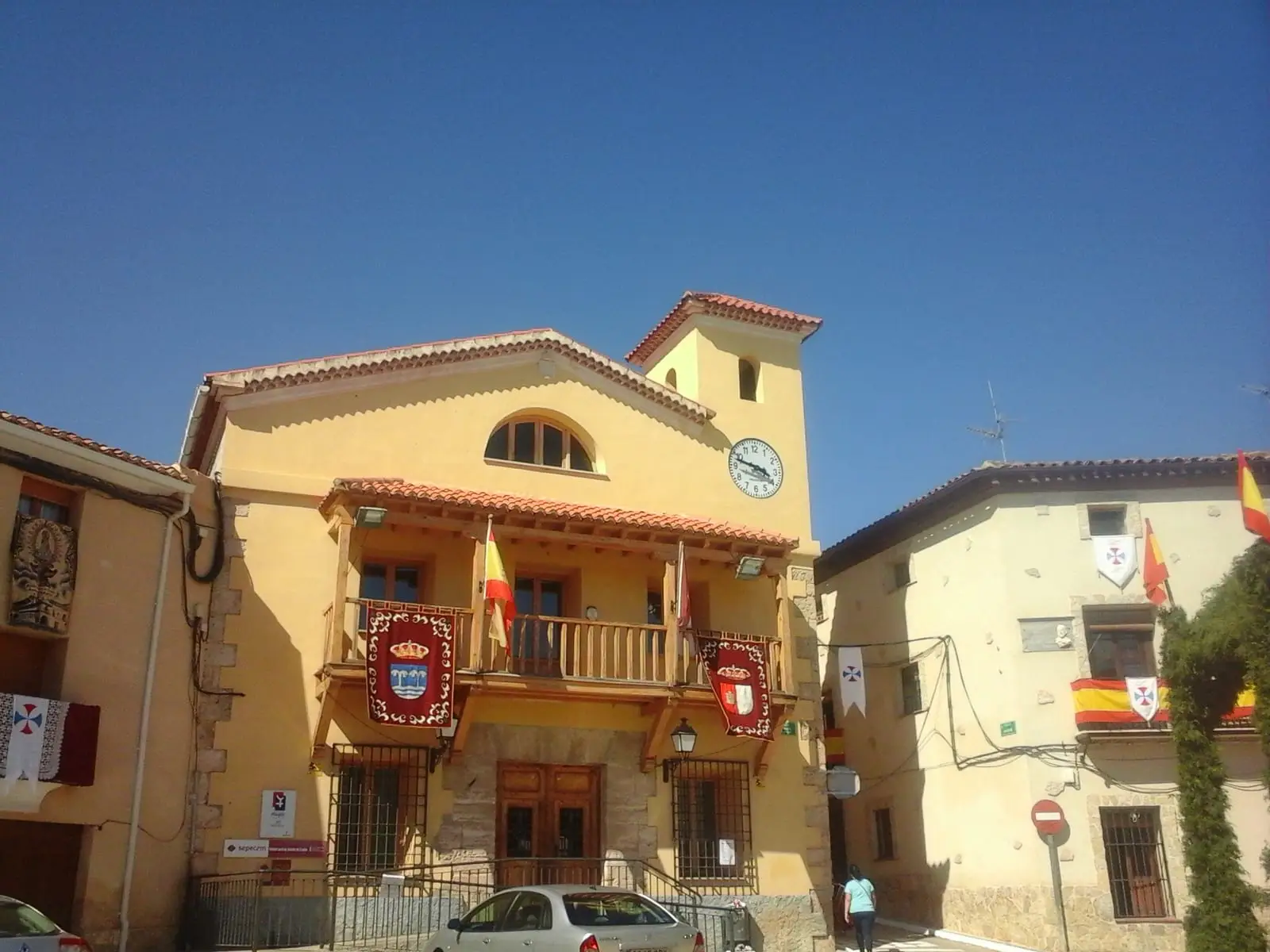
Landete
Cuenca · 2 places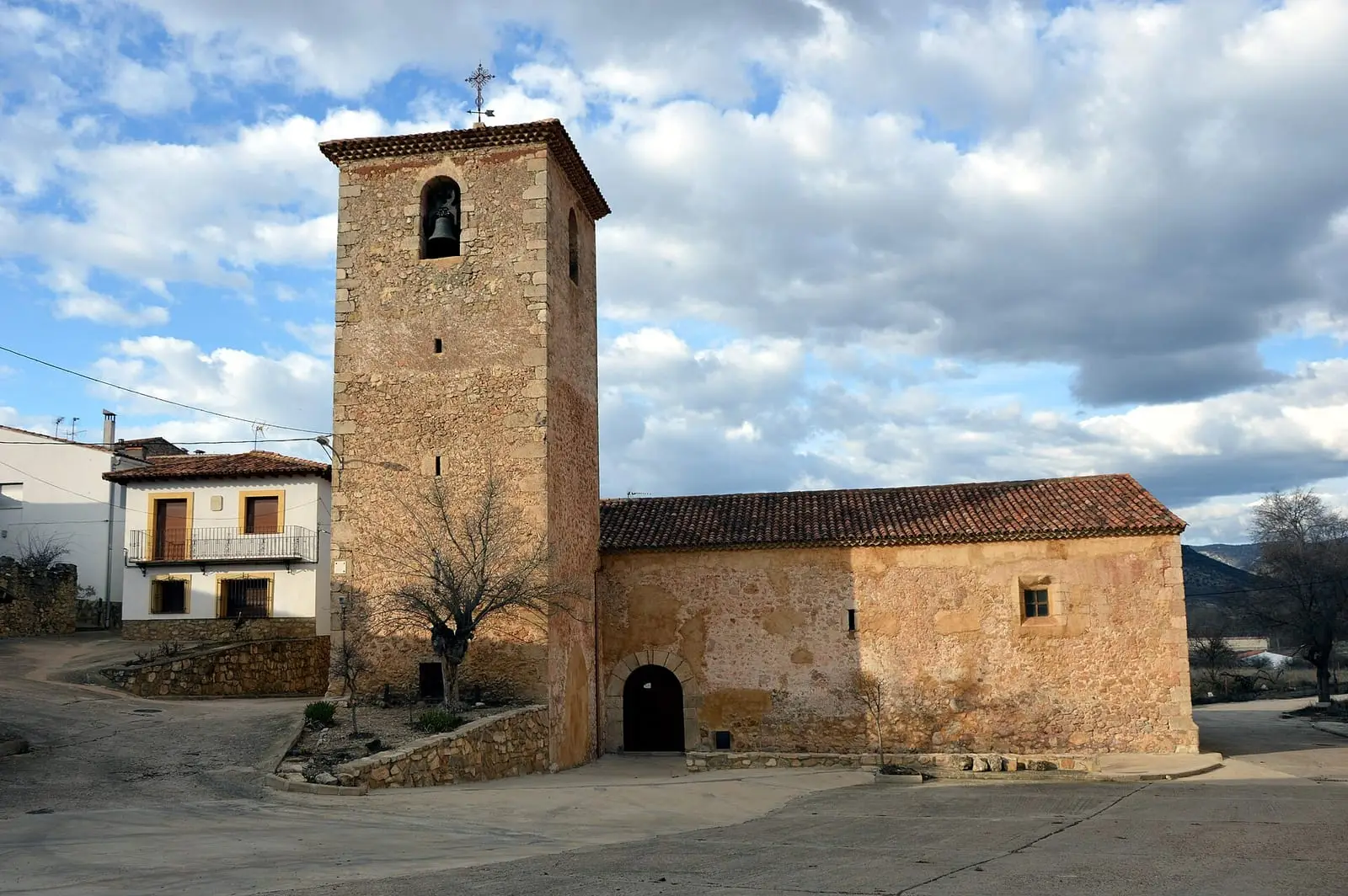
Alcalá de la Vega
Cuenca · 1 places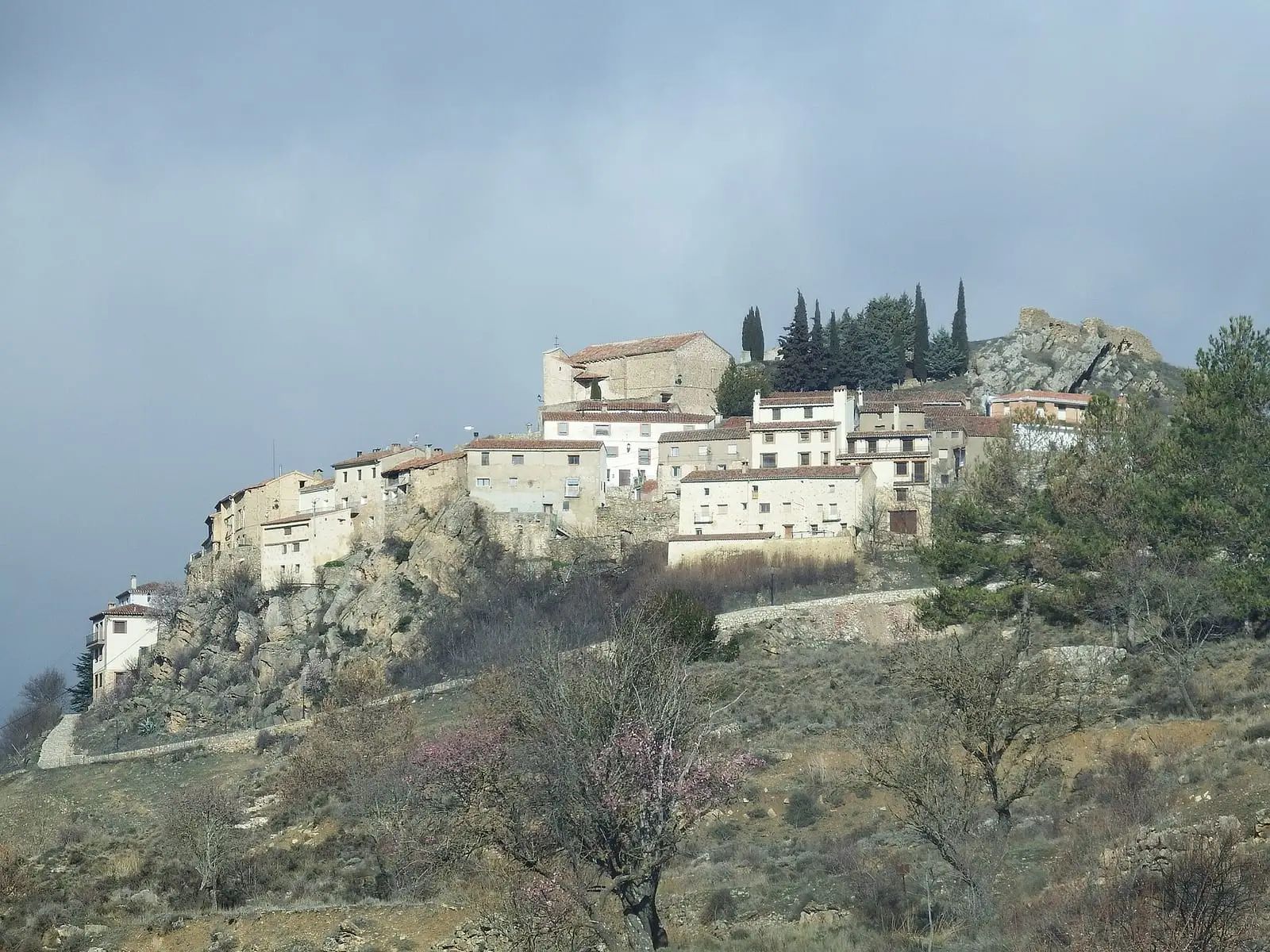
Algarra
Cuenca · 1 places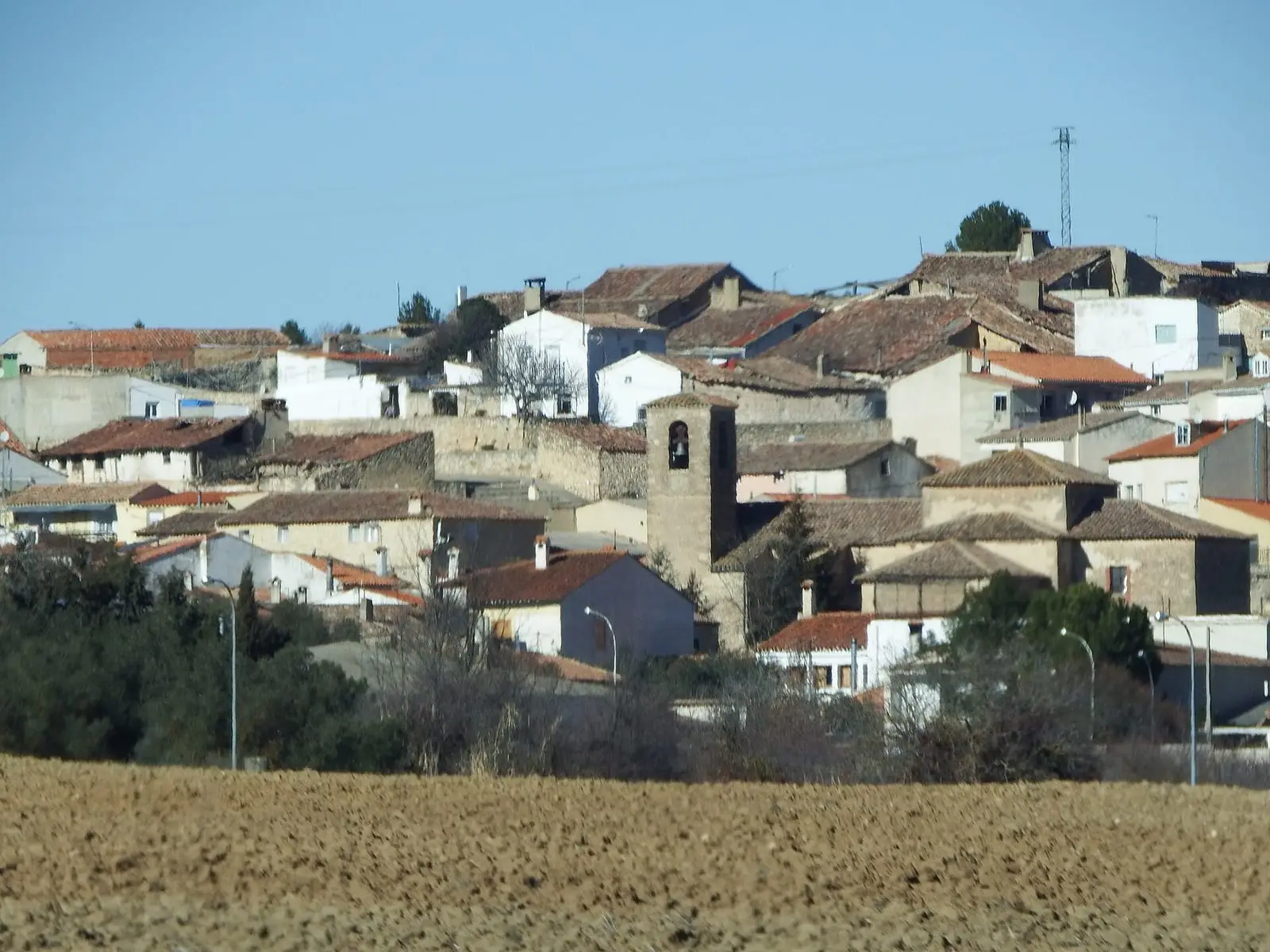
Arguisuelas
Cuenca · 1 places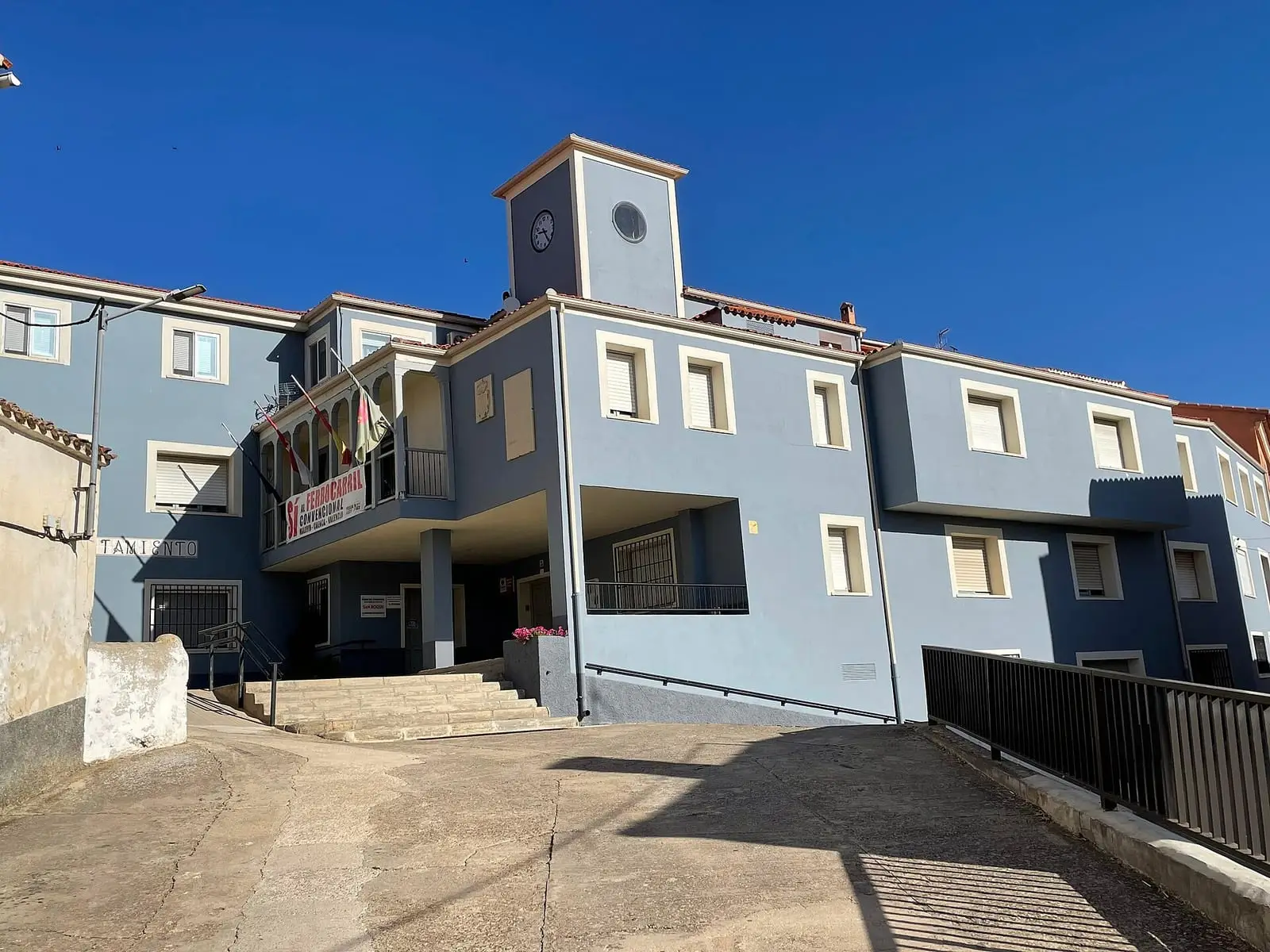
Carboneras de Guadazaón
Cuenca · 1 places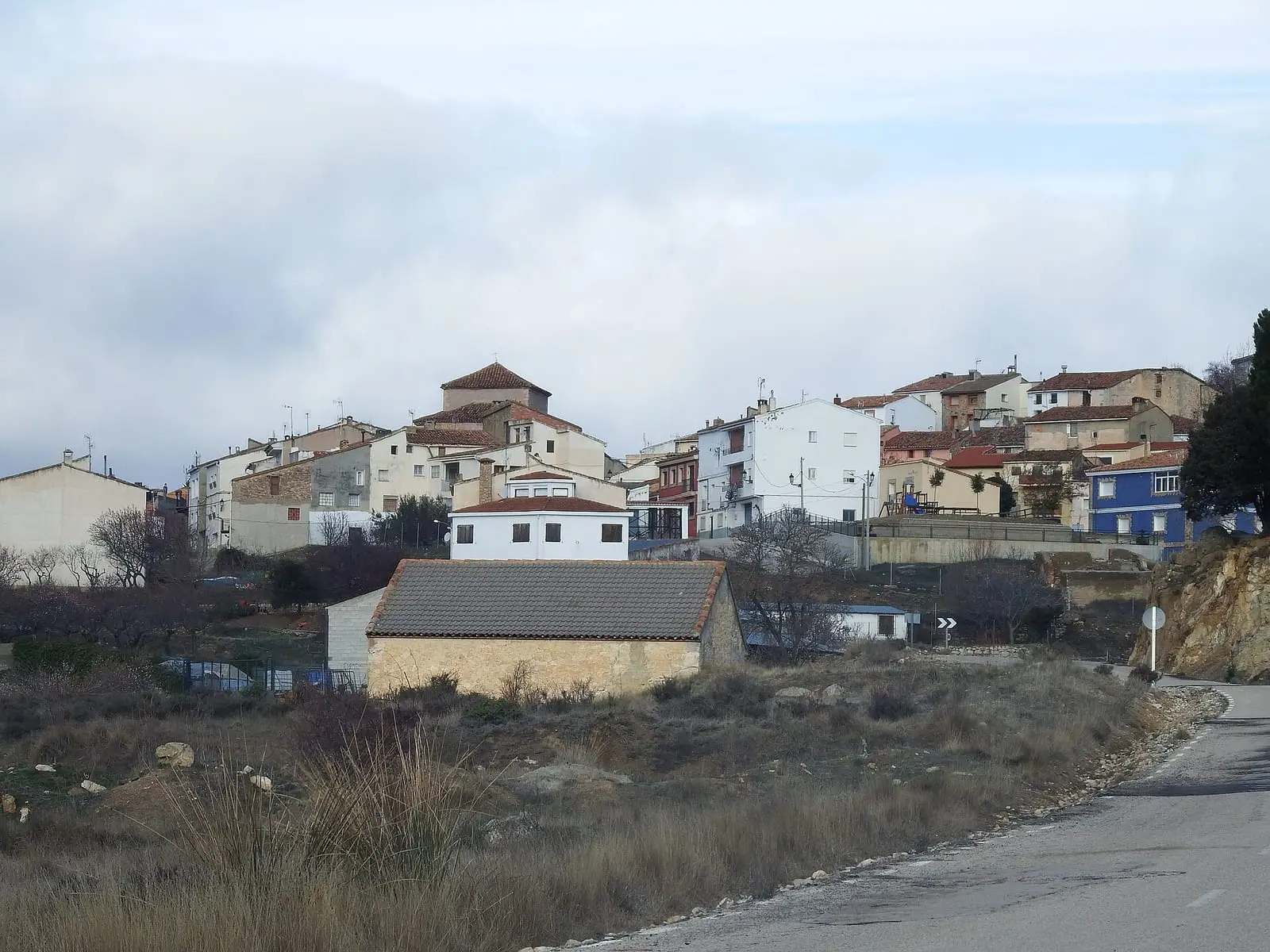
Casas de Garcimolina
Cuenca · 1 places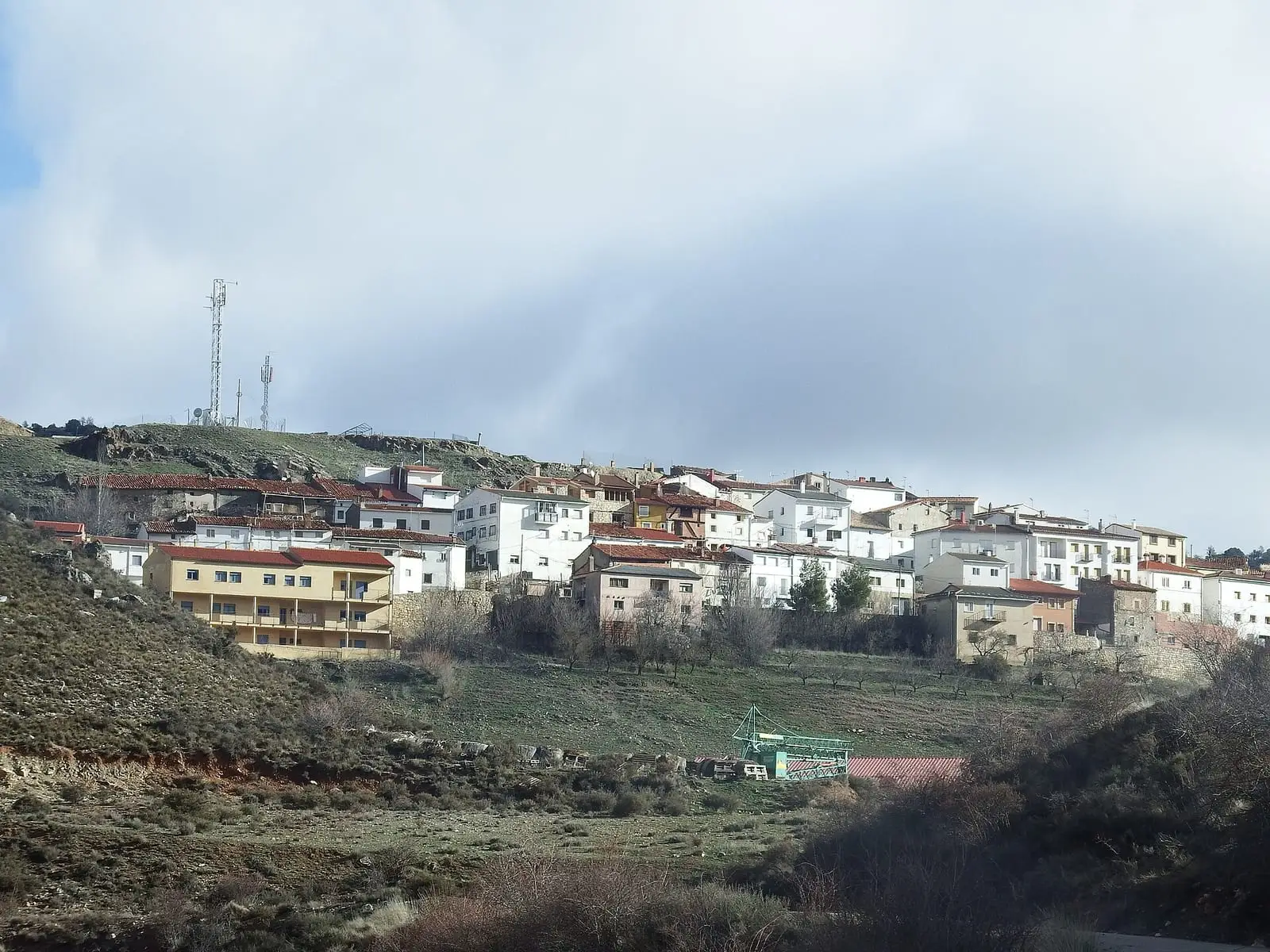
Salvacañete
Cuenca · 1 places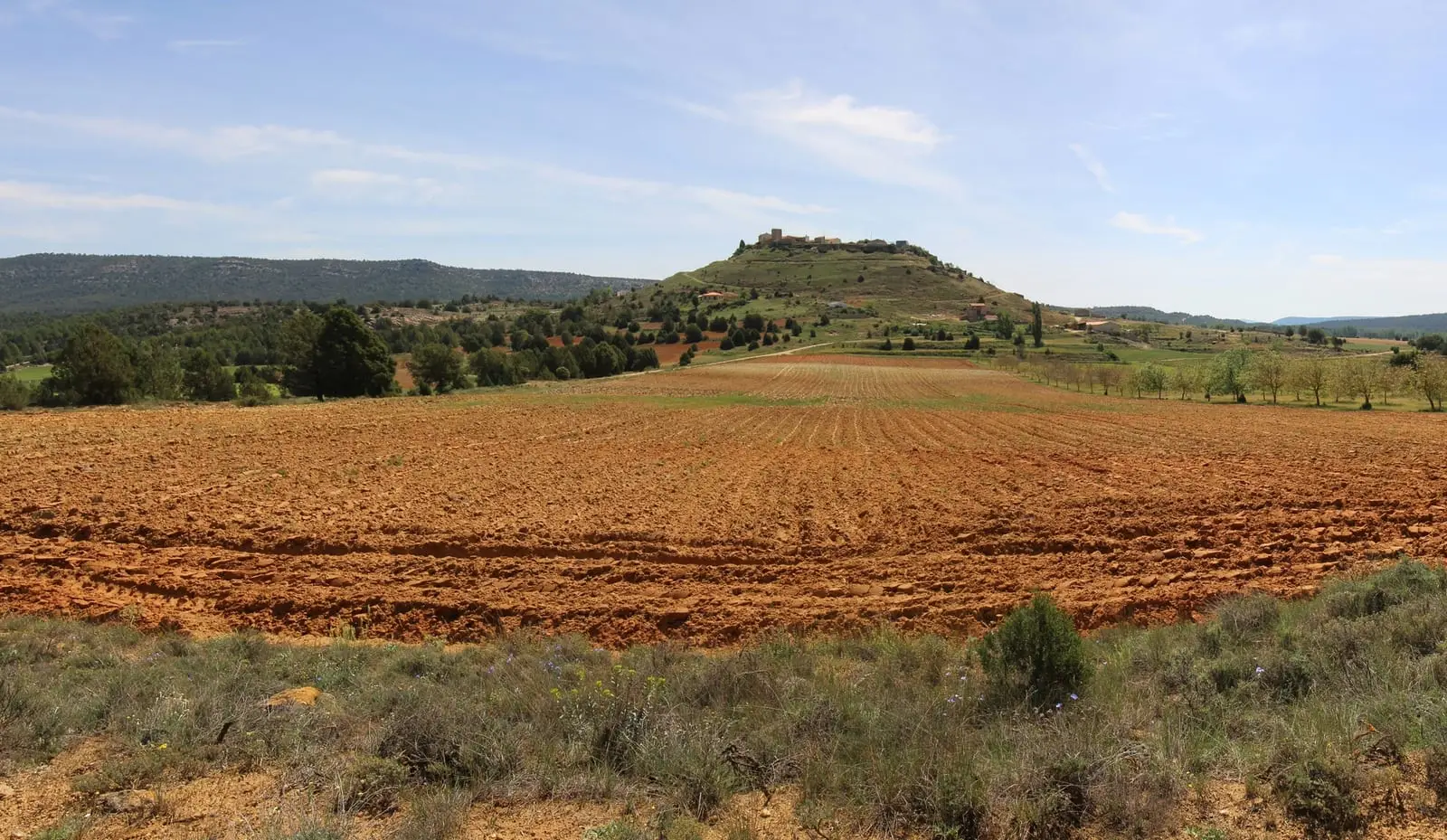
Campillos-Paravientos
Cuenca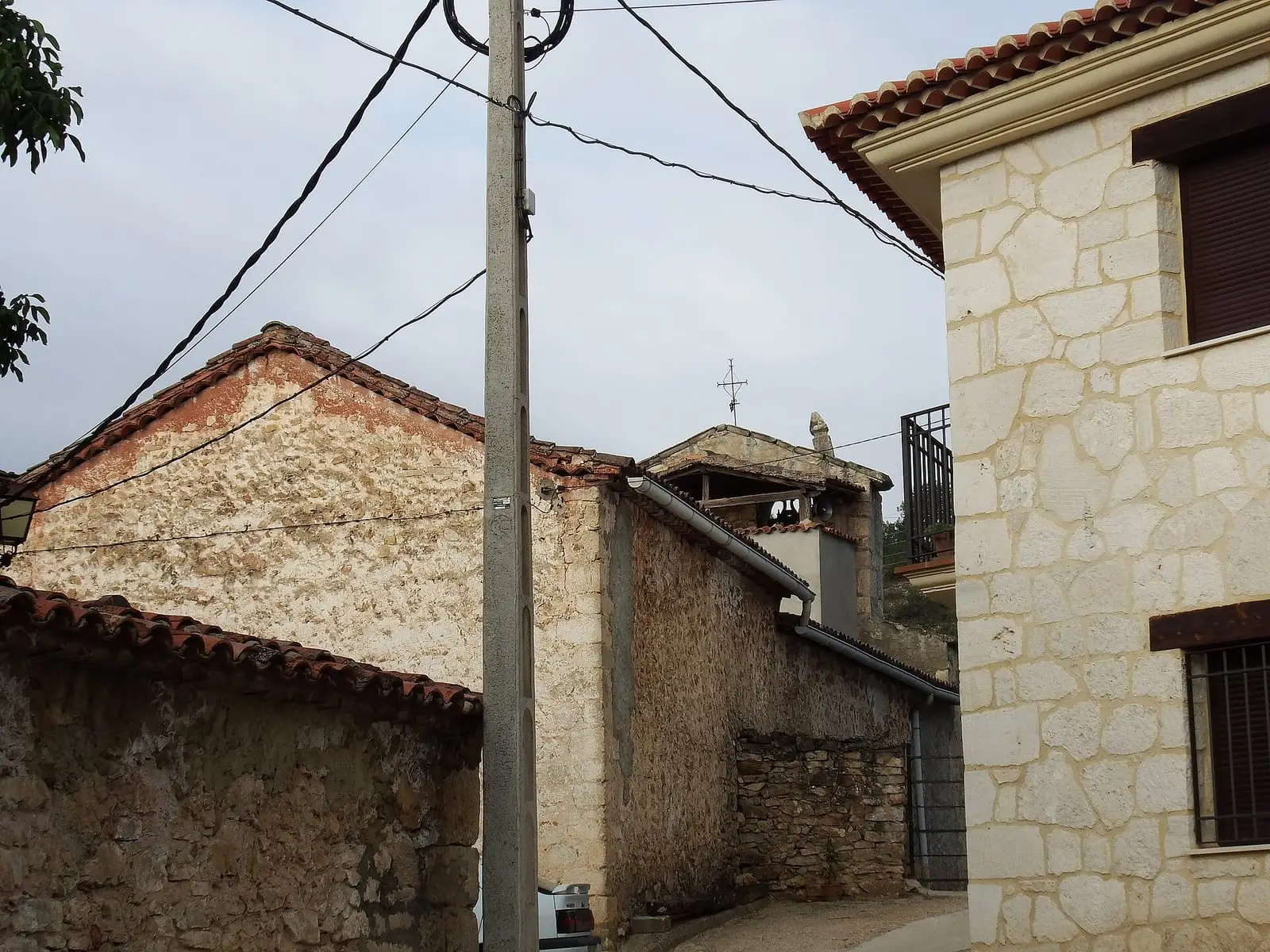
Campillos-Sierra
Cuenca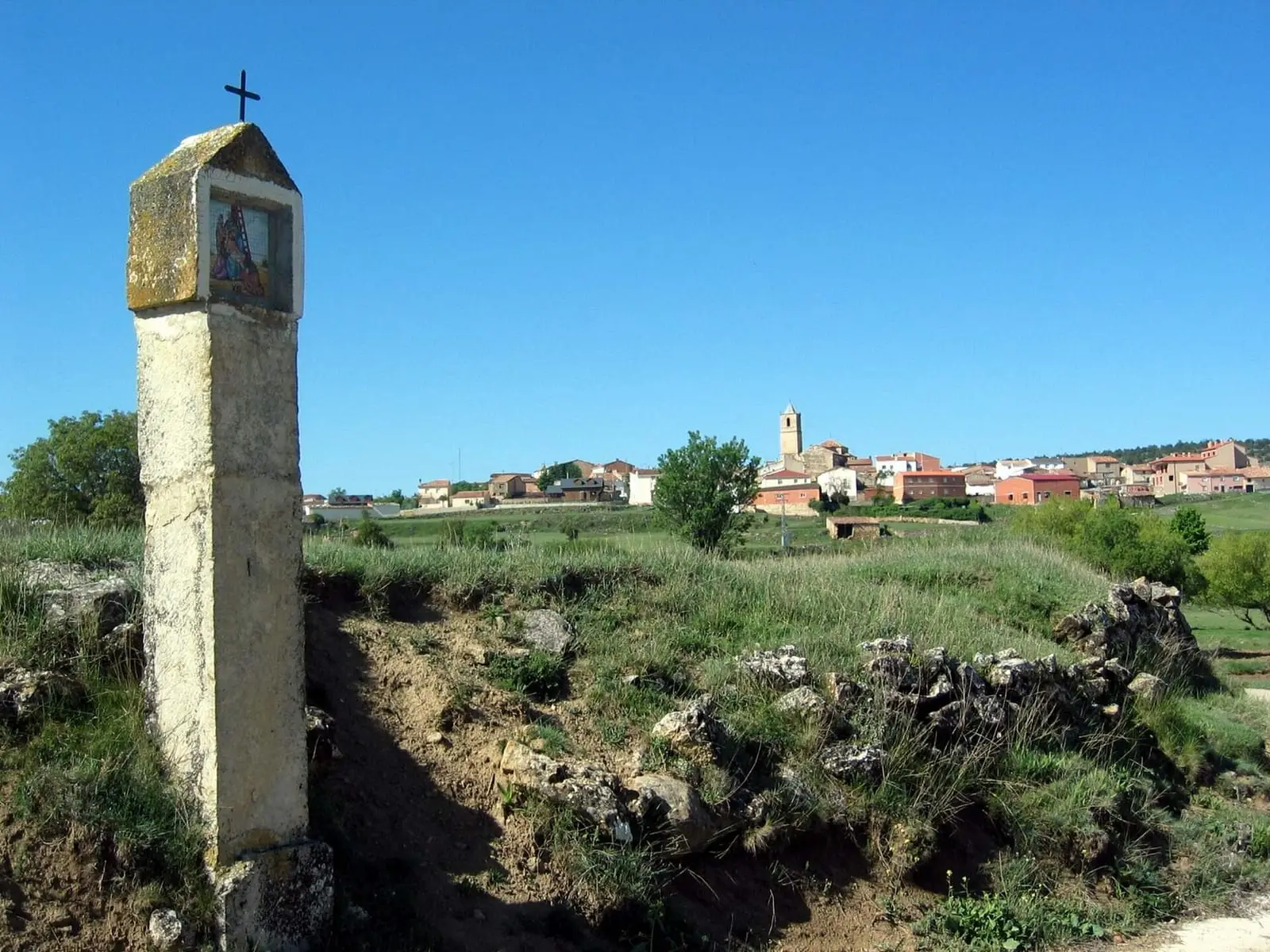
Fuentelespino de Moya
Cuenca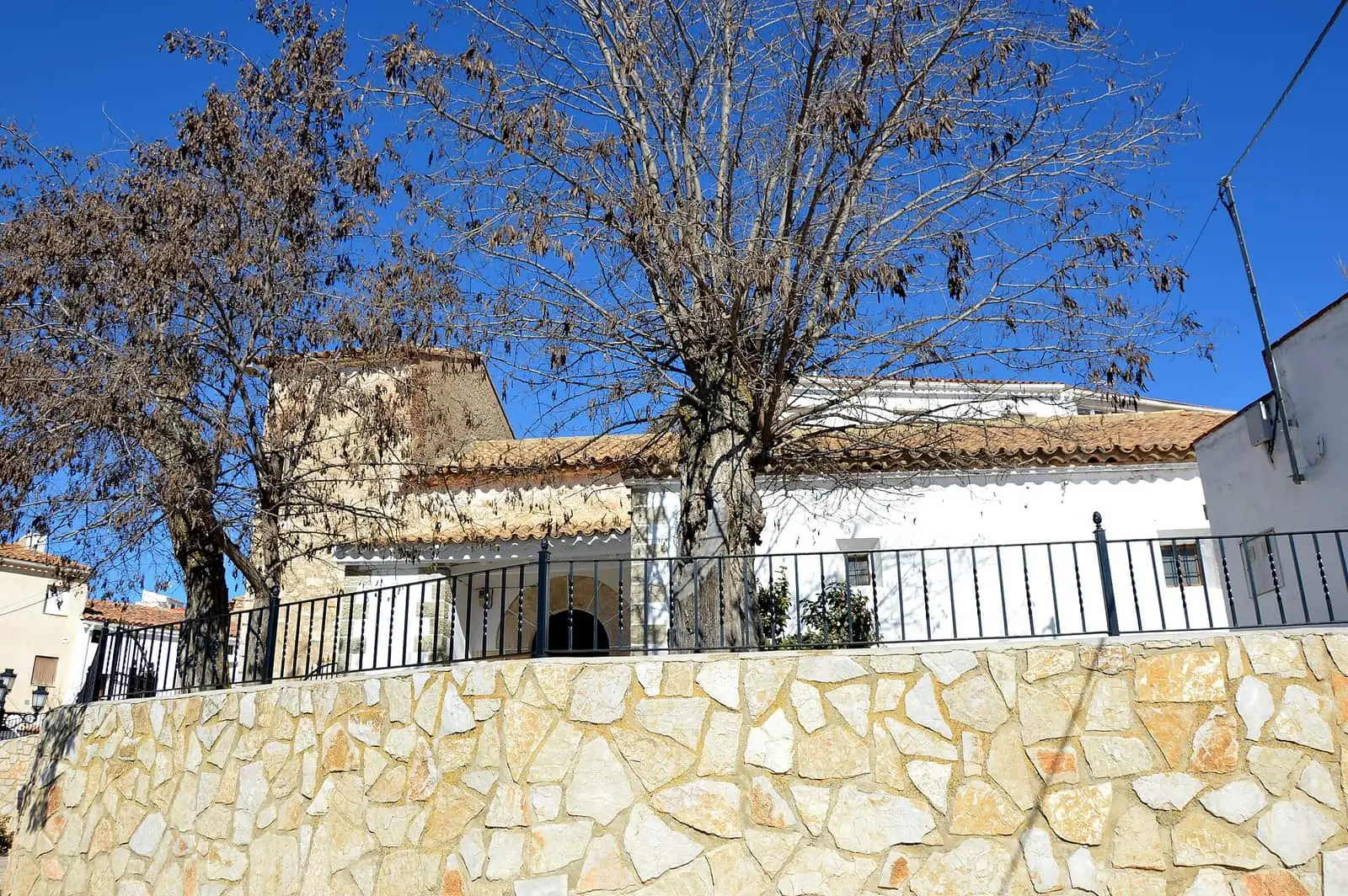
Graja de Campalbo
Cuenca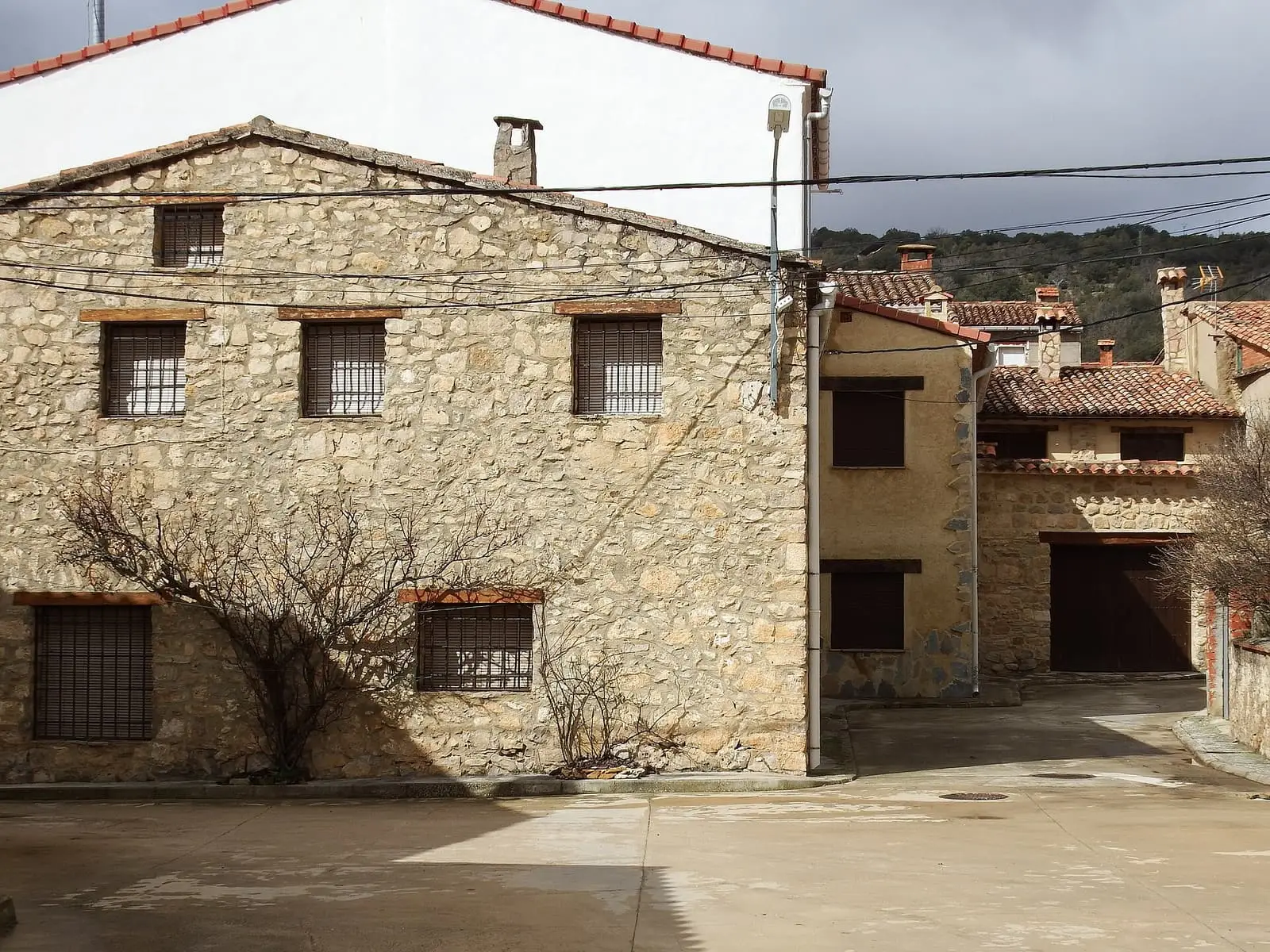
Huérguina
Cuenca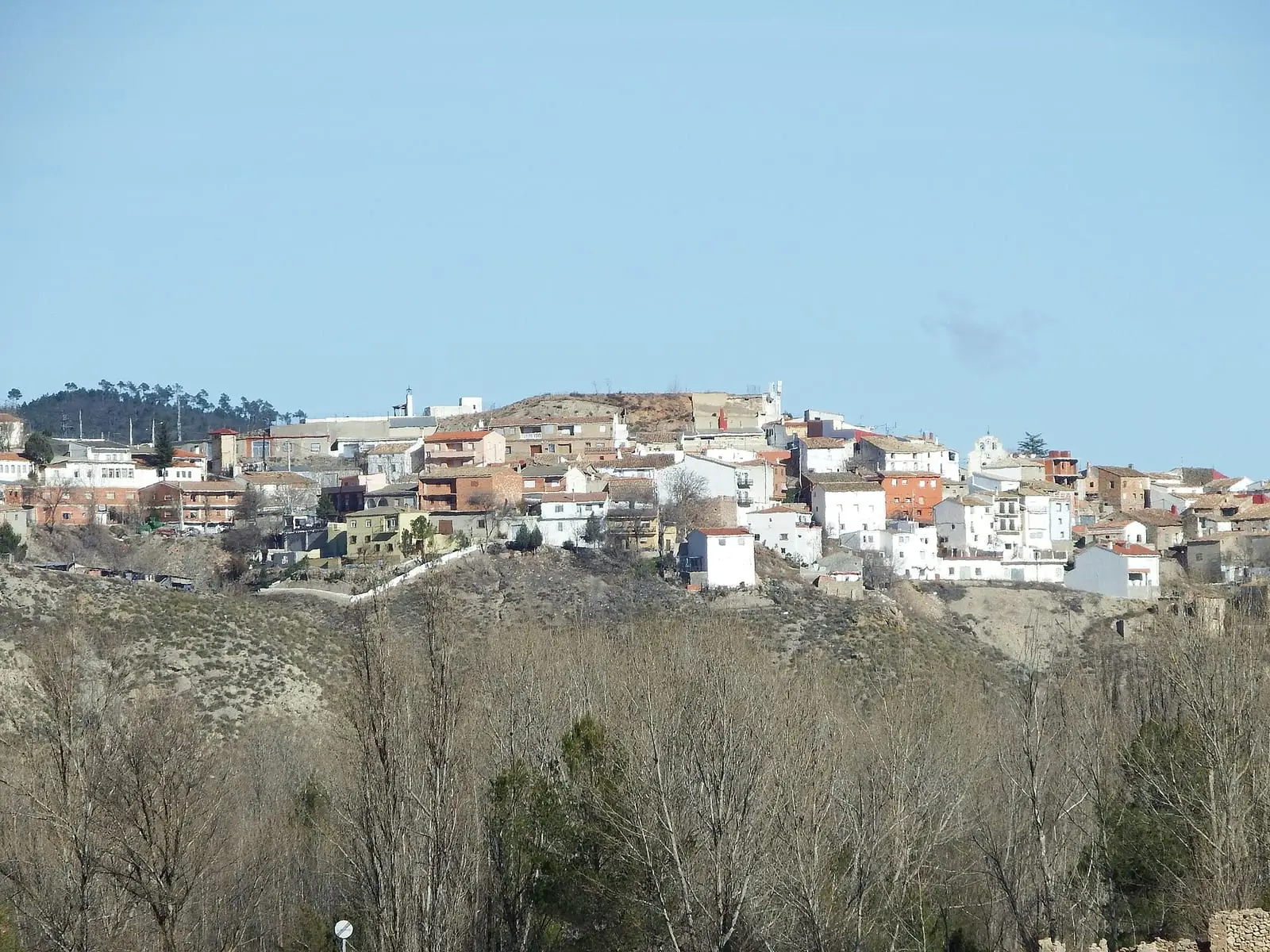
Narboneta
Cuenca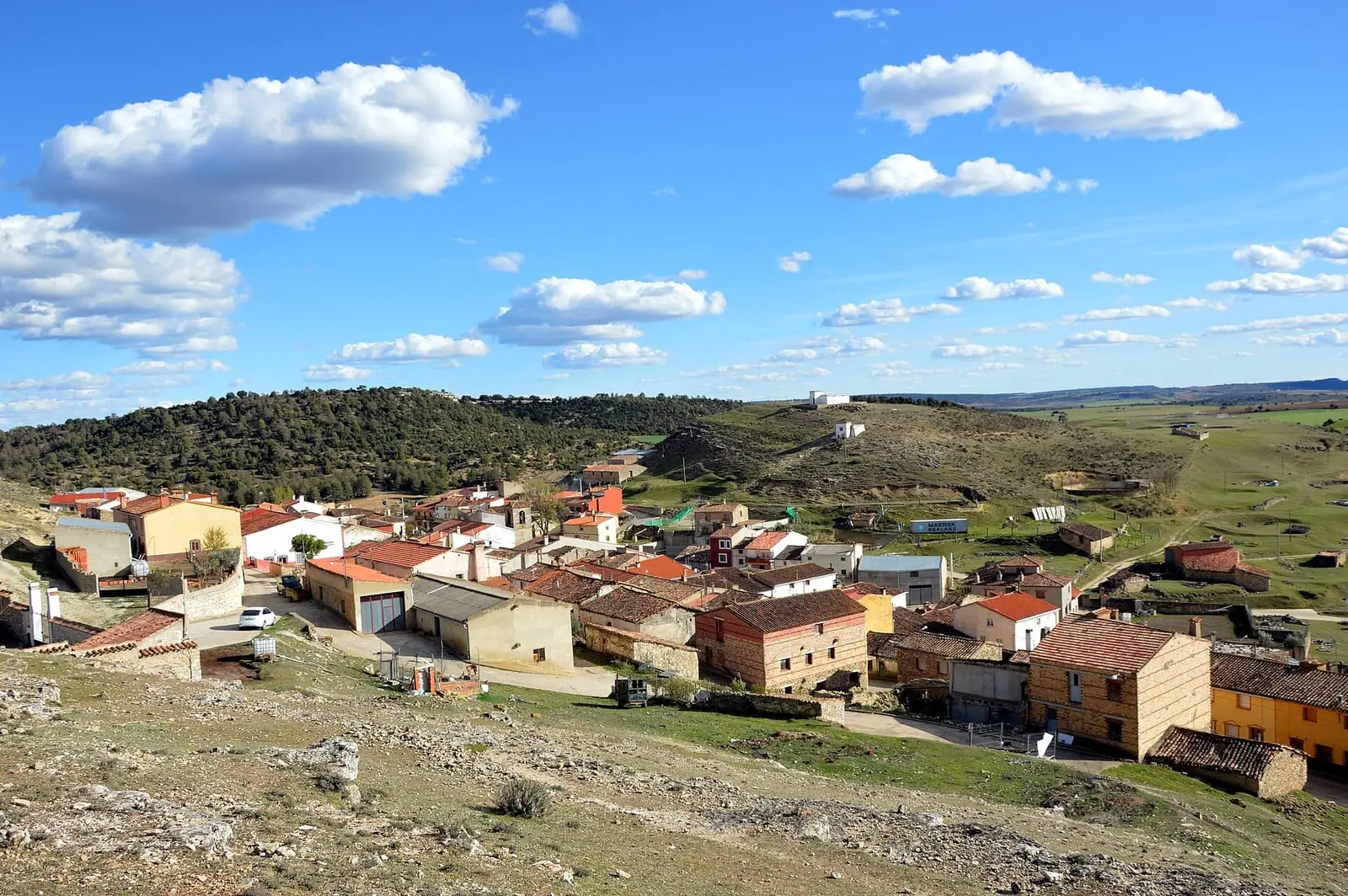
Pajarón
Cuenca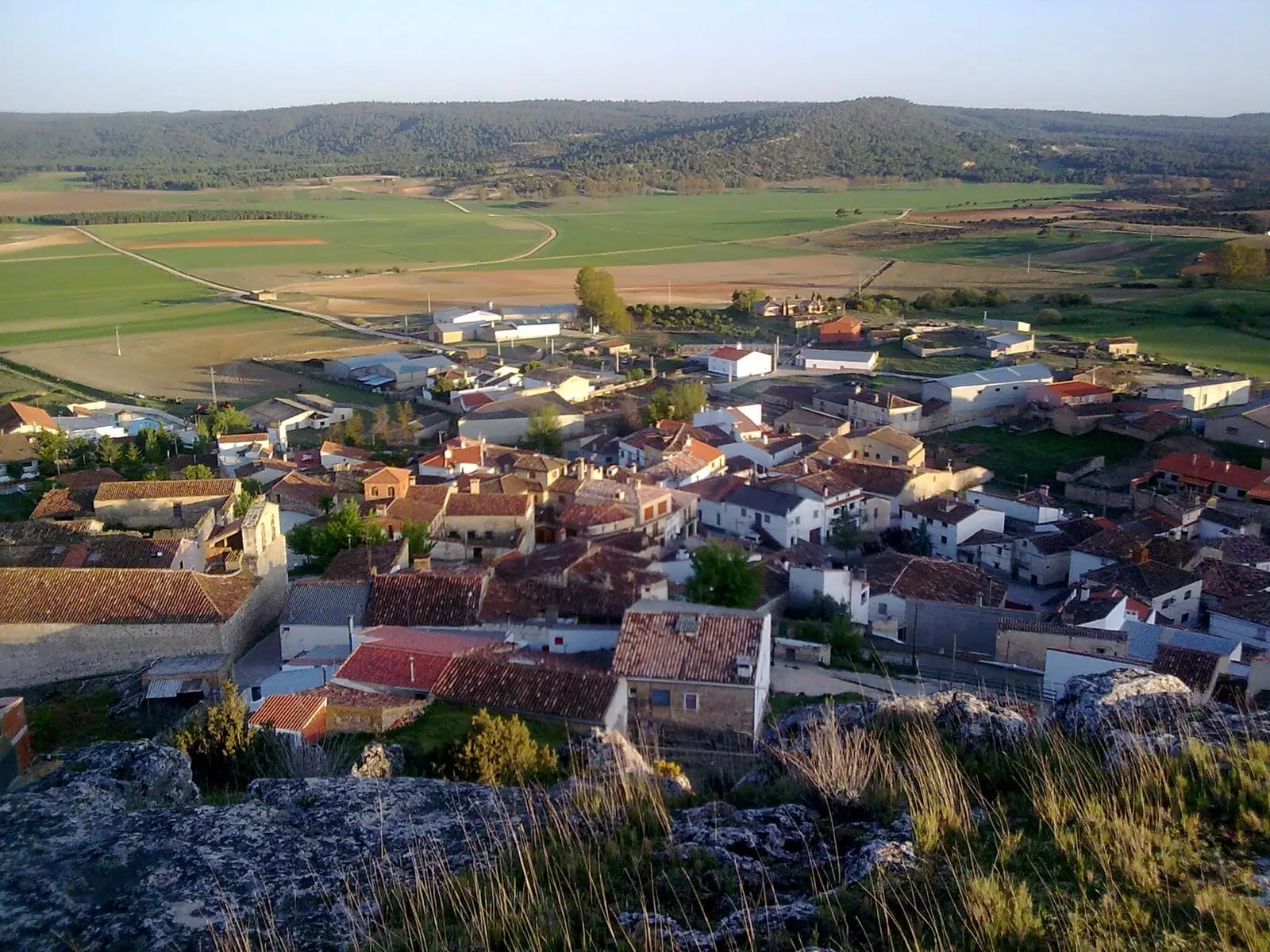
Reíllo
Cuenca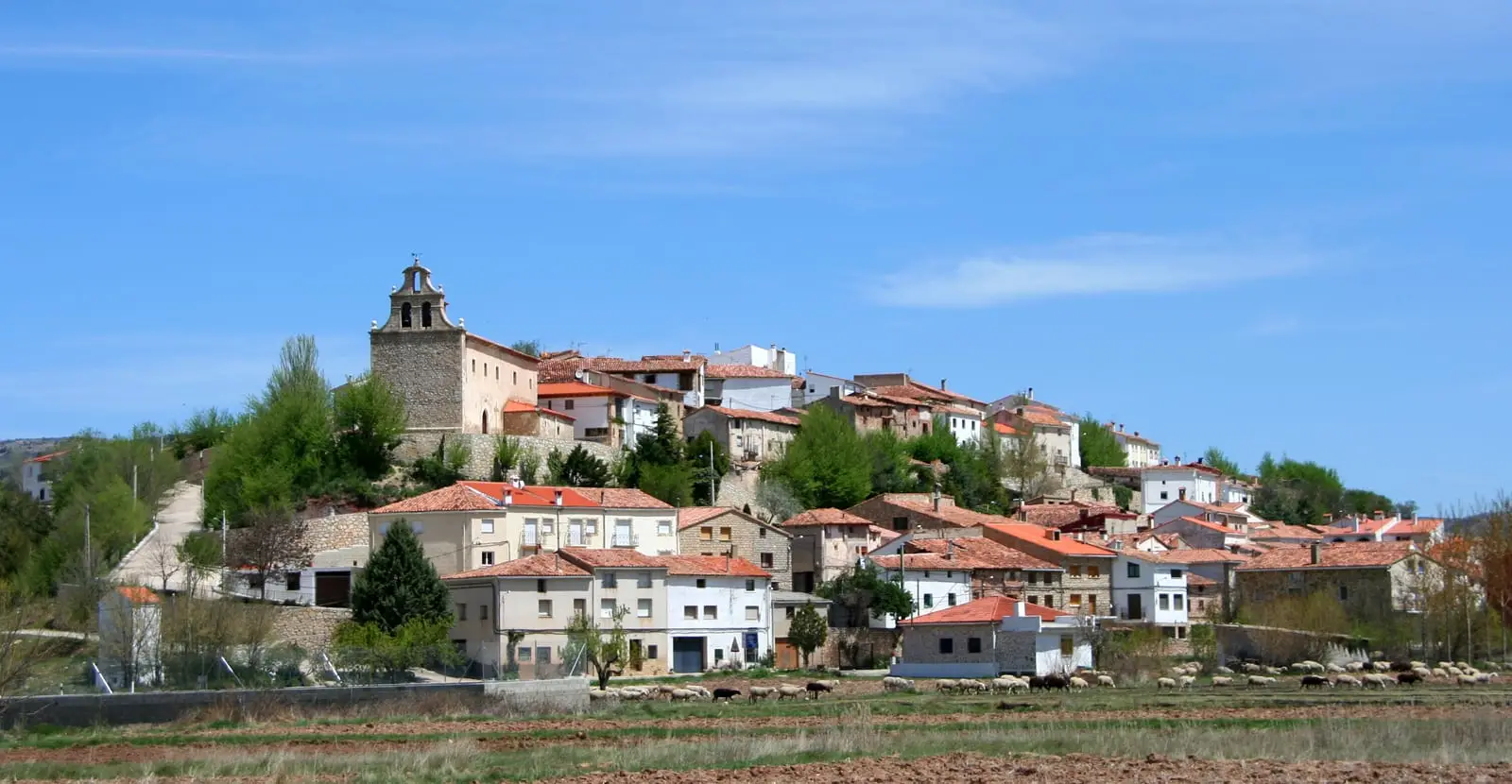
Salinas del Manzano
Cuenca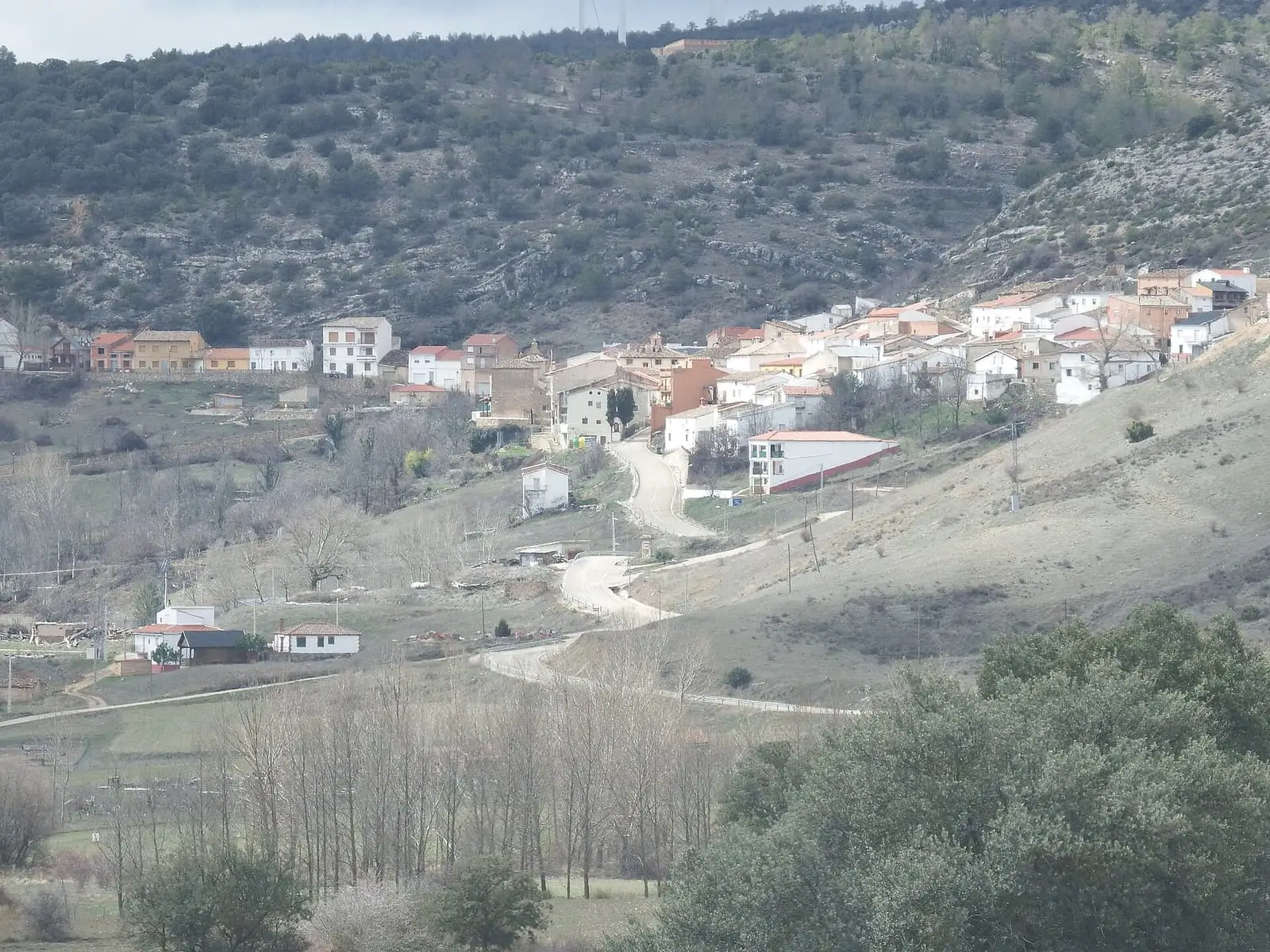
San Martín de Boniches
Cuenca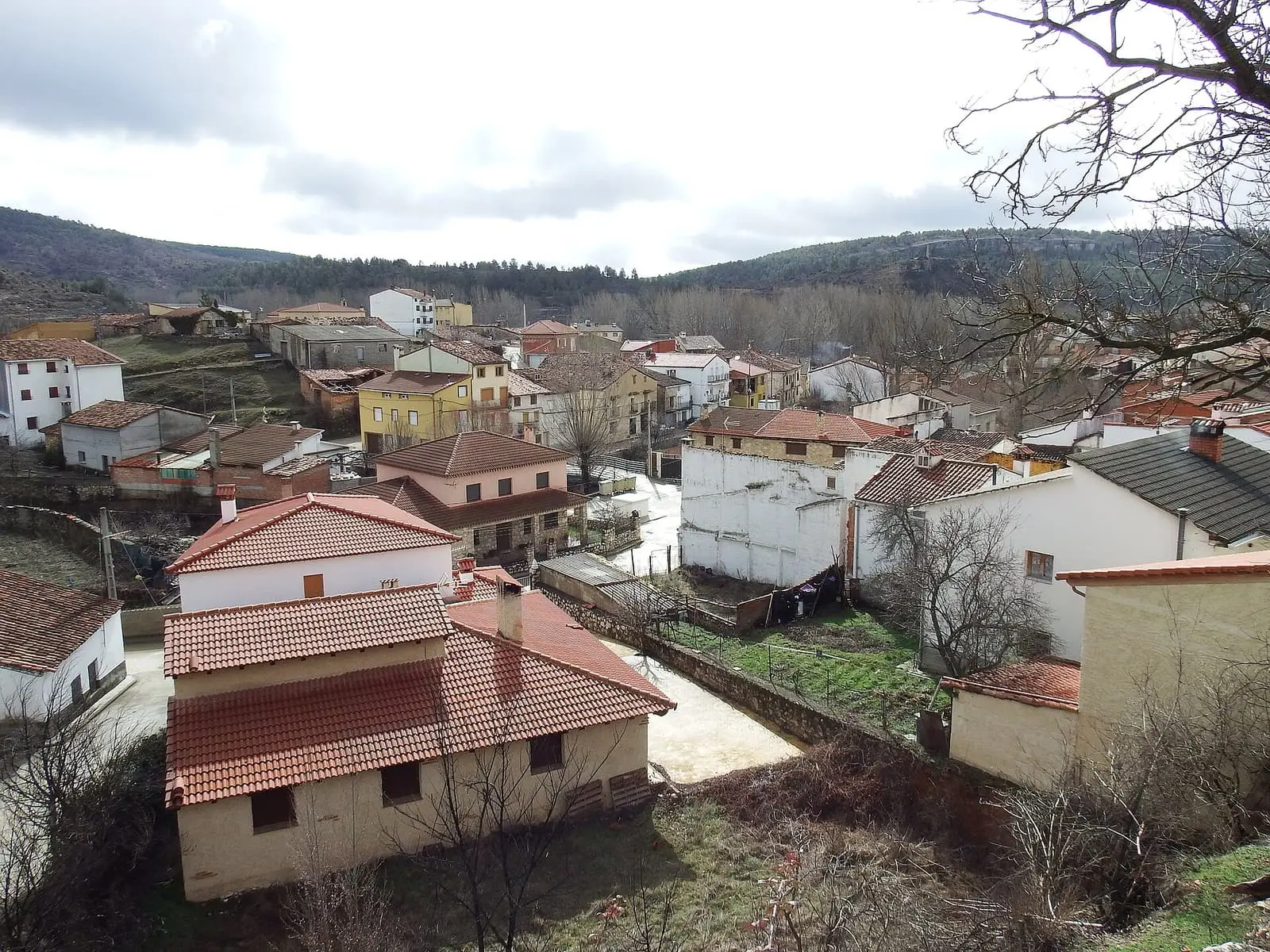
Tejadillos
Cuenca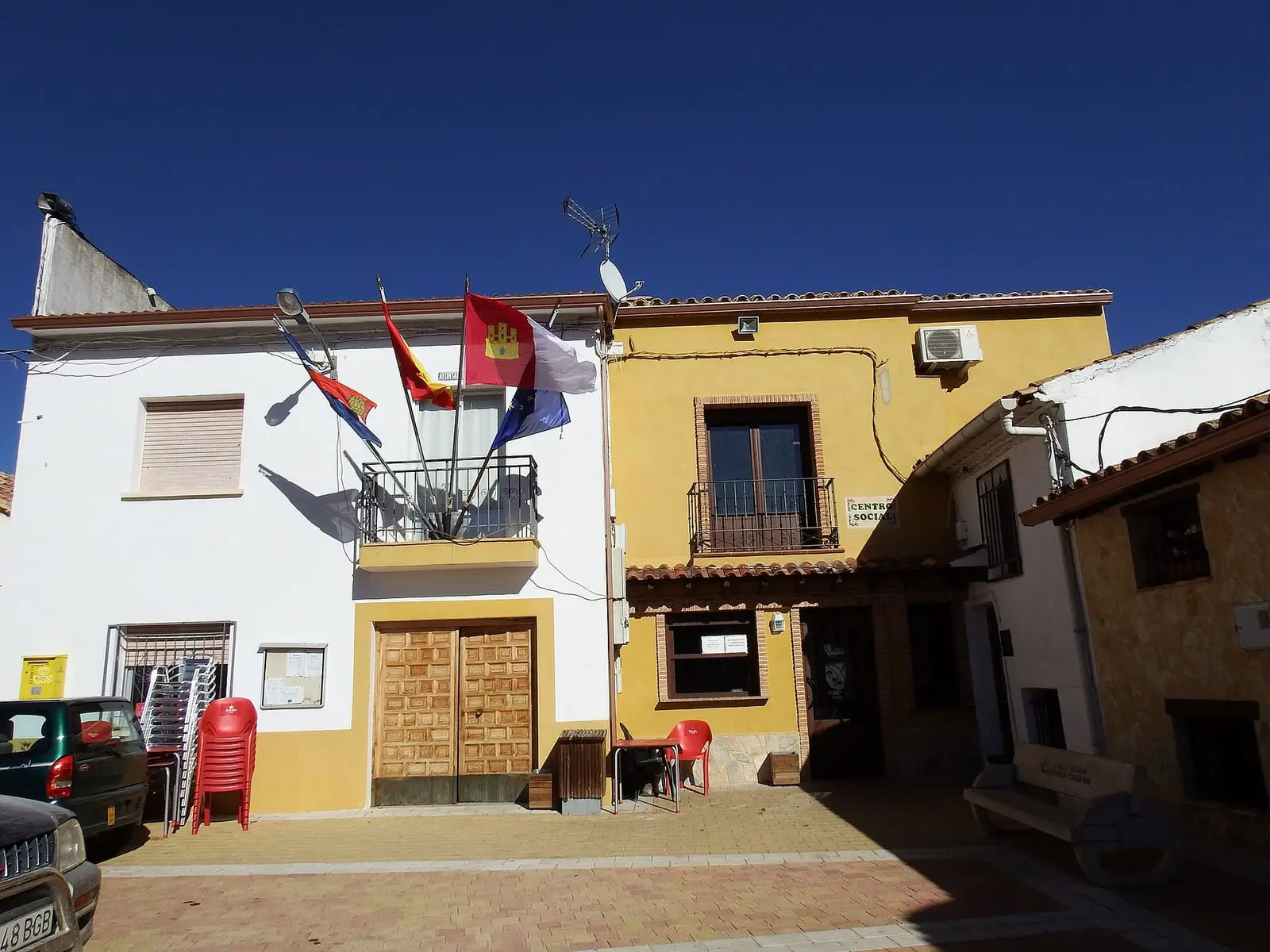
Yémeda
CuencaFrequently asked questions
What is the former lordship of Moya?
The lands in the east of the province that depended on the town of Moya, now abandoned, and its marquisate. Pajarón, Henarejos, Landete, Fuentelespino de Moya and Reíllo are among the villages of that territory.
Which places stand out?
The Cueva Santa del Cabriel in Mira, an Iberian sanctuary and hermitage; the rock art shelters of Villar del Humo, part of the UNESCO property of 1998; the Salvacañete hoard; Cañete castle; and the Chorreras del Cabriel in Víllora.
How many inhabitants does the area have?
Its 33 municipalities totalled 8,384 inhabitants in 2021 against 32,846 in 1950, 74% fewer, according to the INE. The largest are Landete (1,216), Mira (937), Talayuelas (852) and Cañete (767).