To begin
Start reading the Serranía
You can start with an era, with a story or with a place you already know. Each way in leads to the villages, rivers and protected areas where that memory can still be recognised.
If your starting point is the land itself, go in through a zone, a river or a protected area.
A story to start with
- Water against limestone: how the Serranía was formed · About 125 million years ago – today
- Hillforts, oppida and sanctuaries of the Serranía · 8th – 1st centuries BC
- Buying themselves · from 1500 to 1800
Deep time
Before us: the rock and the lake
Read first how these mountains were formed. Then recognise in the torcas of Los Palancares, in the shapes of the Ciudad Encantada and in the fossils of Las Hoyas the traces of different processes: water dissolving limestone, and a lake where birds and dinosaurs lived some 125 million years ago.
Explore this layer → · Read the story →
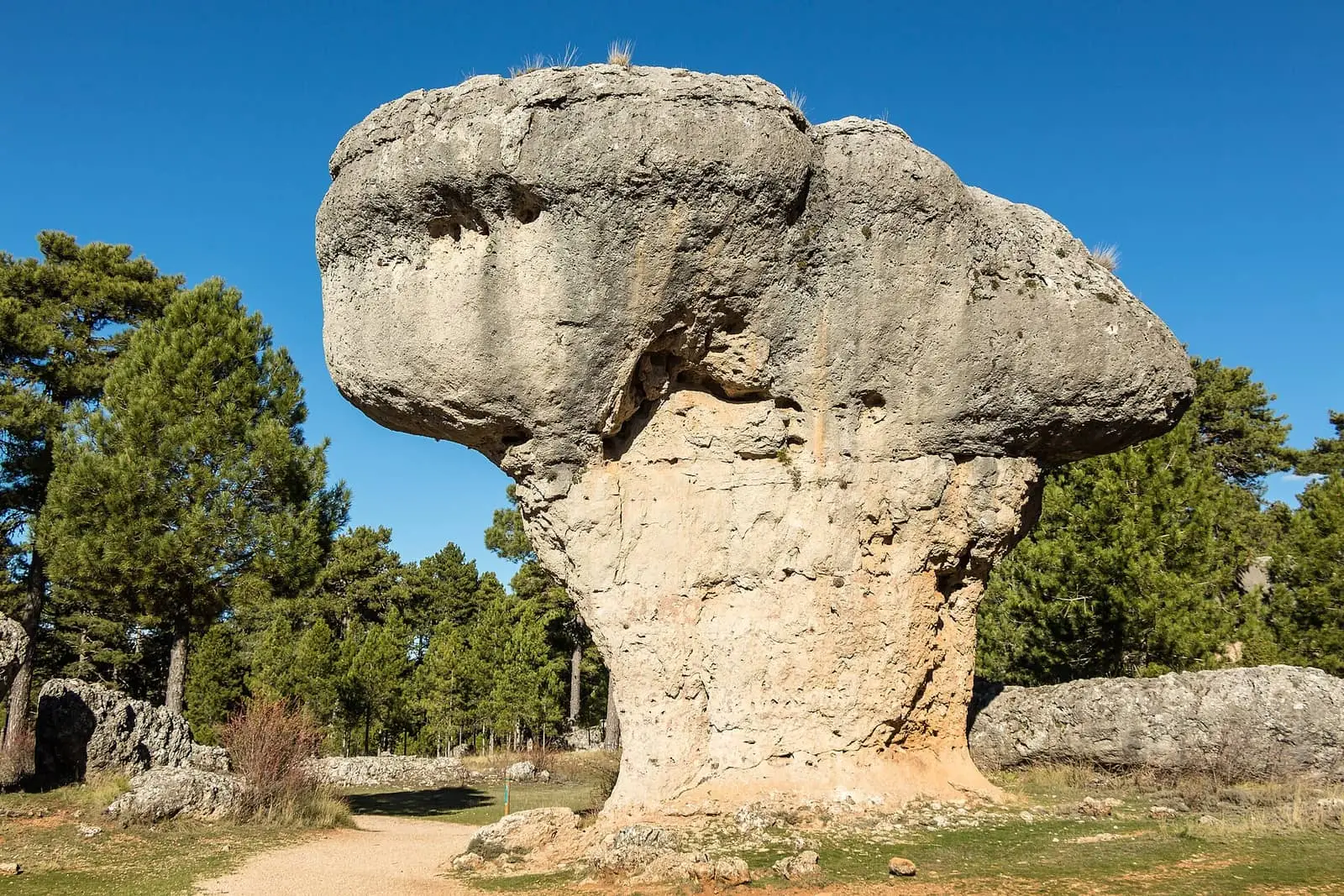
Ciudad Encantada de Cuenca
Cuenca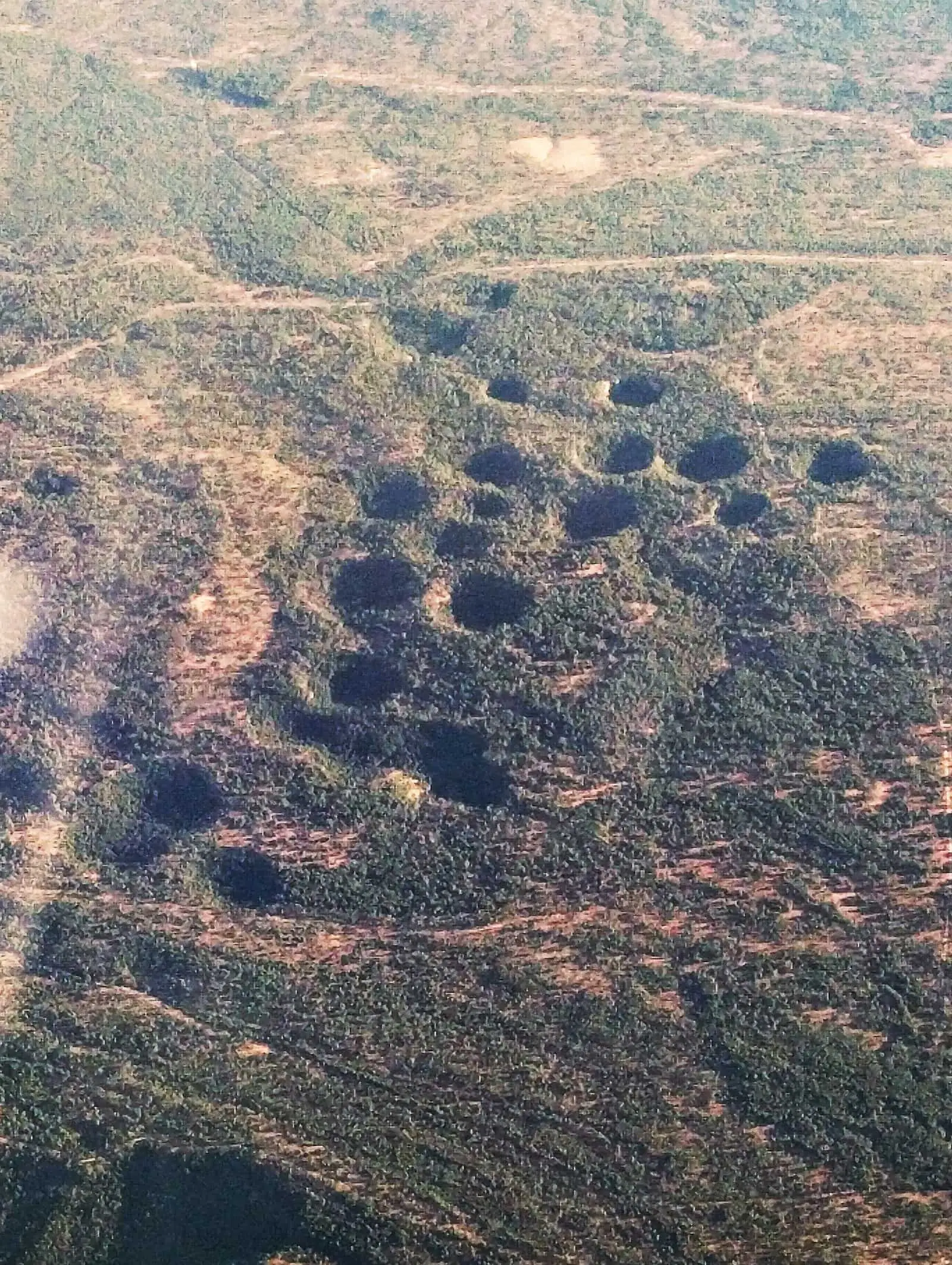
Torcas de los Palancares
Cuenca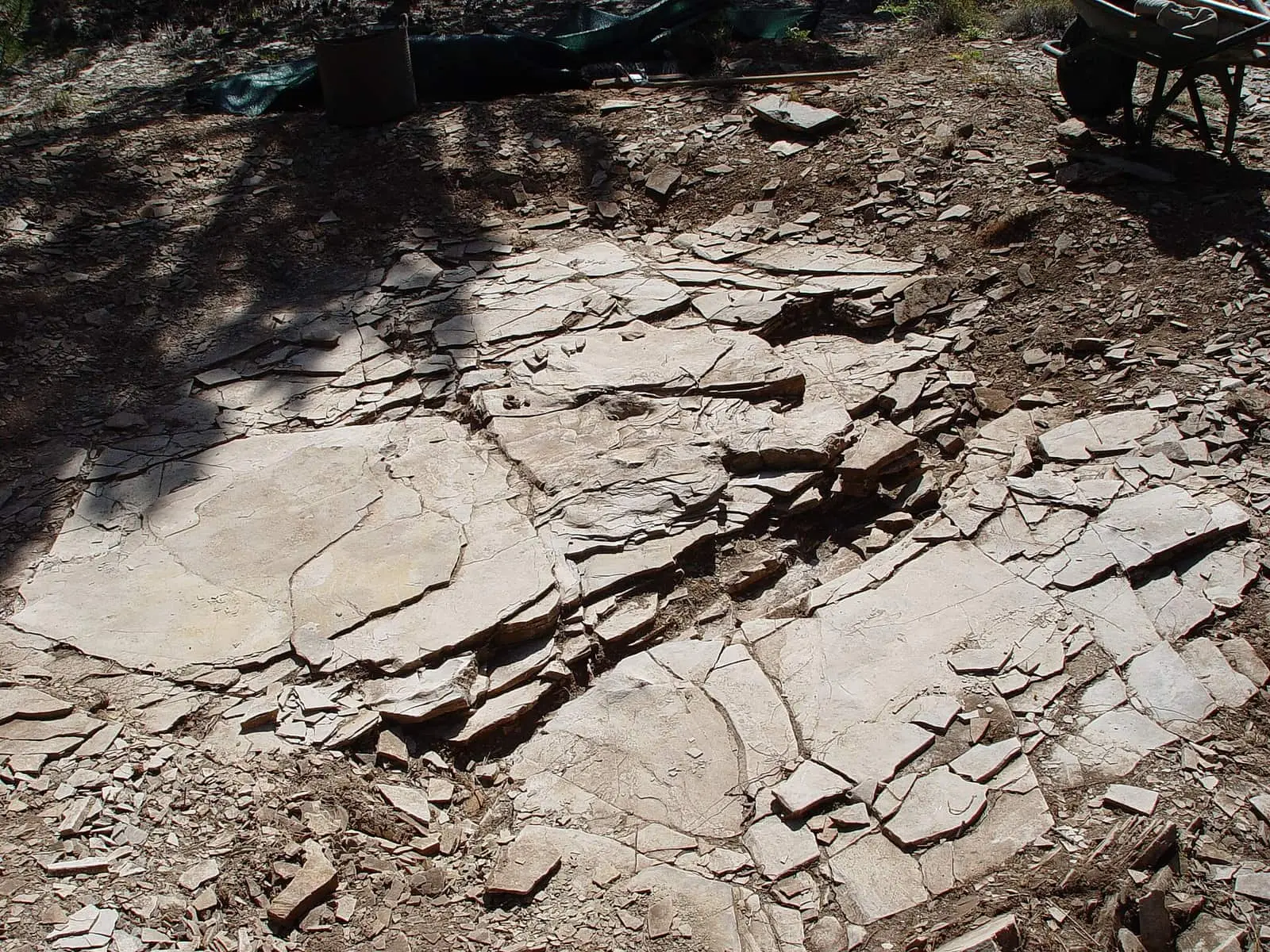
Las Hoyas
La CiervaBefore you go: Las Hoyas cannot be visited on your own: its fossils are in the Museum of Palaeontology in Cuenca. Look at the torcas without going near the edge.
Prehistory and Iberians
The first marks and the sanctuaries
The paintings of Villar del Humo, the Cueva Santa del Cabriel and the burial mounds of Pajaroncillo belong to different times. Putting them together leads from the first figures on the rock to the places where the Iberians left their offerings and buried their dead.
Explore this layer → · Read the story →
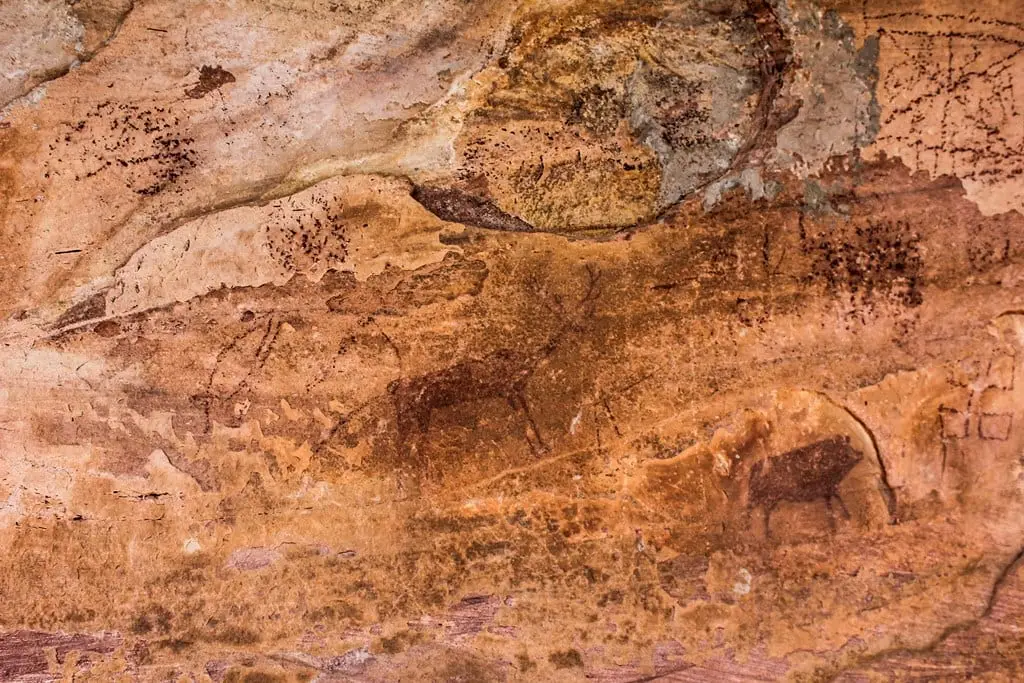
Villar del Humo rock-art shelters
Villar del Humo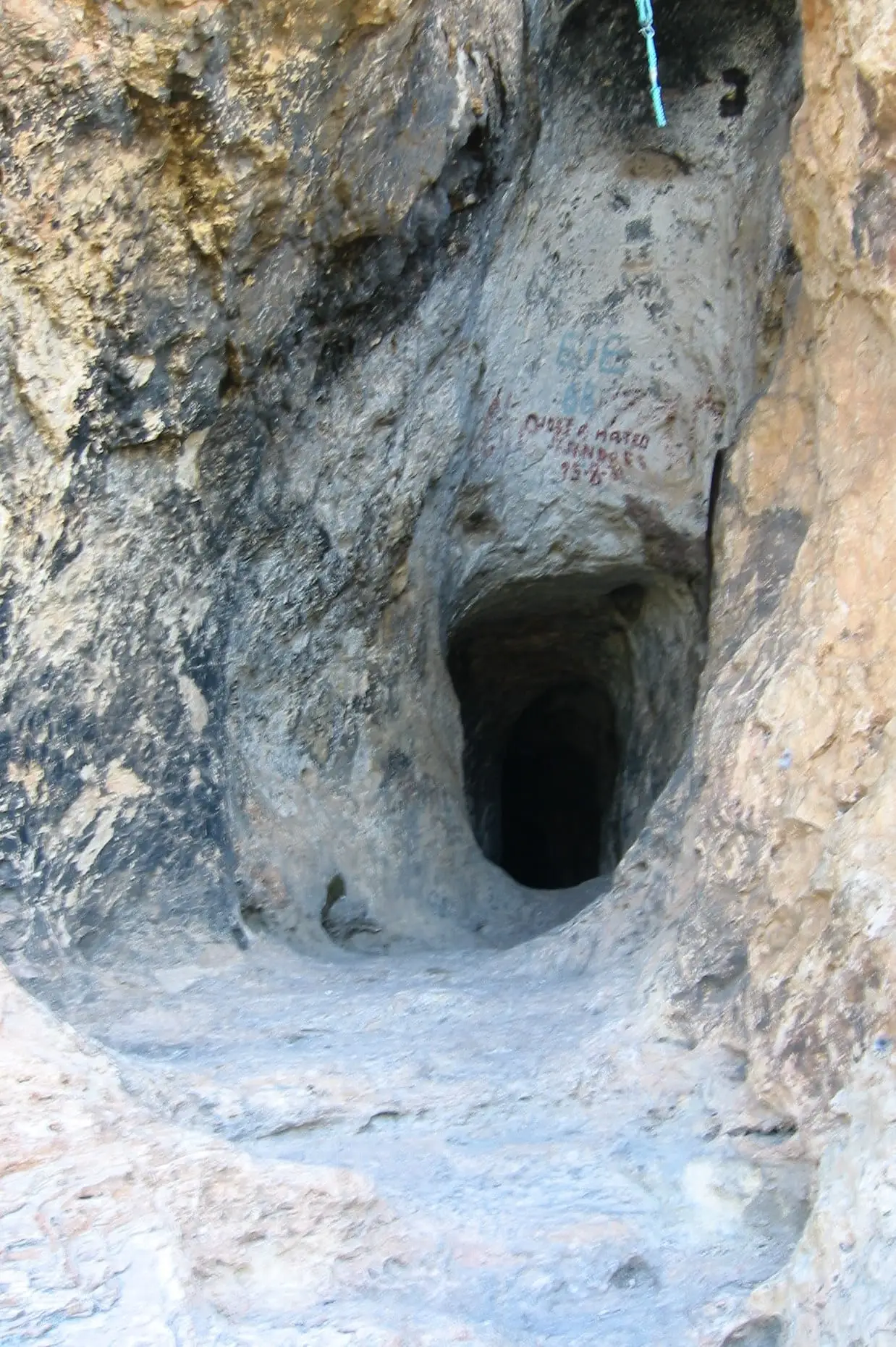
Cueva Santa del Cabriel
MiraPajaroncillo burial-mound fields
PajaroncilloBefore you go: The paintings are seen under the rules of the Villar del Humo interpretation centre. The Cueva Santa is both an archaeological site and a hermitage.
Middle Ages
The frontier and the castles
Moya, Cañete and Huélamo were strongholds on a frontier that shifted for centuries. Their walls and castles show the defence, the power of the lords and the town charters that ordered life in the Serranía.
Explore this layer → · Read the story →
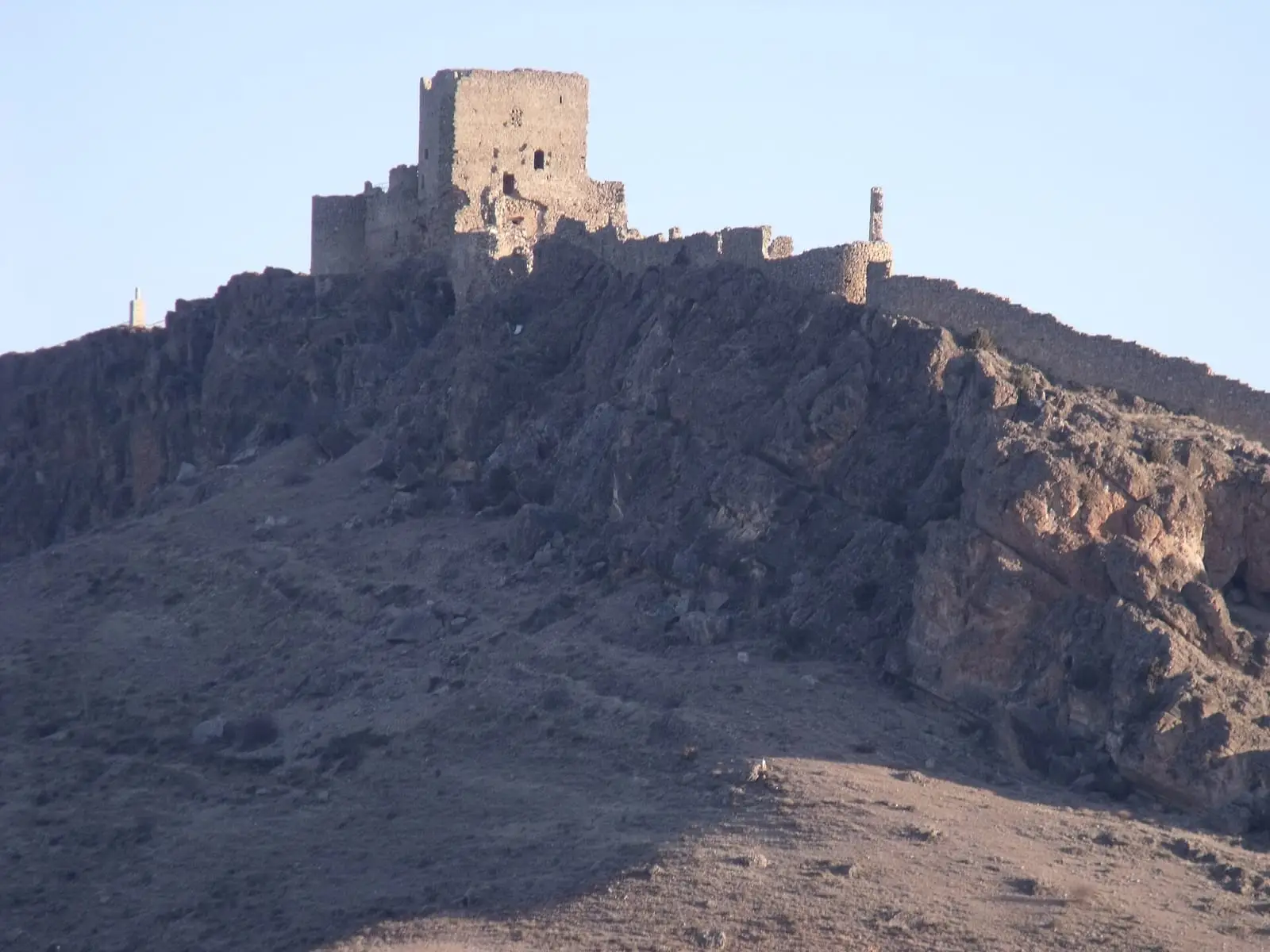
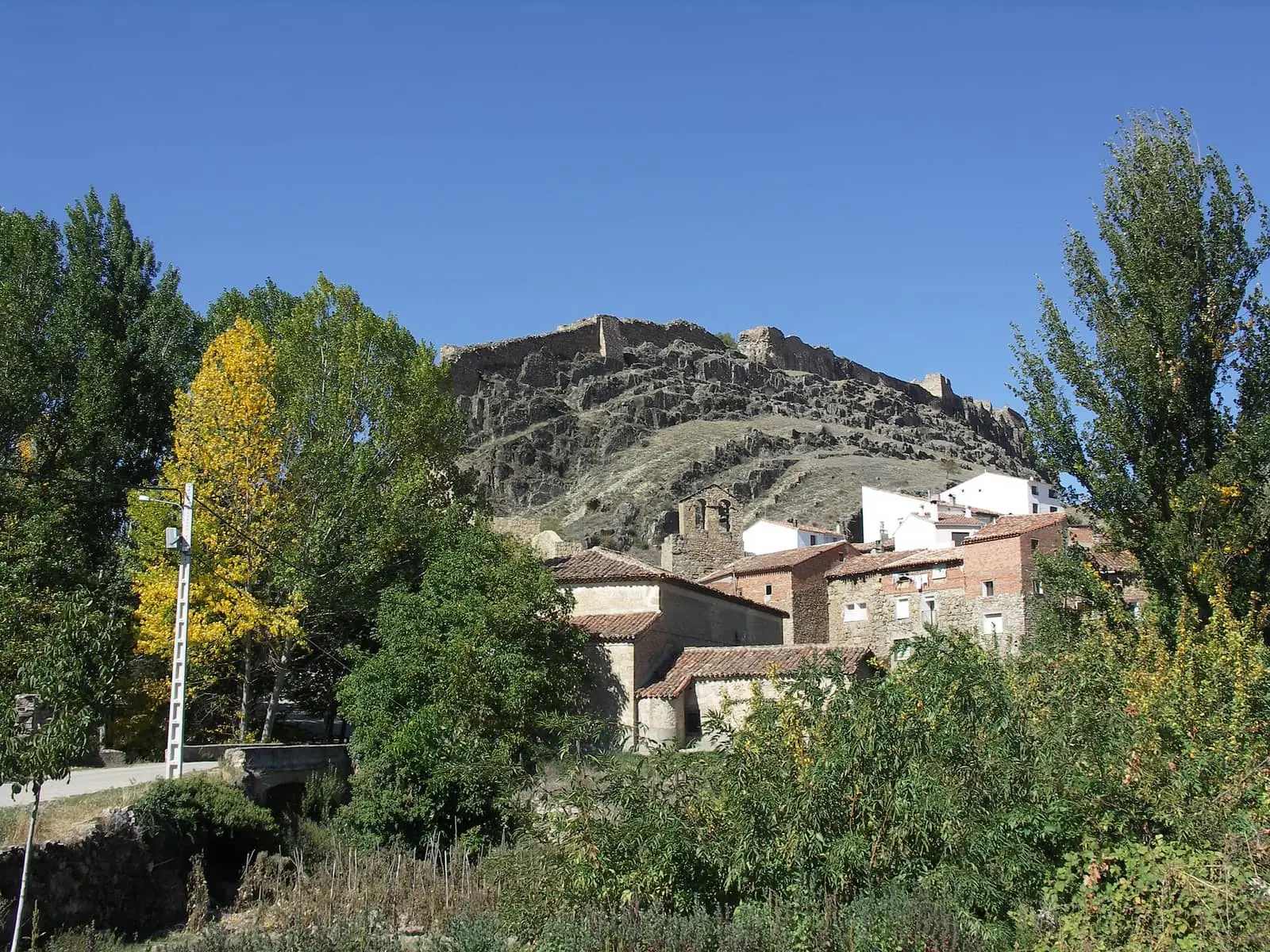
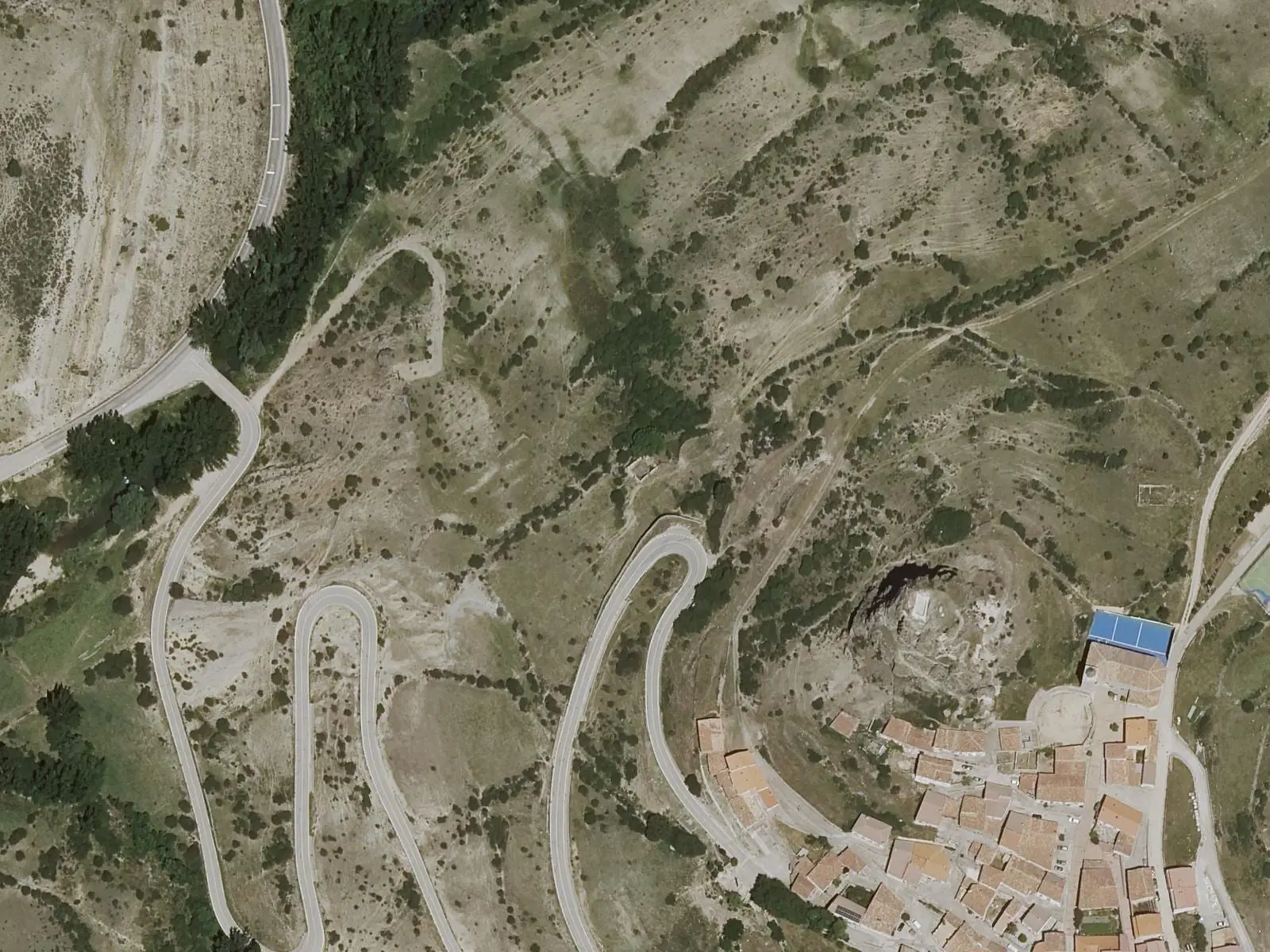
Before you go: They are ruins with uneven ground: walk along the paths without climbing the walls.
16th – 18th centuries
Towns, lords and pilgrimages
Cañizares bought itself in 1582 so as not to depend on the justice of Cuenca; the marquises of Moya left the castle of Cardenete unfinished; in Priego, the Carrillo family built the convent of El Rosal, and since 1639 the Virgen de Tejeda has been carried up to Moya every seven years. This is the Serranía of chartered towns and lords.
Explore this layer → · Read the story →
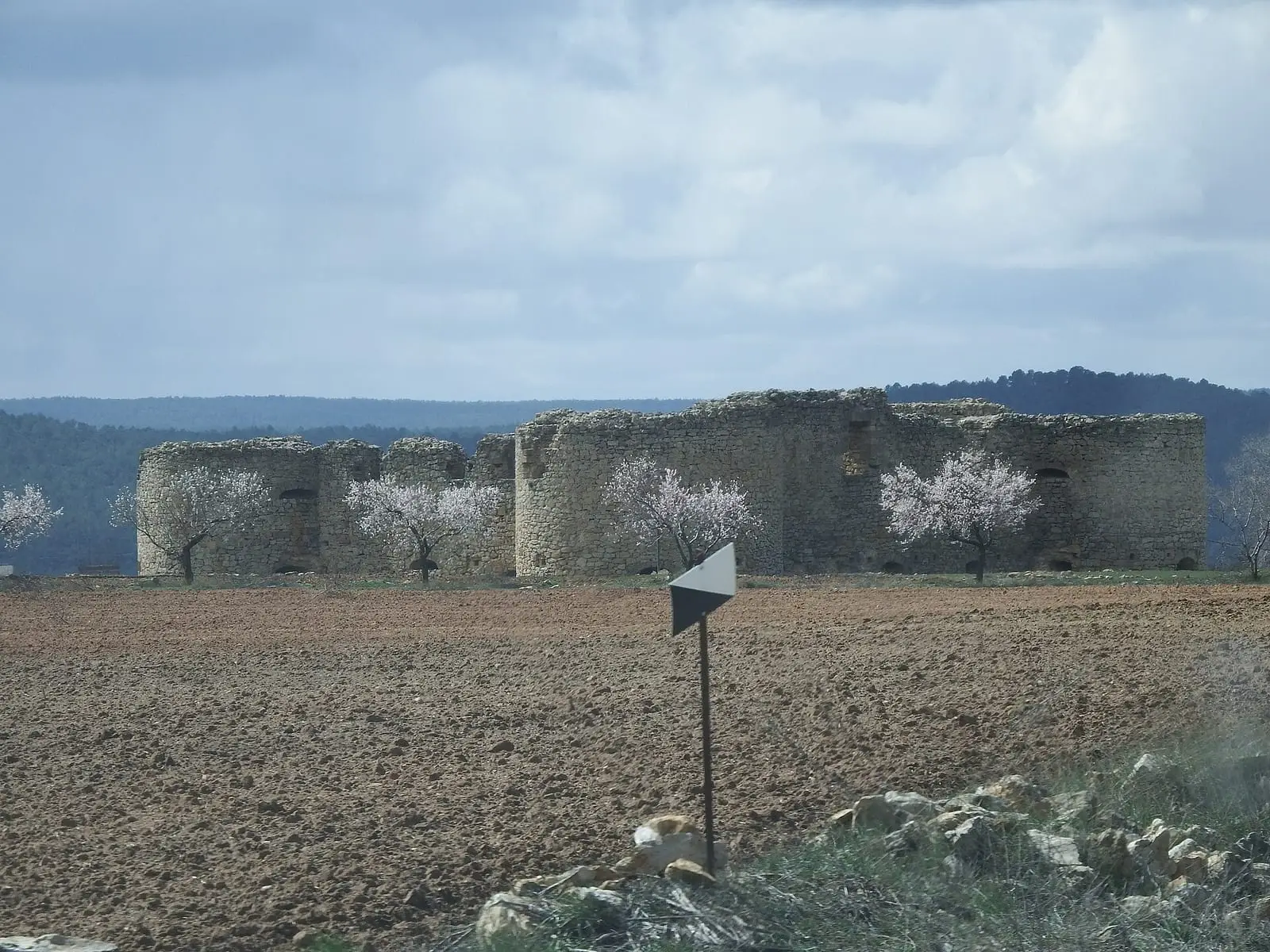
Cardenete castle
Cardenete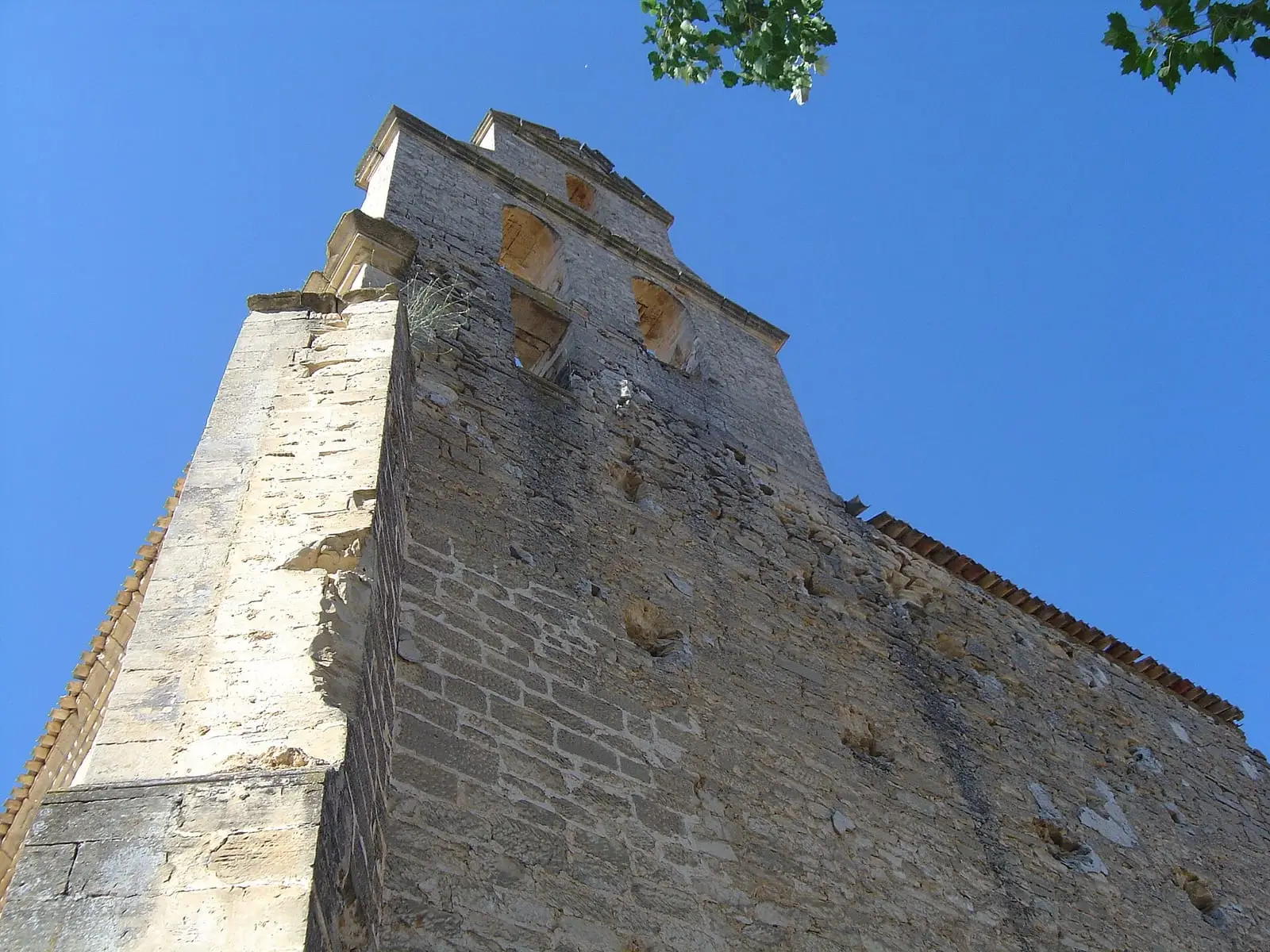
Convent of Nuestra Señora del Rosal
Priego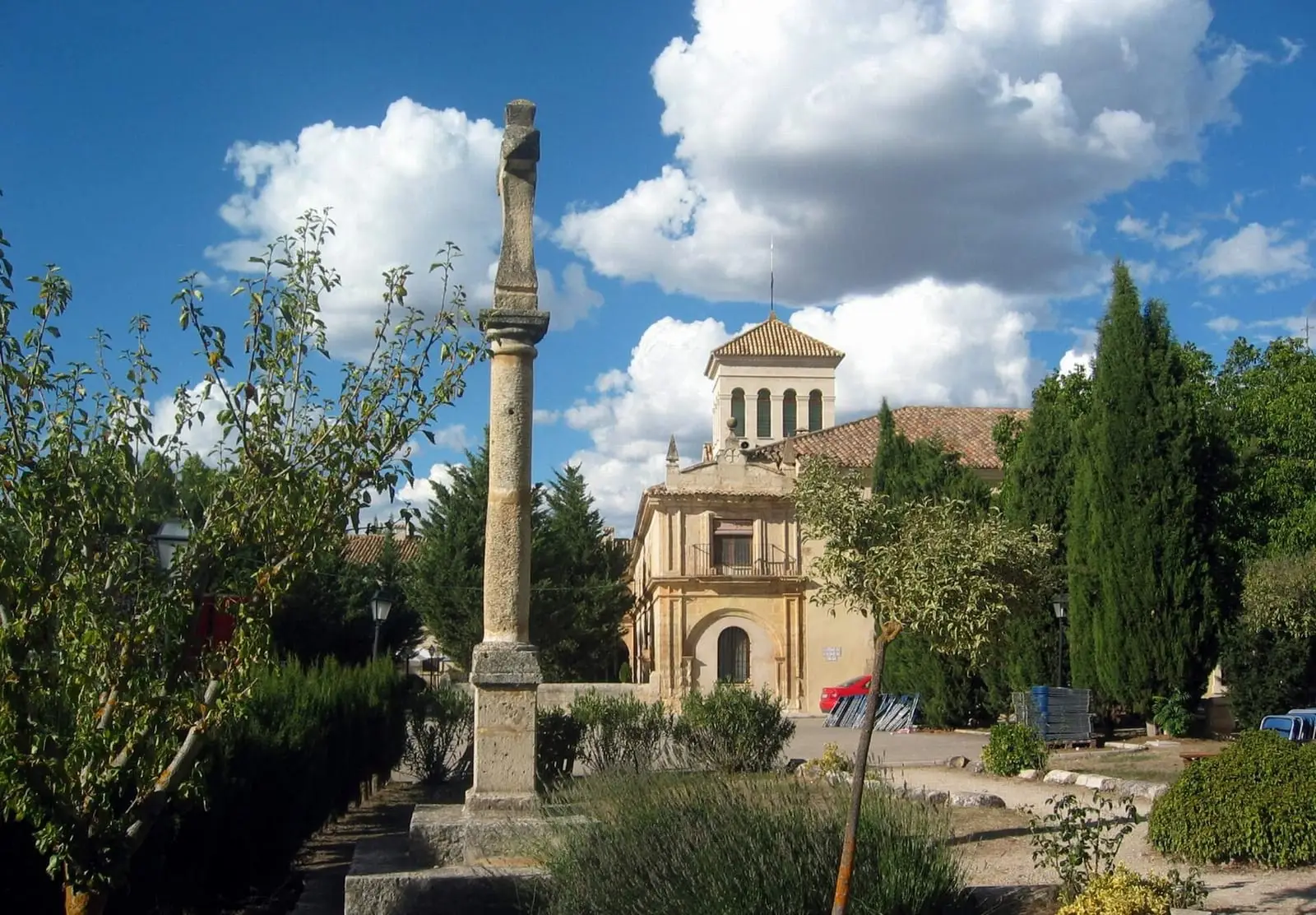
Tejeda monastery
GaraballaBefore you go: The castle of Cardenete and the convent of El Rosal are ruins: look at them from outside. The Septenario fills Moya with people: if you go that year, book well ahead.
16th – 20th centuries
The forest and the river that put food on the table
The gancheros floated pines down the Escabas and the Guadiela; iron came out of the mine at Cueva del Hierro; water turned mills and, from 1915, gave Boniches its electric light. The trades of the forest and the water explain how life was lived in the sierra.
Explore this layer → · Read the story →
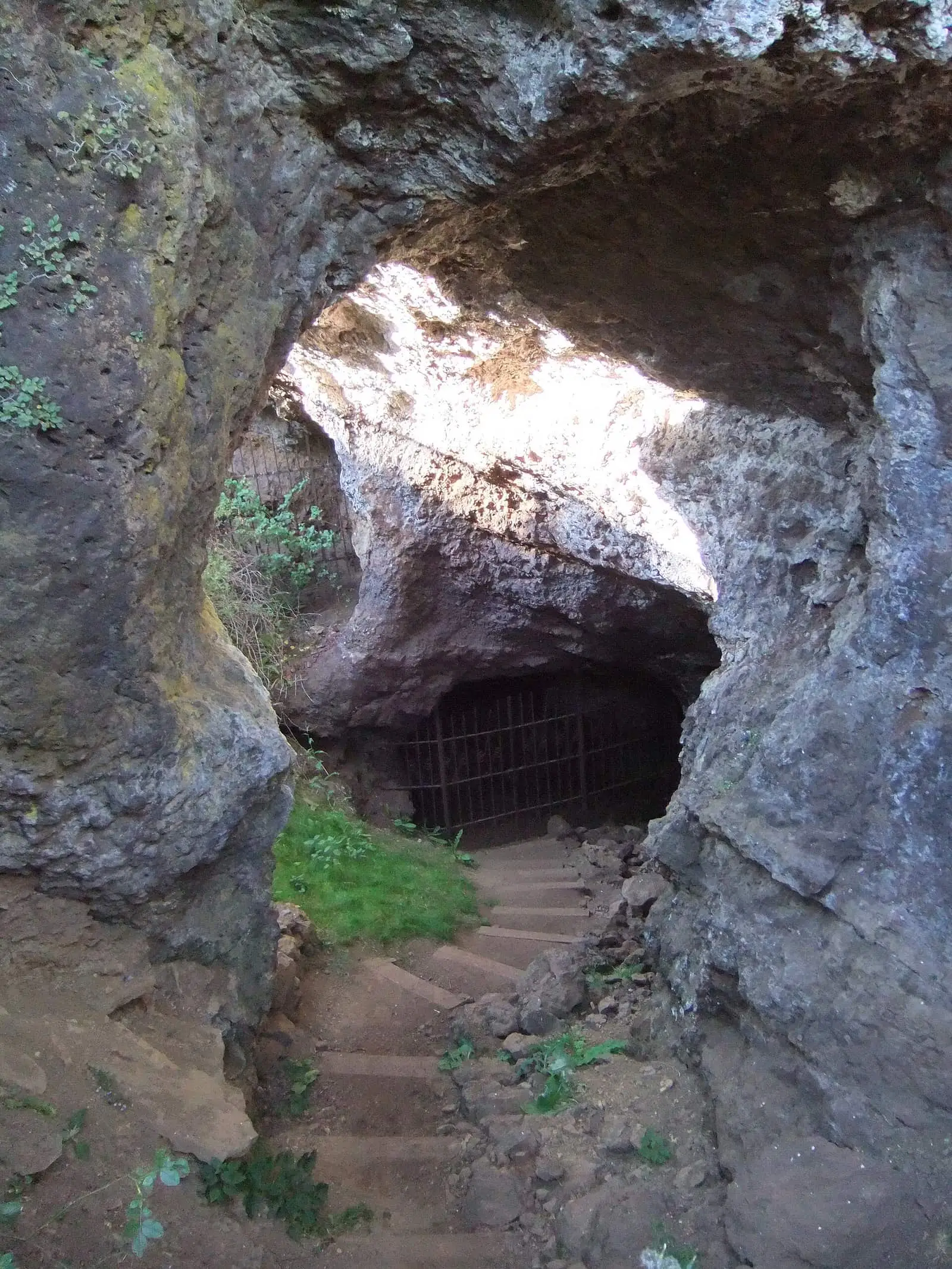
Roman mine of Cueva del Hierro
Cueva del HierroMolino de la Luz (Boniches)
BonichesFormer Cardenete flour factory
CardeneteBefore you go: The mine is visited with a guide and by booking, and the route is demanding.
1936 – 1950s
The guerrilla and the memory of the war
The hospital of El Cañizar, the camp at Cerro Moreno and the La Gavilla Verde centre in Santa Cruz de Moya tell of the war and of the AGLA guerrilla in these mountains, with names, dates and graves.
Explore this layer → · Read the story →
AGLA Guerrilla Interpretation Centre
Santa Cruz de MoyaCerro Moreno guerrilla camp
Santa Cruz de MoyaGrave of the wounded of El Cañizar hospital in Pajaroncillo
PajaroncilloBefore you go: They are places of memory and mourning: visit them with respect.
The eras
When you want to go and see it
- Check the forecast and the official notices for the protected area or the route.
- Download the map and the track: there may be no mobile signal.
- Confirm access, opening times and parking in the sources on each page.
- With children or limited mobility, consider the terrain, steps and length; «easy» does not mean accessible.