Heritage · Cardenete
Church of Nuestra Señora de la Asunción
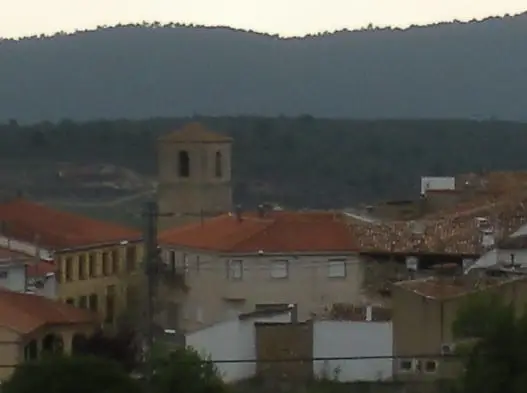
The church of La Asunción in Cardenete is a single-nave Gothic church with a polygonal east end, completed in 1554, a coffered timber ceiling with Mudéjar-inspired Plateresque mouldings, and a 17th-century tower and façade. It was declared a national historic-artistic monument in 1983. Its 18th-century Baroque organ, restored in 2013, is used for concerts.
- Municipality
- Cardenete
- La Asunción church
- Organ
- Coffered timber ceiling
- Cardenete
- Gothic
A 16th-century church
The church of La Asunción in Cardenete is Gothic, with a single nave and an octagonal east end. Building began in the 16th century and was completed in 1554. The timber roof has coffers with Plateresque mouldings recalling Mudéjar coffered ceilings. The tower and façade date from the 17th century, with restrained decoration and Doric and Ionic columns. It has been a historic-artistic monument since 1983.
The organ
The Baroque organ, in a gilded and painted case, has more than 800 pipes. It was built in 1767 or installed in 1776; both dates are in circulation. During the Civil War it was dismantled and looted, but the case survived. It was restored in 2013 and is now played in concerts.
The matraca
During Holy Week, the matraca, a wooden clapper, sounds instead of the bells. It returned to the bell tower after restoration in 2025.
Plan your visit
Before you travel
Ask the town council when the church opens or whether there is a concert.
Combine with
Cardenete castle and the Museo Micológico.
Frequently asked questions
What is distinctive about the church?
The coffered ceiling with Plateresque mouldings, inspired by Mudéjar timber roofs, and the organ in a gilded and painted Baroque case, with more than 800 pipes.
When does the organ date from?
The municipal website gives two dates: built in 1767 or installed in 1776. It was looted and dismantled during the Civil War, although the case survived, and was restored in 2013 at the initiative of the Asociación Amigos de la Iglesia.
Carry on from here
Lands and landscapes
From here, follow the memory of the land
These readings connect Church of Nuestra Señora de la Asunción with the stories, the work and the villages around it.
Where it is
Where the data on this page come from
- Name
- Ayuntamiento de Cardenete source consulted, 4 October 2026
- Junta de Comunidades de Castilla-La Mancha source consulted, 4 October 2026
- Asociación El Valle / AMIVALL, titularidad por verificar source consulted, 4 October 2026
- Municipality (INE code)
- Ayuntamiento de Cardenete source consulted, 4 October 2026
- Junta de Comunidades de Castilla-La Mancha source consulted, 4 October 2026
- Asociación El Valle / AMIVALL, titularidad por verificar source consulted, 4 October 2026
«Source consulted»: the primary source has been read. «Reference located»: the source has been identified but not yet read. «Open question»: the figure needs confirmation.