Heritage · Garaballa
Tejeda monastery
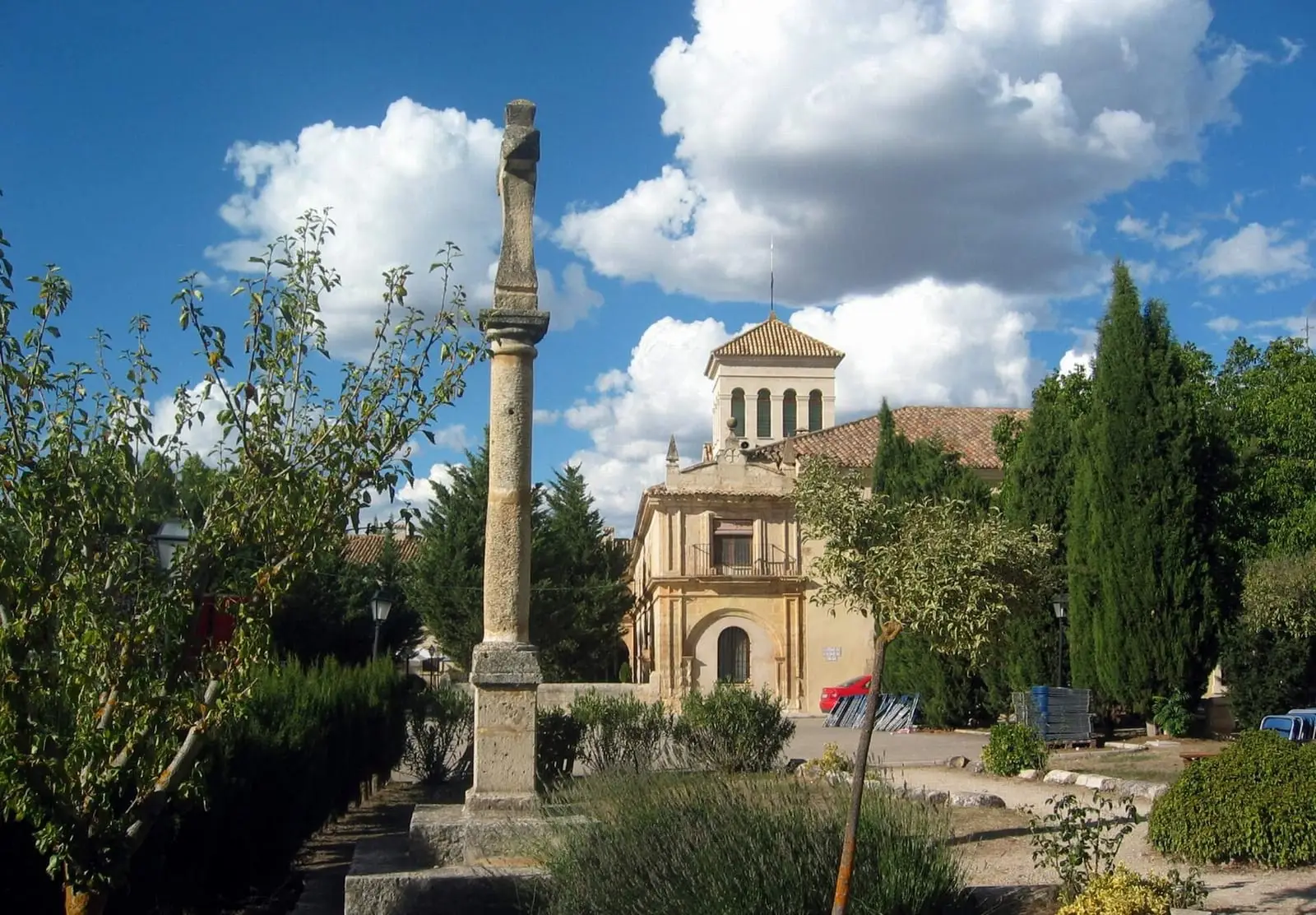
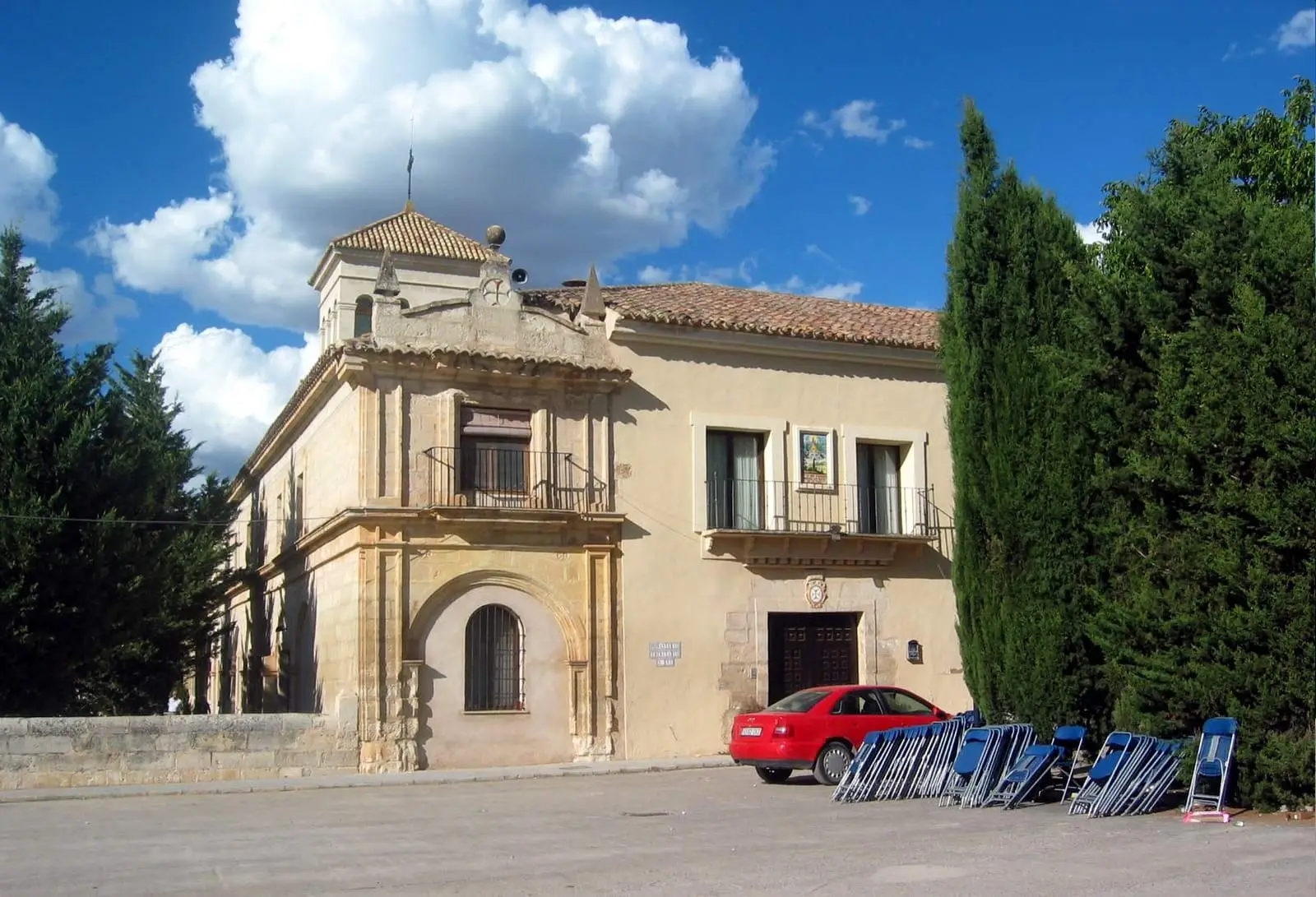
Tejeda monastery, in the municipality of Garaballa, was built in the 16th and 18th centuries, has two notable cloisters and now serves as a guesthouse. Its Marian image, deeply venerated throughout the former marquisate of Moya, is carried in procession every seven years, attracting thousands from the area and other provinces.
- Municipality
- Garaballa
- Tejeda monastery
- Garaballa
- Pilgrimage
- Marquisate of Moya
A sanctuary of the marquisate
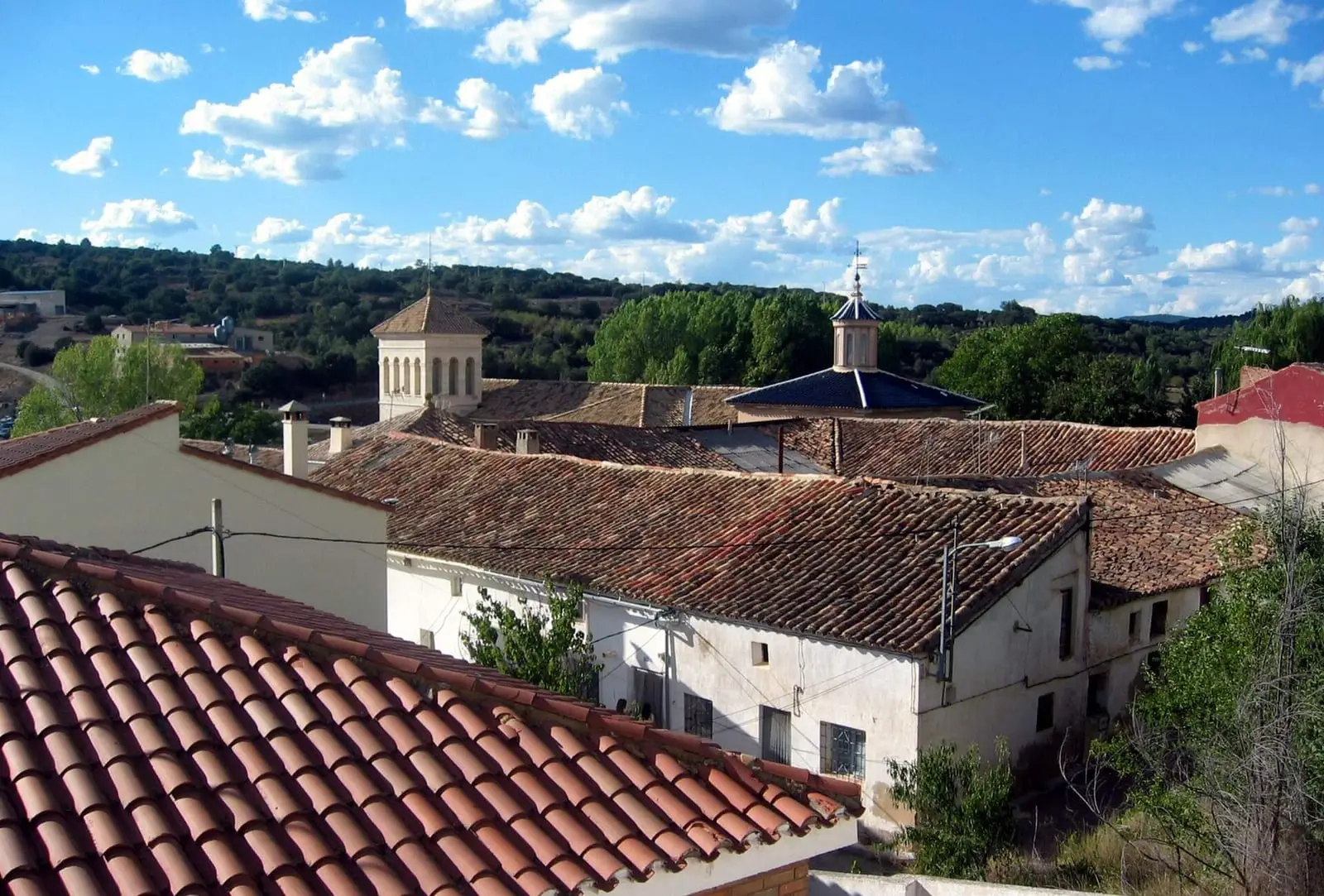
Tejeda monastery stands in the municipality of Garaballa, in the Serranía Baja (lower Serranía), among woodland with good views. Built between the 16th and 18th centuries, it has two cloisters and is now a guesthouse. It holds an image of the Virgin much loved throughout the former marquisate of Moya.
The procession every seven years
The image is carried in procession every seven years, and that day thousands arrive from the villages of the marquisate and beyond: this is the Septenario, the «subida» (ascent) of the Virgen de Tejeda to Moya. The first documented procession dates from 1639, and the 56th took place in September 2025. The image leaves the sanctuary, faces the cemetery, and the bearers raise their arms to let the dancers pass beneath. They perform stick dances, other dances and ribbon dances, always facing the Virgin, at each table where she rests. There are eight young dancers and their master. Between Garaballa and Landete there are three dance stops: a table on the municipal boundary, the one at El Soto and the one at Mijares, prepared and painted before the festival by residents of the former rentos, isolated farmsteads in the hills. In Landete the dancers rest in the church, change their clothes and ribbons and perform a stick dance in the square before continuing. The procession passes through Landete, among flower arches and castanets, and through Los Huertos and El Arrabal, with bearers from the villages of the former marquisate, to Santa María church in Moya, where the image stays nine days.
The Trinitarians built a first monastery here, whose date is disputed by chroniclers; a flood ruined it in 1516, and the second, the present building, was completed in 1581. Because of its church frescoes, some call it «la Capilla Sixtina de la Sierra» (the Sistine Chapel of the hills).
What the sanctuary held
Tradition says the Virgin appeared to a shepherd in a yew tree in the Tejeda la Vieja valley, and the name derives from the yews. A cross made from that tree’s wood was displayed in the sanctuary, and a stuffed caiman, the «hardacho de Tejeda» (Tejeda lizard), hung on a wall. According to tradition, Juan Montero, a soldier from Moya, brought it from Peru after killing it while invoking the Virgin’s protection. It disappeared during the Civil War, in 1936. From 1756 the convent’s Trinitarians also had a paper mill in the valley; their order’s cross, which watermarked each sheet, is carved in the lower cloister vaults. The story is told in the entry for Garaballa.
Plan your visit
Before you travel
Ask at the guesthouse or town council when it can be visited and when the next procession is due.
Combine with
Talayuelas, with its lake, and Landete, in the same former marquisate.


Frequently asked questions
How often is the Virgin taken out?
Every seven years, in a procession drawing thousands from the former marquisate of Moya and other provinces.
Can it be visited?
It has been converted into a guesthouse; the official entry gives no visiting hours.
Carry on from here
Lands and landscapes
From here, follow the memory of the land
These readings connect Tejeda monastery with the stories, the work and the villages around it.
Where it is
Where the data on this page come from
- Name
- Descubre Cuenca (Diputación de Cuenca) source consulted, 10 October 2026
- Village
- Descubre Cuenca (Diputación de Cuenca) source consulted, 10 October 2026
«Source consulted»: the primary source has been read. «Reference located»: the source has been identified but not yet read. «Open question»: the figure needs confirmation.