Heritage · Cañete
Hermitage of the Virgen de la Zarza
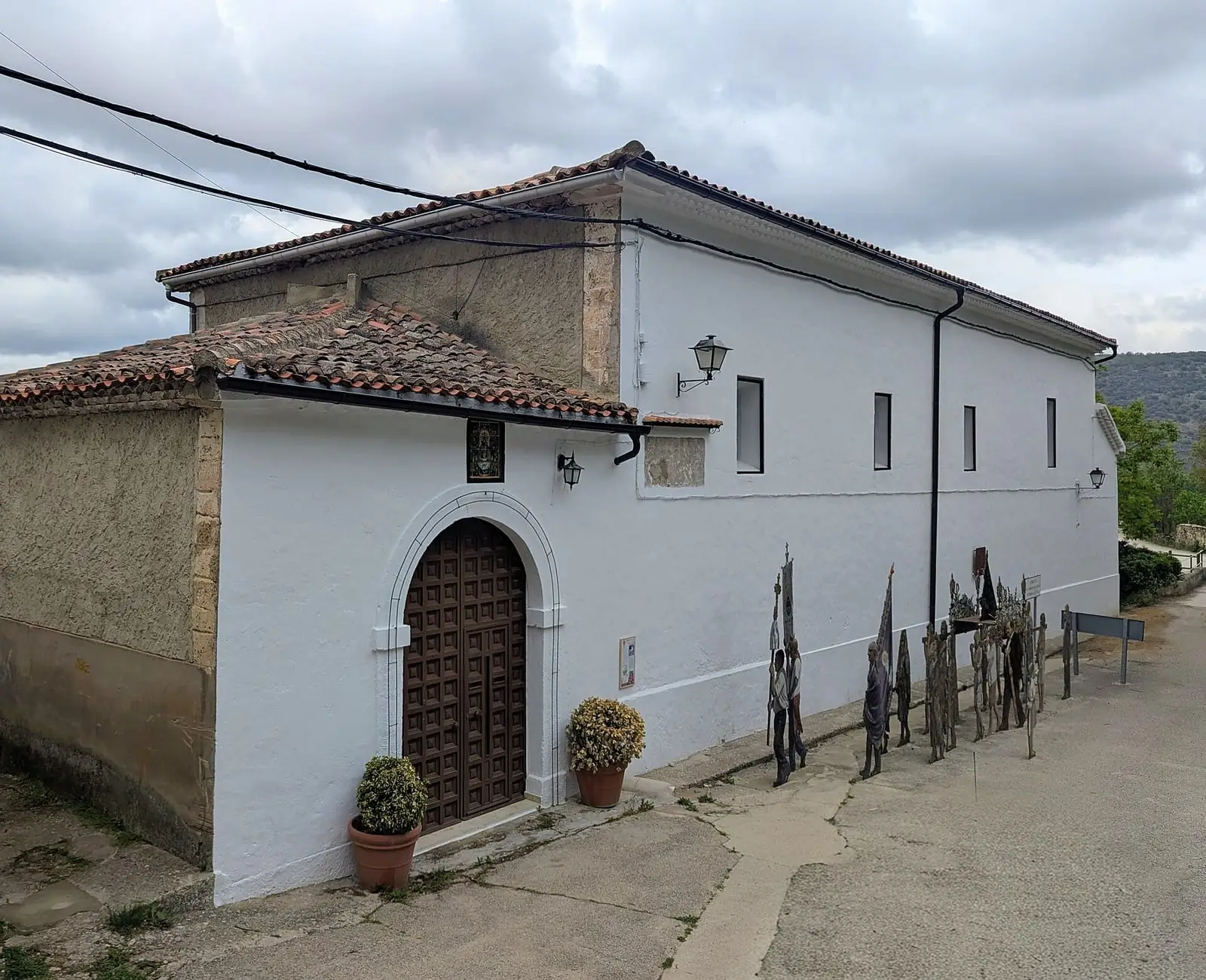
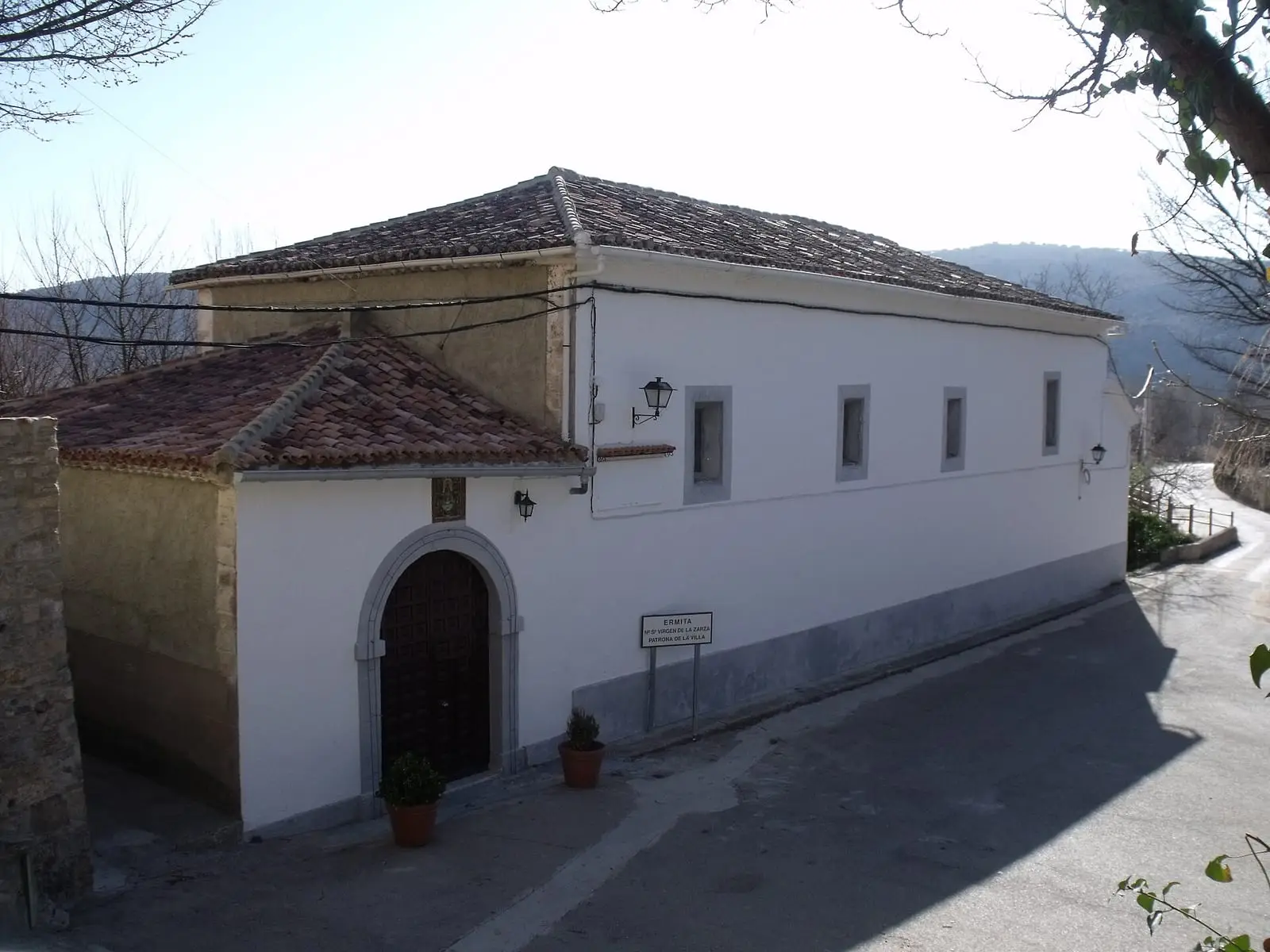
Virgen de la Zarza hermitage, dedicated to Cañete's patron saint, stands outside the walls beside her namesake gate. Tradition traces it to an image appearing on brambles between the 13th and 14th centuries. Today's hermitage is rural Baroque from the 17th and 18th centuries; its festival is 7–12 September, and mayos, May songs, are sung on 30 April.
- Municipality
- Cañete
- Virgen de la Zarza
- Hermitage
- Legend
- May songs
- Cañete
The hermitage
It stands outside Cañete’s walls beside Puerta de la Virgen. Tradition says an image appeared on brambles between the 13th and 14th centuries and a small hermitage was built almost against the wall. Today’s was rebuilt in the 17th and 18th centuries, in rural Baroque, larger and sturdier. The first retains a freestanding bell gable, built on a stretch of Islamic wall.
A four-bay nave with an image chamber, a plain round-arched doorway and striking bearing blocks in the choir. The Virgin’s carving is Romanesque, transitional to Gothic, heavily repainted later and dressed in Baroque times.
The frontier legend
The image is said to have stood on Castielfabib fortress-church’s gate, appearing one night in Cañete. Castielfabib’s people claimed it, besieged the town without taking it and were defeated by Castilian frontier villages. An agreement was reached: Castielfabib gave up the Virgin and Cañete gave it the iron leaves of its gate, thereafter called La Virgen. Behind the legend are disputes over boundaries, grazing and livestock between 1250 and 1340.
Festivities
The Virgin’s festival runs 7–12 September. On 30 April the mayos, May songs, are sung to her.
Plan your visit
Combine with
Below descends the gorge of El Postigo, with Pozo de la Horca waterfall.

Frequently asked questions
When is the festival?
The Virgin's festival is 7–12 September, and the mayos, May songs, are sung on 30 April.
What does the legend tell?
The image stood on the gate of Castielfabib's fortress-church in the kingdom of Valencia and appeared overnight in Cañete. Returned, it moved again. Castiel's people besieged the town without taking it and were defeated by Castilian frontier villages; an agreement gave up the image and Cañete ceded the iron-clad gate leaves, the gate thereafter called La Virgen.
Carry on from here
Lands and landscapes
From here, follow the memory of the land
These readings connect Hermitage of the Virgen de la Zarza with the stories, the work and the villages around it.
Where it is
Where the data on this page come from
- Name
- Ayuntamiento de Cañete source consulted, 5 October 2026
- Municipality (INE code)
- Ayuntamiento de Cañete source consulted, 5 October 2026
«Source consulted»: the primary source has been read. «Reference located»: the source has been identified but not yet read. «Open question»: the figure needs confirmation.