Heritage · Cañete
Plaza Mayor of Cañete
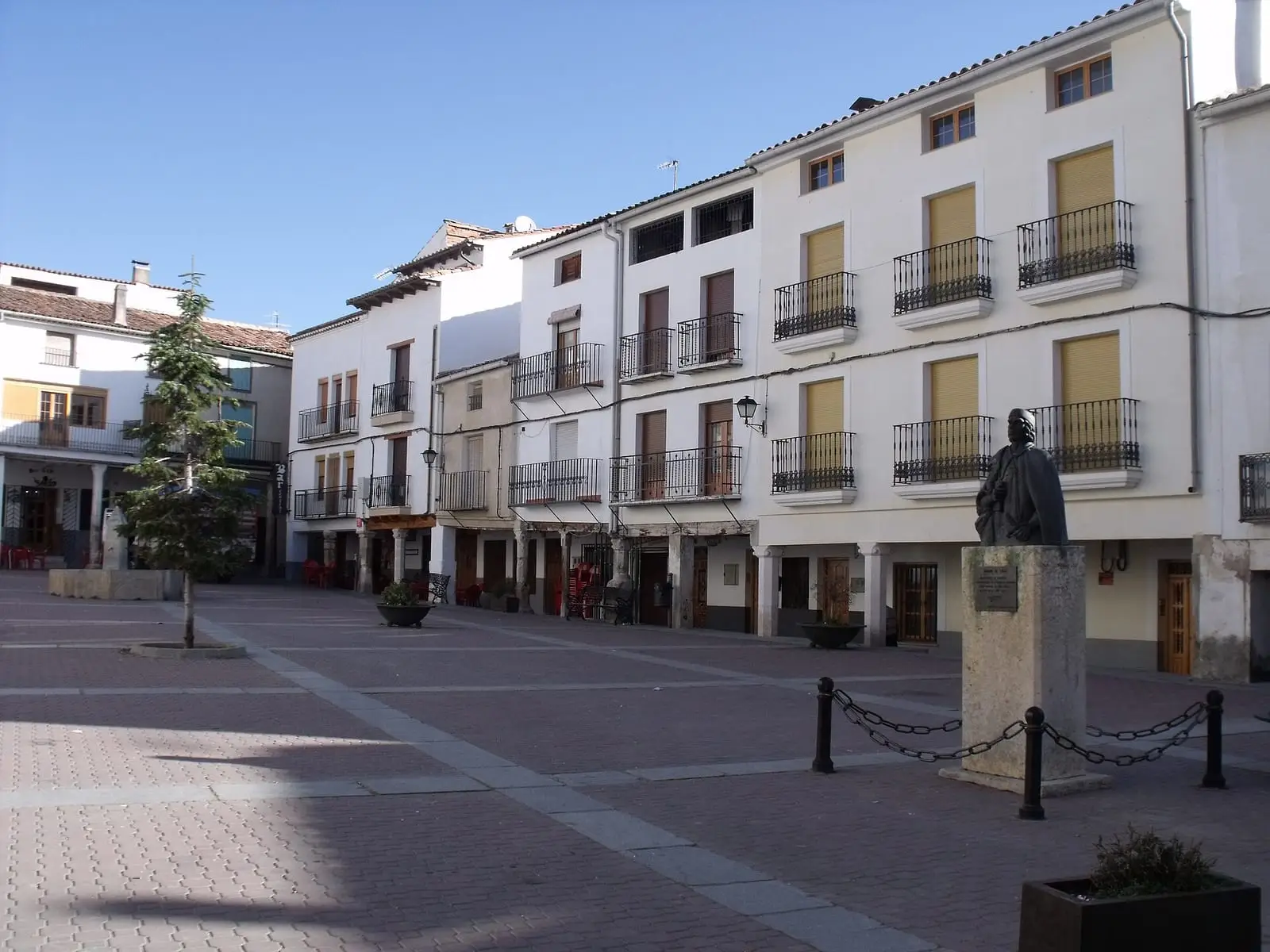
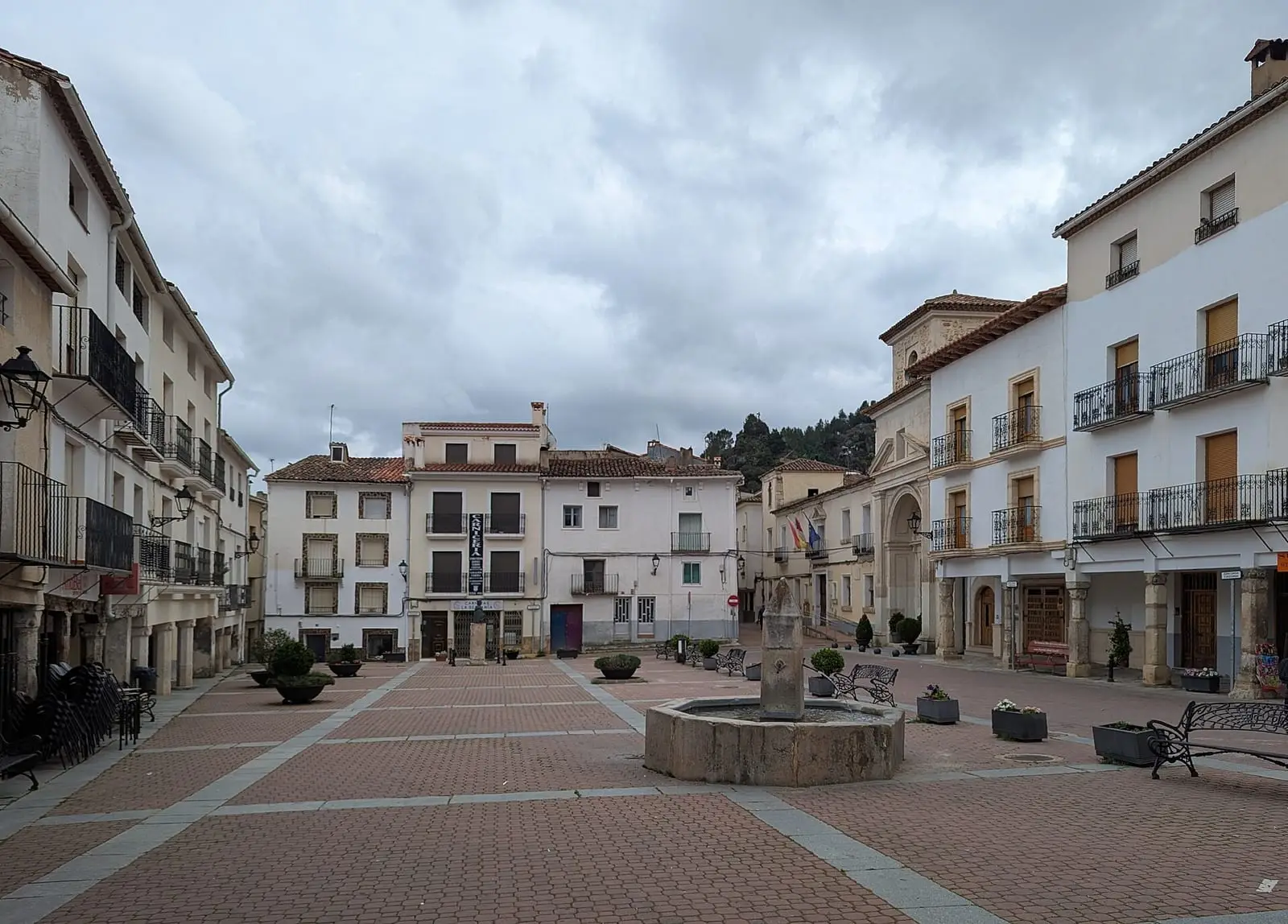
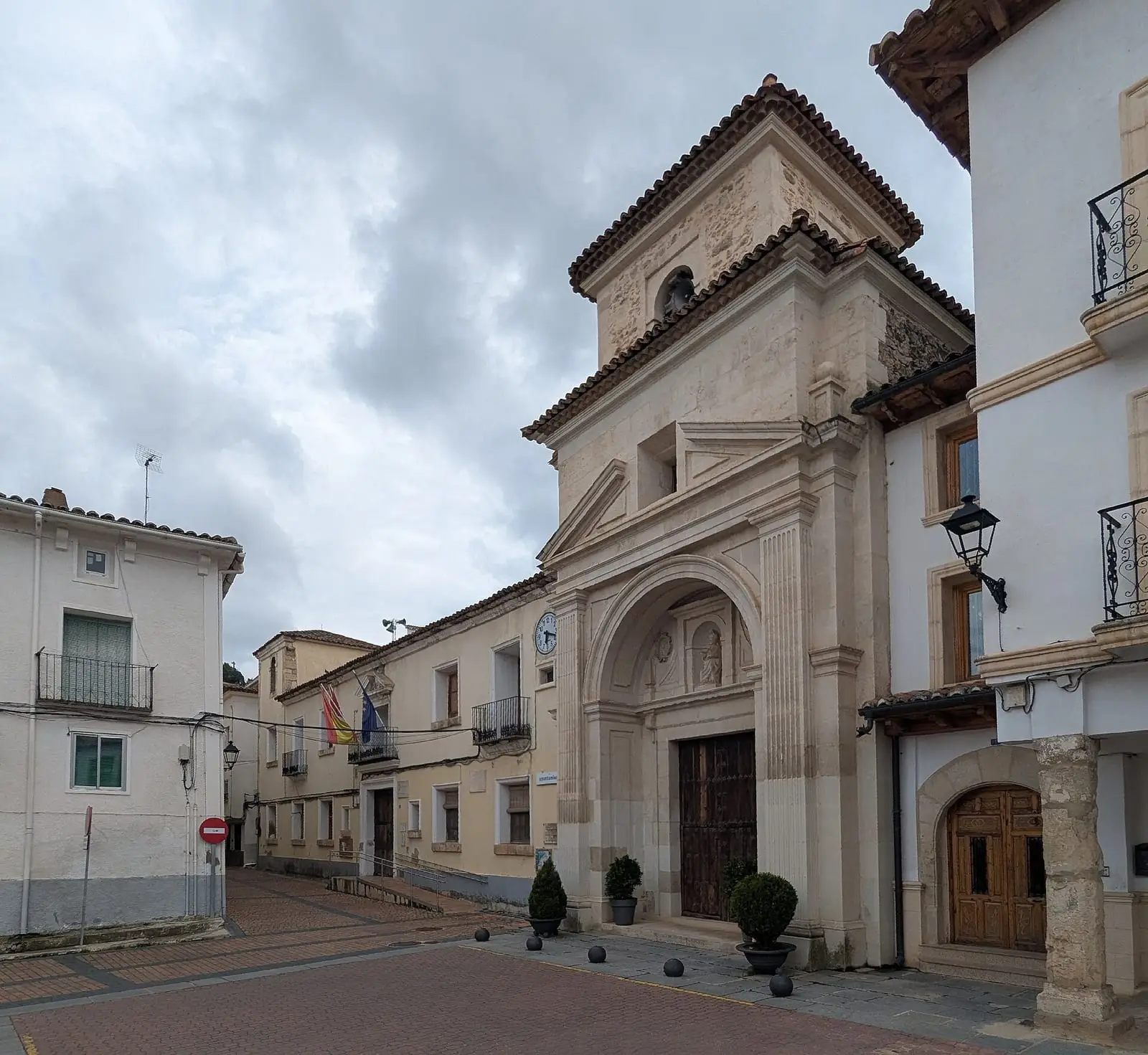
Cañete's Plaza Mayor is an arcaded square of medieval layout, an irregular trapezium with arcades on 15th-century stone piers. It held the weekly market, military musters and calls to war under the council banner; executions took place at the lord's jurisdictional column, demolished in the 19th century. Today the town hall and San Julián church enclose it.
- Municipality
- Cañete
- Plaza Mayor
- Arcades
- Cañete
- Market
- Álvaro de Luna
A square opened among buildings
The Plaza Mayor of Cañete is arcaded, with an irregular trapezium plan. It was opened among the houses in the Middle Ages and has barely changed: its present form dates from the late Middle Ages, probably from an enlargement by a lord in the 14th or 15th century. Only two buildings have a grand appearance, the town hall and the church of San Julián, once the two halves of the former grammar college. The rest are ordinary houses above the arcades.
The town’s centre
For centuries everything happened here: the weekly market, the more prestigious shops, the festivals. From the square, men were called to war under the council banner, cavalry and infantry musters were held, and punishment was inflicted at the jurisdictional column or pillory, demolished in the 19th century. Processions from Santiago, Santa María and San Andrés arrived here; the latter two parishes no longer exist.
The council
During the High Middle Ages the council met in a church forecourt or in the square itself; in the 14th century it sought indoor premises and eventually settled in the grammar college. Under Moya’s fuero (town charter), Cañete had two mayors, an annually appointed judge, bailiffs and an almotacén (market inspector), appointed by the lord; almost always the Hurtado de Mendoza family, who held the town for almost five centuries.
Plan your visit
Combine with
From the square, continue on foot to El Postigo, the gates in the town wall and the castle.


Frequently asked questions
When does the square date from?
It may date from the 14th century or earlier. Major changes to the elevations were made in the 15th century, when most stone piers were built. No documentation predates the 16th century; assigning it Muslim or 12th- or 13th-century Castilian origins is risky.
What is in the centre?
Cañete's fountain and a monument to Álvaro de Luna, favourite of Juan II of Castilla.
Carry on from here
Lands and landscapes
From here, follow the memory of the land
These readings connect Plaza Mayor of Cañete with the stories, the work and the villages around it.
Where it is
Where the data on this page come from
- Name
- Ayuntamiento de Cañete source consulted, 5 October 2026
- Municipality (INE code)
- Ayuntamiento de Cañete source consulted, 5 October 2026
«Source consulted»: the primary source has been read. «Reference located»: the source has been identified but not yet read. «Open question»: the figure needs confirmation.