Archaeological site · Villar del Humo
Villar del Humo rock-art shelters
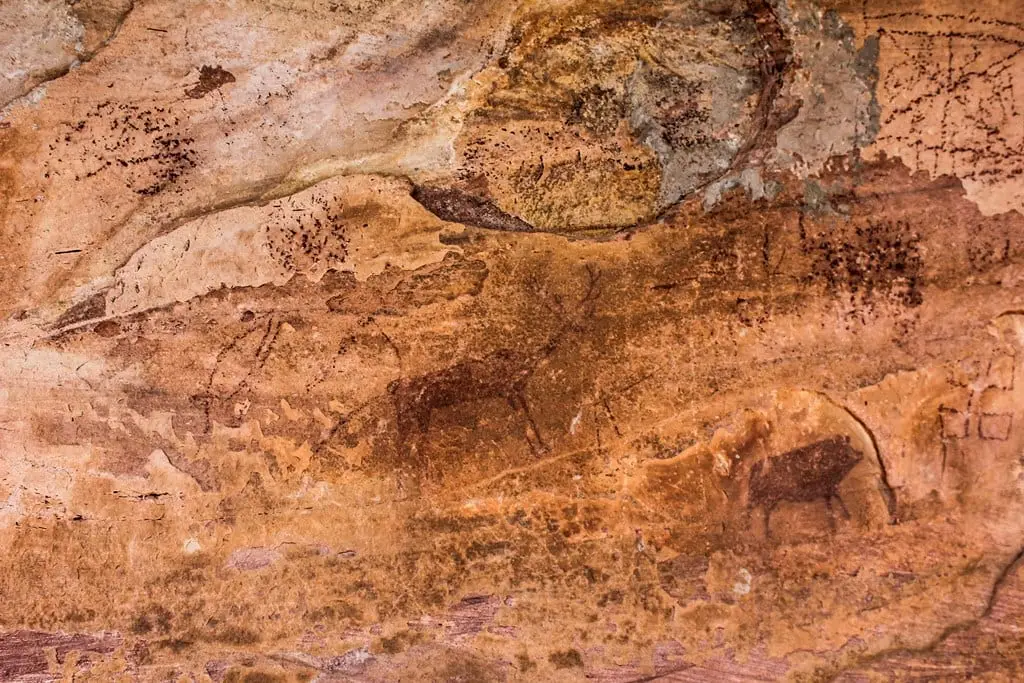
Villar del Humo's rock-art shelters comprise 31 painted sites, with Levantine and schematic art approximately 8,000 to 3,500 years old, according to the regional Culture department. They form part of the Rock Art of the Mediterranean Basin on the Iberian Peninsula, inscribed by UNESCO in 1998.
- Municipality
- Villar del Humo
- Rock art
- UNESCO
- Villar del Humo
- Peña del Escrito
- Marmalo
Thirty-one shelters in Sierra de las Cuerdas
A small area contains 31 painted sites: 10 in the Anear rambla, 10 in Peña del Escrito and Los Brazales, 6 in the Marmalo valley and 5 in the Vencherque valley. They are between 8,000 and 3,500 years old. All are Bienes de Interés Cultural (Spain’s highest heritage listing) and part of the Mediterranean Basin rock art, World Heritage since 1998.
Two ways of painting
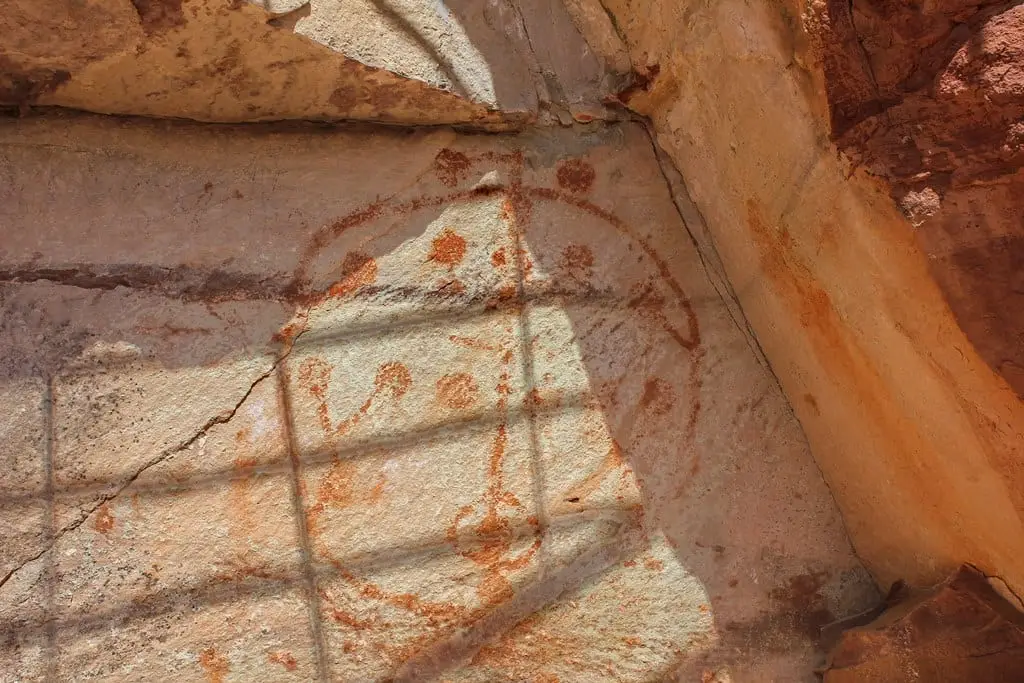
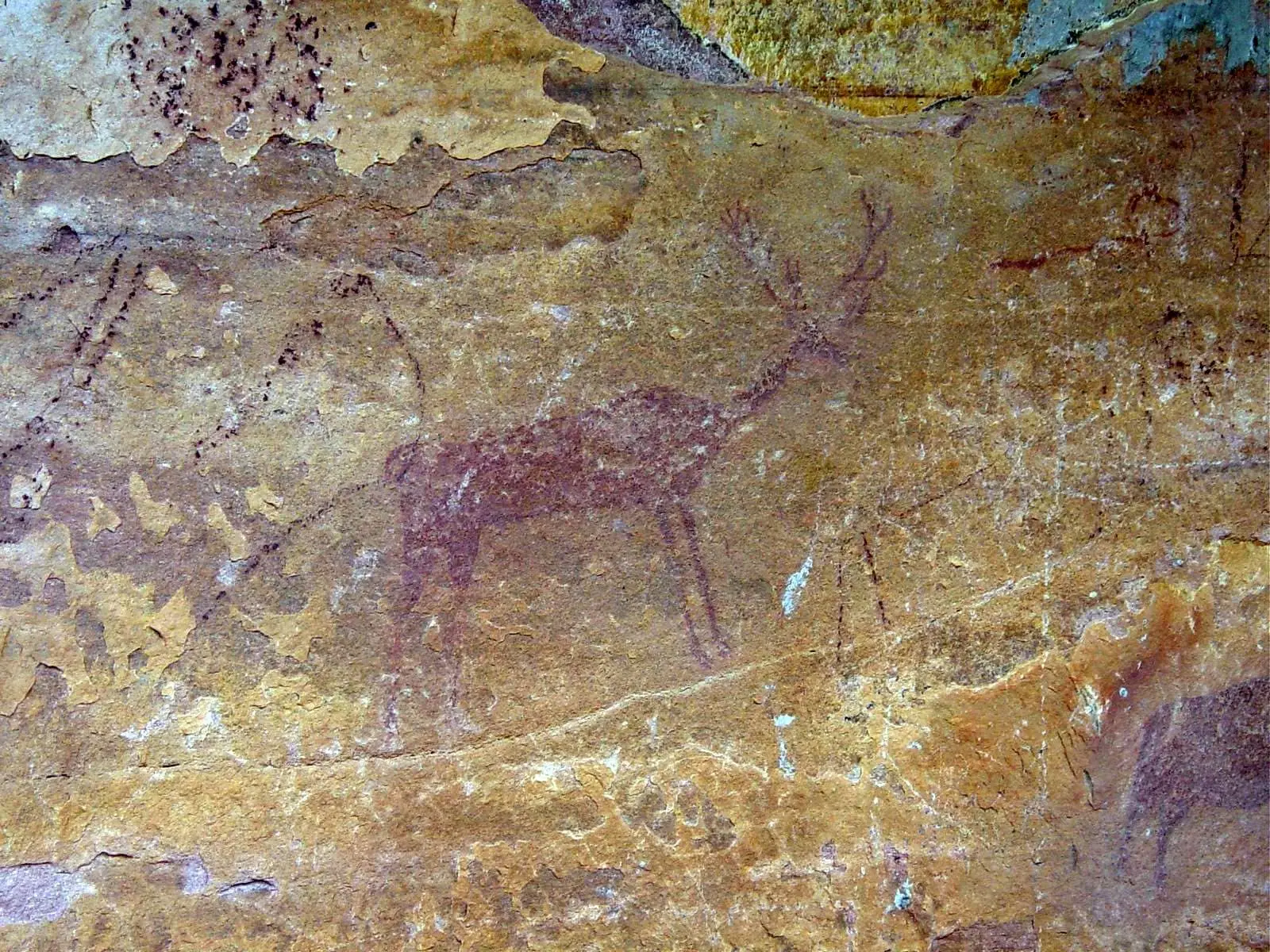
The Levantine style centres on people: hunting, gathering, war and dance, with highly stylised figures and game animals, deer, wild goats, bulls, wild boar and horses, almost always in fine red lines. The schematic style reduces people and animals to signs: dots, lines, zigzags and snake-like forms, in brighter reds. Here they mix: the Levantine figures were painted first, with schematic ones added around them.
Three shelters
- Peña del Escrito, with 170 figures.
- Marmalo, with five sites.
- Selva Pascuala, with a large bovid and a sun.
Plan your visit
Start at the Sierra de las Cuerdas interpretation centre, explaining who painted: hunter-gatherers and early farmers. It has parking, an exhibition and an audiovisual presentation.
Before you travel
Check times and prices on the Villatur Cuenca website. The paintings are exposed and fragile: do not touch, wet or trace them.
Combine with
The village of Villar del Humo and, nearby, the Henarejos shelters.


Frequently asked questions
Which are the main shelters?
Peña del Escrito, with 170 figures; Marmalo, with five sites; and Selva Pascuala, with a large bovid and a solar depiction.
Where should you start?
At the Sierra de las Cuerdas Interpretation Centre, according to Castilla-La Mancha Tourism.
Carry on from here
Lands and landscapes
From here, follow the memory of the land
These readings connect Villar del Humo rock-art shelters with the stories, the work and the villages around it.
This place through time
Which eras you can read here
A single place can keep traces of several periods. These layers connect what you see with the atlas's stories.
Where it is
Where the data on this page come from
- Name
- Turismo Castilla-La Mancha source consulted, 4 October 2026
- Turismo de Cuenca / Ayuntamiento de Cuenca source consulted, 4 October 2026
- Ayuntamiento de Cañete source consulted, 5 October 2026
- Ayuntamiento de Huerta del Marquesado source consulted, 5 October 2026
- «Arte rupestre en Villar del Humo» source consulted
- UNESCO World Heritage Centre: «Rock Art of the Mediterranean Basin on the Iberian Peninsula» (1998) source consulted
- Municipality (INE code)
- Turismo de Cuenca / Ayuntamiento de Cuenca source consulted, 4 October 2026
- Ayuntamiento de Cañete source consulted, 5 October 2026
- Ayuntamiento de Huerta del Marquesado source consulted, 5 October 2026
- «Arte rupestre en Villar del Humo» source consulted
- UNESCO World Heritage Centre: «Rock Art of the Mediterranean Basin on the Iberian Peninsula» (1998) source consulted
«Source consulted»: the primary source has been read. «Reference located»: the source has been identified but not yet read. «Open question»: the figure needs confirmation.