Episode · late 1950s – 1970s · The emptying
Studying in Landete: grants, a residence and three hundred students
In the late 1950s, when studying for the bachillerato meant moving to the city, Landete gained secondary education through the efforts of Claudio Novella, the council secretary and later mayor. Students from elsewhere lived in village houses and in the Colegio Menor Andrés de Cabrera, approved in 1964, and grants brought students from across the province and others in Spain. The village came to have more than three hundred.
On this page 6 sections
A village without a secondary school
In the late 1950s, a boy or girl from a village in the Serranía Baja (lower Serranía) who wanted to study for the bachillerato, the secondary school qualification, had to move to Cuenca, Teruel or Valencia, and few families could afford it. In Landete, the council secretary, Claudio Novella Sánchez, who later became mayor, was determined that they should be able to study there. He spoke to the vet, the cooperative, the town council and the institutions of the time, and the village gained a colegio libre, a school whose pupils took external examinations: classes were taught in Landete and teachers from the Instituto Alfonso VIII in Cuenca came to hold examinations at the end of the school year.
Where to sleep
Accommodation was the problem. The first students from elsewhere lived in private houses, in a manor house and in the youth centre. Then the residence was built, with money and unpaid days of work contributed by villagers: the Colegio Menor Andrés de Cabrera, which the Ministry approved in 1964 when it was already operating, with 84 places, later increased to a hundred. There was another residence, La Verde, beside the river, and even then applications had to be turned down for lack of space. Between residents, students lodging in houses and children who came daily from nearby villages, on foot or by bicycle, Landete came to have more than three hundred young people studying.
Grants and letters
Novella wrote to town councils in the province and elsewhere to offer places with grants covering tuition and residence; families paid for the journey. They came from Cádiz, Navarra, Segovia, Teruel, Soria, La Roda or Murcia, and some from much further away. For some students from Navarra the journey was through Zaragoza, Teruel and Cañete, and from there to Landete. According to former students’ accounts, Novella called families to congratulate them on good marks and also to warn them when something was going wrong.
What remained
Besides the bachillerato, trades such as electrical work were learnt in the village workshops in the afternoons, and there were sports and activities. Teachers, technicians, doctors, vets and lawyers came out of it. The village felt it too: shops, bakeries, butchers and the houses that took in students lived partly from them. Former students published a magazine and, from what they have told the chronicler of Moya, remember those years well.
Vocabulary
- Colegio libre
- A school that taught classes without being an official secondary school; examinations were set by teachers from a secondary school.
- Colegio menor
- A student residence providing accommodation, meals and activities, separate from the school where classes were taught.
Where it is today
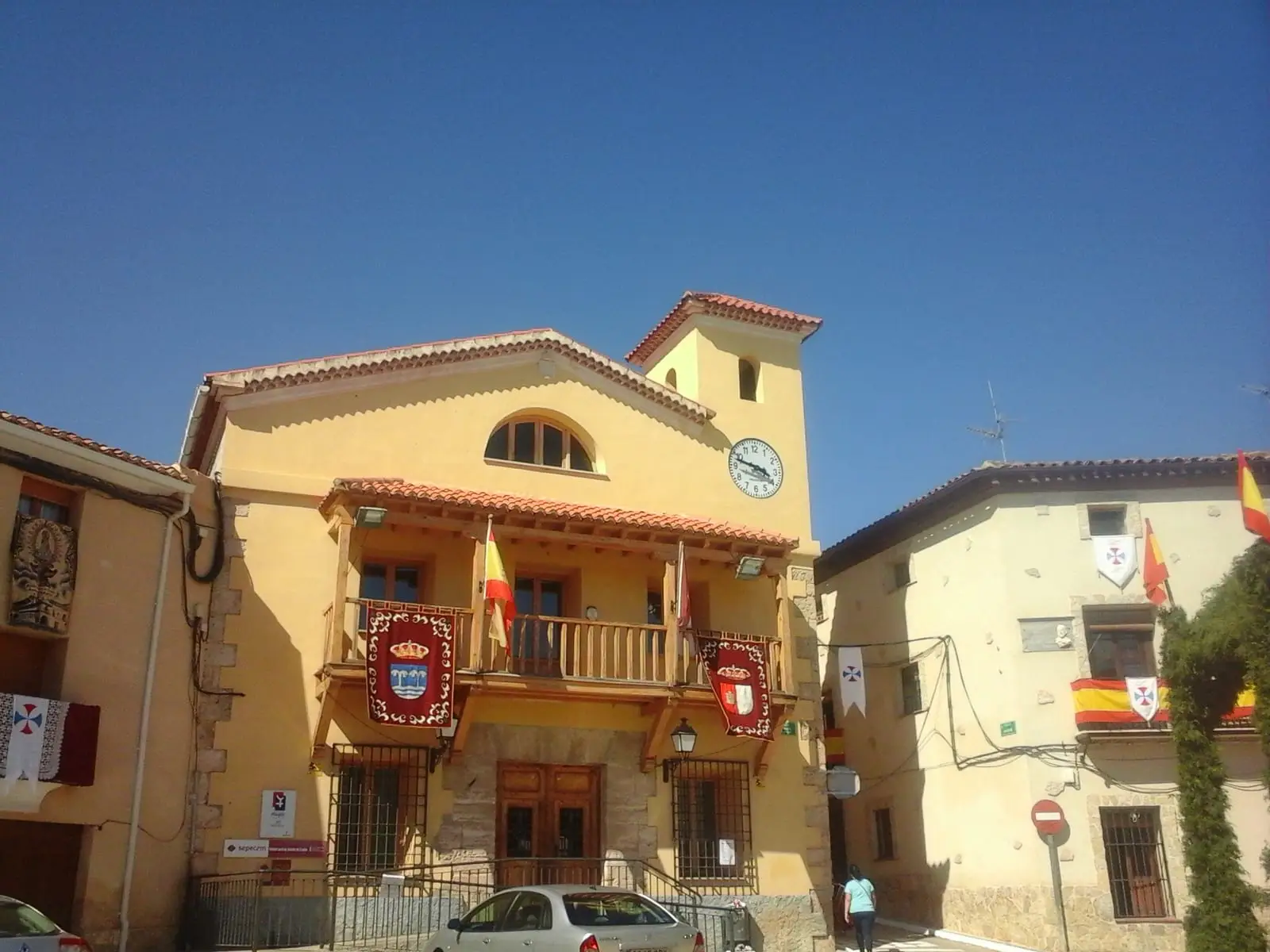
Frequently asked questions
What was the Colegio Menor Andrés de Cabrera?
Landete's student residence, approved by the Ministry of Education in 1964 with 84 places, later a hundred. It housed students from elsewhere who came to study for the bachillerato in the village.
Who was Claudio Novella?
The secretary of Landete Town Council, and later mayor, who in the late 1950s mobilised the village and institutions to bring secondary education and establish the residence.
Sources and reading
- Hoy por Hoy Cuenca, Cadena SER: «Landete, el pueblo de Cuenca que fue faro educativo en la España de los años 60» (19-02-2026, con audio) source consulted · Interview with Mariano López Marín, chronicler of Moya and Salvacañete, about his research based on former students' accounts.
- Centro de Estudios del Marquesado de Moya: homenaje póstumo a D. Claudio Novella reference located · Located; not read.
Open questions
- Exact dates of the application for and opening of secondary education, and the buildings where classes were held.
- When the system of grants and residence ended: the interview does not make this clear.
- The 84 and 100 places refer to the residence; the more than three hundred students include those living in private houses and those from nearby villages.