Village · Cuenca
Valdemorillo de la Sierra
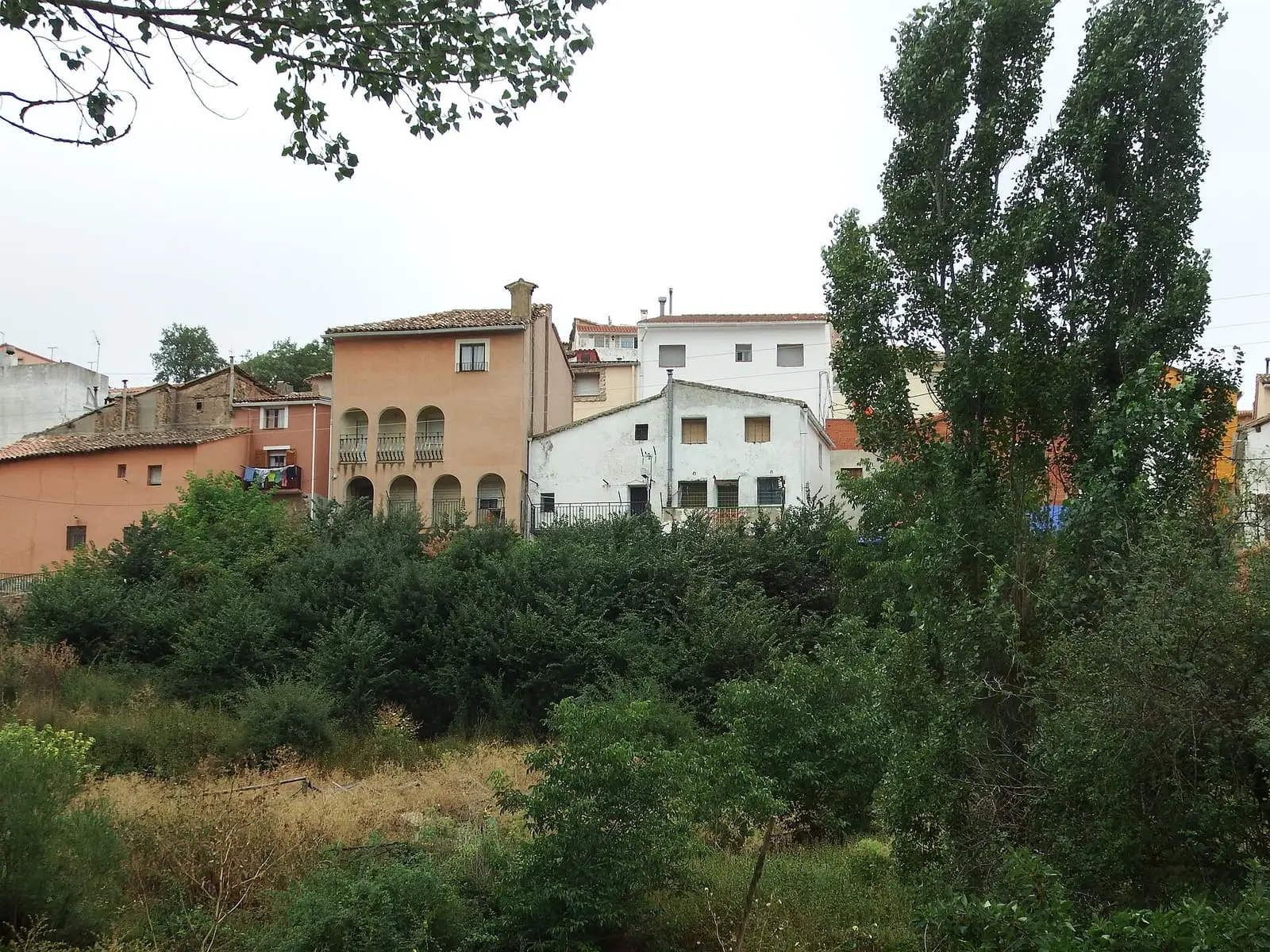
Valdemorillo de la Sierra is a village in Serranía Baja (lower Serranía), within the Valle del Cabriel Biosphere Reserve, of pine woods, scrub and farmland, long tied to woodland and livestock. Until 1916 it was called simply Valdemorillo. It had 510 inhabitants in 1930 and 59 in 2021.
On this page 7 sections
A village of woodland and livestock
Valdemorillo de la Sierra lies in Serranía Baja (lower Serranía), among pine-covered and scrub-covered hills, with traditional farmland. Its municipality, about 70 km², lies within the Valle del Cabriel Biosphere Reserve. People lived from woodland and livestock. The rubble-stone houses have pitched roofs for the mountain climate, and the church is the village centre. Until 1916 it was called simply Valdemorillo.
No free time
Pedro Villar López, a teacher born in the village, has written its history and a book on its speech, and in Revista Moya described how Valdemorillo amused itself until the mid-20th century. In fact there was scarcely free time: when weather prevented fieldwork, people repaired implements, split firewood or mended stables and hay barns. Every house had livestock, so men returned late and wanted to sit beside the fire; many went to the tavern, called the Casino by older people, only during the San Roque festivities. Brisca and tute card games were played there, while women gathered in a house to play cinquillo.
Strength dominated the festivities: iron-bar throwing, prepalo, reja, stick pulling, «arráncate cepas» (uproot the stumps), skittles and hand pelota against a house wall on the square. When someone won a public auction they treated others to the alboroque, a celebratory meal, and the main dish was jilimoje, a salad of crushed raw tomato with tinned tuna or sardines, onion, hard-boiled egg and olives. Until the 1960s travelling performers came with trained animals, asking at the end for the «plato de la esperanza» (plate of hope), and from the 1930s travelling cinema arrived: a white sheet in the dance hall, everyone bringing a chair from home, for two or three nights running.
At Carnival the priest and village officer went out collecting for the souls of the dead, with a small bell, and a meal for everyone was made from what they gathered; people in costume went about with flour and smoke. The story is told in Carnival of souls and St John’s Night.
People from Valdemorillo are called coruchos, and no one quite knows why. Two explanations circulate in the village: one concerns a bird fitted with a little hood, another a procession caught in rain whose villagers covered themselves with hoods. Neither has a date or documents; they are versions people tell.
Plan your visit
A village to explore at an unhurried pace, on a day through Serranía Baja.
Before you travel
Ask the town hall what can be visited.
Combine with
La Cierva, with Las Hoyas, is 6.3 km away in a straight line, and Valdemoro-Sierra 7 km.
Frequently asked questions
Why is it called «de la Sierra» (of the mountains)?
Until the municipal naming reform published by the Gaceta de Madrid on 2 July 1916, the municipality was called Valdemorillo. The addition distinguishes municipalities with repeated names.
How many inhabitants does it have?
59 in the 2021 census. Its peak was 510 in 1930, according to the INE.
Carry on from here
The rivers, zones, eras, places and official routes that the atlas links with Valdemorillo de la Sierra.
Lands and landscapes
From here, follow the memory of the land
These readings connect Valdemorillo de la Sierra with the stories, the work and the villages around it.
Near Valdemorillo de la Sierra
Las Hoyas
La Cierva
Fuente del Royo picnic area
Huerta del Marquesado
Prao de San Roque picnic area
Huerta del MarquesadoSee 5 more
Paisaje Ilustrado of Huerta del Marquesado
Huerta del Marquesado
Fuente de la Ardilla picnic area
Valdemeca
Beamud viewpoint
Beamud
Fuente de los Pastores picnic area
Beamud
Valdemeca Visitor Reception Centre
ValdemecaPopulation of Valdemorillo de la Sierra, 1842–2021
Valdemorillo de la Sierra reached 510 inhabitants in 1930. The 2021 census counted 59, 88 % fewer. It is the story told in the emptying.
Location
● Reference point · ● Villages · ● Places · ━ Routes nearby
Location sketch. The map with paths and names loads as you scroll to it.
Approximate position: village centre.
Reference villages: La Cierva · Valdemoro-Sierra · Pajarón · Campillos-Sierra.
Open the full map and its historical layers →Where the data on this page come from
- Location
- IGN: Nomenclátor Geográfico Básico de España, capital de municipio (CC BY 4.0) source consulted, 9 October 2026
«Source consulted»: the primary source has been read. «Reference located»: the source has been identified but not yet read. «Open question»: the figure needs confirmation.