Trade · before 1936 – today · Carlists, Madoz and disentailment
Carnival for the ánimas and San Juan night
Before the Civil War, villages in the Serranía Baja celebrated carnival with masks, flour and smoke, and in many they collected donations from houses for the souls in purgatory and then auctioned what they had gathered. After the war, covering the face was banned and the celebration disappeared or changed. At San Juan, clothes were taken from chests into the sun, young women washed their faces at springs and legends were told of enchanted princesses beside the water.
On this page 6 sections
Masks, flour and smoke
Until the Civil War, carnival was the young men’s celebration. In Salvacañete they dressed up with what they had at home as people they saw passing through the village: pedlars, dealers, the travelling entertainers they called «húngaros» (Hungarians). They went out with their faces covered or blackened, sang to ask the mayor’s permission from the square and serenaded the young women with courting songs, mayos (May songs) or harvest songs, asking for a donation. In Valdemorillo de la Sierra people mainly remember the flour and smoke they threw at one another.
This was recorded in 1973 by a young man from Salvacañete, then studying to be a teacher, who would later become its chronicler, Mariano López Marín, by asking older people and writing down their songs.
For the ánimas
In many villages carnival was also a time to collect for the ánimas, souls in purgatory. In Boniches potatoes, bacon, fruit and nuts were collected on Shrove Tuesday. In Campillos-Sierra, wheat, beans, pigs’ trotters, eggs and potatoes, later auctioned in the square. In Tejadillos everything was taken to the priest’s house and auctioned on the Tuesday of carrastoliendas, the local name for carnival. In Valdemorillo the priest and the village officer collected with a little bell, and what they gathered was used to make a meal for everyone.
In Campillos-Paravientos two alcaldes de ánimas, carnival mayors for the souls, were in charge, with hats and cudgels. They charged to stop the dancing or let it continue, issued absurd proclamations at night, such as sending someone to the spring with a sieve, and could force a masked person to reveal their identity.
In Carboneras de Guadazaón the celebration continues. A fortnight beforehand, the animeros, collectors for the souls, go from house to house at night, striking doors with a cudgel; on Jueves Lardero, the Thursday before Lent, the devil comes out, a botarga, a costumed character with horns, a tail and castanets who tries to take what they have collected until the priest defeats him with the cross, and on Sunday everything is auctioned for the parish.
Without masks
After the war, going out with the face covered was banned. In most villages carnival disappeared; in Cañete it continued, but with faces uncovered. Then emigration took away those who might have revived it. Something remains: in 2024 some people in Fuentelespino de Moya still collected for the ánimas, and in Santa Cruz de Moya the winter festivities continued, from San Blas to Santa Águeda.
San Juan morning
Early on 24 June, women opened the arcas, clothes chests, and took the clothes out into the sun to keep moths away. Young women went to wash their faces at the springs, believing that it preserved their complexion, and elder was gathered and dried for colds, and horehound, which was put in stables and henhouses against lice.
Legends were told beside the water. Near the Cabriel, in Salvacañete, beside rocks called El Rey and La Reina, an enchanted princess appears every hundred years and offers passers-by a choice between herself and a golden comb. In Fuentelespino de Moya another princess lives at the Fuente de los Villares. San Juan proverbs spoke of rain, wine and love. In 2025, the man who had recorded them considered almost all these customs lost.
Words of the trade
- Ánimas
- Souls in purgatory: donations collected in their name were auctioned or given to the parish for masses.
- Carrastoliendas
- A popular form of carnestolendas, the carnival days, in Tejadillos.
- Alcaldes de ánimas
- Carnival characters in Campillos-Paravientos who ran the celebration, with hats and cudgels; they were not real mayors.
- Arca
- A chest where clothes were kept; at San Juan it was opened and the clothes taken out into the sun.
Where it is today
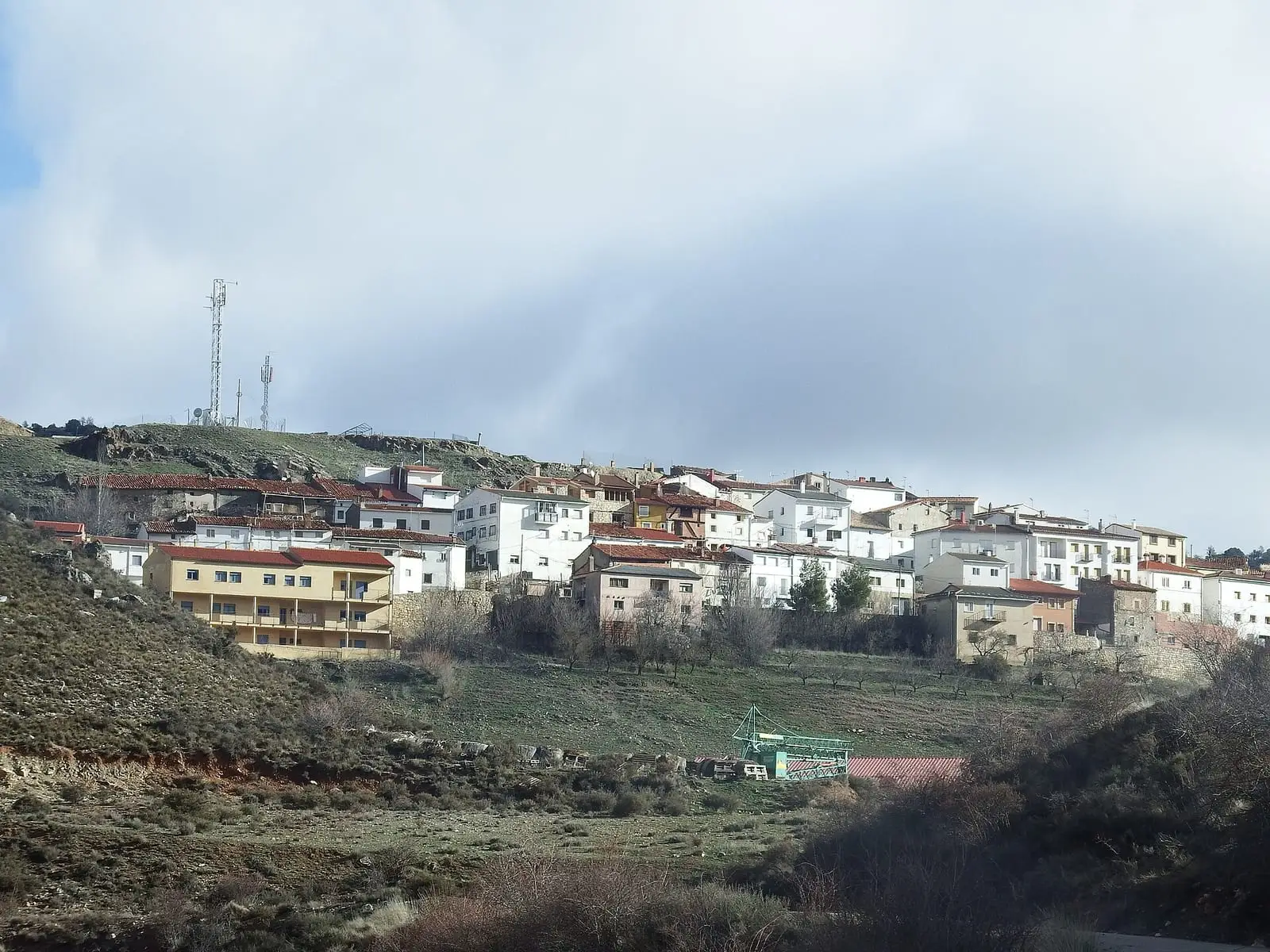
Salvacañete
Cuenca · 1 places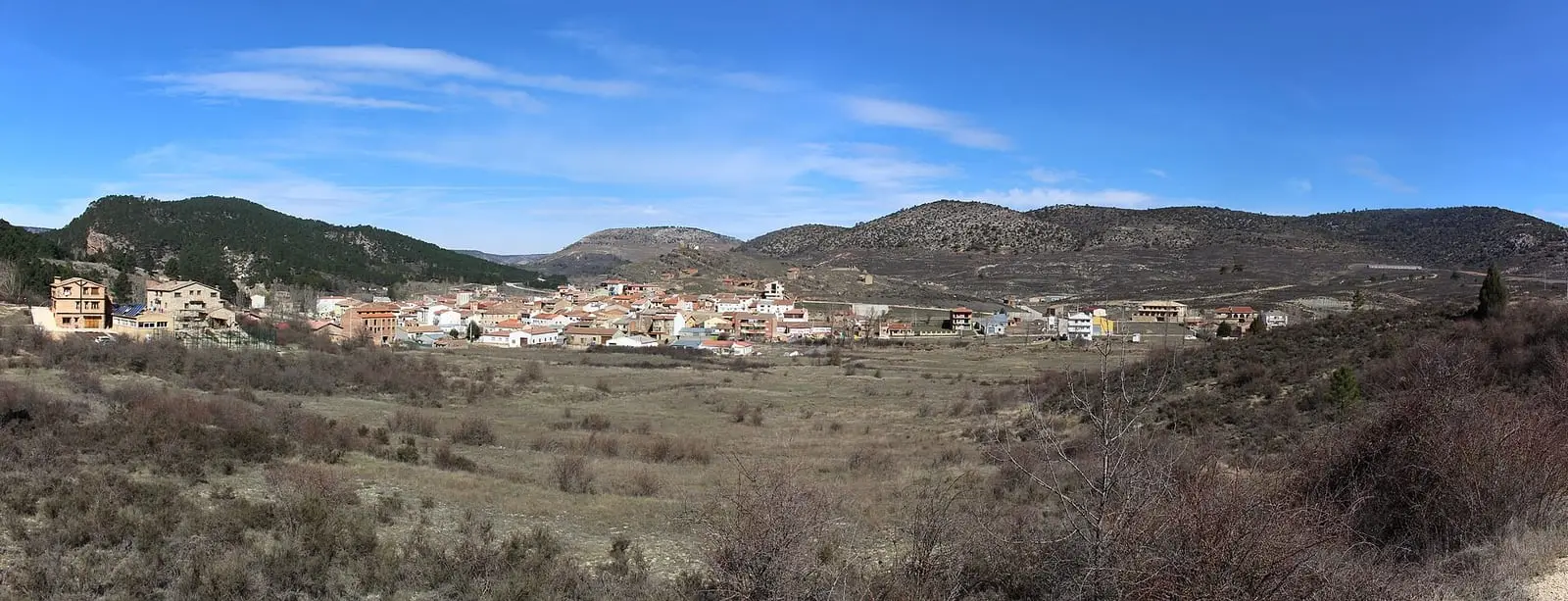
Boniches
Cuenca · 4 places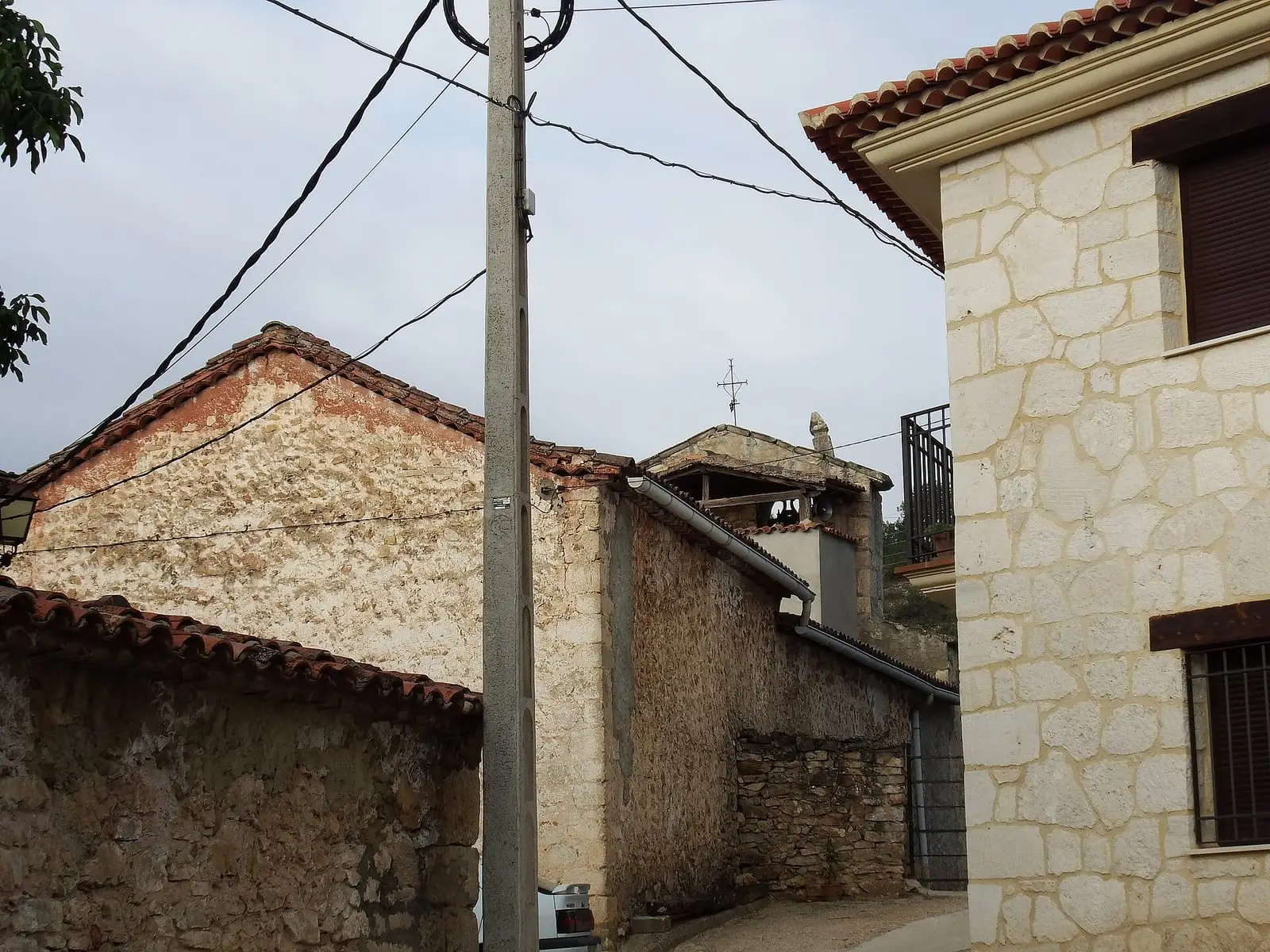
Campillos-Sierra
Cuenca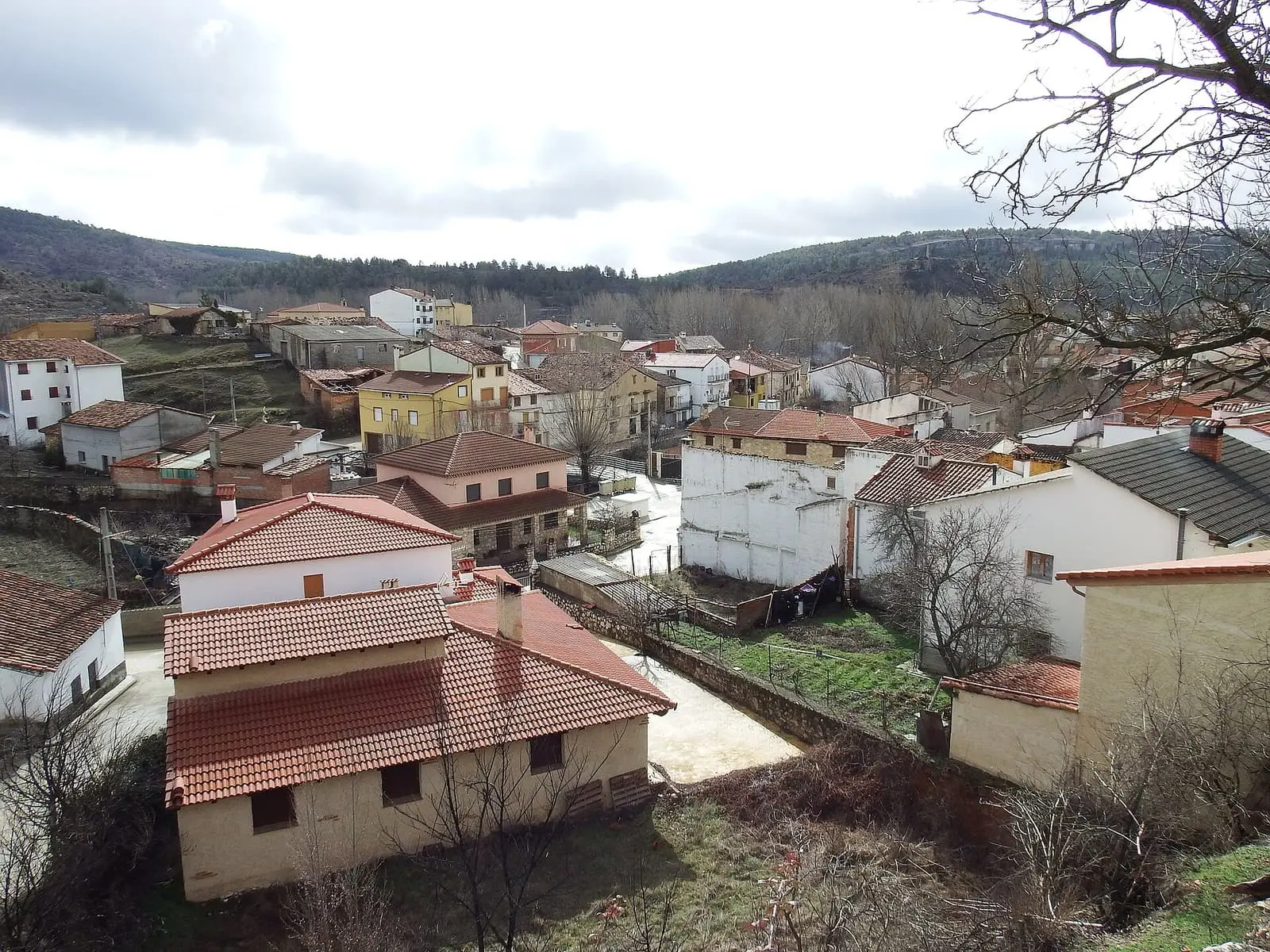
Tejadillos
Cuenca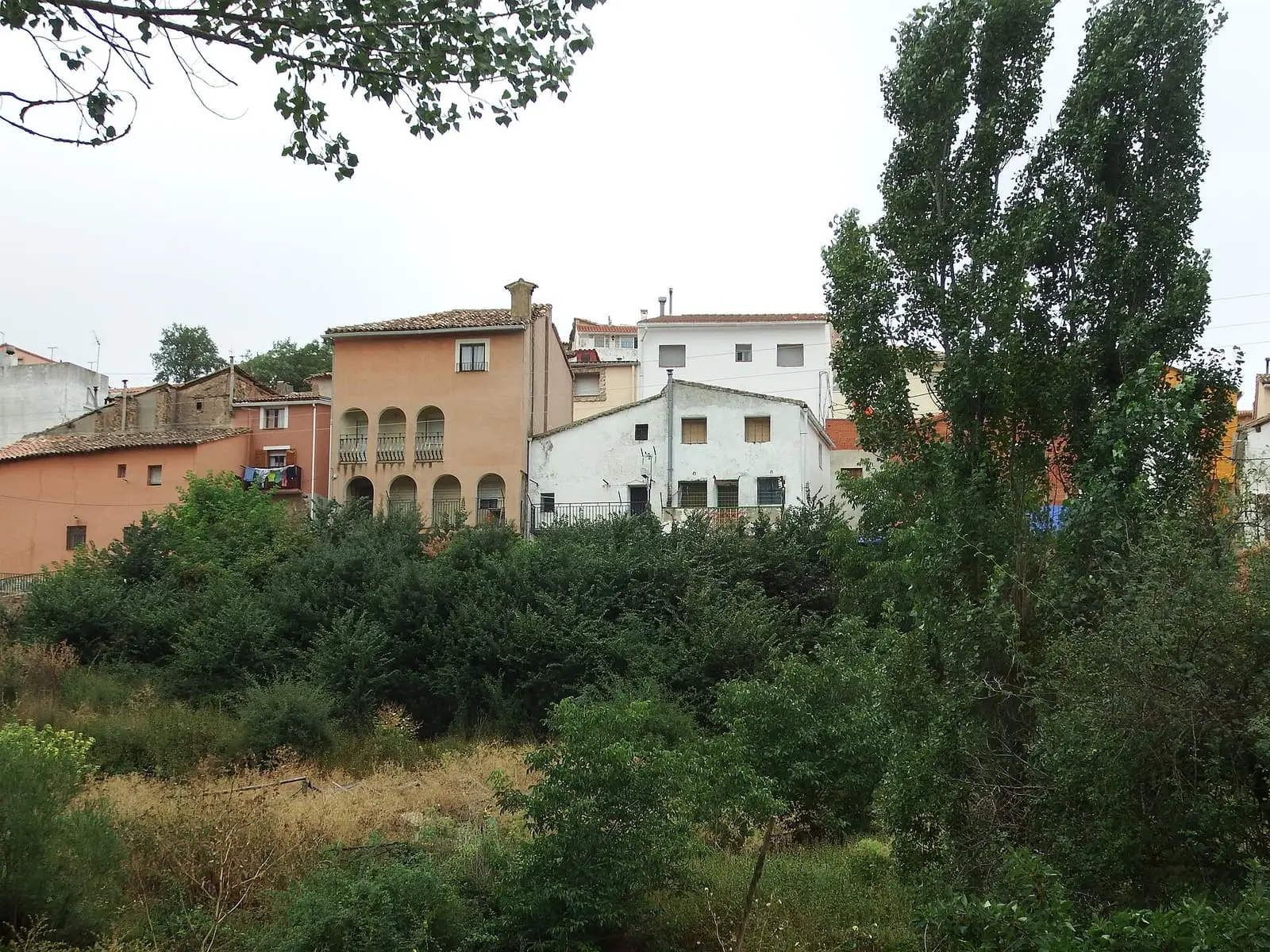
Valdemorillo de la Sierra
Cuenca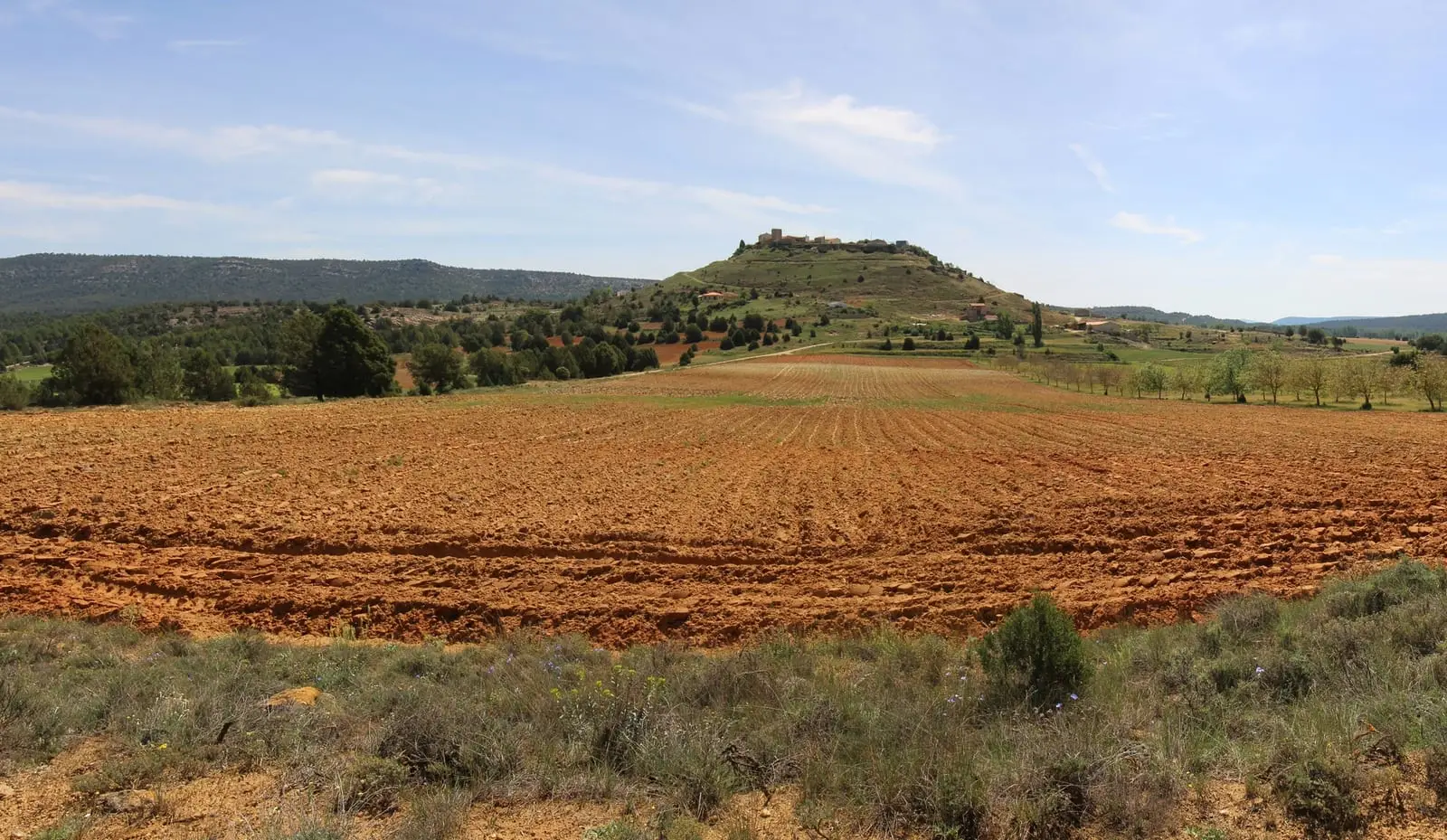
Campillos-Paravientos
Cuenca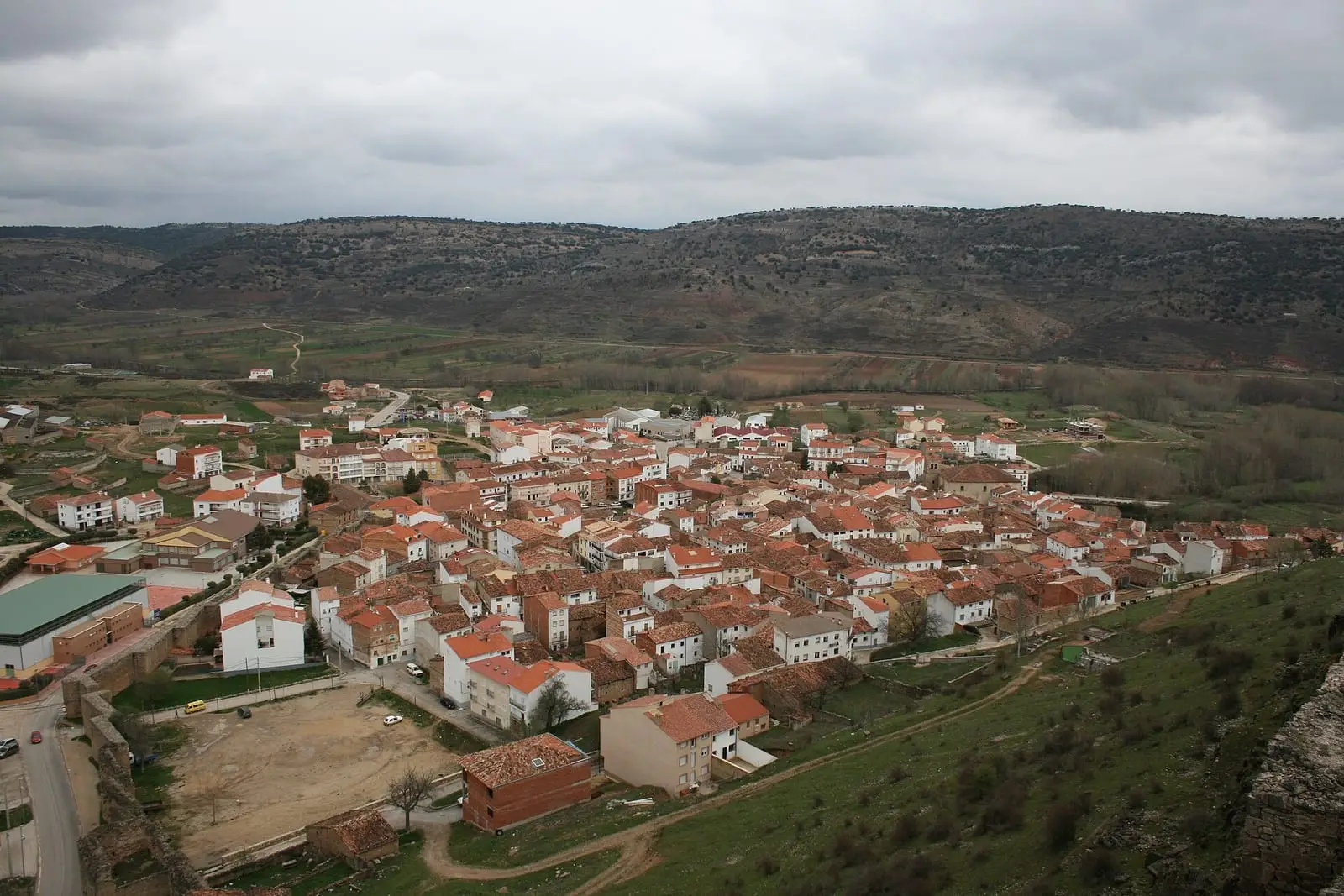
Cañete
Cuenca · 16 places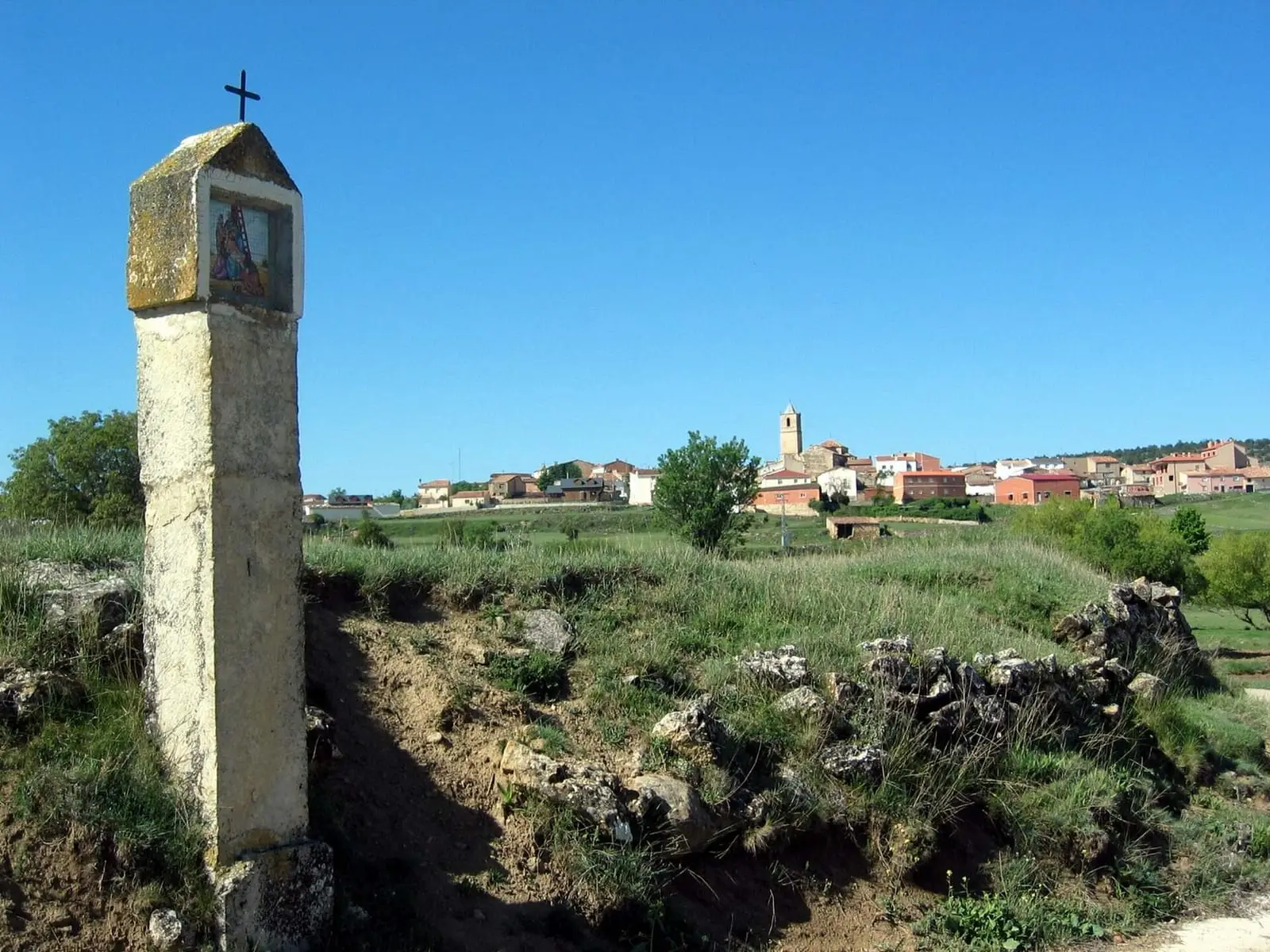
Fuentelespino de Moya
Cuenca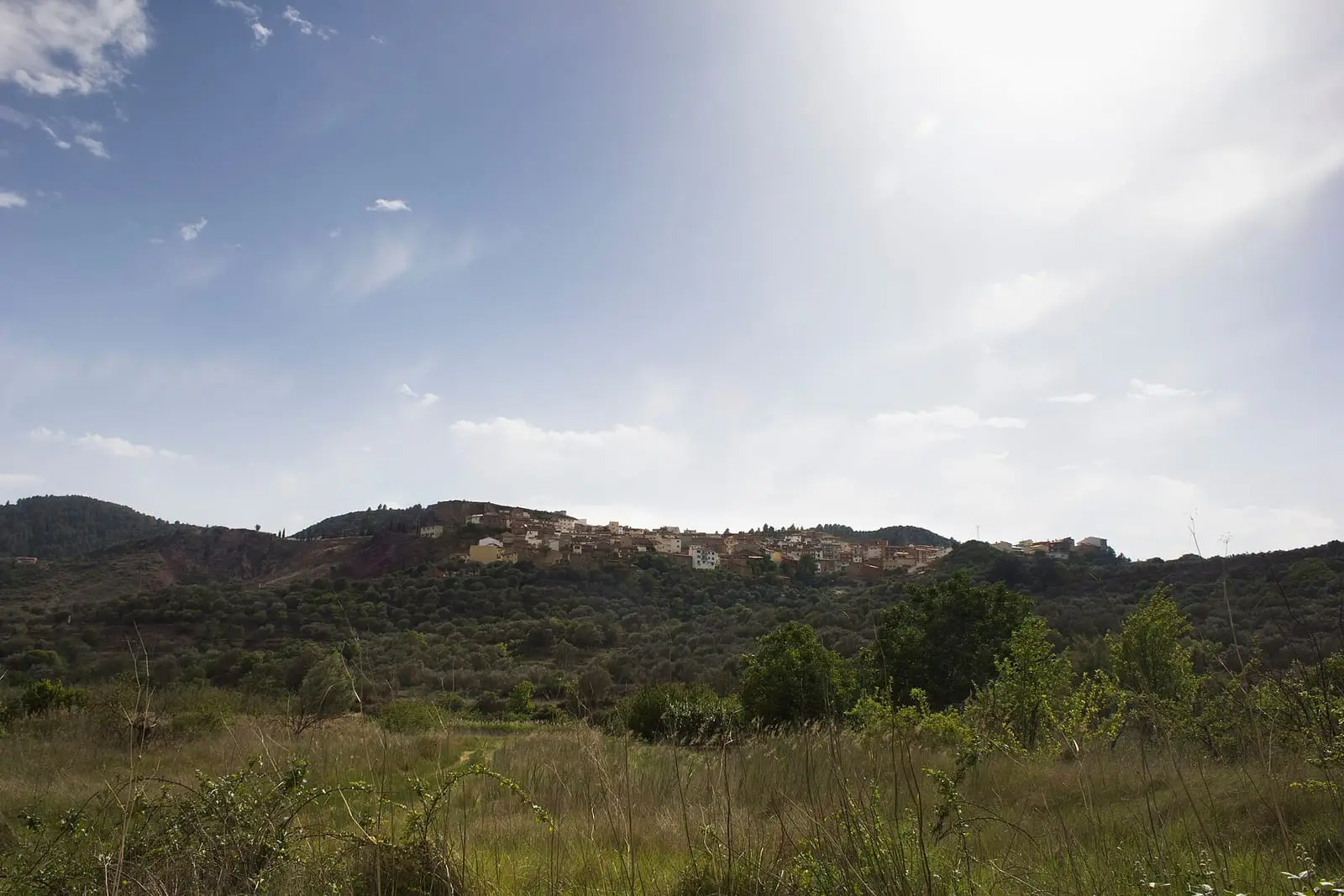
Santa Cruz de Moya
Cuenca · 5 places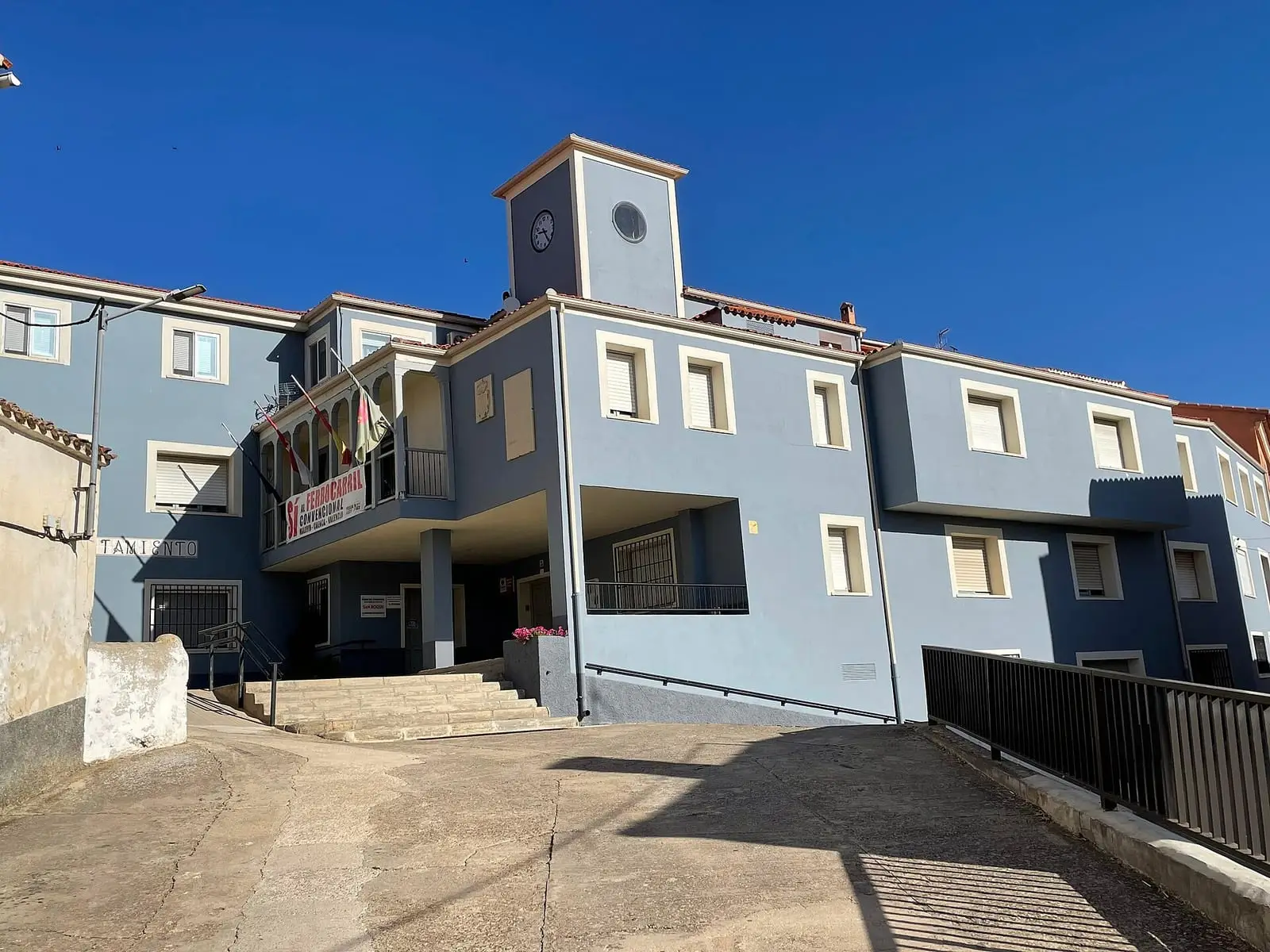
Carboneras de Guadazaón
Cuenca · 1 placesFrequently asked questions
What did collecting for the ánimas at carnival mean?
In several villages of the Marquesado, young men, or the priest and the village officer, went from house to house asking for food for the souls in purgatory. What they collected was auctioned in the square or eaten together, and the money went to the parish.
Why did the carnivals disappear?
After the Civil War, going out with the face covered was banned, and in many villages the celebration disappeared; in others, such as Cañete, it continued with faces uncovered. Emigration then emptied the villages of those who might have revived it.
Sources and reading
- Hoy por Hoy Cuenca, Cadena SER: «Máscaras, harina y humo: así era el carnaval perdido de los pueblos de Cuenca» (07-02-2024, con audio) source consulted · Interview with Mariano López Marín, chronicler of Salvacañete and Moya. Some examples in the article come from his blog and book, not from the conversation.
- Hoy por Hoy Cuenca, Cadena SER: «Airear la ropa o lavarse en el río: ritos de San Juan en los pueblos de Cuenca» (24-06-2025, con audio) source consulted
- López Marín, M.: Recuerdos y añoranzas (blog) reference located · Located; not read in full.
- López Marín, M. (2016): Etnología y costumbres populares en Salvacañete reference located · Not consulted.
- Hoy por Hoy Cuenca, Cadena SER: «Carboneras de Guadazaón: el CRIEC, el caolín y las fiestas de San Roque» (08-08-2024, con audio) source consulted
Open questions
- Exactly which regulation banned masks, from when and over what area.
- The winter festivities in Santa Cruz de Moya (San Blas, La Candelaria, Santa Águeda), with their flag race and auction: the radio mentions them without sufficient detail.
- The attribution of the San Juan rites to a Celtic origin is an opinion without a source.