Trade · Until the 1960s · The trades of the forest and the water
The dehesa and livestock of Valsalobre
The Valsalobre dehesa was reserved for cattle and working mules, and was enclosed with thorn branches in May to keep them out of the crops. A villager served as mule keeper or cowherd through an auction and was paid in wheat. The sheep flocks, meanwhile, wintered in Andalusia. Villagers tell the story in videos by Vestal Etnografía.
On this page 7 sections
The dehesa and the village
Around Valsalobre there was woodland, the dehesa (wood pasture), reserved for working animals: cattle and mules. Sheep were not allowed in. It was a luxury for the village, and the villagers cared for it: they fenced it, guarded it and celebrated it.
The arable fields were divided into areas, and the northern half was sown one year and the southern half the next. In spring, in May, the entire dehesa was enclosed to keep mules and cattle away from the wheat. If there was a portillo, a gap in a wall, it was blocked with thorn branches. Villagers cut them in the hills and a pair of mules dragged them to the spot, while others closed the gaps. There were named gates, such as La Huerta Vieja and Los Cajigares. Anyone bringing in livestock without permission risked being reported by the warden.
The mule keeper and the cowherd
Someone had to watch over the animals. Each year the job was put out to auction and went to whoever would do it for least. The mulero, the mule keeper, watched all the village’s mules; the cowherd, the cattle. Both were paid in wheat in September, according to each household’s animals: three celemines per cow, or half a fanega per pair of mules, the interviewees recall, without remembering clearly. Anyone with only one mule paid half. One villager tells with humour how a man with only a donkey said he should pay less, because donkeys and horses were the hardest to watch over.
In the morning, the mulero sounded a conch shell and people brought their mules to a set place. There were two conch shells, one for the cattle and another for the mules, and they sounded different. In the afternoon they returned to the dehesa, and in the morning they were hobbled so they could be caught. The morning meal was a piece of bread and perhaps a herring or a sardine.
It was children’s work. One villager says that at nine he watched the mules with his older brother, and another that at eleven he slept in a hut with the cowherds and cried bitterly when the mares escaped into the crops. Many boys left school to become shepherds at twelve, and one says he had no childhood.
The cerrada, a celebration
When the dehesa was enclosed, the village celebrated. Everyone came, cut thorn branches and brought them in. There was food, some drink and an «entrada de moros» (entrance of Moors) in the square: a villager known for being funny dressed up and entered riding his mule. Then there was dancing in the square. The next day everyone went out to clear the paths, because the mules would be passing along them with the wheat. Today, they say, some paths can no longer be walked.
The flocks, to Andalusia
Besides mules and cattle, Valsalobre had sheep. A 97-year-old villager remembers about seven thousand sheep, a thousand goats and more than a hundred mules and cattle, all with land cleared for cultivation. It was a lot of livestock; what there was not, he says, was as much scrub as now.
The small flocks, of three or four hundred sheep, and the large ones belonging to certain owners went down every winter to Andalusia or La Mancha. They returned in June. Summer grazing was paid for according to each village’s land. One shepherd remembers going down to Sierra Morena, along the vereda (a narrower drove road) and the Cañada Real (royal drove road), and one very bad winter: there was no food, the young were dying and every morning thirty or forty lambs were found dead. Another says his father took thirty days to reach Córdoba on foot with cattle and mules, while his mother stayed in the village, and by May there was no wheat left.
In summer, according to one shepherd, the livestock went up to the muela, a flat-topped limestone hill, above the source of the Cuervo. Another, who became a shepherd at twelve, says he kept his livestock a good hour’s walk from the village. Sheep were brought into the parideras, the pens in the countryside; one villager estimates there were ten or twelve in the municipality.
What happened afterwards
Over the years livestock numbers fell and people left the village; how it happened is told in When the telephone, electricity and running water arrived. The dehesa is still there, although, they say, only the memory of the enclosure celebration remains.
Words of the trade
- Dehesa
- In Valsalobre, the woodland near the village reserved for cattle and working mules. Sheep and goats were not allowed in.
- Mulero
- A villager who watched over all the village's mules, sounding a conch shell in the morning. The work was awarded by auction and paid in wheat.
- Portillo
- A gap in a stone wall, blocked with thorn branches to keep livestock from passing through.
- Paridera
- A pen in the hills where livestock were brought in, especially during birthing. One villager remembers ten or twelve in the municipality.
Where it is today
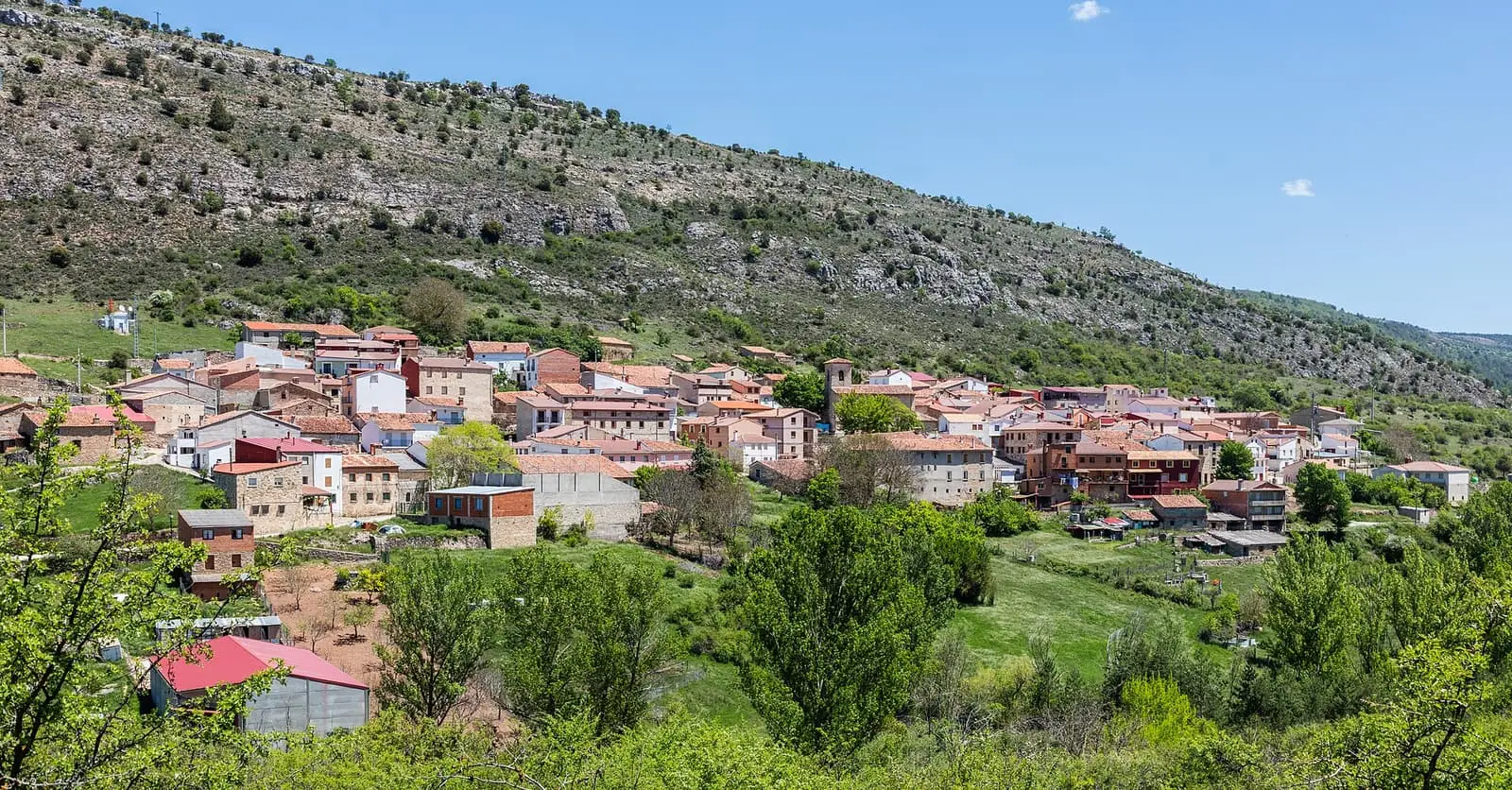
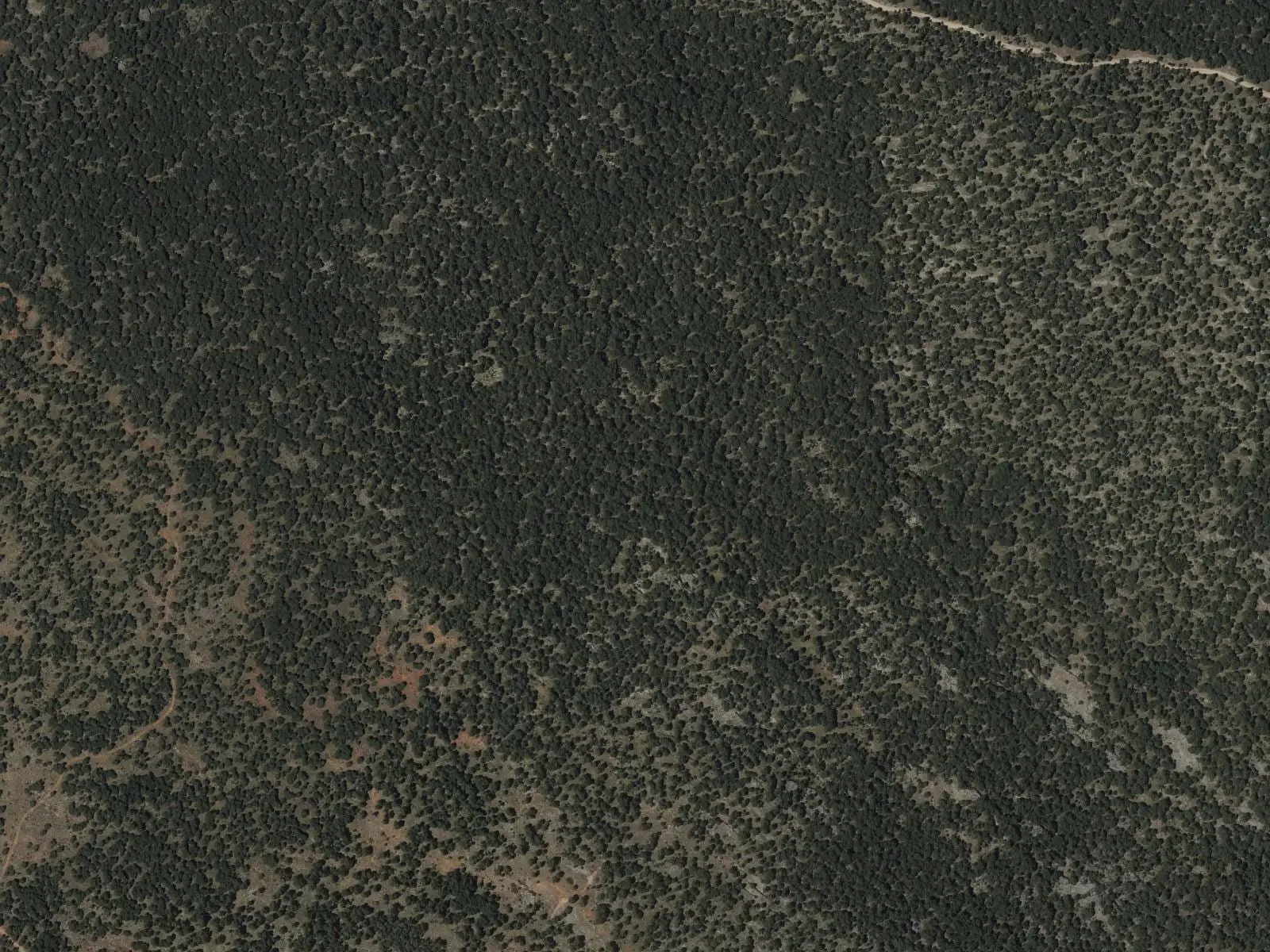
Carry on elsewhere
- Valsalobre en altotajo.es · the village told from the Alto Tajo
Frequently asked questions
What was the Valsalobre dehesa?
Woodland near the village, enclosed with thorn branches and walls, where cattle and working mules grazed. Sheep and goats were not allowed in, and the warden reported anyone who brought them in.
Who looked after the mules?
A villager awarded the job by auction, the mulero, who was paid in wheat according to each household's mules. Another served as cowherd for the cattle. Each sounded his conch shell in the morning.
Where did the flocks go in winter?
To Andalusia and La Mancha. They returned in June. One villager remembers going down to Córdoba with five hundred sheep, walking for a month.
Sources and reading
- Vestal Etnografía: «La ganadería en la dehesa de Valsalobre» source consulted · Oral source. Automatic transcript read: figures and place names are memories and are used only where the transcript is clear.
- Vestal Etnografía: «Los mayos y la matanza en Valsalobre» (conversación con un vecino de 97 años y una vecina) source consulted · Oral source. The village's livestock and enclosure celebration come from here.
- Vestal Etnografía: «Historias de la taberna y el baile en Valsalobre» (conversación con tres vecinos) source consulted · Oral source. The division of sowing into two areas, north and south, comes from here.
- Vestal Etnografía: «La agricultura y las hogueras de invierno en Valsalobre» (conversación con tres vecinos) source consulted · Oral source. The work of mule keeper and shepherd and wintering in Andalusia come from here.
Open questions
- The livestock figures (7,000 sheep, 1,000 goats…) are from memory and a single witness. Check against the Ensenada Cadastre or livestock statistics.
- Exact date of the enclosure celebration and the «entrada de moros» (entrance of Moors): unspecified.
- The Serrezuela woodland: one interviewee says the land belongs to Valsalobre but timber harvests are shared with other villages. Not checked.
- Transhumance route to Andalusia (drove roads): the interviewees name places, but the transcript is unclear.
- Location of the dehesa and its gates (La Huerta Vieja, Los Cajigares): no coordinates.