Episode · 1950s – today · The emptying
When the telephone, electricity and running water reached Valsalobre
Valsalobre had separate schools for boys and girls, a switchboard telephone in a council-owned house, a first 15-watt light bulb and a road built with pick and shovel. Running water arrived late. Between 1960 and 1981 the census fell from 330 to 65 inhabitants. Villagers tell the story in videos by Vestal Etnografía.
On this page 8 sections
The school
In Valsalobre there was a boys’ school and a girls’ school in the building beside the spring. They did not mix even at break time. Each child brought a log for the stove every day, or two if it was small. If it snowed, the men cleared a path for the children to come down, and the teacher slept in the village.
One woman says she was kept in at break as punishment for not drinking the glass of American powdered milk given on arrival. There were few books: an encyclopaedia passed from one sibling to another. In the afternoon, girls sewed. When a married couple of teachers arrived, the pupils were mixed: the older ones went with the husband and the younger ones with the wife. Before that, a teacher gave evening classes to those who had worked during the day: one interviewee says his father went to school at night because he had been a shepherd since he was nine.
Over the years, the children went down to Beteta. A school bus driver remembers carrying about ninety children from several villages in the late 1970s; from Valsalobre, he says, none remain.
The telephone
The telephone was in a council-owned house in El Solano. A room was made for it, and one woman’s mother operated it. It worked as a switchboard: calls came from Cañizares, Beteta and other villages in the area, and the operator passed on the message and arranged a time for the recipient to come and speak. The person who had it could not leave the house. One woman remembers her father, who transported kaolin, receiving messages this way about where to load the next day. Villagers do not date it. A man who left for military service at eighteen says there was no telephone in the village then.
Electricity
Electric light first reached a few houses. One man says a 15-watt bulb was installed in his family’s house, and payment was per bulb according to wattage. His grandfather, who did not trust it, said switching on the light would burn the house down. And when he saw it always on, he asked how it was turned off. Another woman, who had a bulb installed in the kitchen, tried to light her oil lamp by holding it close to the bulb. One man remembers a woman watching a basketball match on the first television and asking, as she stared, whether the players could hear them. The other houses were lit with oil lamps, lanterns or candles, and oil cost money.
Running water arrived late. One man says it was «uno de los últimos pueblos de la provincia de Cuenca» (one of the last villages in the province of Cuenca) to get it, around 1984; a woman places it about fifty years ago. The two memories disagree and are recorded as unresolved.
The road
Until then there was no road. One villager’s father had a cart but could not go anywhere because there were no tracks. The road was built with pick and shovel, and was the first job outside sheep farming for a villager then aged eighteen or nineteen. Another also worked on the road up to El Tablado. The road brought the first cars and the pack animals gradually disappeared.
Leaving
Villagers remember the first people leaving for Barcelona and Madrid: a young man of seventeen or eighteen led the way and others followed. Some worked in a carborundum factory, where masks had to be worn, or in a mine, or with the kaolin lorries. Around 1970 many more left, and in 1972 and 1973, according to one villager, almost everyone. Many ended up in Valencia: a bus driver says a large proportion of the people from Valsalobre live in the Cristo neighbourhood. One woman received a grant to study for the bachillerato, the secondary school qualification, in Cuenca. They left, they say, because there was no work beyond farming and they wanted a future for their children.
What the census says
INE censuses tell the story in numbers: Valsalobre remained between 297 and 334 inhabitants from 1842 to 1960. In 1970 there were 215; in 1981, 65; in 2021, 21. One villager remembers the village having about five hundred inhabitants and between eighty and a hundred occupied houses, but no census figure reaches that number, and it is recorded among the unresolved questions. Today’s village is different: a dozen people in winter, and full in summer. One interviewee thinks working from home could bring some people back.
Vocabulary
- Centralita
- In Valsalobre, the telephone in a council-owned house that other villages called to pass on messages; its operator relayed them to the recipient at an agreed time.
- Farol
- A lamp enclosed in glass so the wind would not put it out in the street. Used alongside the oil lamp and candle.
- Escuela de niñas
- A classroom separate from the boys'; in the afternoon, girls learnt to sew.
Where it is today
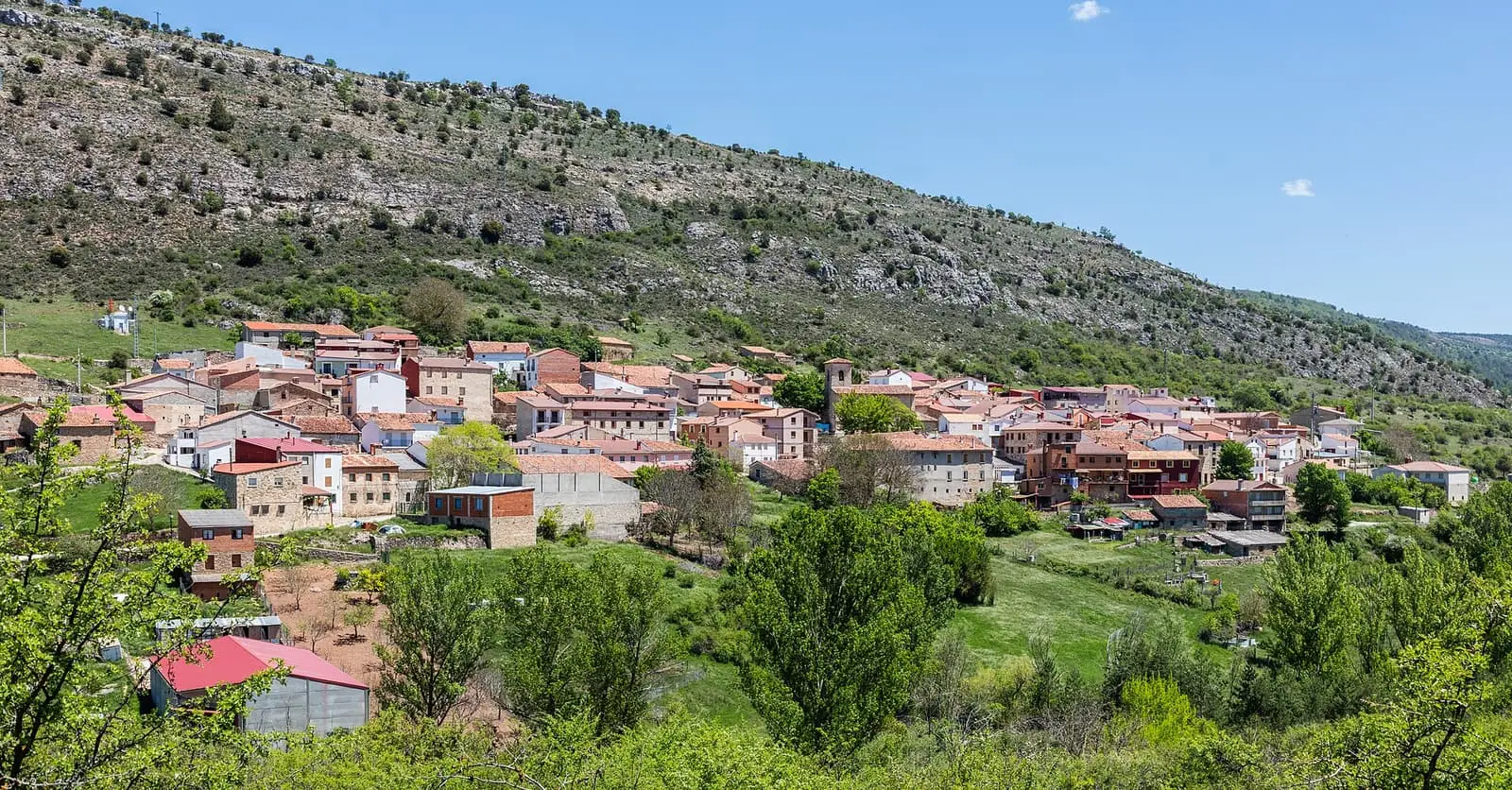
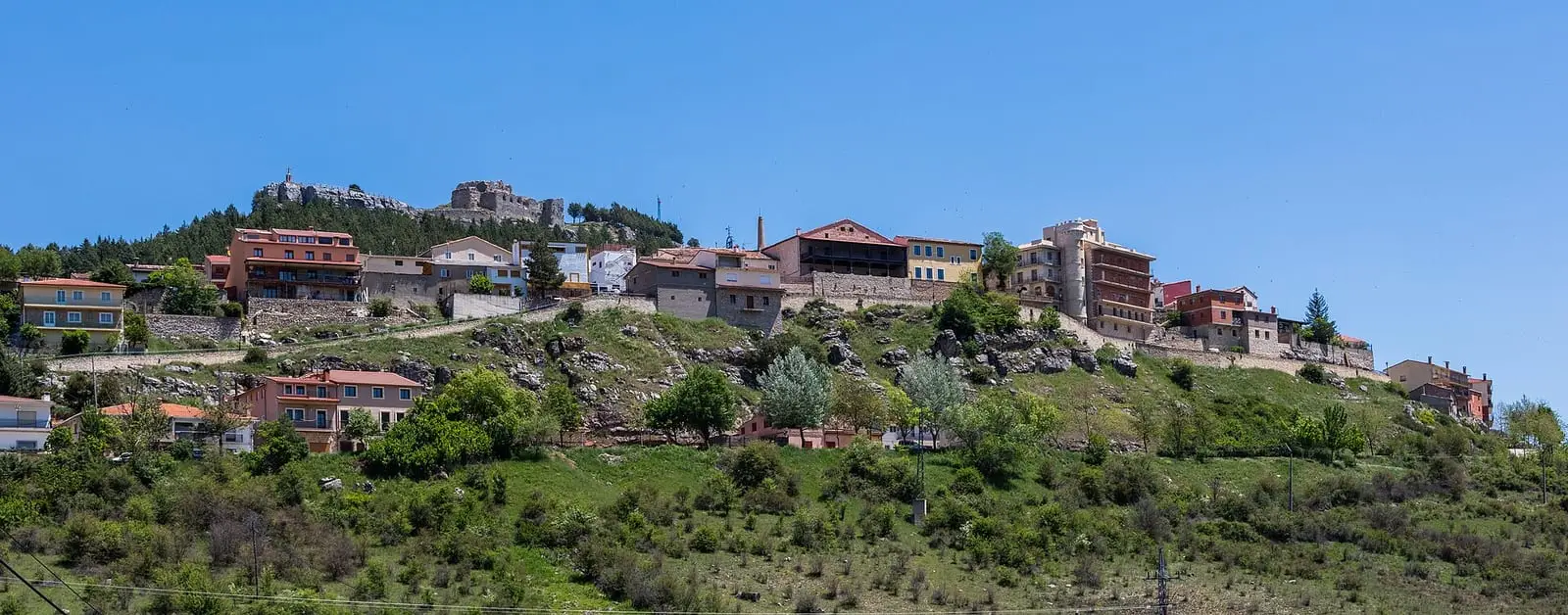
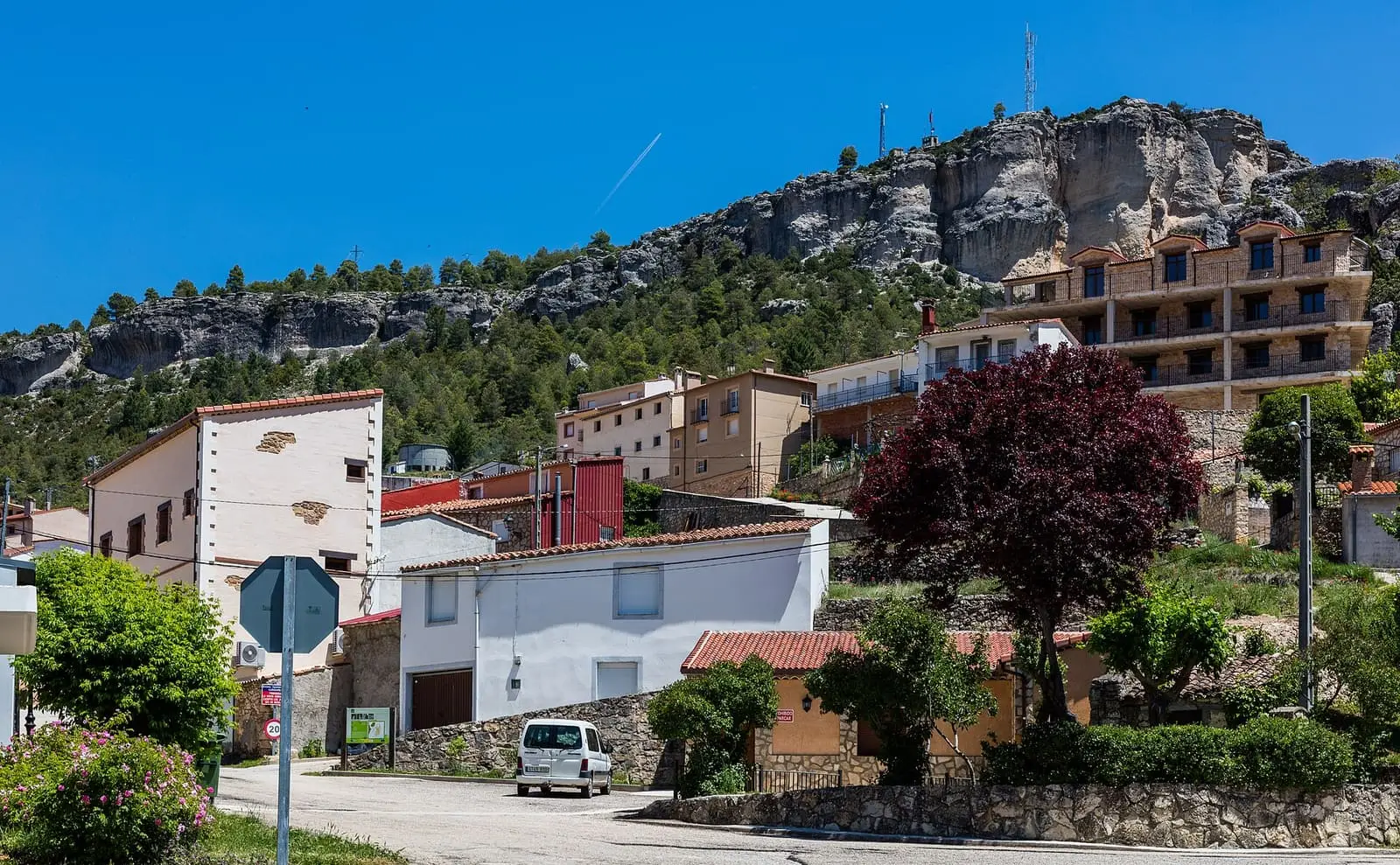
Carry on elsewhere
- Valsalobre en altotajo.es · the village told from the Alto Tajo
Frequently asked questions
How many people lived in Valsalobre?
According to the INE census, between 297 and 334 inhabitants from 1842 to 1960; 215 in 1970; 65 in 1981; and 21 in 2021. One villager remembers about 500, but no census figure reaches that number.
When did Valsalobre get a telephone?
Villagers do not date it. It was in a council-owned house in the Solano neighbourhood and operated as a switchboard with Cañizares, Beteta and other villages. Its operator could not leave the house.
Why did people leave?
Villagers speak of a lack of work outside farming. A few left first, for Barcelona and Madrid; then, around 1972 and 1973, most left, many for Valencia.
Sources and reading
- Vestal Etnografía: «La escuela y los quintos en Valsalobre» (conversación con tres vecinos) source consulted · Oral source. Automatic transcript read: dates and figures are memories and are used only where the transcript is clear.
- Vestal Etnografía: «Historias de la taberna y el baile en Valsalobre» (conversación con tres vecinos) source consulted · Oral source. The telephone, road, television and first people to leave come from here.
- Vestal Etnografía: «Las salinas y el pino de Judas en Valsalobre» (conversación con tres vecinos) source consulted · Oral source. The first electric light and the departures of the 1970s come from here.
- Vestal Etnografía: «El agua y el horno comunal de Valsalobre» (conversación con dos vecinas) source consulted · Oral source. The arrival of running water and emigration come from here.
- Vestal Etnografía: «La agricultura y las hogueras de invierno en Valsalobre» (conversación con tres vecinos) source consulted · Oral source. Recalls the village today: about twelve people in winter.
- INE: Alteraciones de los municipios en los censos de población desde 1842 (Valsalobre, 16234) source consulted · Legally resident population. Used to check the villagers' figures.
Open questions
- Year of arrival of the telephone, electricity and running water: villagers disagree and give no dates. Check with the town council and the companies.
- Population in the past: one villager estimates about 500 inhabitants and 80 to 100 occupied houses; the INE census never exceeds 334 in the whole series since 1842. The villager may be counting people who were away, or the estimate may refer to another period. Unresolved.
- altotajo.es says Valsalobre once had more inhabitants than Beteta; INE censuses contradict this (Beteta always has more). The origin of that claim has yet to be established.
- When the village school closed and the children were taken to Beteta.
- Location of the dance hall and the telephone house in El Solano.