Episode · 1946 – today · War, maquis and post-war
The guerrilla in the Serranía de Cuenca
Between 1946 and 1950 the Agrupación Guerrillera de Levante y Aragón (AGLA) operated in the Serranía de Cuenca, with Santa Cruz de Moya among its areas of activity. It seized San Martín de Boniches on 19 September 1946, reached Manzaneruela in February 1947 and lost twelve of its thirteen men in the assault on Cerro Moreno on 7 November 1949. Graves containing guerrillas were opened in Arcos de la Sierra, Huélamo and Fuertescusa in 2006.
On this page 8 sections
A war that continued in the hills
After the Civil War, armed men who did not accept Franco’s victory remained in the inland mountains. The Agrupación Guerrillera de Levante y Aragón operated in the Serranía de Cuenca, with bases in Cuenca, Teruel, Castellón and Valencia. Memoria Democrática de Castilla-La Mancha describes it this way and identifies Santa Cruz de Moya as one of its areas of activity in the 1940s and 1950s. According to the same source, actions increased from 1944; in 1945 and 1946 economic raids for survival predominated, and San Martín de Boniches was one of the first villages seized in the Serranía.
The village seizures
On 19 September 1946 the group led by «Capitán» entered San Martín de Boniches. It gathered the mayor, his family, the corporal of the somatén (an armed civilian militia), the secretary’s assistant and another villager; held a rally, distributed propaganda, painted the square’s walls and took a shotgun, the town council’s seals and some belongings. After a tip-off, the Guardia Civil located the Cabeza del Royo camp, surrounded the hill and assaulted it on the 28th: guerrilla Miguel Pérez Lloria, «Peluquilla», died and Warrant Officer Federico Alastuy Lanas was wounded.
On 15 February 1947 the groups of «Capitán» and «Vargas», from the 11th sector, reached Manzaneruela, in Landete: about fifteen men who took food, clothing, weapons and money, distributed propaganda and burnt a consignment of flour and tobacco. This is a secondary reconstruction yet to be checked.
The supporters and repression
A guerrilla cannot survive without villagers. Memoria Democrática de Castilla-La Mancha records a Guardia Civil raid in Santa Cruz de Moya in which about fifty enlaces, local supporters, were arrested. Some were killed under the ley de fugas, the pretext of attempted escape, others were tortured and some took to the hills for fear of reprisals. The source gives no date for the raid.
Cerro Moreno
At dawn on 7 November 1949 the Cerro Moreno camp was assaulted and twelve of its thirteen guerrillas died, according to La Gavilla Verde, which organises a commemorative walk there every year. Cañete Town Council’s chronology gives 1958 as the end of the anti-Franco guerrilla.
The death certificates of those killed at Cerro Moreno were dated 3 December 1949 and, according to Salvador F. Cava, contain errors of identity: what the civil register says is not enough to establish who the twelve were.
The graves
In 2006 three graves containing guerrillas were opened in mountain cemeteries. In March, ARMH-Cuenca arranged an exhumation in the cemetery of Arcos de la Sierra, with remains attributed to two guerrillas killed by the Guardia Civil in 1950. On 29 October another grave was exhumed in Huélamo, with remains attributed to two others killed in clashes in 1949. And in the civil cemetery of Fuertescusa an AGLA guerrilla was exhumed; the study’s authors compare the Guardia Civil archive, death certificate, a local account and testimonies, and note discrepancies in the date and circumstances of his death. Names are not published here: these are attributions, not genetic identifications.
A different grave, that of Republican soldiers from the El Cañizar military hospital, is in Pajaroncillo.
Living memory
La Gavilla Verde, established in 1998, has organised the «El Maquis en Santa Cruz de Moya» (the maquis in Santa Cruz de Moya) events in early October for twenty-five years, and on 5 October 2024 opened the Centro de Interpretación de la Guerrilla del AGLA there. Visit places of memory respectfully: do not enter camps independently or search for anything in the hills.
In July 2026 La Gavilla Verde signed an agreement with the University of Castilla-La Mancha to organise and study the centre’s collection, with more than two hundred oral testimonies, without taking it out of the village. On the 1946 seizure of San Martín de Boniches, ethnographer Eduardo Bollo records that it was carried out by «Paisano» and notes that other texts say «Capitán».
Vocabulary
- AGLA
- Agrupación Guerrillera de Levante y Aragón: an anti-Franco guerrilla organisation active in the mountains of Cuenca, Teruel, Castellón and Valencia. It was called AGL until November 1947.
- Enlace
- A villager who helped the guerrilla with food, information or shelter. Memoria Democrática recounts a Guardia Civil raid in Santa Cruz de Moya in which about fifty were arrested.
- Ley de fugas
- Killing a detainee while claiming they were trying to escape. According to Memoria Democrática, this was applied to some of the supporters arrested in Santa Cruz de Moya.
- Toma de un pueblo
- An action in which a guerrilla band enters a settlement, gathers its authorities and inhabitants, holds a rally, distributes propaganda and obtains food or money.
Where it is today
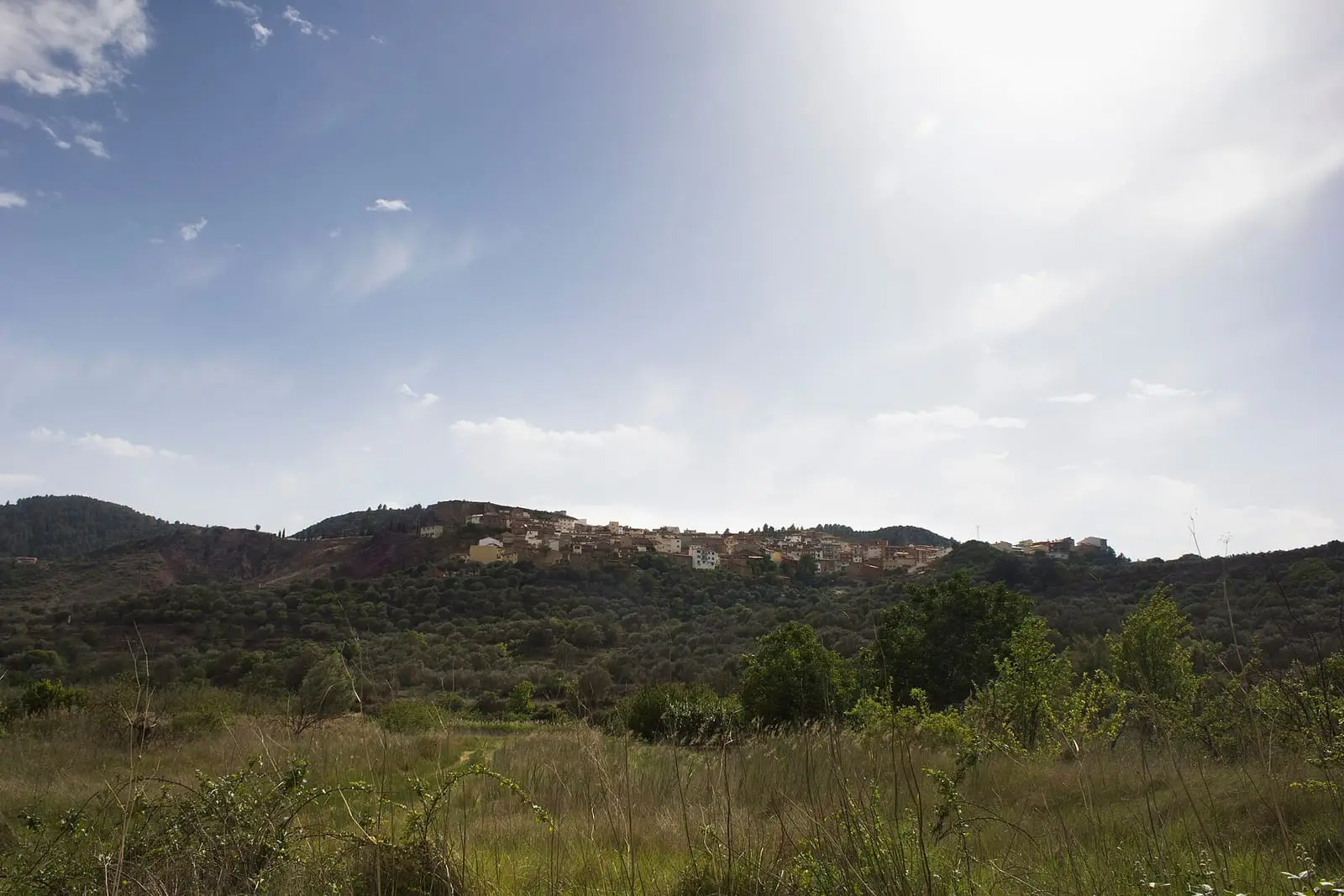
Santa Cruz de Moya
Cuenca · 5 places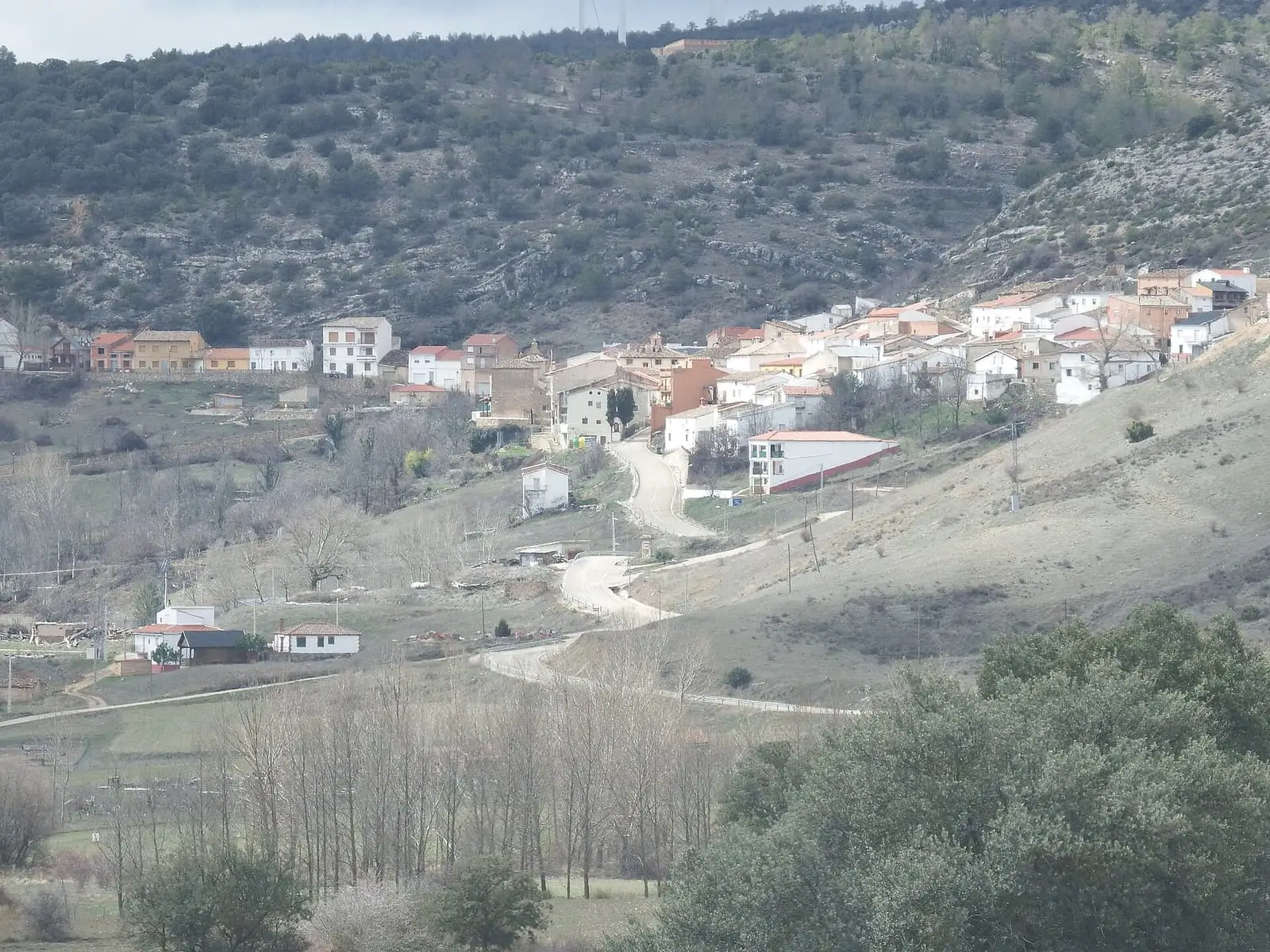
San Martín de Boniches
CuencaCerro Moreno guerrilla camp
Santa Cruz de MoyaAGLA Guerrilla Interpretation Centre
Santa Cruz de Moya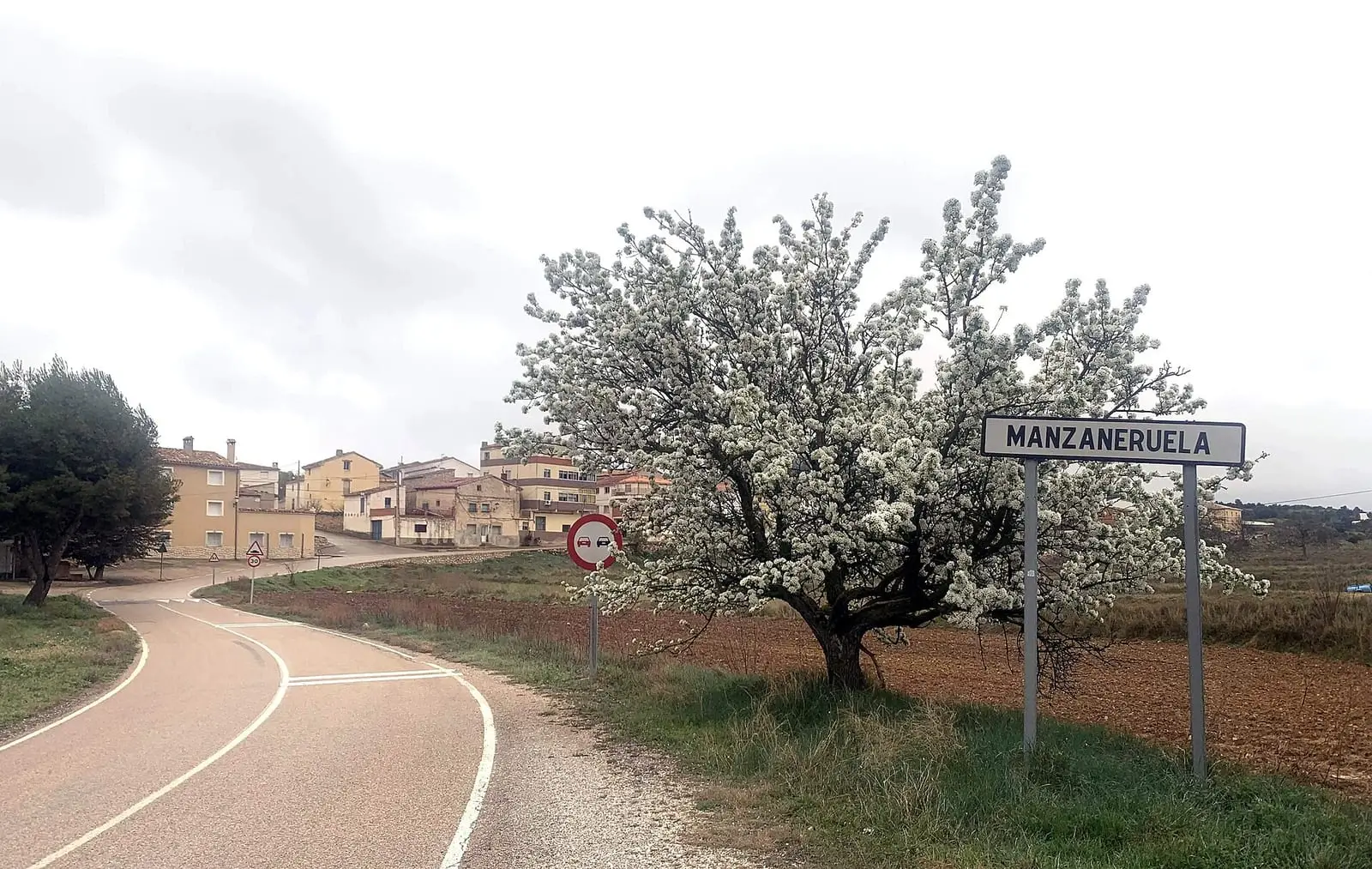
Manzaneruela
LandeteGuerrilla grave in Huélamo
HuélamoGrave of Eusebio García in Fuertescusa
FuertescusaGuerrilla grave in Arcos de la Sierra
Arcos de la SierraFrequently asked questions
What was the AGLA?
The Agrupación Guerrillera de Levante y Aragón, an anti-Franco guerrilla organisation with bases in Cuenca, Teruel, Castellón and Valencia, called AGL until November 1947. Santa Cruz de Moya was one of its operational areas in the 1940s and 1950s.
What happened at Cerro Moreno?
At dawn on 7 November 1949 the dictatorship's forces assaulted the camp and killed twelve of the thirteen guerrillas, according to the association La Gavilla Verde, which organises an annual commemorative walk.
Where can I learn more?
At the Centro de Interpretación de la Guerrilla del AGLA in Santa Cruz de Moya, opened on 5 October 2024 by La Gavilla Verde, and at its annual «El Maquis en Santa Cruz de Moya» (the maquis in Santa Cruz de Moya) events in early October.
Sources and reading
- Cava, S. F.: artículo sobre Cerro Moreno en Olcades (2002, segunda época n.º 6, pp. 5-20; el catálogo de la editorial lo sitúa en el n.º 24), versión actualizada publicada por La Gavilla Verde source consulted · The updated web version was read, not the printed text.
- Memoria Democrática de Castilla-La Mancha (UCLM): La toma de San Martín de Boniches (Cuenca) por «Capitán» en 1946 source consulted · A secondary reconstruction based on Díaz Díaz (2004 and 2022) and Romeu Alfaro (2002).
- Memoria Democrática de Castilla-La Mancha (UCLM): La formación de la Agrupación Guerrillera de Levante y Aragón source consulted
- Memoria Democrática de Castilla-La Mancha (UCLM): Represión y eliminación de la guerrilla en Cuenca source consulted
- Memoria Democrática de Castilla-La Mancha (UCLM): Acciones del 5º y 11º sector del AGLA en la serranía conquense en 1947 reference located · The page could not be opened at the last consultation; the information on Manzaneruela comes from earlier research.
- La Gavilla Verde: Senderos de la Memoria (Cerro Moreno) source consulted · The association's account; not checked against official archives.
- La Gavilla Verde: Centro de Interpretación de la Guerrilla del AGLA source consulted
- Polo Cerdá, M. y otros (2010): Arqueología y antropología forense de la represión franquista en el territorio de la Agrupación Guerrillera de Levante y Aragón (1947-1948) reference located · Only the abstract and the notes collected in earlier research have been consulted.
- Ayuntamiento de Cañete: historia (cronología) source consulted
- Hoy por Hoy Cuenca, Cadena SER: «El maquis en San Martín de Boniches: la resistencia antifranquista en Cuenca» (20-11-2024, con audio) source consulted
- Hoy por Hoy Cuenca, Cadena SER: «El pequeño pueblo de Cuenca que custodia una memoria única en España» (02-07-2026, con audio) source consulted
Open questions
- Graves opened in 2006 (Arcos de la Sierra, Huélamo, Fuertescusa): known from notes by Polo, Cruz and García; the full text has not been consulted and the guerrillas' names are not published. The attribution of remains is retained as such, not as genetic identification.
- Date and circumstances of the death of the guerrilla buried in Fuertescusa: the authors note discrepancies between the Guardia Civil archive, death certificate, a local account and testimonies.
- Seizure of Manzaneruela (15-2-1947): secondary reconstruction located; yet to be checked against archives.
- Raid on supporters in Santa Cruz de Moya (about fifty arrested): the source gives no date.