Episode · 1931 – 1936 · War, maquis and post-war
The Misiones Pedagógicas in the Serranía Alta
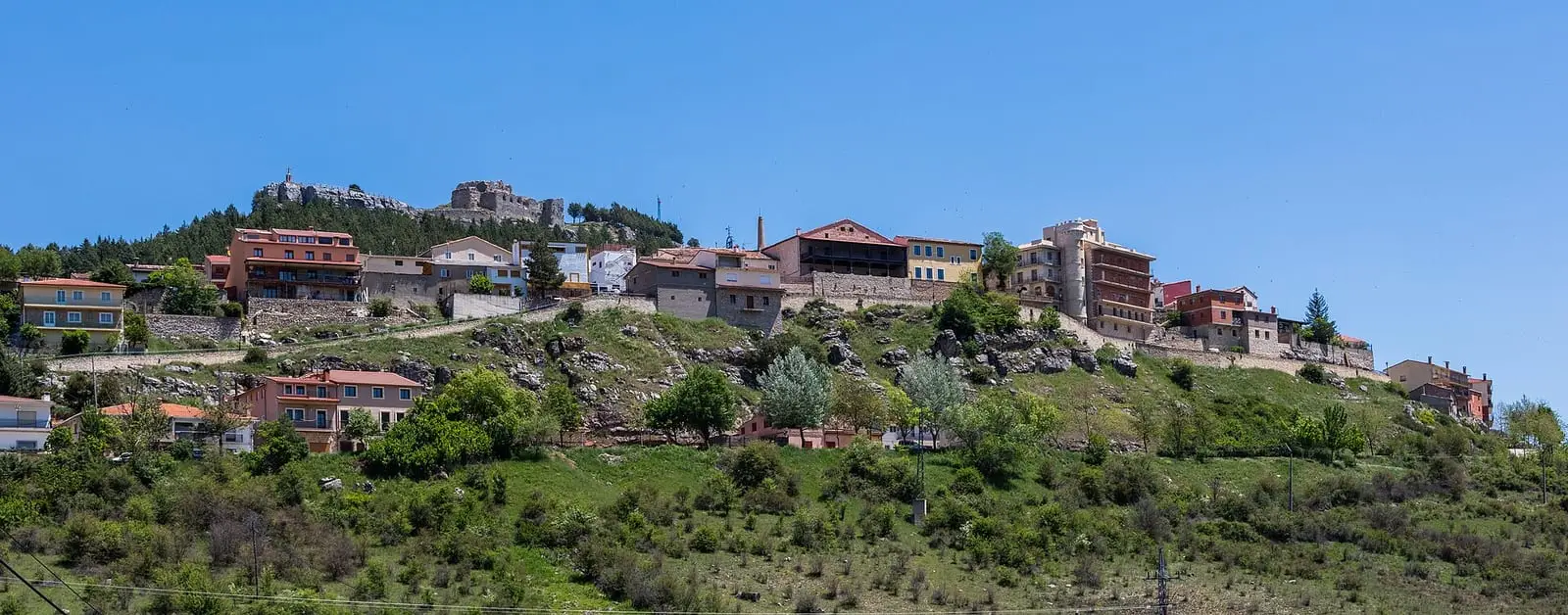
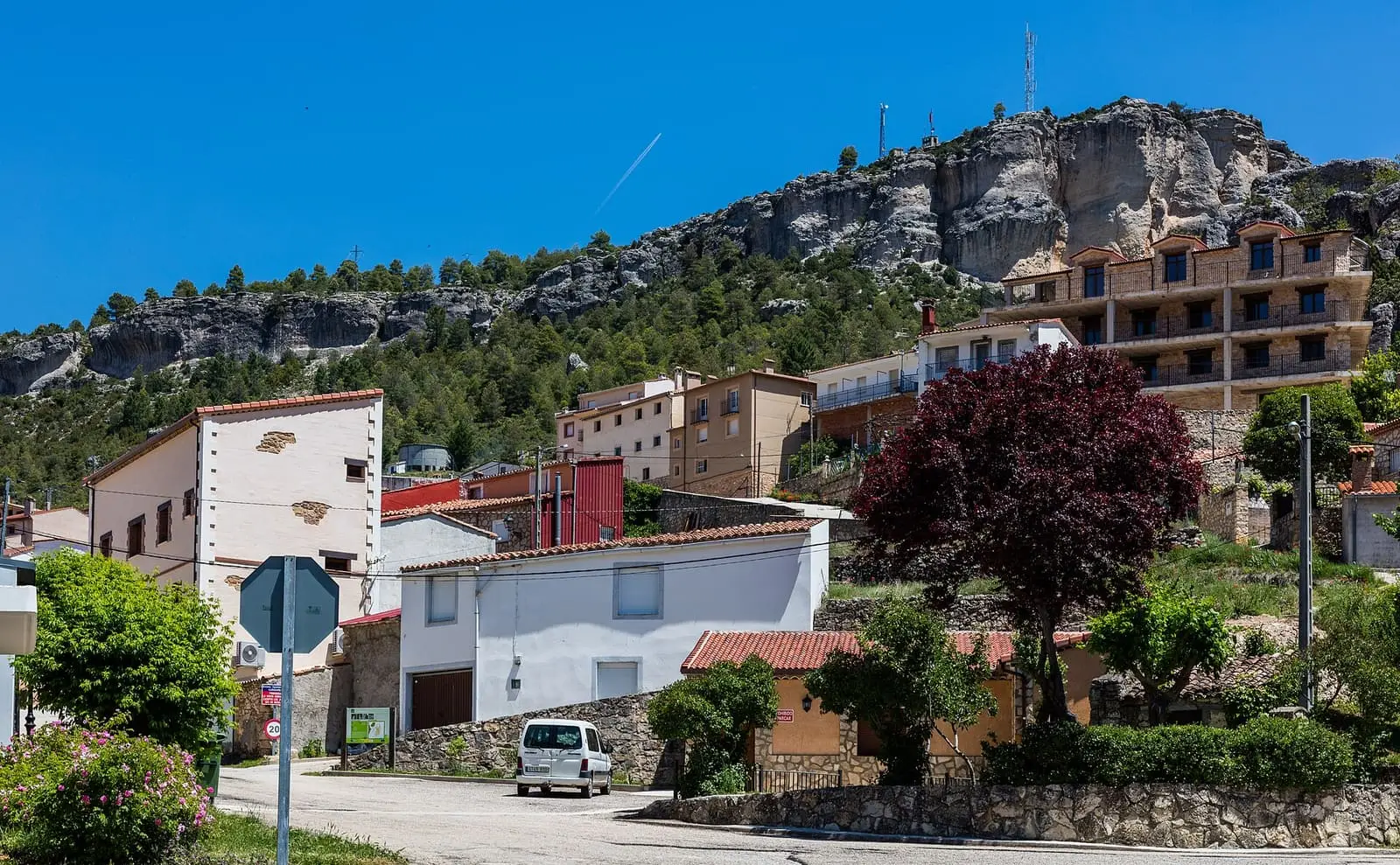
The first Misión Pedagógica in the province of Cuenca took place in Beteta and its villages from 19 to 24 September 1932, with two teams: one was led by María Zambrano. They brought cinema, records and books, and filmed a documentary that has not been found. A second mission returned in August 1934 and screened seven films in Masegosa. Libraries remained in Beteta, Carrascosa, El Tobar and Masegosa.
On this page 6 sections
A school that asked for nothing
On 29 May 1931, fifty days after the Republic was proclaimed, a decree established the Patronato de Misiones Pedagógicas, the board of the Second Republic’s Teaching Missions. It was chaired by the educationalist Manuel Bartolomé Cossío, and its idea was simple: to send teams of teachers, students and artists to the poorest and most remote villages, bringing books, cinema, music and theatre, mainly for adults who had never been to school. On the first mission, in Ayllón, they introduced themselves to the villagers as a travelling school that had come to give, not to ask. They distributed 5,552 libraries of about a hundred books throughout Spain, and left gramophones and collections of records.
Beteta, September 1932
The first mission in the province of Cuenca went to the Serranía Alta (upper Serranía), from 19 to 24 September 1932, under the supervision of inspector Valentín Aranda. Two teams were formed. The students Antonio Sánchez Barbudo, Enrique Azcoaga and Cristóbal Simancas went to Cañizares, Carrascosa, Valsalobre and Valtablado. The other team was led by the philosopher María Zambrano, with a student from Cuenca’s teacher training college and the teacher Fermín Romero, and worked in Beteta and El Tobar. Zambrano later wrote an account of those days. They brought film equipment with which they made a documentary; if it were to turn up, it would be the first moving images of these villages and their people, but its whereabouts are unknown.
Masegosa, August 1934
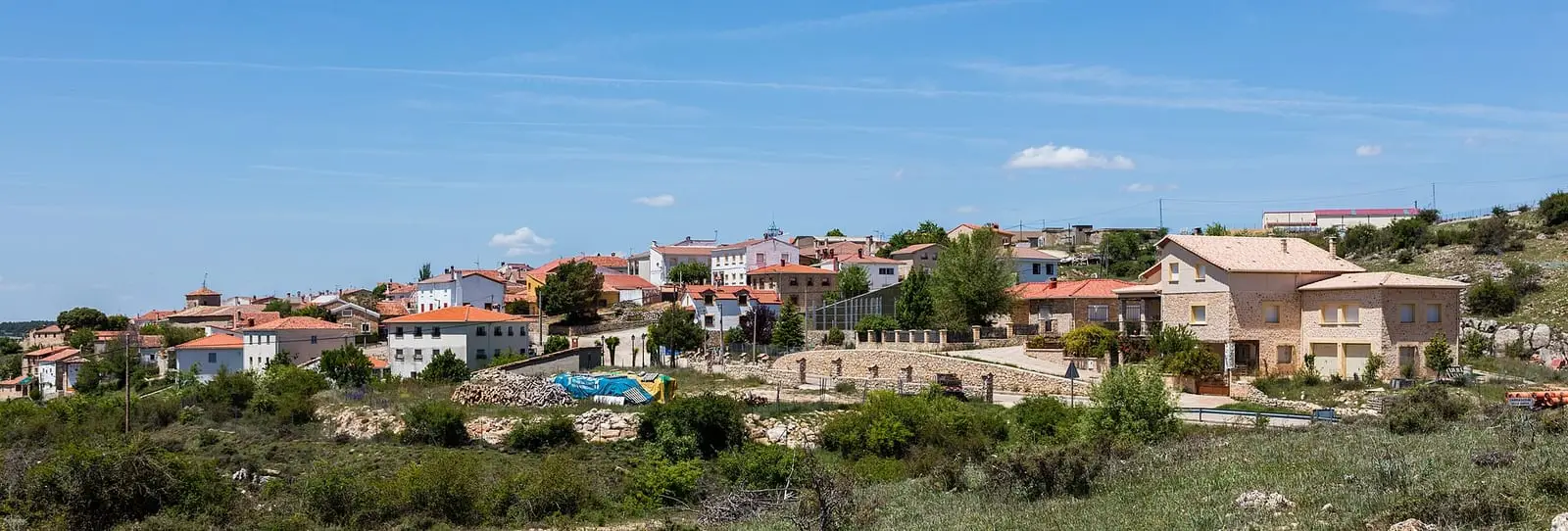
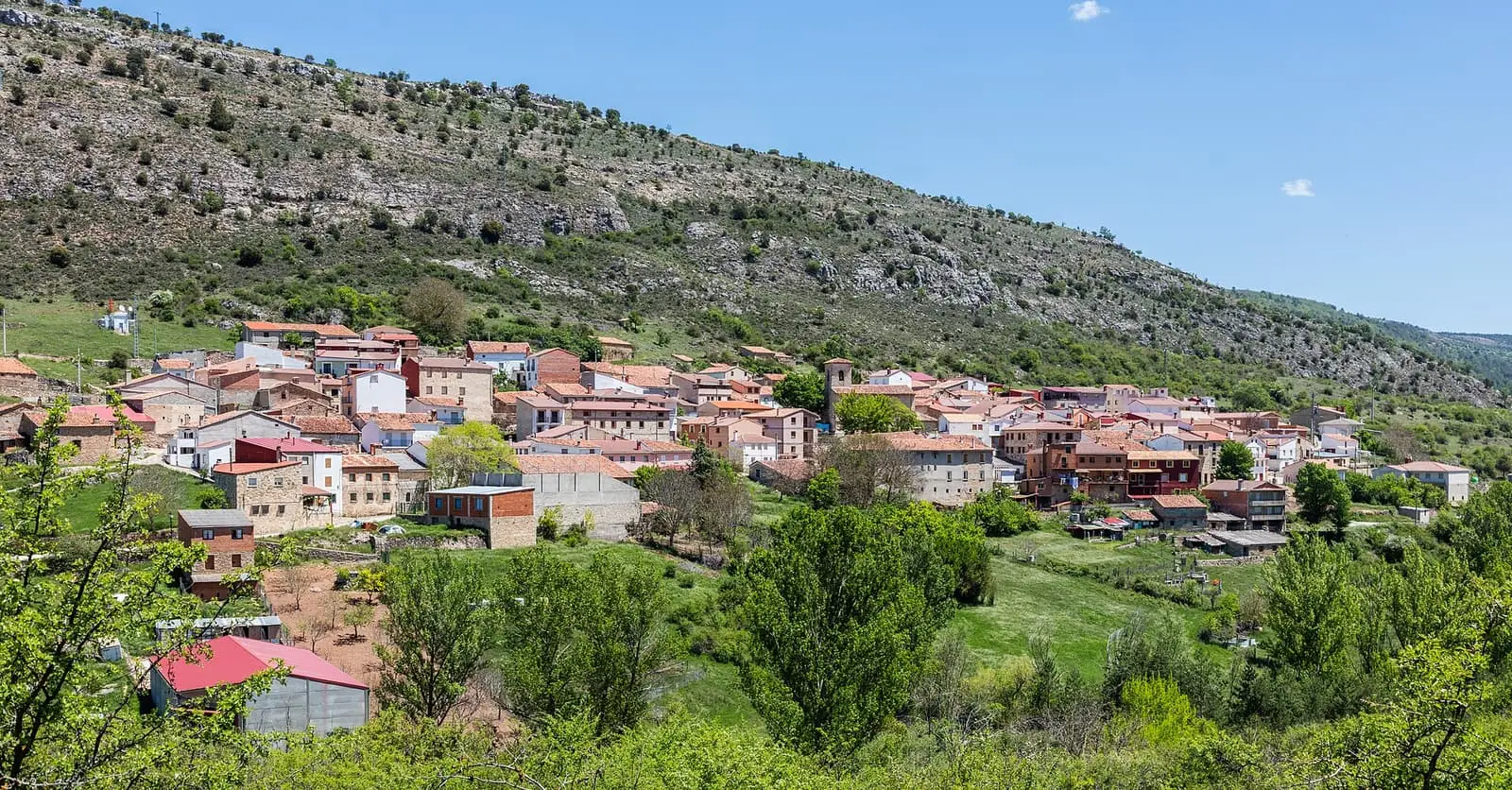
The second mission arrived from 2 to 13 August 1934. Simancas and Eduardo Serrano Cerezo came from Madrid; Guillermo Fernández and Fermín Romero joined them in Cuenca. Some went to Valsalobre, Valtablado, Cueva del Hierro and Beteta; the others to Masegosa, Cañizares, Carrascosa and El Tobar. The Masegosa team brought sound cinema and screened seven films, shorts like those shown in 1932 about trees, ocean liners or historic buildings. They probably took a small photograph of three village girls that turned up in a drawer many years later. A photograph of a girl reading in Carrascosa was used to illustrate a Missions poster. Libraries remained in Beteta, Carrascosa, El Tobar and Masegosa.
1934 was the year with the most missions in the province. There was one in Santa Cruz de Moya and Las Rinconadas in March, with teachers from Valencia; another in Narboneta and its surroundings, from 30 March to 4 April; another in the Marquesado de Moya in July, and another in the Campichuelo in late August.
The end
In 1935 the right-wing coalition government cut the Missions’ budget. The last trip before the war was in July 1936: the painter Ramón Gaya and Sánchez Barbudo were with the Museo Circulante, the travelling museum, in a village in Cuenca when the war broke out.
Vocabulary
- Misión Pedagógica
- A travelling team of teachers, students and artists sent by the Republic to villages to bring books, cinema, music, theatre and exhibitions, mainly to adults.
- Biblioteca de misión
- A collection of about a hundred books left in the village by the mission, usually in the teacher's care. A total of 5,552 were distributed throughout Spain.
- Museo Circulante
- A travelling exhibition of copies of paintings from the Prado that accompanied some missions.
Where it is today
Frequently asked questions
Did María Zambrano visit Beteta?
Yes. In the mission of 19–24 September 1932 she led one of the two teams, which worked in Beteta and El Tobar. She later wrote an account of those days.
What did the Misiones Pedagógicas bring to the villages?
Libraries of about a hundred books, cinema, records and gramophones, readings, talks, choirs, theatre and sometimes exhibitions of copies of paintings from the Prado.
Sources and reading
- Cava, S. F. (2007): «Historia de una foto: las Misiones Pedagógicas», Revista Mansiegona 2 source consulted · Dates, teams and villages of the 1932 and 1934 missions in the Serranía Alta, and the 1934 missions in other districts of Cuenca.
- Zambrano, M.: crónica de la misión de Beteta (1932) reference located · Cited in the Mansiegona article as having been published several times; not located or read.
Open questions
- Locate and read María Zambrano's account of the Beteta mission, and the report of the Patronato de Misiones Pedagógicas (1934), to confirm dates and teams.
- The documentary filmed in Beteta and its villages in 1932 has not been found.