Village · Cuenca
Carboneras de Guadazaón
Carboneras de Guadazaón is a village in the Serranía Baja (lower Serranía) of Cuenca, about 45 km from the city, with the burial church of the former Dominican convent of Santa Cruz, founded around 1500 by the first Marquises of Moya. It had 1,868 inhabitants in 1960 and 764 in 2021. Eight paintings attributed to Juan de Borgoña survive from its main altarpiece.
On this page 15 sections
- A village of the Marquisate of Moya
- The marquises’ burial church
- What trades and memory tell
- The relic brought by the marchioness
- Animeros and the devil
- San Roque and the associations
- A week in Carboneras
- Kaolin
- The priest-poet’s paintings
- Plan your visit
- Frequently asked questions
- Carry on from here
- Population
- Climate
- Location
A village of the Marquisate of Moya
Carboneras de Guadazaón lies in the Serranía Baja, about 45 km from Cuenca, between the Guadazaón and Cabriel. Its history is that of the Marquisate of Moya.
The marquises’ burial church
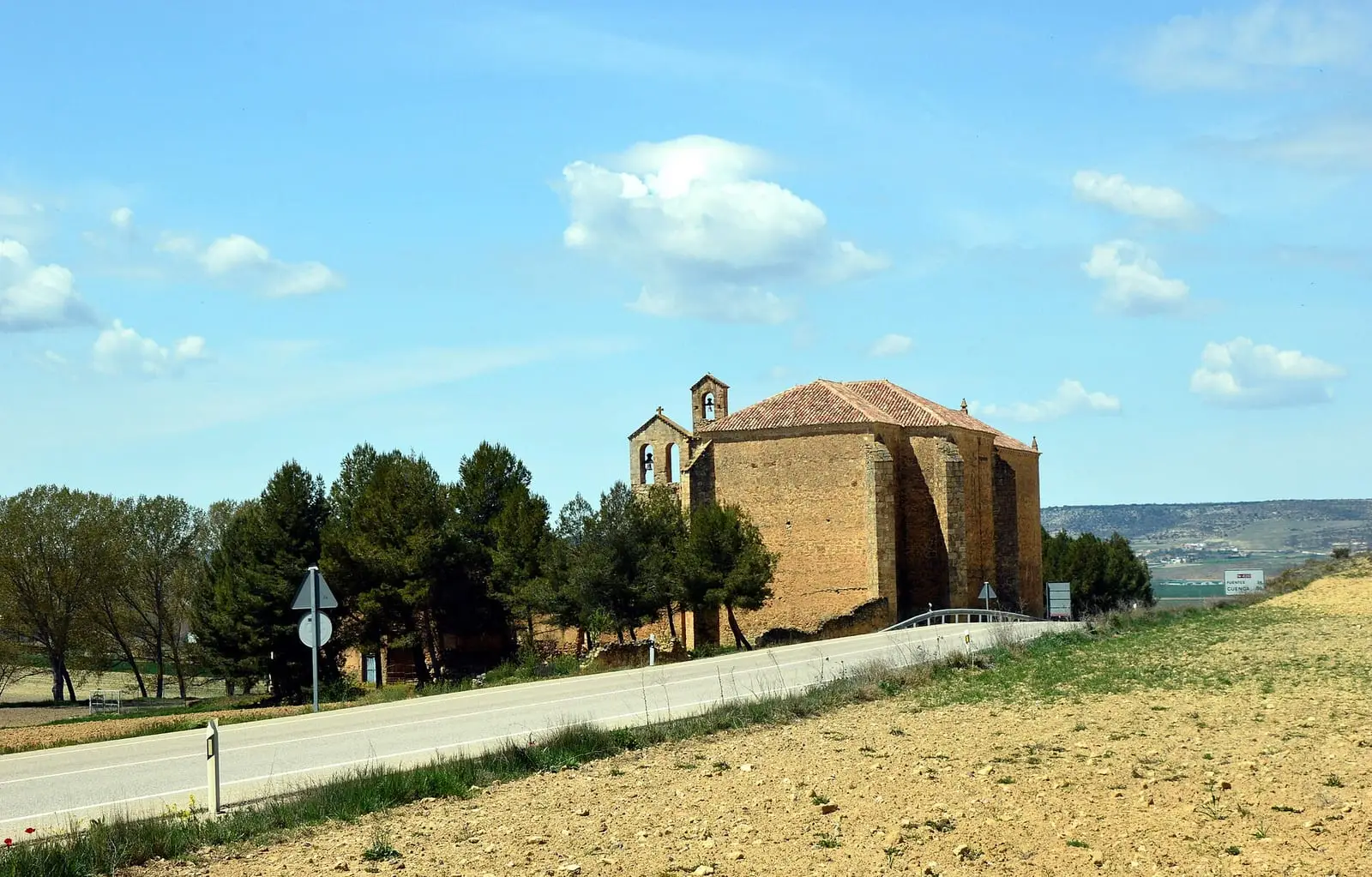
In 1500 Andrés de Cabrera and Beatriz de Bobadilla, the first Marquises of Moya, founded the Dominican convent of Santa Cruz here. The church of the former Dominican convent remains, built as their burial church: they lie at the foot of the high altar. It has a single nave, flat east end and double doorway divided by a central post beneath the Moya coat of arms. In the 18th century Martín de Aldehuela covered the Isabelline Gothic with plasterwork. The main altarpiece’s eight panels, attributed to Juan de Borgoña, are in Cuenca’s Diocesan Museum.
What trades and memory tell
Every May the village holds the Jornadas de la Santa Hijuela, recalling Carboneras’ role in the marquisate’s history. It was a large village, reaching almost 1,900 inhabitants in 1960 and still exceeding seven hundred.
The relic brought by the marchioness
The church of Santo Domingo keeps the Santa Hijuela, a cloth used to cover the chalice at mass. According to the village account, it comes from the miracle of the Corporals of Daroca: in 1239, during a campaign in Valencian lands, a priest hid consecrated hosts before an attack, and they later appeared bloodstained; a female donkey carried the corporals to Daroca. In 1495, still according to that account, Daroca’s chapter gave the cloth to Isabel the Catholic, who carried it on her travels; it later passed to Beatriz de Bobadilla, Marchioness of Moya, who gave it to the Dominican convent in Carboneras. When the convent disappeared it passed to Santo Domingo. It is celebrated on the second Sunday of May, with a procession bearing images from twinned villages beside the convent. The chain of donations remains undocumented.
Animeros and the devil
Carboneras retains its Ánimas festival for souls in purgatory before Lent. About a fortnight beforehand, at dusk, the animeros, collectors for the souls, go through the streets striking doors with a cudgel and asking for donations for the souls in purgatory. On Jueves Lardero, the Thursday before Lent, the devil emerges, a botarga, a costumed character with horns, tail and castanets, provoking people and trying to take their collections until the priest defeats him with the cross. On Sunday afternoon the collections are sold at auction for the parish. According to the municipal secretary, the festival has never stopped except during the pandemic.
San Roque and the associations
The main festivities are for San Roque in mid-August: a parade of festive groups from Plaza de Arriba, mass, procession and the joya, an age-group race in which older people run laps of the football field. Much is organised by Amigos de Guadazaón, which raises money through the year with other events such as April’s Matagorrino, formerly held at El Barranco with morteruelo and games. The Asociación de Mujeres Santa Hijuela, with about a hundred members in 2024 and almost thirty years of activity, sustains winter life with dancing, talks, trips and a stained-glass workshop that made a window for the burial church.
A week in Carboneras
The CRIEC opened in the village in 1983, an educational innovation centre where pupils in the fifth and sixth years of primary and first and second years of secondary education from across the region spend a week: about 1,500 a year according to the mayor in 2024. This is why many people in Castilla-La Mancha know Carboneras and remember its kiosks. It is separate from the Juan de Valdés secondary school, with about sixty pupils from the district, and the grouped rural school headquartered here.
In 2025 and 2026 secondary pupils built a small charcoal mound with environmental wardens: holm-oak and oak wood leaning against a central pole called the alcalde, with an opening and covered with branches and earth to admit little air. They watched it for three days, against more than a week for the large mounds of the past, checking smoke and covering collapses. One warden admitted he too learnt by doing. Afterwards they planned to try resin tapping.
Kaolin
Near the village the Casocipa-Sikamar plant treats ore from workings in Carboneras and neighbouring villages such as Reíllo and Monteagudo. According to its director, it separates kaolin, a very fine clay for tiles and sanitaryware, from quartz, sold by size for glass and sands, using hydrocyclones, settling, filter presses and drying. Since 2015 a village logistics company has transported the ore and product. In 2024 they provided 45 direct jobs for Carboneras and surrounding villages.
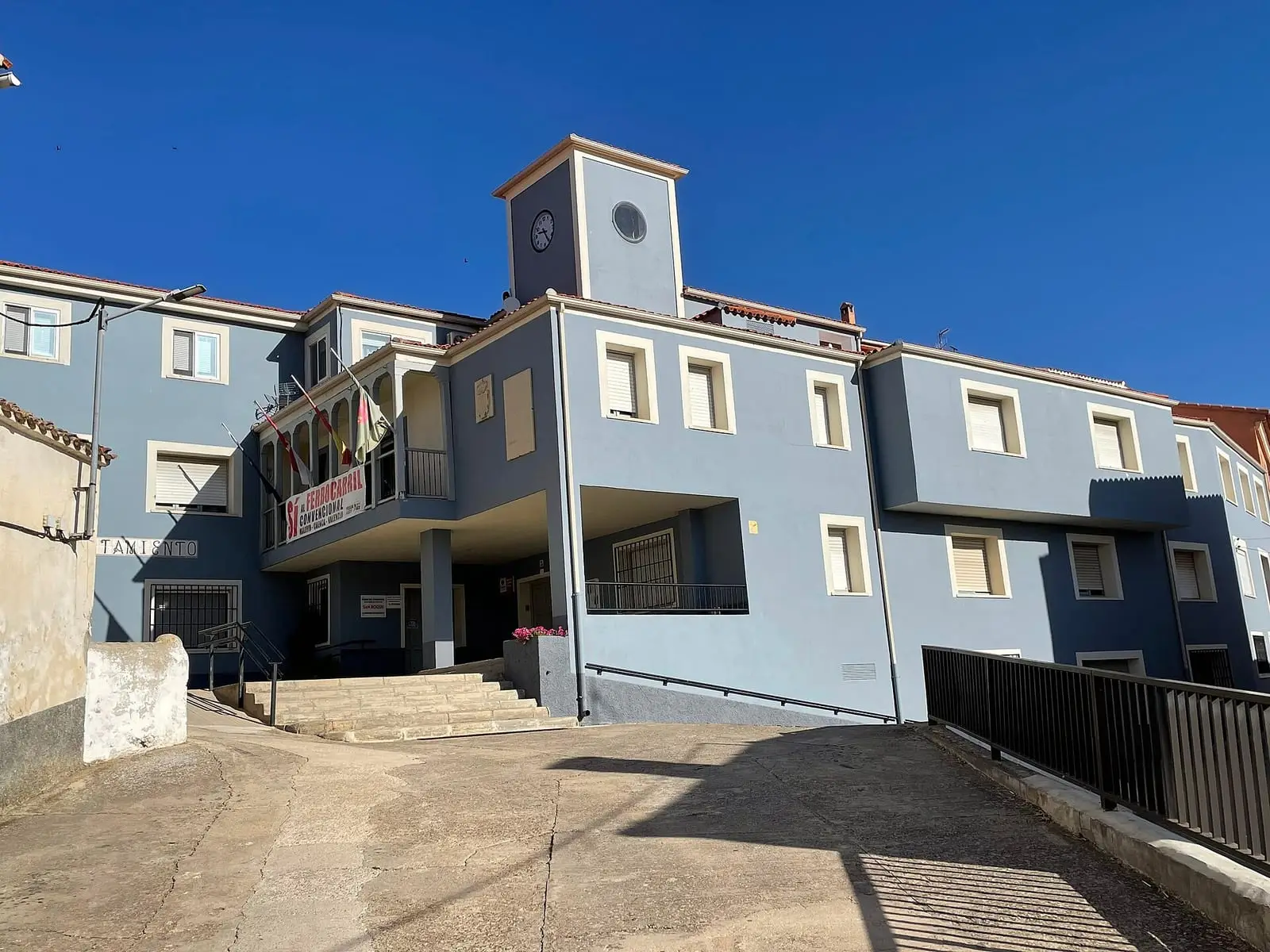
The town council operates in the former Guardia Civil barracks. In 2024 the mayor opposed closure of the Cuenca-Utiel railway: Cuenca formerly took about twenty-five minutes by train, against an hour and a half by bus.
The priest-poet’s paintings
The parish church of Santo Domingo, distinct from the convent burial church, holds murals painted by Carlos de la Rica (1930–1997), priest, poet and publisher, village parish priest for over forty years and a founder of the Real Academia Conquense de Artes y Letras. He began painting them in the late 1950s, soon after arrival, with a Romanesque air, and continued in the 1980s near the entrance. A former altar boy remembers handing him brushes on the scaffold and the day they returned from fetching a ladder to find him fallen with both wrists broken. According to what the restorer told him, while painting the high altar a remnant of 12th-century painting appeared in the apse, which De la Rica respected alongside his work. In 2022 the bishopric budgeted restoration of the murals at about 36,000 euros and villagers sought funding; in 2024 the campaign continued slowly between Cuenca Provincial Council (Diputación de Cuenca), the bishopric and donors, with the work still undone.
Plan your visit
The church and surroundings take little time. The Borgoña panels are in Cuenca.
Before you travel
Ask the town council or parish when the church can be entered.
Combine with
Reíllo, Pajarón and Arguisuelas are between 5 and 8 km away as the crow flies and can be linked in a day.
Frequently asked questions
What is there to see in Carboneras de Guadazaón?
The church of the former Dominican convent of Santa Cruz, burial place of the first Marquises of Moya: it has a single nave with a flat east end, a doorway with two entrances and 18th-century decorative alterations.
Who founded the convent?
Andrés de Cabrera, Beatriz de Bobadilla and Juan Pérez de Cabrera, around 1500, according to the Castilla-La Mancha Culture portal. The founders are buried in the church.
Where is the convent's altarpiece?
Eight paintings from the main altarpiece, attributed to Juan de Borgoña, are preserved in Cuenca's Diocesan Museum.
Carry on from here
The rivers, zones, eras, places and official routes that the atlas links with Carboneras de Guadazaón.
Lands and landscapes
From here, follow the memory of the land
These readings connect Carboneras de Guadazaón with the stories, the work and the villages around it.
Places in the municipality and around it
Near Carboneras de Guadazaón
Las Hoyas
La Cierva
Fuente del Royo picnic area
Huerta del Marquesado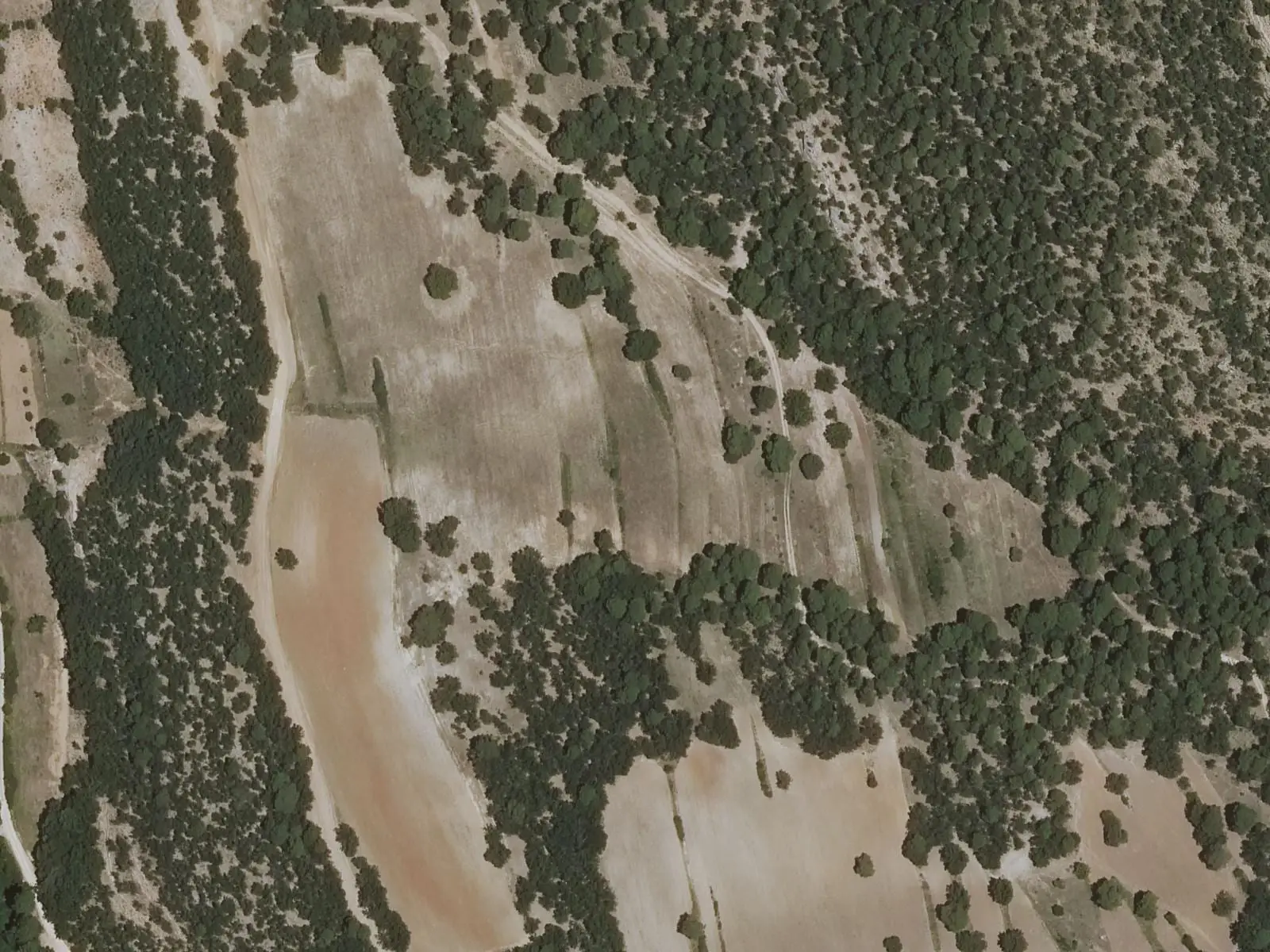
Prao de San Roque picnic area
Huerta del MarquesadoSee 5 more
Paisaje Ilustrado of Huerta del Marquesado
Huerta del Marquesado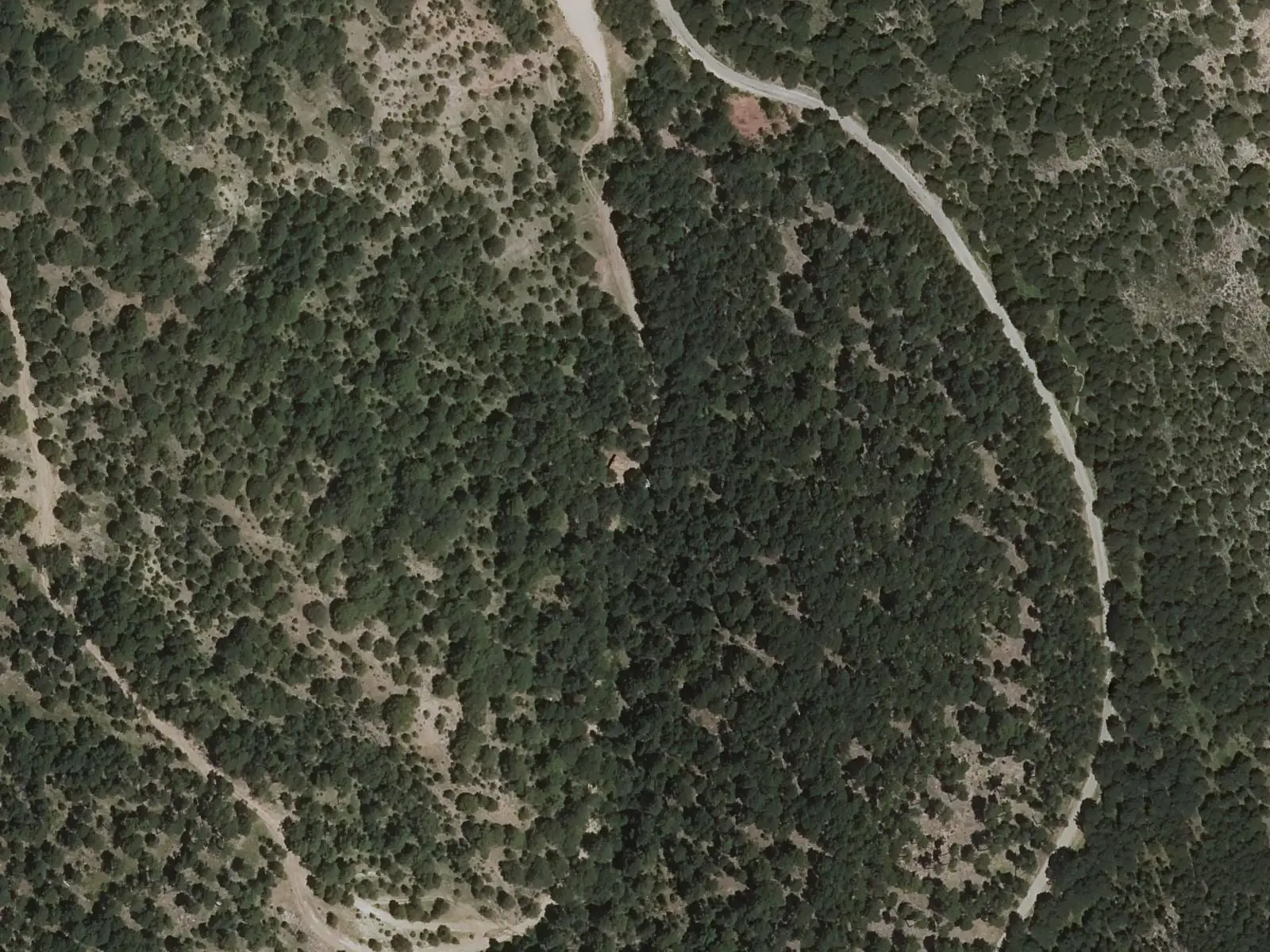
Fuente de la Ardilla picnic area
Valdemeca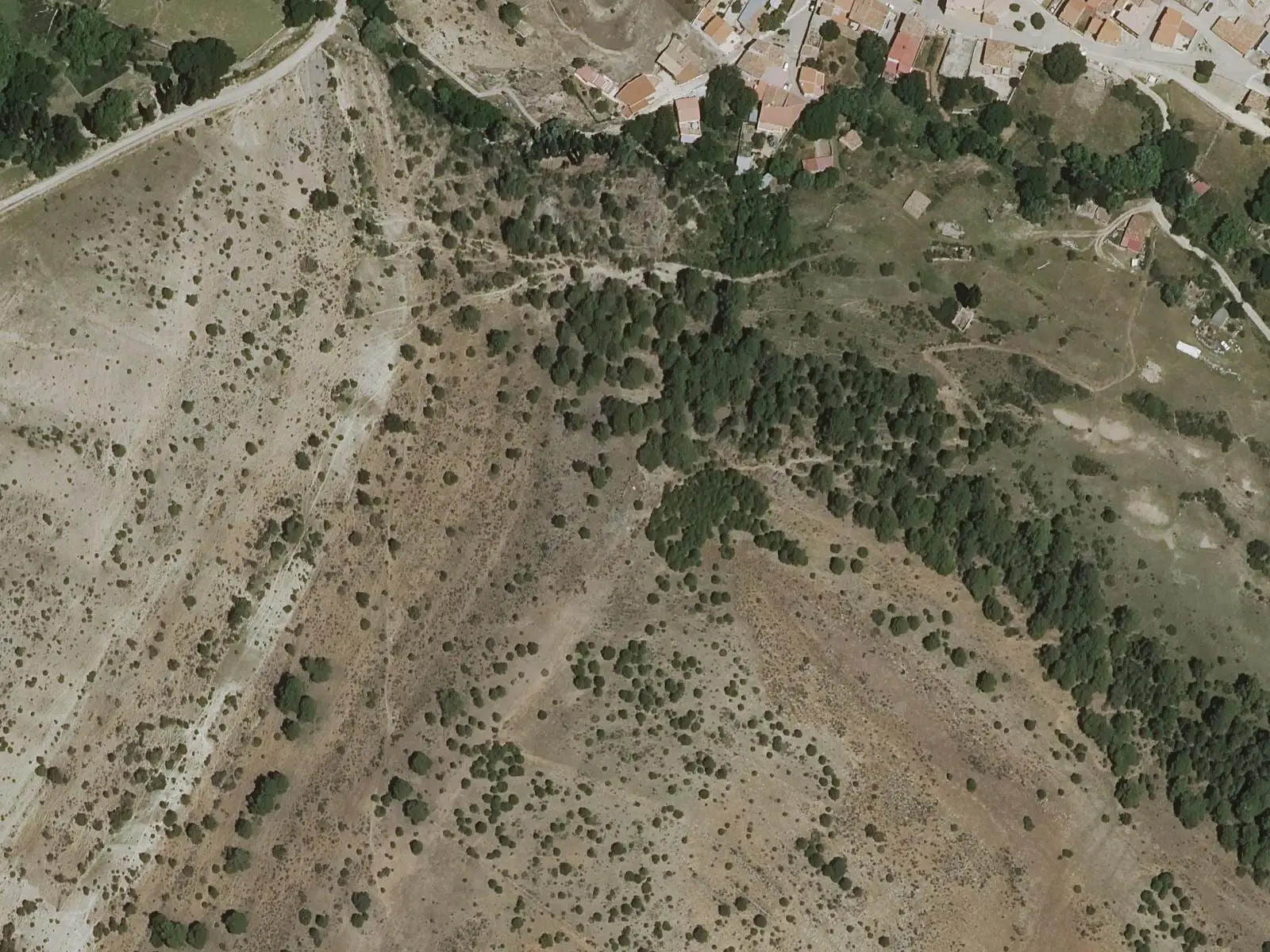
Beamud viewpoint
Beamud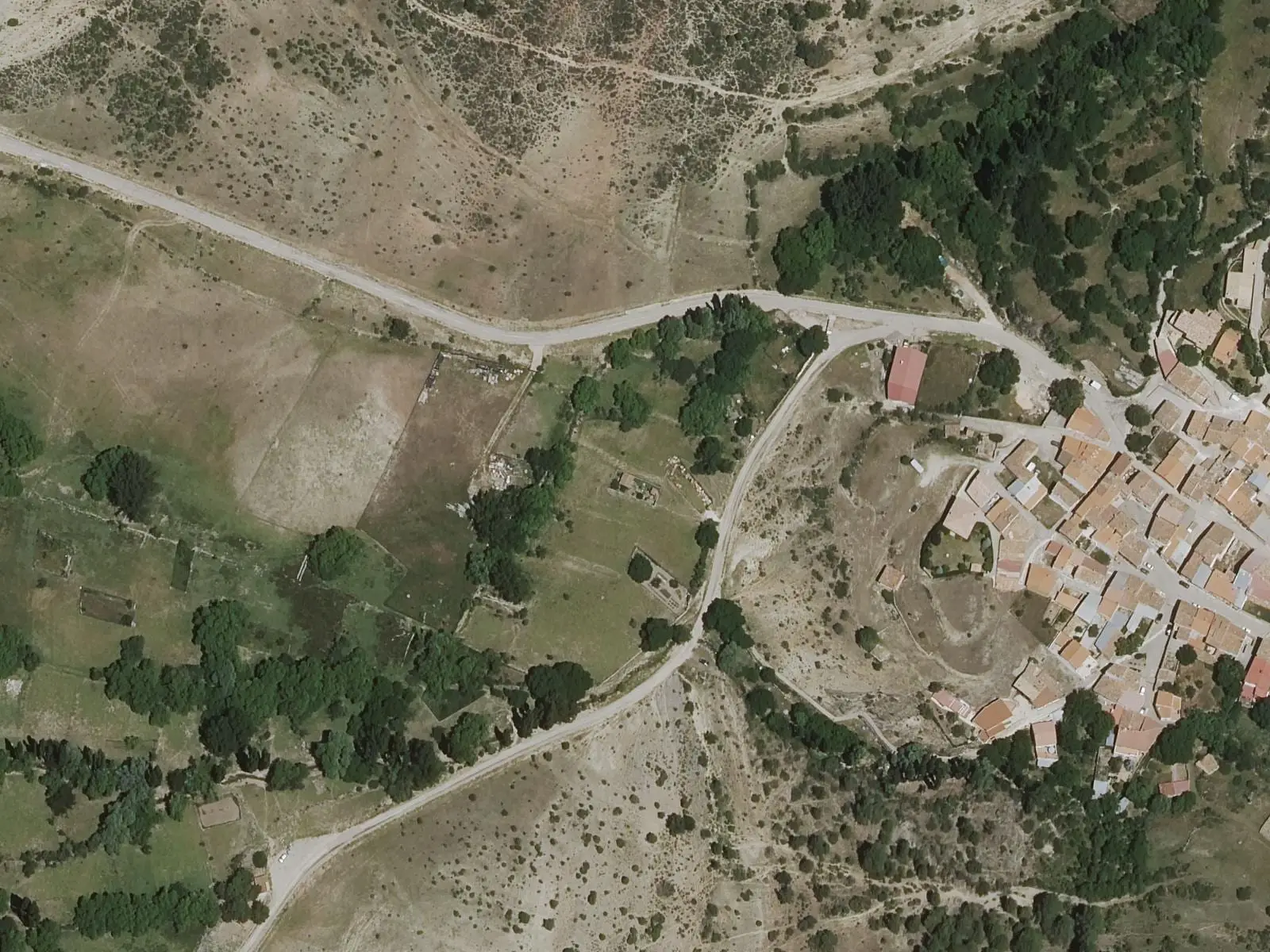
Fuente de los Pastores picnic area
Beamud
Fuente del Arenazo picnic area
CuencaPopulation of Carboneras de Guadazaón, 1842–2021
Carboneras de Guadazaón reached 1,868 inhabitants in 1960. The 2021 census counted 764, 59 % fewer. It is the story told in the emptying.
Climate in Carboneras de Guadazaón month by month
Averages for the ten years from 2015 to 2024 from the ERA5 reanalysis (Copernicus), for a grid cell with a reference altitude of 1027 m. They are model estimates, not measurements from a local station or thirty-year climate normals.
Source: Copernicus ERA5 via Open-Meteo, CC BY 4.0. Retrieved: 2026-10-09.
Location
● Reference point · ● Villages · ● Places
Location sketch. The map with paths and names loads as you scroll to it.
Approximate position: village centre.
Reference villages: Reíllo · Pajarón · Arguisuelas · Pajaroncillo.
Open the full map and its historical layers →Where the data on this page come from
- Location
- IGN: Nomenclátor Geográfico Básico de España, capital de municipio (CC BY 4.0) source consulted, 9 October 2026
«Source consulted»: the primary source has been read. «Reference located»: the source has been identified but not yet read. «Open question»: the figure needs confirmation.