Episode · 2000 – 2026 · Today
The Serranía in the 21st century
The 74 Serranía municipalities with a 1950 census, excluding the city of Cuenca, had 60,200 inhabitants then; in 2021 they had 15,141. Thirteen have fewer than fifty inhabitants. In these years the territory has gained protective designations, the Natural Park in 2007 and the Valle del Cabriel Biosphere Reserve in 2019, and scientific work, with new excavations in Casas de Garcimolina, Huerta del Marquesado or Las Valeras. War memory has been set in stone in Pajaroncillo and Santa Cruz de Moya.
On this page 8 sections
The census figures
In 1950 the 74 Serranía municipalities with census data, excluding the city of Cuenca, totalled 60,200 inhabitants. In the 2021 census there were 15,141: three in four had gone. Thirteen municipalities have fewer than fifty inhabitants, and thirty-four fewer than a hundred.
The decline was not the same everywhere. Valsalobre fell from 333 to 21, a 94% drop; Yémeda, from 229 to 17, the smallest municipality. Those that lost least are Landete, which fell from 2,190 to 1,216, and Mariana, from 532 to 306. The most populous in 2021 was Las Valeras, with 1,476.
Staying, returning, arriving
Behind the figures are villages sustaining themselves in different ways. Tragacete serves as a small local centre: in 2021 its pharmacist visited Vega del Codorno, Huélamo, Beamud and Valdemeca one afternoon a week and took medicines up to older people’s homes. In Vega del Codorno, with 138 registered inhabitants in 2025, about a hundred lived there from Monday to Friday, spread across eight neighbourhoods along the valley. In La Cierva, with 25 inhabitants, a German couple arrived in 1993 to see where the road ended; thirty years later she was the mayor. Other villages emptied entirely, such as Valtablado in Beteta or Villalbilla in Villar de Domingo García, and in some descendants return to repair streets and springs although nobody lives there in winter.
Some of those changes were paid for with European money. According to the study Vestal Etnografía was preparing in 2024 on thirty years of the LEADER programme in the Serranía, between 1991 and 2022 it supported 858 projects in 46 municipalities and dependent villages, about thirty a year; nearly 40% of investment went to the Serranía Baja (lower Serranía), 21% to the Serranía Alta (upper Serranía), 15% to the Serranía Media (middle Serranía) and Campichuelo, and the rest to projects covering the whole district. Examples highlighted include extensive goat farming, the Salvacañete vehicle inspection station, the Cardenete organ, La Alvarada in Cañete, dark skies, restoring springs and pens and the Paisaje Ilustrado in Valdemeca. Projects are not jobs or businesses, and the study does not measure how much of each change is due to the grant.
Telling the mountains’ story
Memory has also become fieldwork.
- Forums on traditional ecological knowledge. They began in Huélamo in 2023 and continued in Cañete in 2024, in Cuenca and in Cardenete.
- Trashumancias. The programme run by Fundación Los Maestros and La Circular magazine trained dozens of university students in the Serranía in 2024 and 2025, with sessions in Huélamo and Vega del Codorno. Some spent two weeks in residence creating work from villagers’ accounts. In Tragacete, a group of women recalled their childhood games. In Beamud, an actress staged shepherds’ testimonies with eight accordions.
- Theatre. La Sierra Cuenta, by Teresa Valeriano, was written from accounts from Huélamo, Beamud, Vega del Codorno, Valdemeca and Tragacete. A scene was presented in Tragacete on 6 December 2025 and the whole work was performed, with villagers as actors, on 20 June 2026 at the Herrería de Los Chorros in Huélamo.
- Written memory. Tu Comarca magazine, published by Fundación Los Maestros and Asociación Los Chorros, has published village memories monthly since 2024. These provided the material for The hearth, school and the road to Valencia.
- Radio. In the Serranía Baja, Radio Talayuelas first broadcast on Christmas Eve 2018, and Radio Serranía has broadcast online since 2020.
A protected territory
As people left, the hills gained protection. Law 5/2007 designated the Serranía de Cuenca Natural Park, with about 73,726 hectares of the Serranía Alta; in 2020 its peripheral protection zone grew to 2,413 hectares, mainly in Huélamo. In 2019, UNESCO designated the Valle del Cabriel Biosphere Reserve, covering 421,765.93 hectares of Cuenca, Albacete, Teruel and Valencia according to the BOE. In 2021 the regional government of Castilla-La Mancha listed the Gancheros del Alto Tajo as a Bien de Interés Cultural (Spain’s highest heritage listing), the trade of driving timber down rivers also practised on the Escabas and Guadiela.
Water has also changed the rules. The DANA of October 2024, a cut-off low weather event, damaged the Chorreras del Cabriel in Víllora; since then going down to the pools has been banned and access is only along a path. On 14 May 2026 another opened, the PR-CU 120, 14 km long, from the village.
Excavating again
Science has returned to the hills. Since 2021 the Cerrito del Moro hillfort in Huerta del Marquesado has been excavated; a Copper Age plaque idol appeared there in 2023. In 2024, the first campaign of the Proyecto Chikuto, run by the Universidad Autónoma de Madrid and the Museo de Paleontología, recovered about 350 fossil specimens from an old quarry between Casas de Garcimolina and Algarra. In 2025 archaeologists returned to Pico de la Muela, beside Valeria, where there had been no excavation since 1977. And new species keep emerging from Las Hoyas: the bird Gorgonavis alcyone was described in 2026.
Memory in stone
In the cemetery of Pajaroncillo there is a grave containing 48 Republican soldiers who died in the El Cañizar military hospital. La Gavilla Verde began searching for it in 2017 at the families’ request; it could not be exhumed without damaging later graves, and on 25 May 2024 a monolith was erected with their names. That same year, on 5 October, in Santa Cruz de Moya the association opened the Centro de Interpretación de la Guerrilla del AGLA.
In 2026 the Salto de Villalba turned a hundred: the station that began sending electricity from the Júcar to Madrid in 1926. Its history is in its story.
More about this era: Today.
Vocabulary
- Parque Natural
- A protective designation under natural areas legislation for large, little-altered territories where traditional uses continue.
- Zona periférica de protección
- A belt around a protected area that buffers what happens outside it.
- Reserva de la Biosfera
- A UNESCO designation within the Man and the Biosphere programme for territories combining conservation and local life.
- Censo de población
- A count of inhabitants conducted by the INE, generally every ten years. The legally resident population is used here.
Where it is today
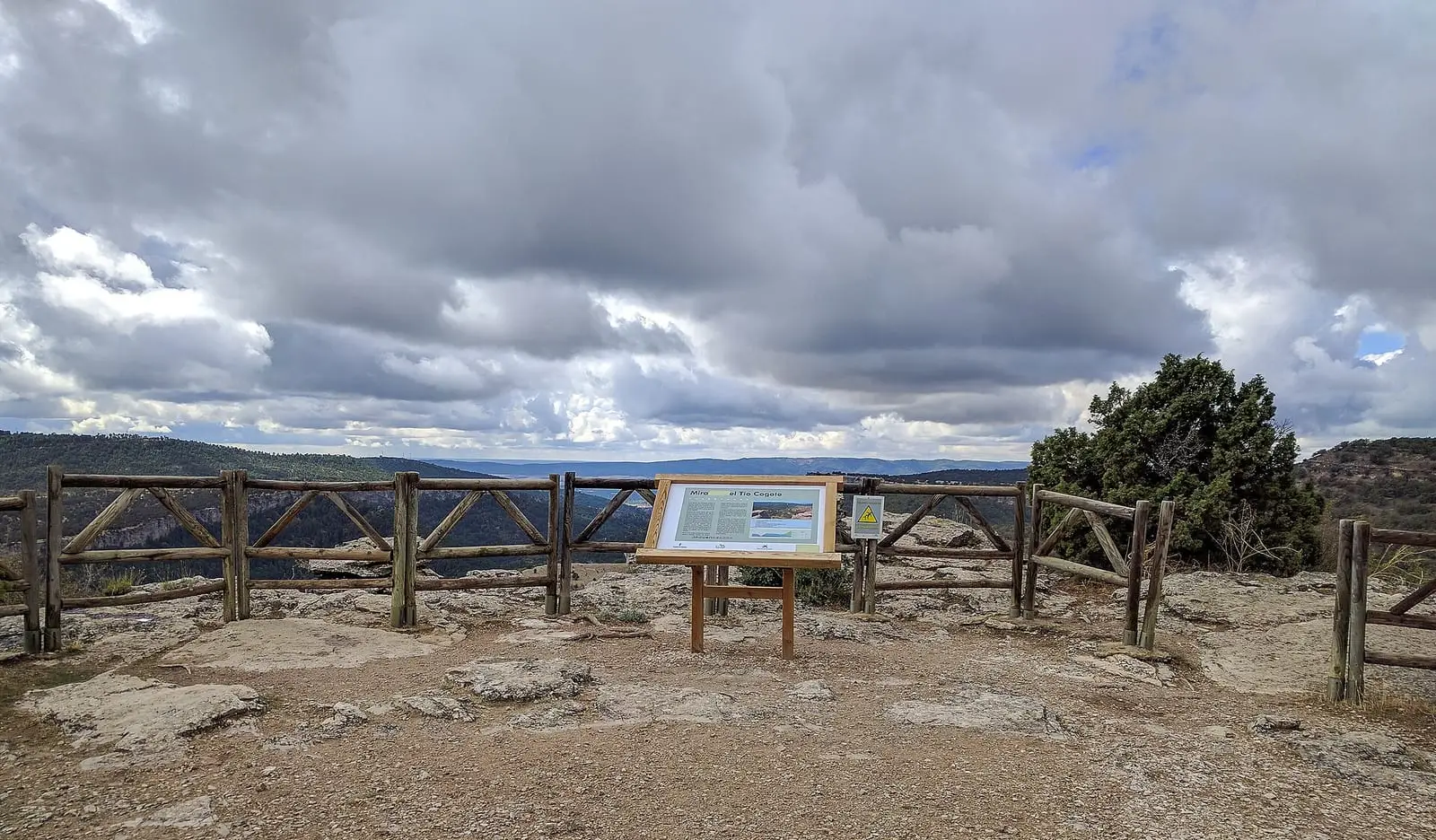
Serranía de Cuenca Natural Park
Ley 5/2007, de 8 de marzo · 73,726 ha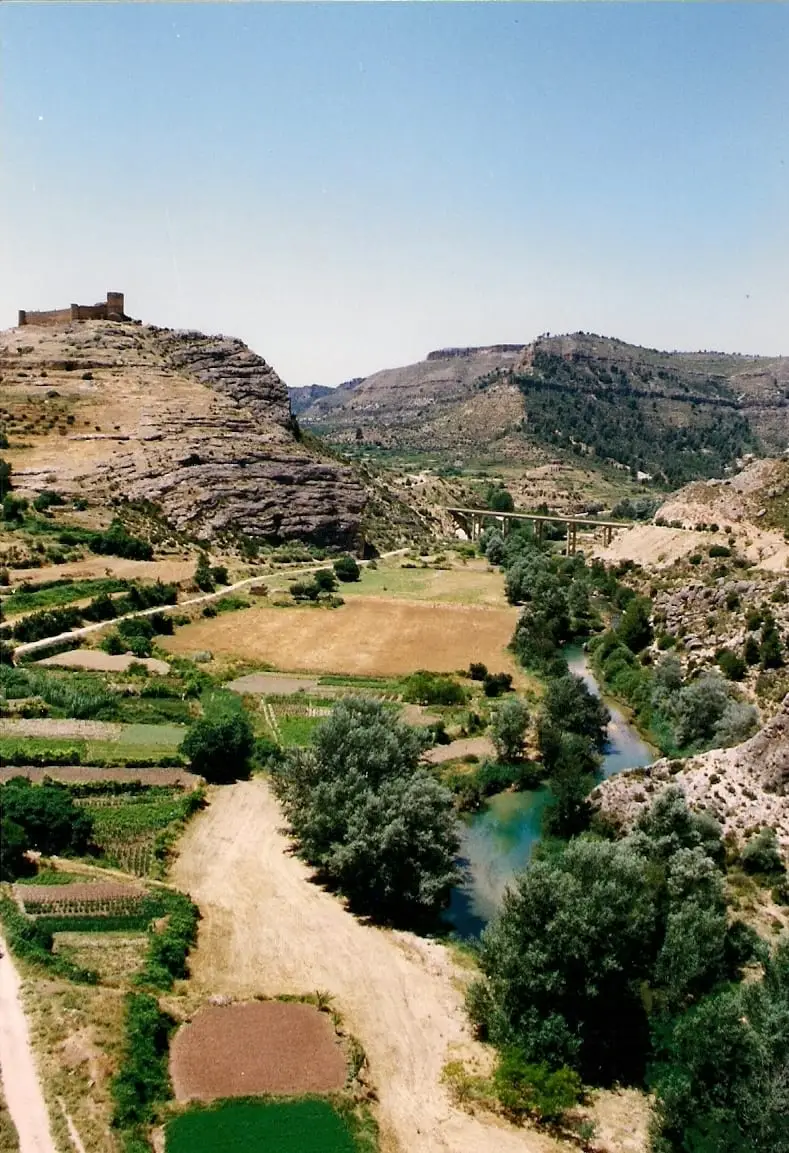
Valle del Cabriel Biosphere Reserve
Declaración del Consejo Internacional de Coordinación del MaB, 19 de junio de 2019 · 421,765.93 ha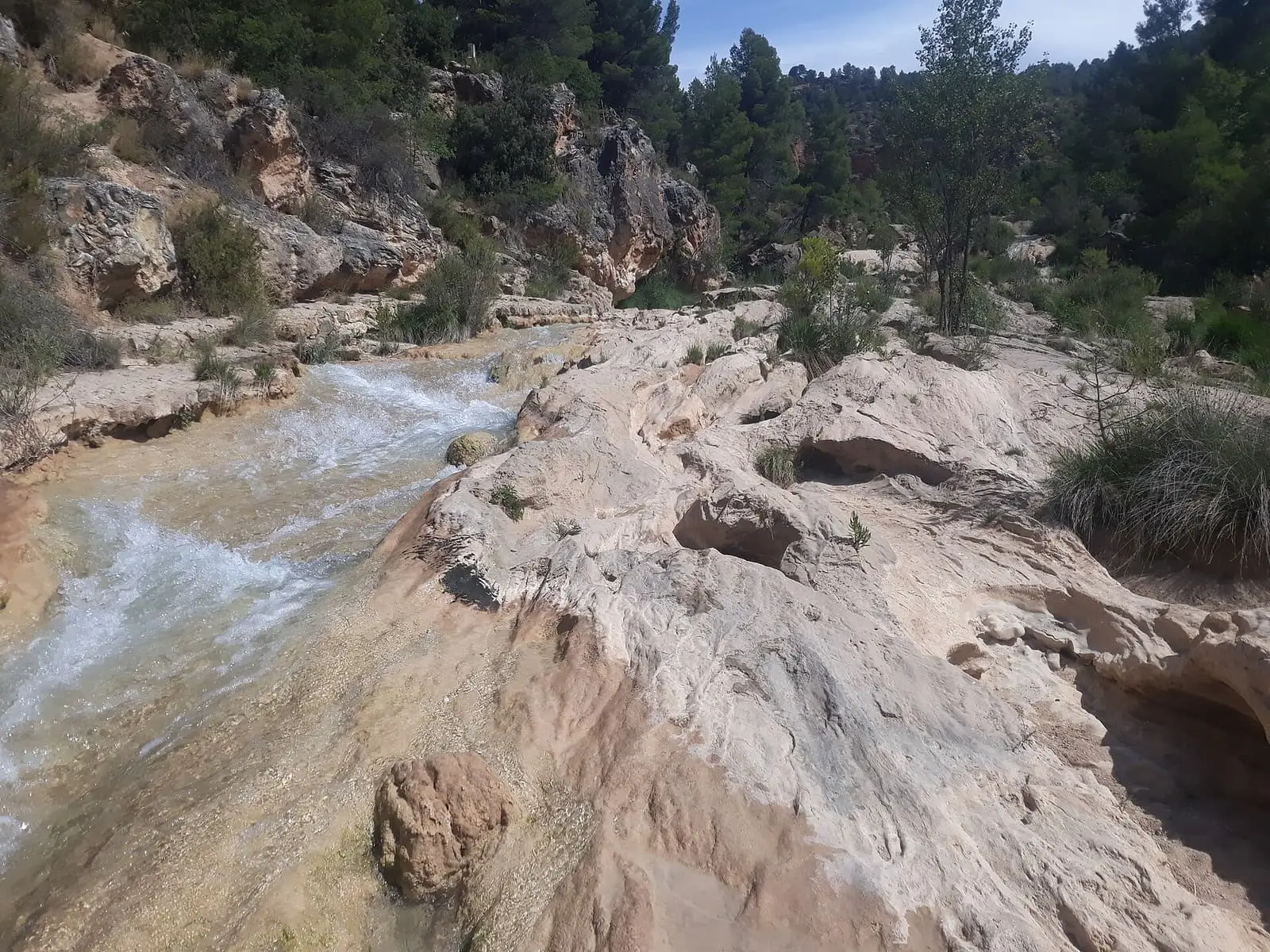
Chorreras del Cabriel Natural Monument
Decreto 52/2019, de 18 de junio · 264.41 haCasas de Garcimolina fossil site (Proyecto Chikuto)
Casas de Garcimolina, Algarra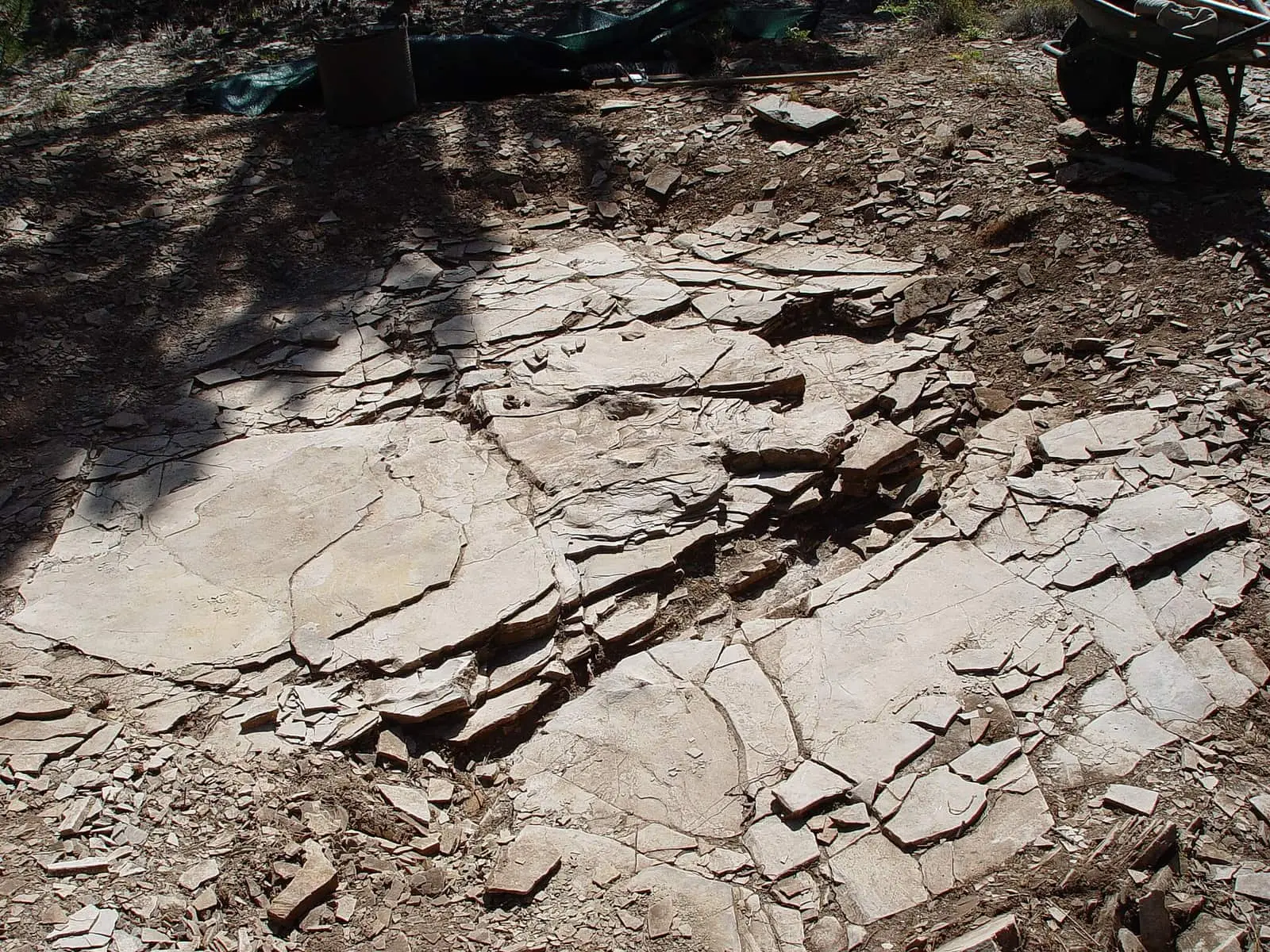
Las Hoyas
La CiervaCerrito del Moro
Huerta del MarquesadoPico de la Muela
Las ValerasGrave of the wounded of El Cañizar hospital in Pajaroncillo
PajaroncilloAGLA Guerrilla Interpretation Centre
Santa Cruz de Moya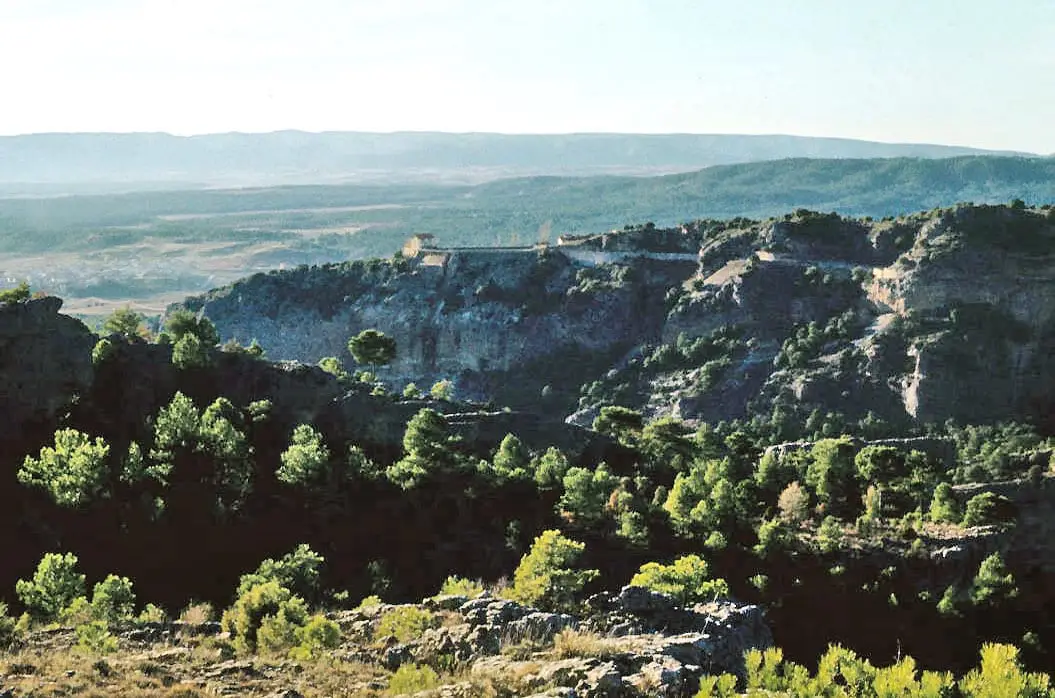
Salto de Villalba
Villalba de la Sierra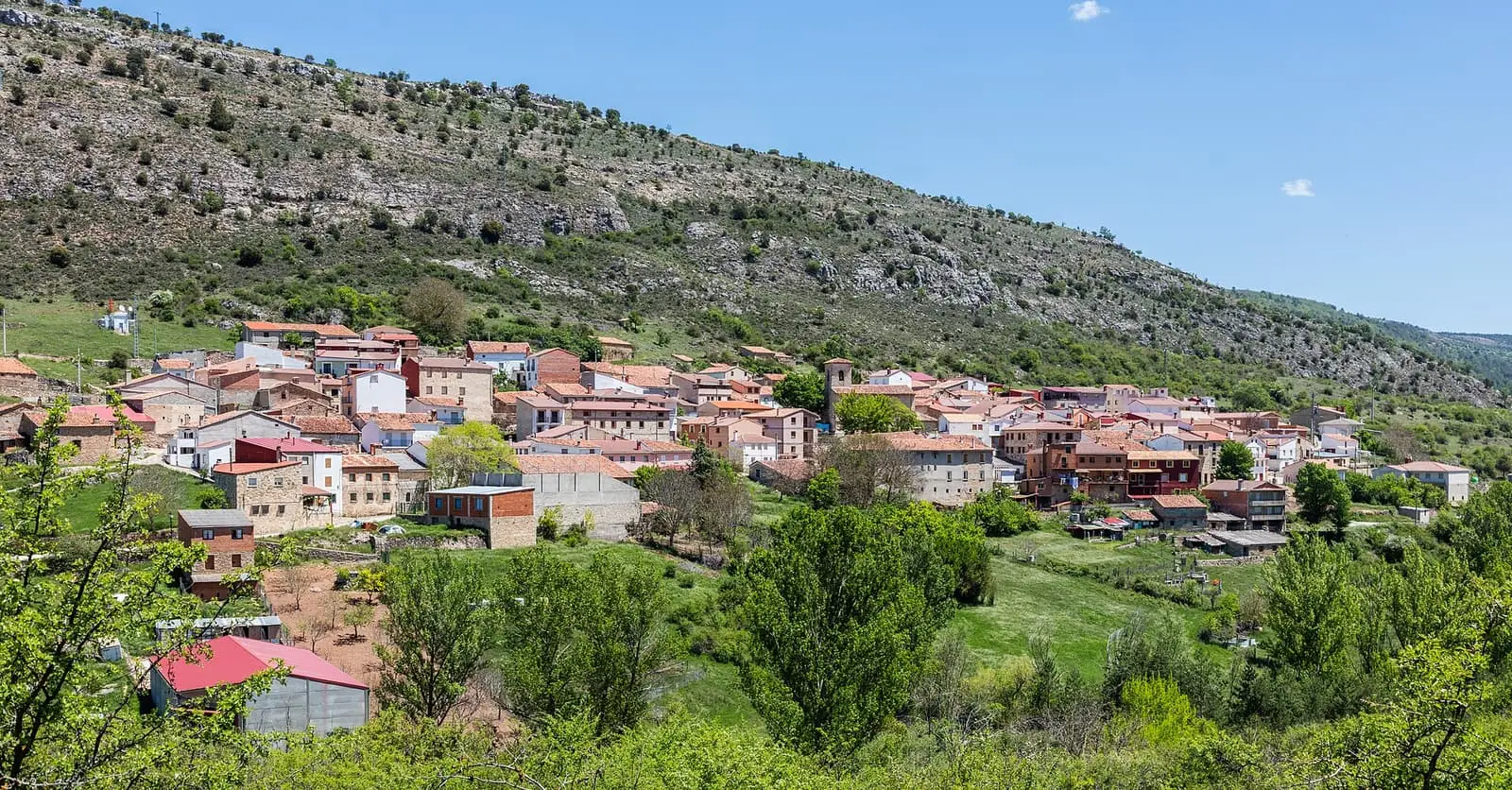
Valsalobre
Cuenca · 1 places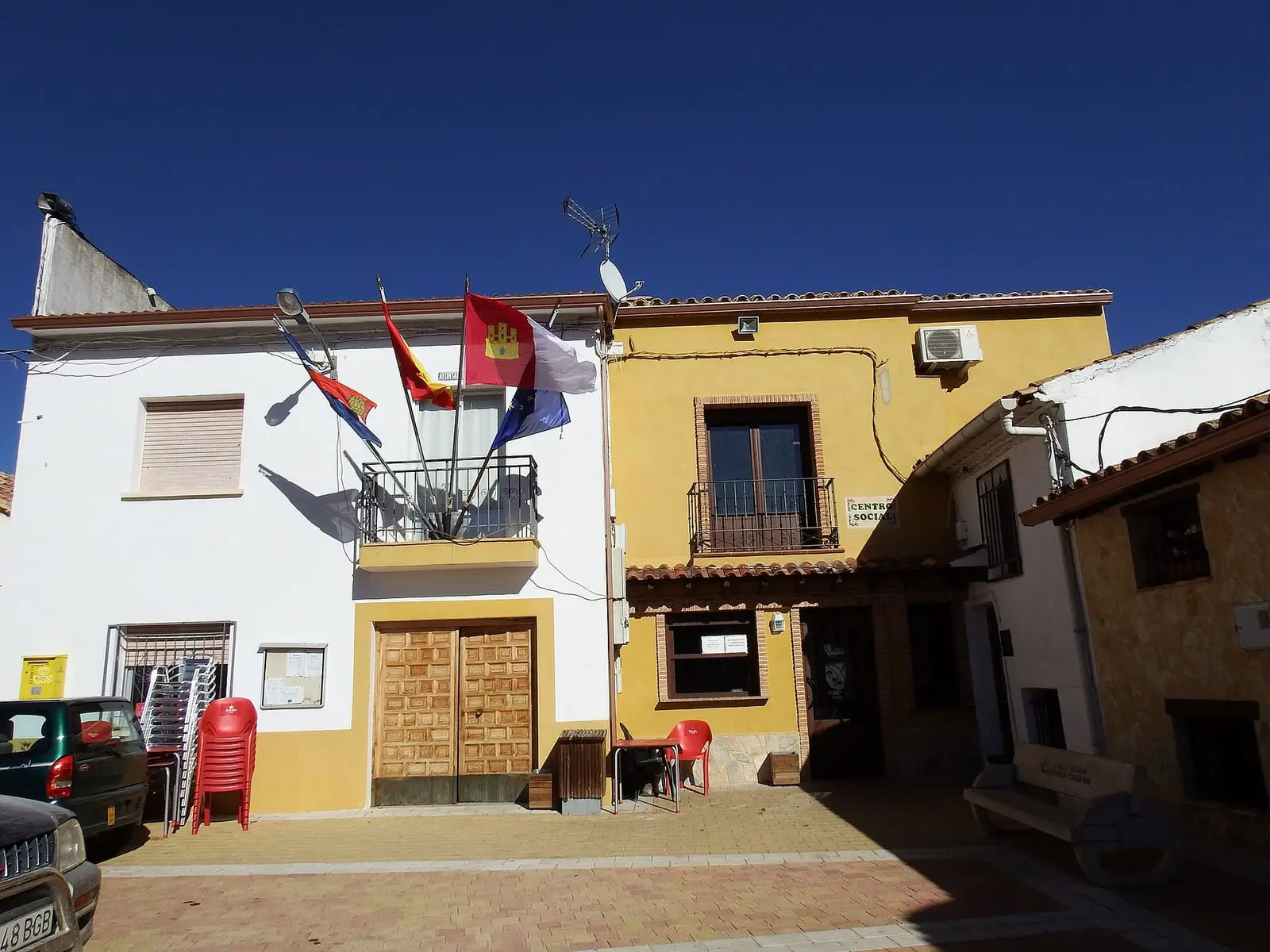
Yémeda
Cuenca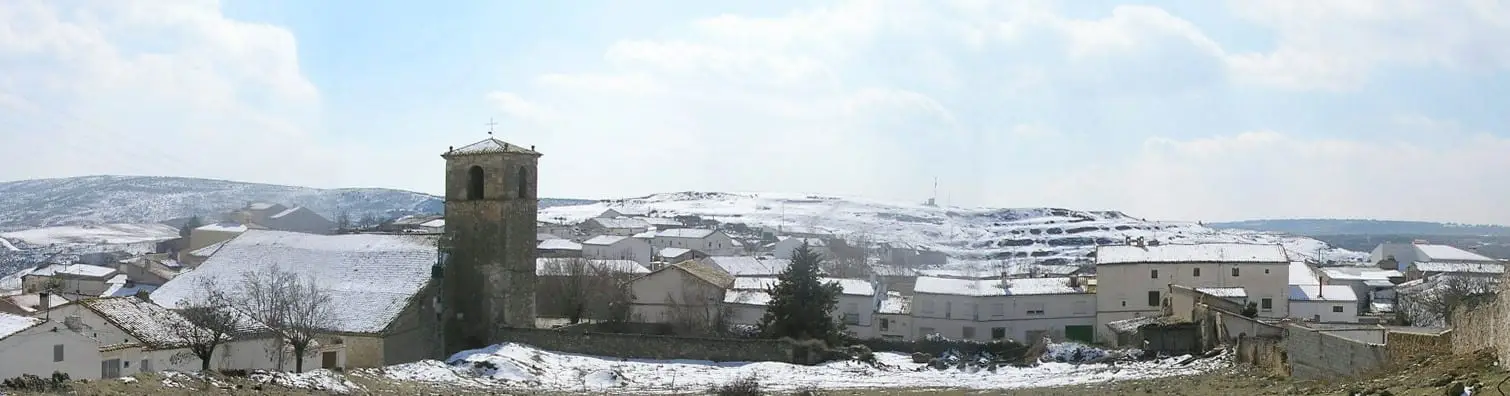
Las Valeras
Cuenca · 5 places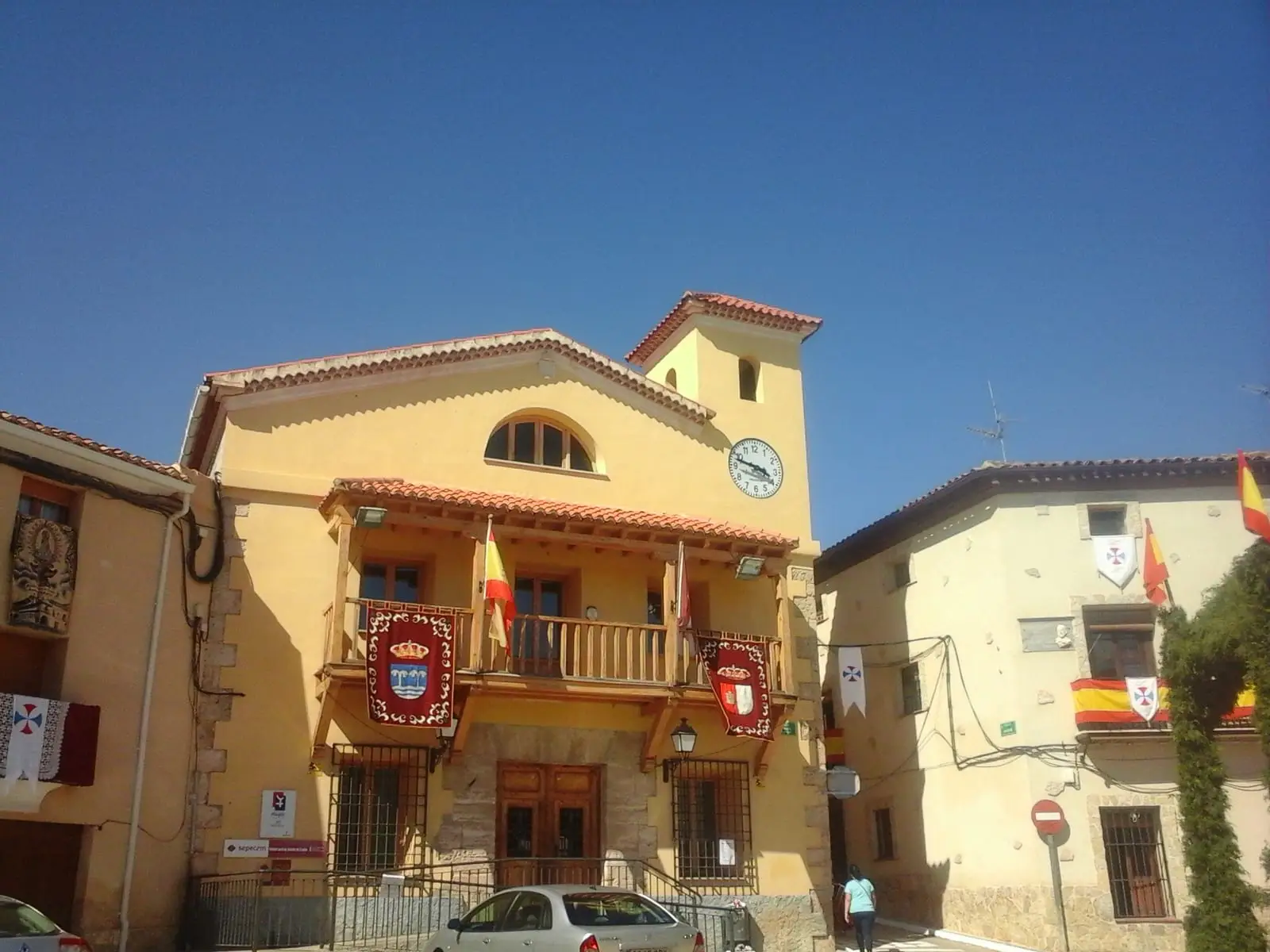
Landete
Cuenca · 2 places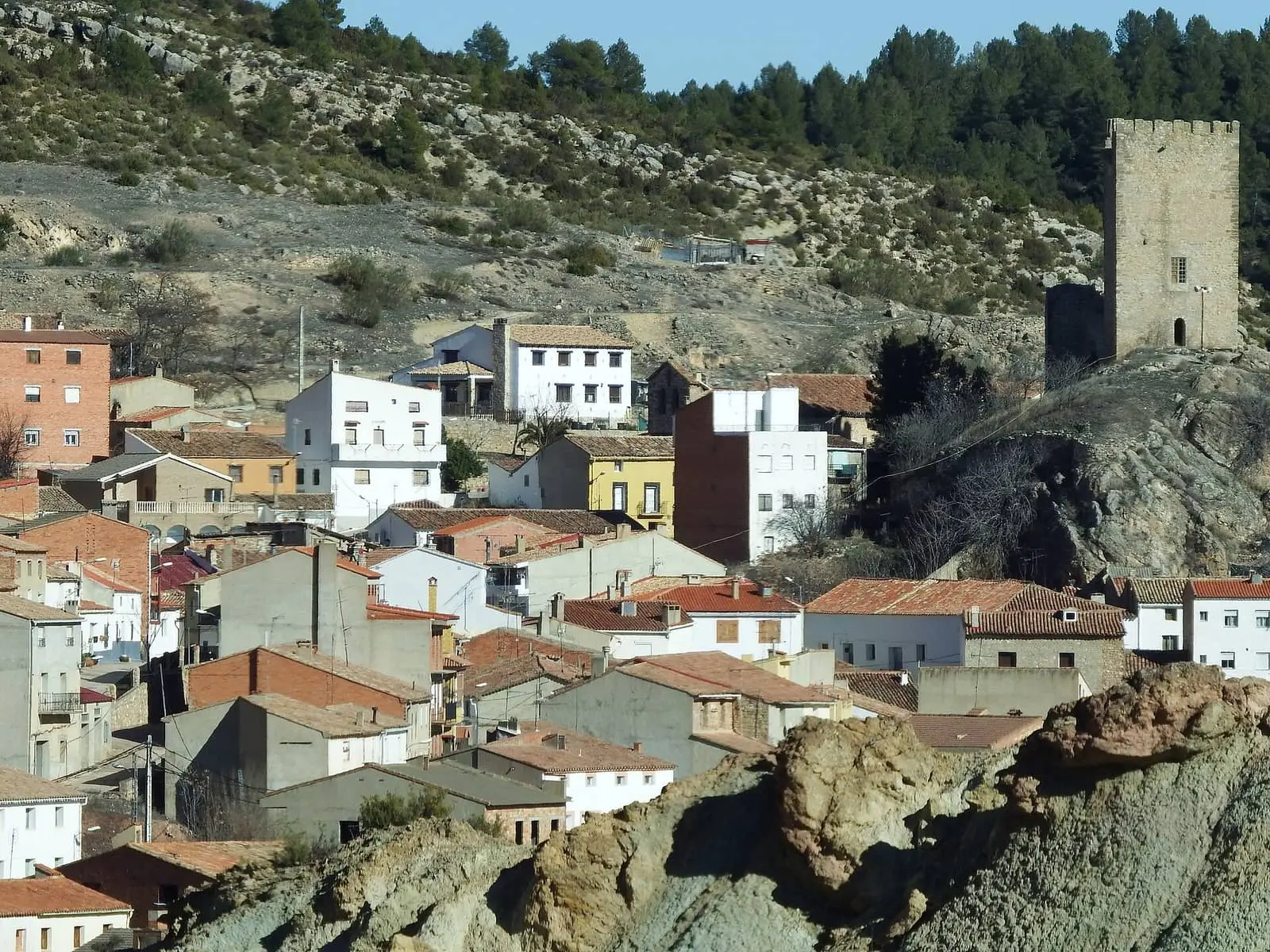
Víllora
Cuenca · 4 places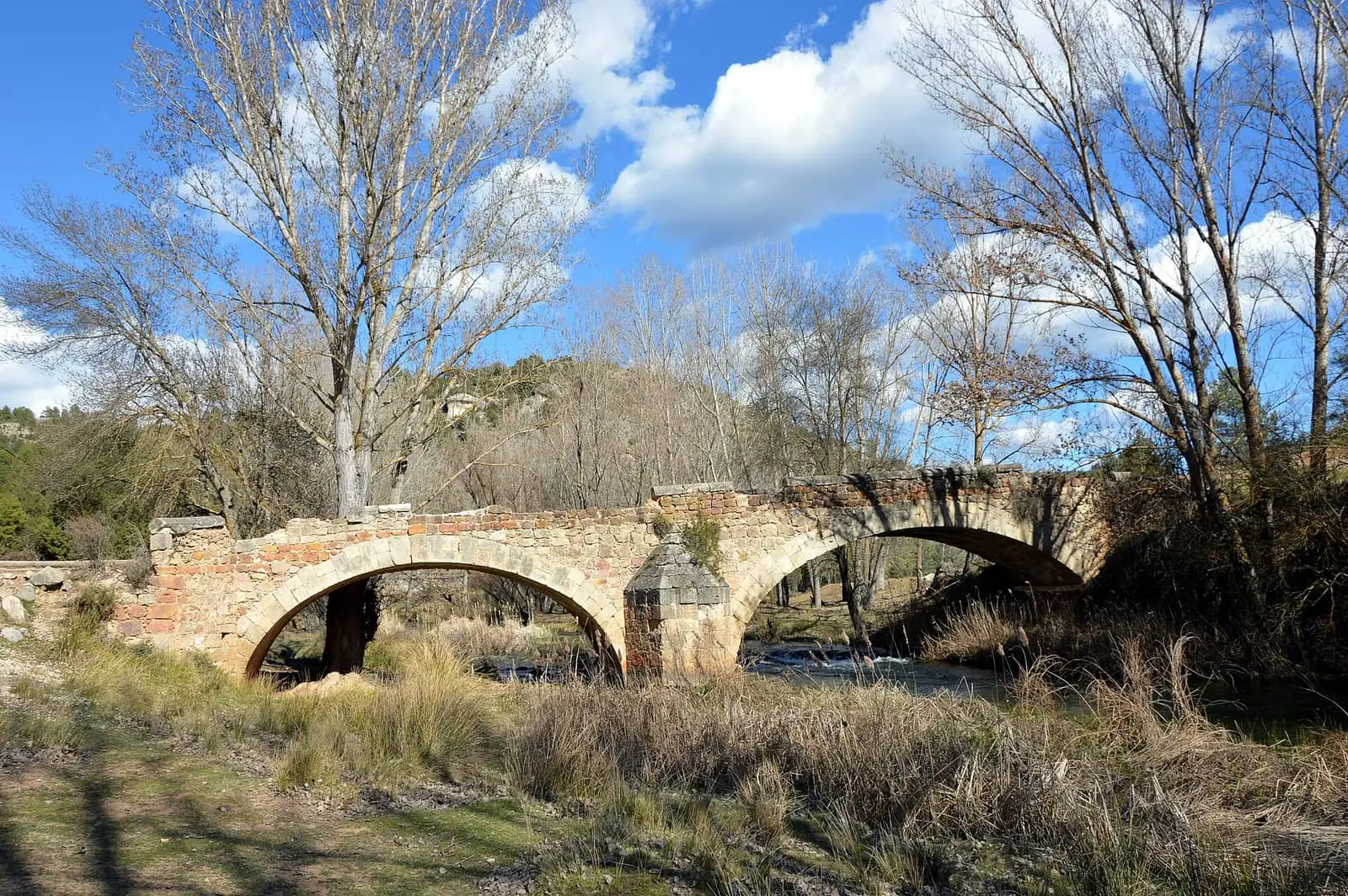
Pajaroncillo
Cuenca · 4 places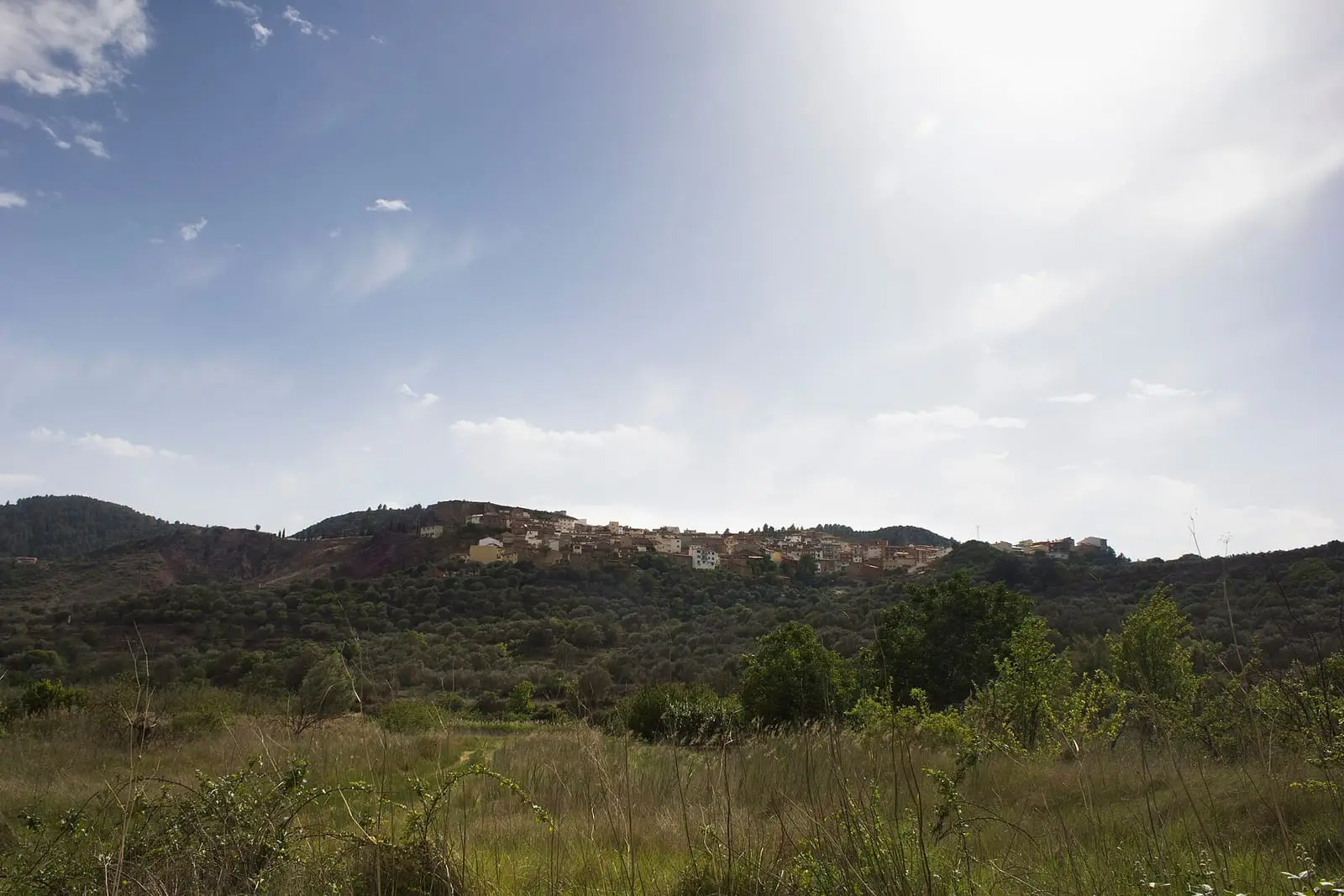
Santa Cruz de Moya
Cuenca · 5 placesFrequently asked questions
How many people live in the Serranía today?
In the 2021 census, the 74 municipalities with data since 1950, excluding the city of Cuenca, totalled 15,141 inhabitants, 75% fewer than in 1950. The largest were Las Valeras (1,476) and Landete (1,216); the smallest, Yémeda, with 17.
What does the Natural Park protect?
About 73,726 hectares of the Serranía Alta, from the city of Cuenca to Tragacete and Zafrilla, including the Ciudad Encantada and the source of the Júcar. It was designated by Law 5/2007.
Sources and reading
- González, N. y Valeriano, T.: La Sierra Cuenta, Tu Comarca 39 (julio de 2026), pp. 3-5 source consulted
- Fundación Los Maestros: balance del año, Tu Comarca 41 (septiembre de 2026), p. 4 source consulted
- INE: Alteraciones de los municipios en los censos de población desde 1842 (población de derecho, 1950 y 2021) source consulted · Figures added municipality by municipality for the 74 in the atlas with a 1950 census, excluding the city of Cuenca.
- Ley 5/2007, de 8 de marzo, de Declaración del Parque Natural de la Serranía de Cuenca (BOE-A-2007-10024) source consulted
- Ley 5/2020, de 24 de julio, disposición final cuarta: nueva redacción del anejo III (BOE-A-2020-12770) source consulted
- BOE-A-2020-287: Resolución de 17-12-2019 sobre las Reservas de la Biosfera declaradas en junio de 2019 (Valle del Cabriel) source consulted
- Acuerdo de 20/04/2021 por el que se declara Bien de Interés Cultural los Gancheros del Alto Tajo (DOCM n.º 80, 28-04-2021) source consulted
- Voces de Cuenca: «La primera excavación del Proyecto Chikuto revela 350 piezas paleontológicas en Casas de Garcimolina y Algarra» (18-8-2024) source consulted
- La Gavilla Verde: Exhumación Fosa Grupo Pajaroncillo-Cañizar source consulted
- La Gavilla Verde: Centro de Interpretación de la Guerrilla del AGLA source consulted
- Ayuntamiento de Víllora: restricciones de acceso a las Chorreras del Cabriel por la DANA de octubre de 2024 source consulted
- Junta de Castilla-La Mancha: El Gobierno regional impulsa en Víllora un nuevo sendero que conecta el municipio con las Chorreras del Cabriel (PR-CU 120) source consulted
- Hoy por Hoy Cuenca, Cadena SER: «Pesa más lo positivo que lo negativo, la vida en Tragacete, un pequeño pueblo de Cuenca» (28-10-2021, con audio) source consulted
- Hoy por Hoy Cuenca, Cadena SER: «El pueblo más singular de la provincia de Cuenca cumple 100 años este 2025» (07-01-2025, con audio) source consulted
- Hoy por Hoy Cuenca, Cadena SER: «Donde acaba la carretera: La Cierva, un pueblo de Cuenca con alcaldesa alemana» (12-09-2023, con audio) source consulted
- Hoy por Hoy Cuenca, Cadena SER: «En busca de soledad y silencio, la pasión por los pueblos deshabitados» (26-01-2022, con audio) source consulted
- Hoy por Hoy Cuenca, Cadena SER: «Así ha cambiado la Serranía de Cuenca tras 30 años de proyectos europeos» (07-02-2024, con audio) source consulted · Interview with Eduardo Bollo (Vestal Etnografía); figures from the study, without the original database.
- La Circular: «Foro de reflexión sobre los conocimientos ecológicos tradicionales en Huélamo» (10-09-2023) source consulted
- La Circular: «Quince estudiantes universitarios participan en la residencia cultural y de investigación Tras_humancias 2.4 en Tragacete» (04-06-2024) source consulted
- La Circular: «Trashumancias 2.5 culmina con proyectos de creación situada en la Serranía de Cuenca» (17-07-2025) source consulted · Partial reading; the report counts sixteen projects in one paragraph and seventeen in another.
- La Circular (agenda): «IV Foro de Conocimientos Ecológicos Tradicionales en Cardenete» reference located
- Radio Serranía: «Historia» source consulted
Open questions
- Fourth Cardenete Forum: the agenda gives 21 and 22 March but not the year.
- Population figures are from 2021, the latest decennial census; subsequent municipal registers have not been added together.
- Natural Park area: the law gives an estimated 73,726 hectares in eleven municipalities; the regional government's entry, 74,053 in twelve, including Huerta del Marquesado. Both are recorded.
- The PR-CU 120 does not yet have an atlas entry: its official description is missing.