Heritage · Beteta
Solán de Cabras
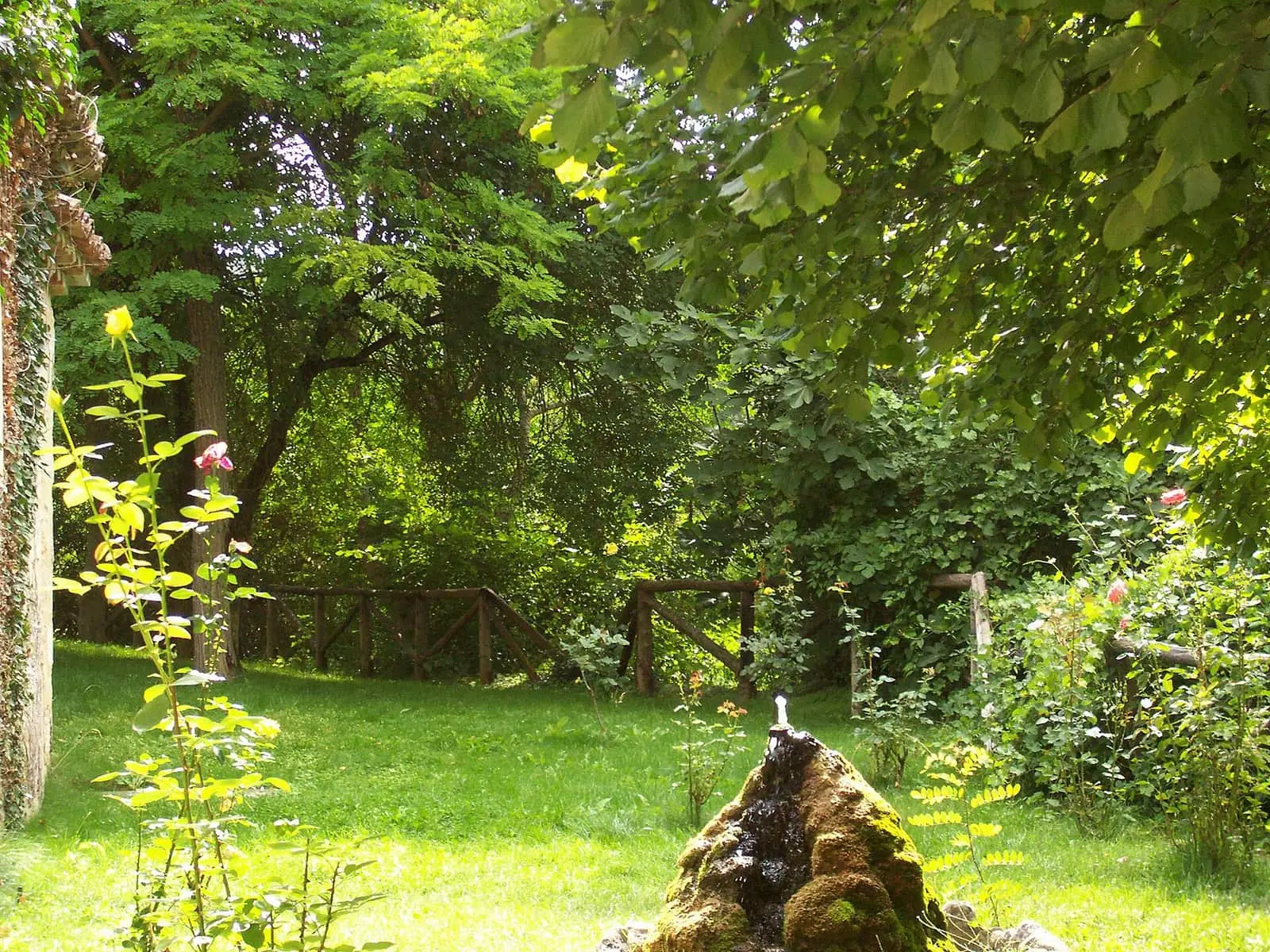
Solán de Cabras is a site in Beteta renowned for its waters, with a spa and limestone gorges. Pedro López de Lerena built baths and a guesthouse in 1777 after recovering there, and Carlos IV declared it a Royal Site in 1790. In summer 1826 Fernando VII and María Amalia of Saxony spent over a month there in the hope of an heir.
- Municipality
- Beteta
- Solán de Cabras
- Royal Site
- Beteta
- Gorge
Waters with a reputation
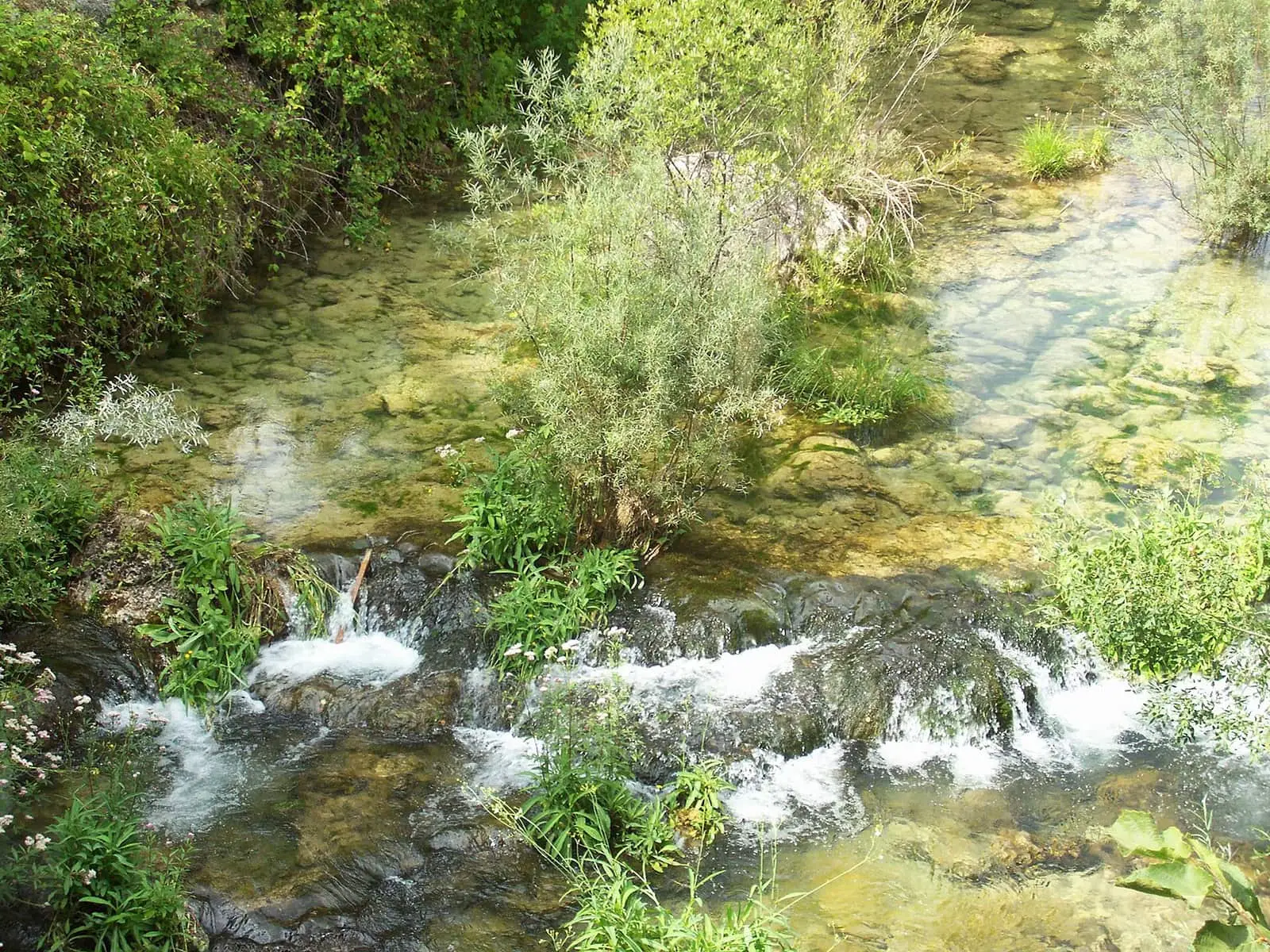
Solán de Cabras, in the municipality of Beteta, is known across much of the world for its water. It has a spa and a well-tended garden. Its springs were said to cure ailments of the skin, ears, bones and kidneys. The limestone gorges have green, blue and orange tones, with pines, oaks, box, lime trees and aromatic plants.
A minister’s recovery and a Royal Site
It is said that a shepherd discovered the water’s virtues when he saw his sick goats recover after bathing in the spring. The documented record begins in 1746, when physician Pedro Gómez de Bedoya included it in his account of Spain’s medicinal waters. The site was almost inaccessible until, in 1775, Pedro López de Lerena, accountant for municipal revenues in Cuenca, came to take the waters for a serious illness and left cured. He ordered baths and a guesthouse built, ready in 1777, and when Carlos III appointed him finance minister he secured the declaration of Royal Site, signed by Carlos IV in 1790. Water collected in an ashlar chamber and flowed to a fountain and five baths named after saints: San Joaquín, La Concepción, San Mateo, San Pedro and San Lorenzo.
The summer of 1826
Fernando VII had been married three times without an heir. In summer 1826, trusting the spring’s reputation for fertility, Queen María Amalia of Saxony arrived with her court on 6 July, and the king joined her later; they returned to Madrid on 12 August via Guadalajara, because there was no road from Cuenca. Architect Antonio López Aguado had prepared what became known as the Baños de la Reina for them. No heir resulted, but the journey gave the spa a lasting reputation: 2026 marks two hundred years.
Plan your visit
Combine with
The Cruz de Solán viewpoint, on the PR-CU 90, a PR (short-distance trail), overlooks the spa.


Frequently asked questions
What is Solán de Cabras?
A site of pure waters with a spa; the waters are credited with beneficial properties for the skin, ears, bones and kidneys.
When did it become a Royal Site?
Carlos IV declared it a Royal Site in 1790.
Carry on from here
Lands and landscapes
From here, follow the memory of the land
These readings connect Solán de Cabras with the stories, the work and the villages around it.
Where it is
Where the data on this page come from
- Name
- Descubre Cuenca (Diputación de Cuenca) source consulted, 10 October 2026
- Village
- Descubre Cuenca (Diputación de Cuenca) source consulted, 10 October 2026
«Source consulted»: the primary source has been read. «Reference located»: the source has been identified but not yet read. «Open question»: the figure needs confirmation.