Torca · Beteta
Cueva de la Ramera
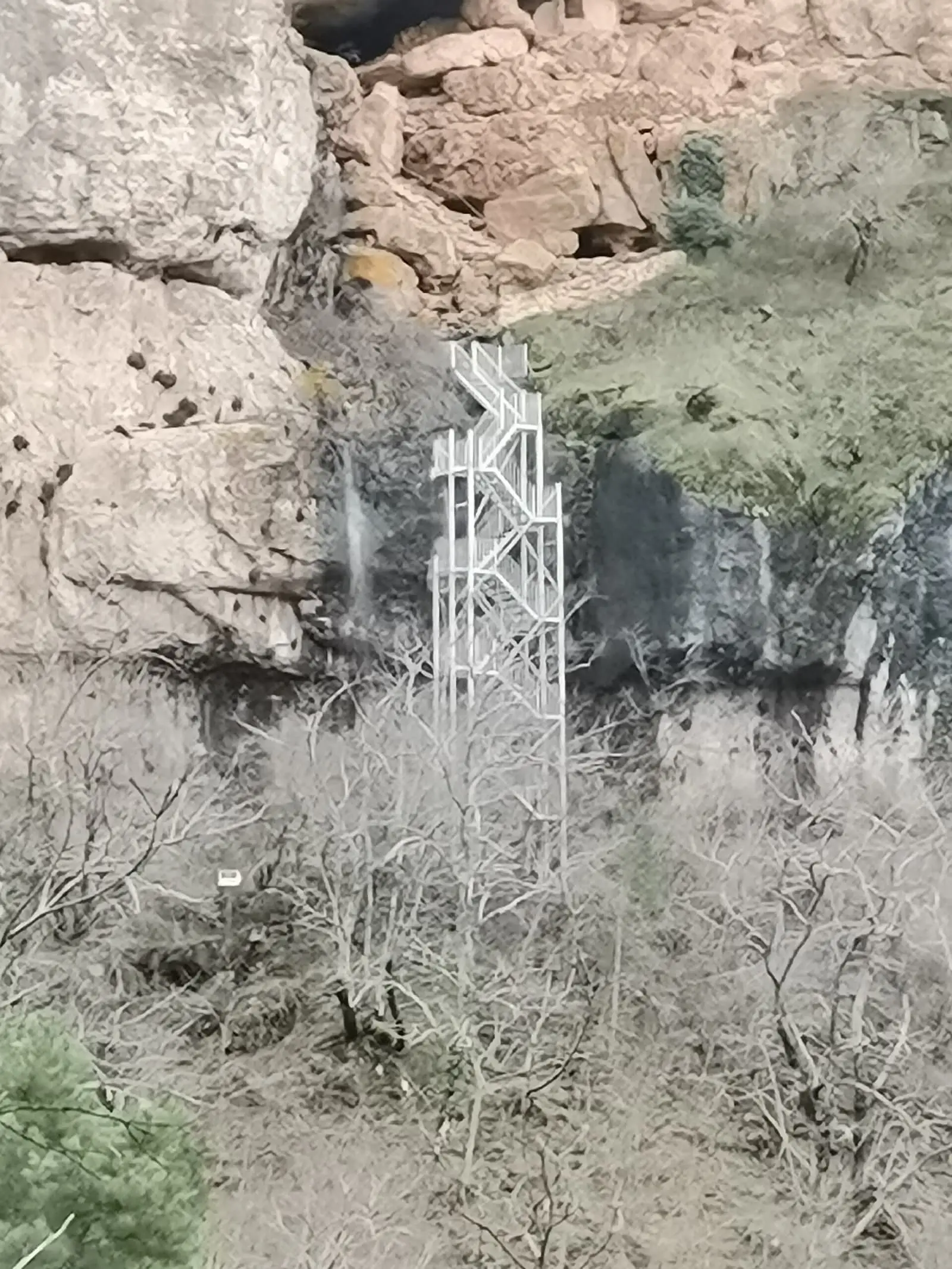
Cueva de la Ramera is a karst cave in the Serranía de Cuenca, in Beteta, with panoramic views of Hoz de Beteta. It preserves Bronze Age remains and traces of human occupation from the Neolithic to Hispano-Roman times. Visits are only from March to October because it closes during horseshoe-bat hibernation.
- Municipality
- Beteta
- Cave
- Horseshoe bat
- Bronze Age
- Beteta
A cave inhabited for millennia
Cueva de la Ramera opens among limestone rocks shaped by water into unusual forms, overlooking Hoz de Beteta. It preserves Bronze Age remains and human traces from the Neolithic to Roman times.
A bat refuge
The horseshoe bat lives inside. Hoz de Beteta is one of the region’s main winter refuges for the Mediterranean horseshoe bat, so the cave closes during hibernation.
Plan your visit
Before you travel
Visits are only from March to October. Do not disturb bats inside.
Combine with
The village of Beteta, its Rochafría castle and Hoz de Beteta.
Frequently asked questions
When can it be visited?
From March to October. It remains closed during the hibernation months of the horseshoe bats living inside.
What has been found?
Bronze Age remains and traces of human occupation from the Neolithic to Hispano-Roman times.
Carry on from here
Lands and landscapes
From here, follow the memory of the land
These readings connect Cueva de la Ramera with the stories, the work and the villages around it.
Where it is
Where the data on this page come from
- Name
- Descubre Cuenca (Diputación de Cuenca) source consulted, 10 October 2026
- Village
- Descubre Cuenca (Diputación de Cuenca) source consulted, 10 October 2026
«Source consulted»: the primary source has been read. «Reference located»: the source has been identified but not yet read. «Open question»: the figure needs confirmation.