Village · Cuenca
Salinas del Manzano
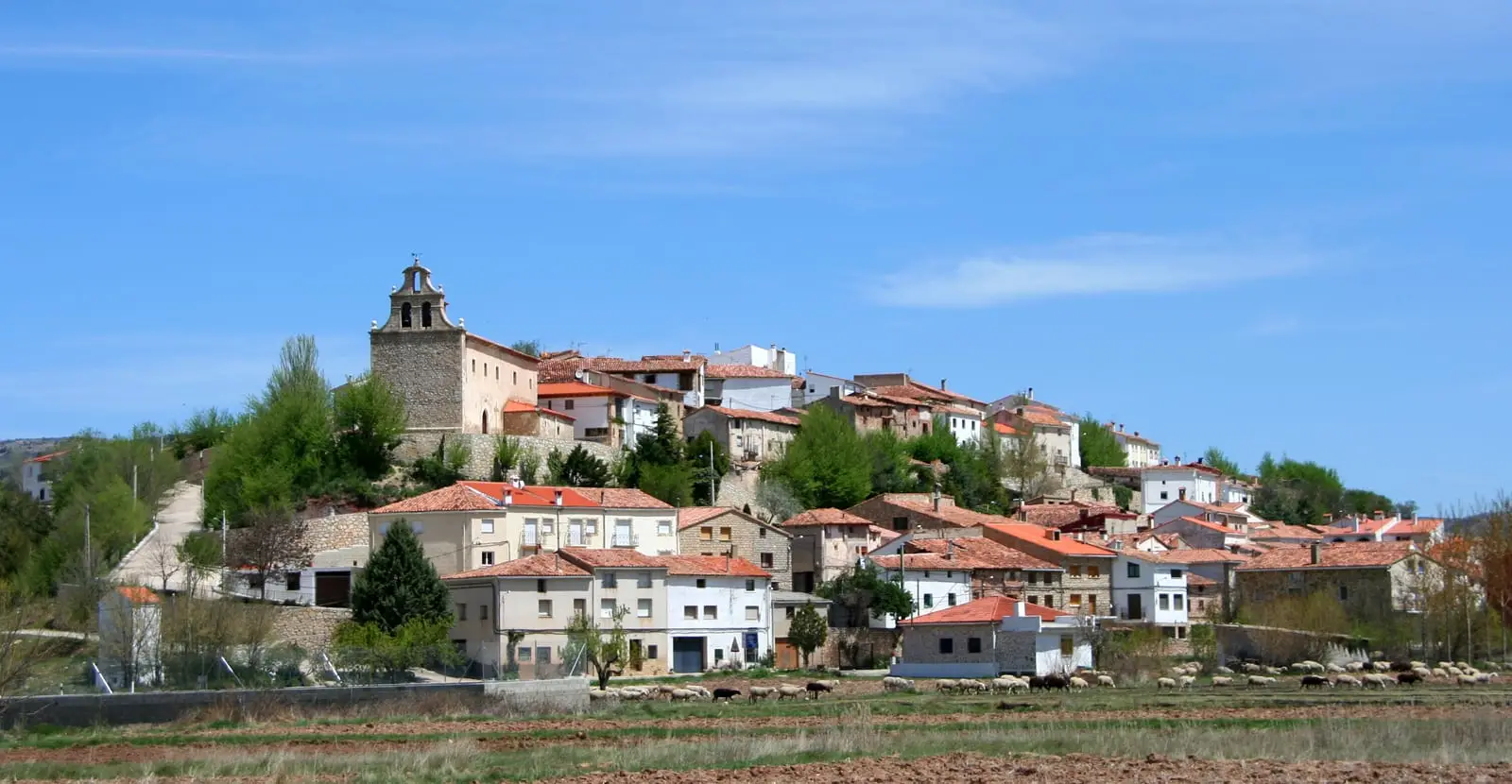
Salinas del Manzano is a mountain village in eastern Cuenca province, in the Valle del Cabriel Biosphere Reserve. It is named after saltworks whose remains survive; it has the Natividad church, the remains of Las Malenas castle and a museum of traditional life. Its population fell from 576 in 1910 to 75 in 2021.
On this page 8 sections
A village named after salt
Salinas del Manzano lies in eastern Serranía Baja (lower Serranía), within the Valle del Cabriel Biosphere Reserve. From the village centre the view is of mountains cut by ravines, with scattered holm oaks and pines among fields and hollows. In the centre are the Natividad church, San Roque hermitage and communal grain store; on a hill, the ruins of Las Malenas castle.
What trades and memory tell
The name comes from the saltworks, said to be Roman, worked since the Middle Ages and still standing in the municipality. Another mountain salt, that of Valsalobre, is described in The saltworks of Valsalobre.
The first written record of the saltworks dates from 1187, when Alfonso VIII granted their tithes to the canons of Santa María de Cuenca; radio accounts have also mentioned a Roman reference from 181 BC, linked to consul Quintus Fulvius Flaccus, whose text has not been seen. In 1513, a local man, Juan López, sailed with other young men to the Indies (popular accounts say «el Perú», which had not yet been conquered) to seek his fortune: this appears in the records of Seville’s Casa de la Contratación. In 1587, according to the diocese’s register of baptismal fonts, the village had 320 inhabitants. The Town Council attributes Las Malenas fortress, on a rock riddled with caves and passages, to 10th-century Muslims.
On 16 August, for San Roque, the village gathers at its hermitage for the Caridad, a charitable food distribution open to anyone wishing to join. In autumn, El Hoyo and Cañasáez are the mushroom-gathering areas.
The Las Alcobas del Salín museum preserves objects and tools from earlier life. In 2025 villagers called for the restoration of the saltworks, low walls, irrigation channels, bridges, castle and hermitage.
The salero
The saltworks, the salero as villagers call it, drew brine from a well: first with a waterwheel, which lasted until the 1980s, then with a motor pump in a small building replacing the wheel house. The water was stored in a tank, allowed to settle and distributed among the evaporation pans, where the sun evaporated it; the radio account counted two groups with 86 pools and about 5,000 m². Once the salt crystallised it was gathered, taken onto the walkways to drain and carried to the store. People came from neighbouring villages to buy it, with pack animals and panniers and later in sacks, for sheep, cattle and goats and for the winter pig slaughter. Around 2021 no water had been drawn from the well for about ten years, although salt remained in the store.
The salero is privately owned. In September 2021 it entered Hispania Nostra’s Red List of endangered heritage, and in 2022 some clearing of the pools was reported, which was not restoration. It is not open for visits: view it from outside. Salt throughout the mountains is covered in The salt of the Serranía.
Plan your visit
The village takes a morning. Las Malenas consists of ruins on a hill: look without climbing.
Before you travel
Ask the town hall whether the museum is open.
Combine with
Salvacañete is 4.5 km away in a straight line, Huérguina 7.1 km and Alcalá de la Vega 7.2 km.
Frequently asked questions
Why is it called Salinas del Manzano?
Because of the saltworks in its municipality. Castilla-La Mancha Tourism mentions a salt industry documented since Roman and medieval times and remains of Roman saltworks explaining much of the village's economic and social history.
What can be seen in the village?
The Natividad church, San Roque hermitage and communal grain store, the remains of Las Malenas castle on a hill and the Las Alcobas del Salín museum, with objects and tools from traditional life.
How many inhabitants does Salinas del Manzano have?
75 in the 2021 census. Its peak was 576 in 1910, according to the INE.
Carry on from here
The rivers, zones, eras, places and official routes that the atlas links with Salinas del Manzano.
Lands and landscapes
From here, follow the memory of the land
These readings connect Salinas del Manzano with the stories, the work and the villages around it.
Near Salinas del Manzano
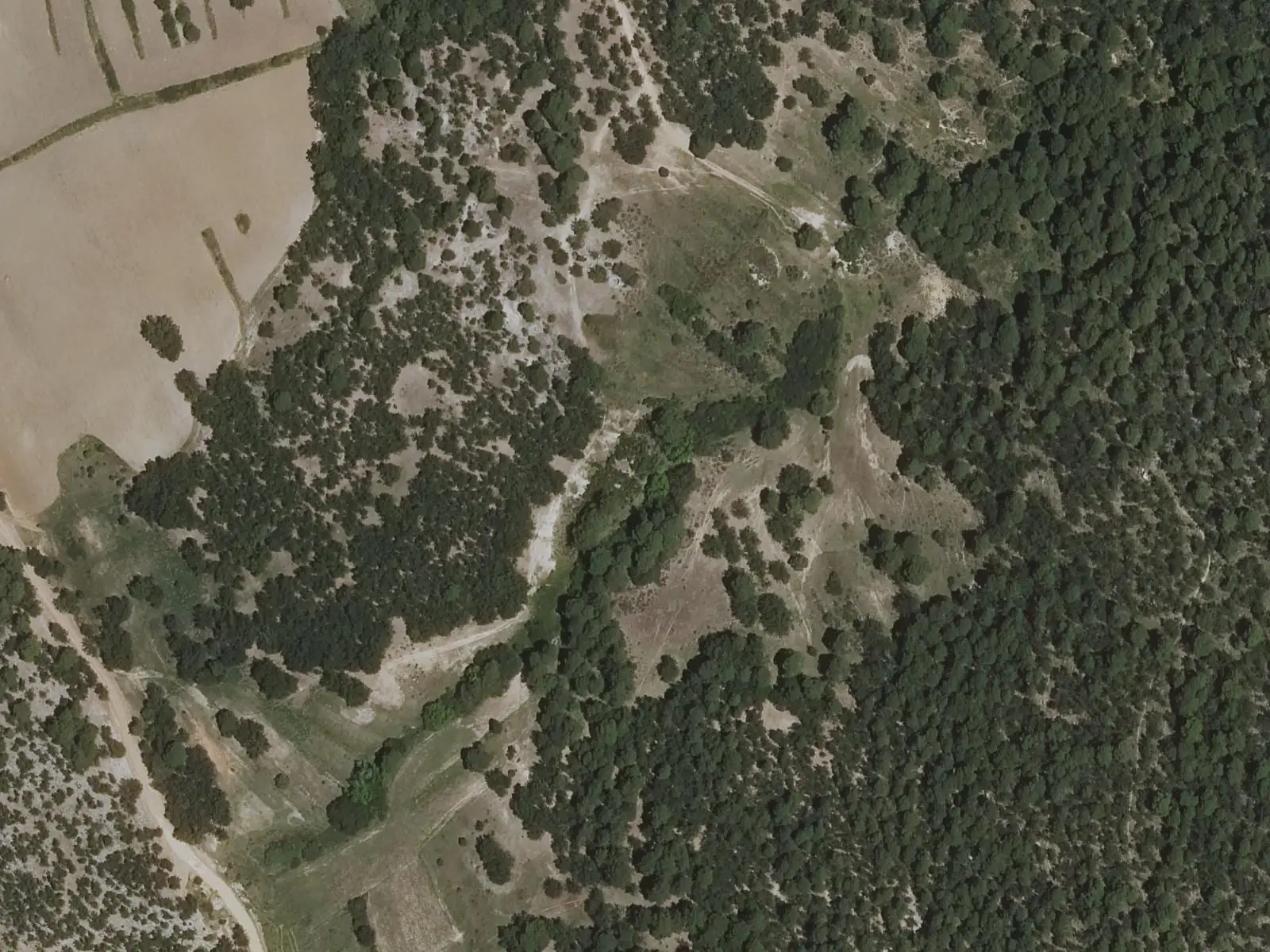
Fuente del Royo picnic area
Huerta del Marquesado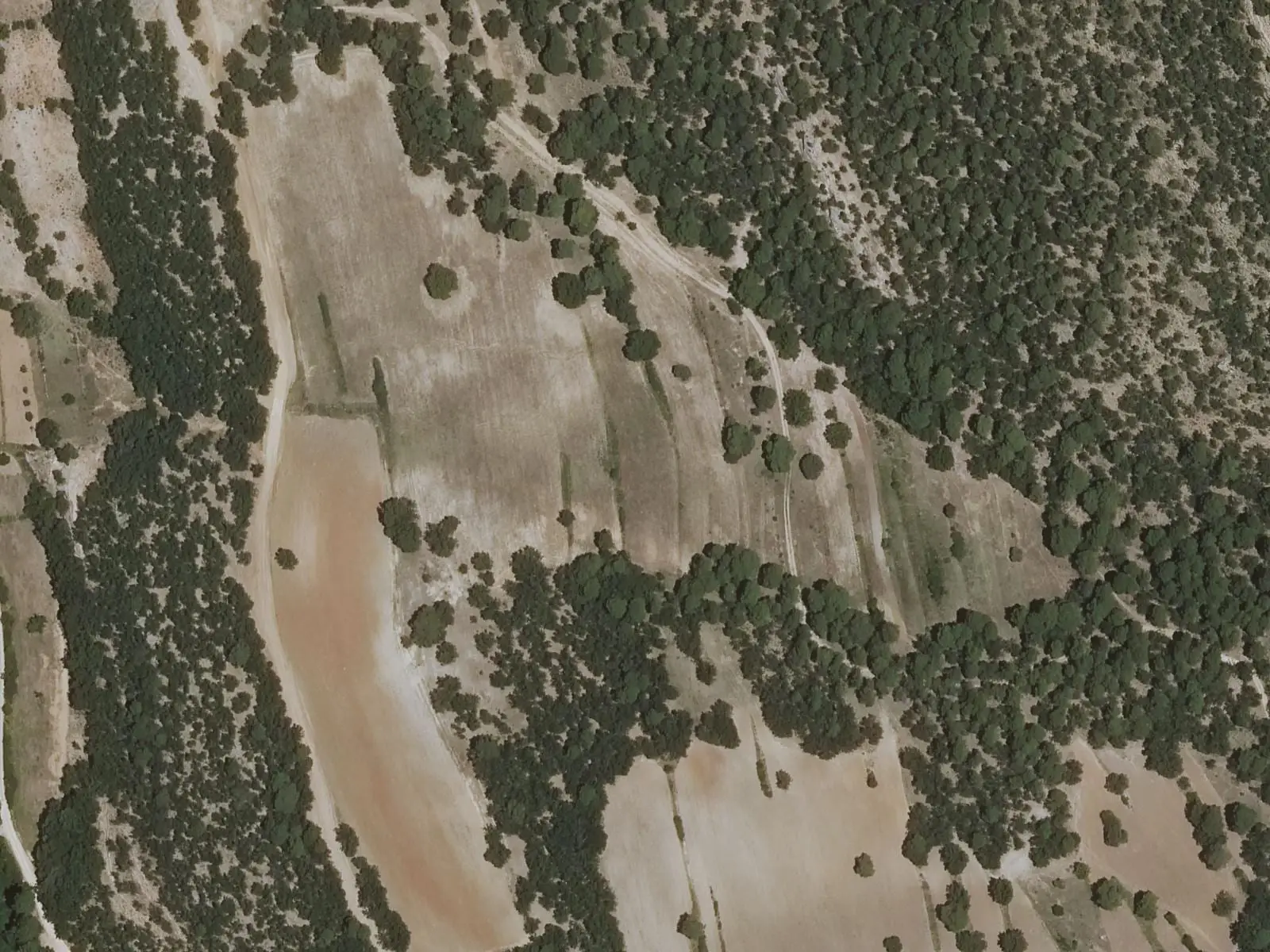
Prao de San Roque picnic area
Huerta del MarquesadoPaisaje Ilustrado of Huerta del Marquesado
Huerta del MarquesadoSee 5 more
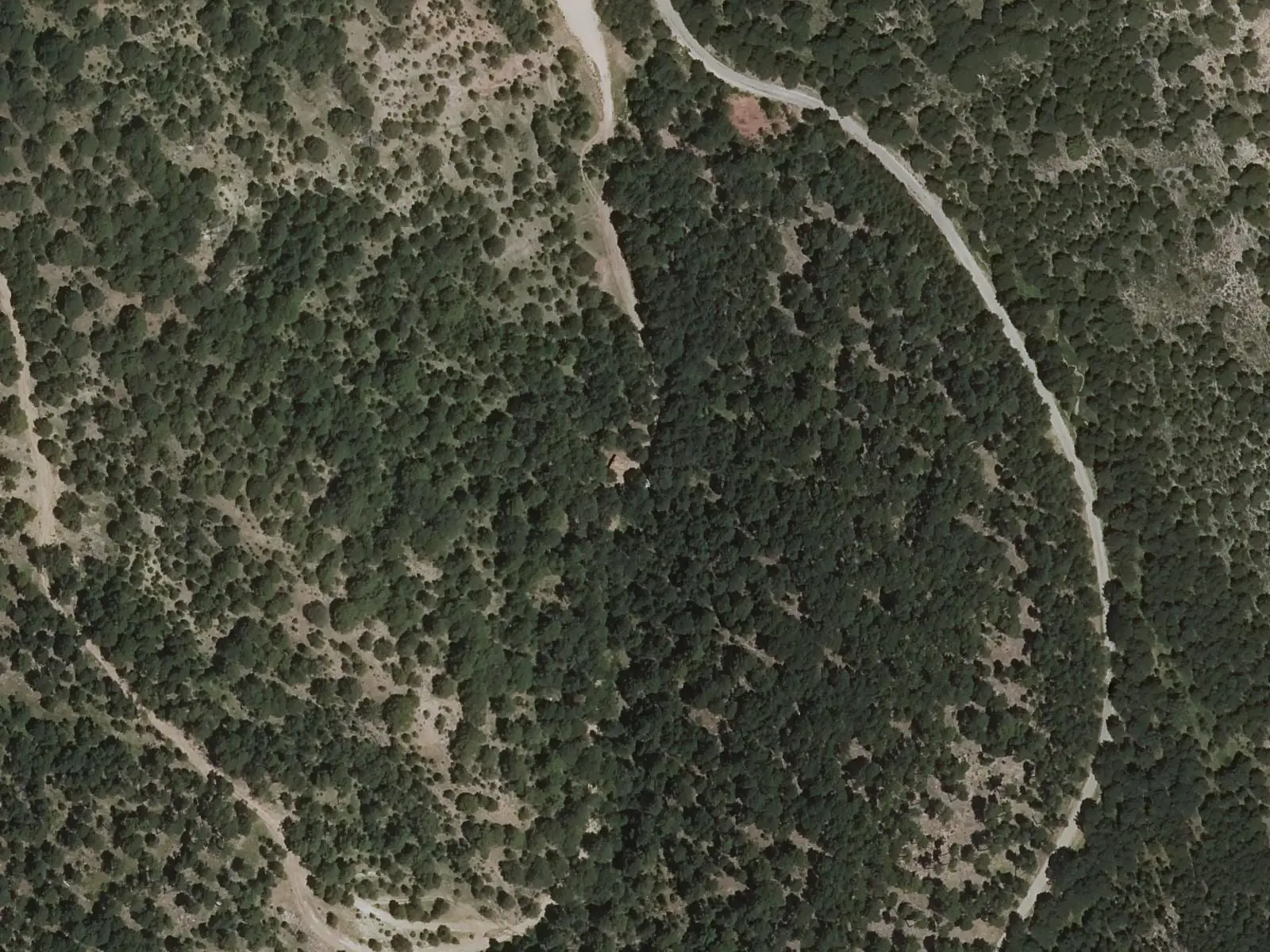
Fuente de la Ardilla picnic area
ValdemecaPaisaje Ilustrado of Valdemeca
Valdemeca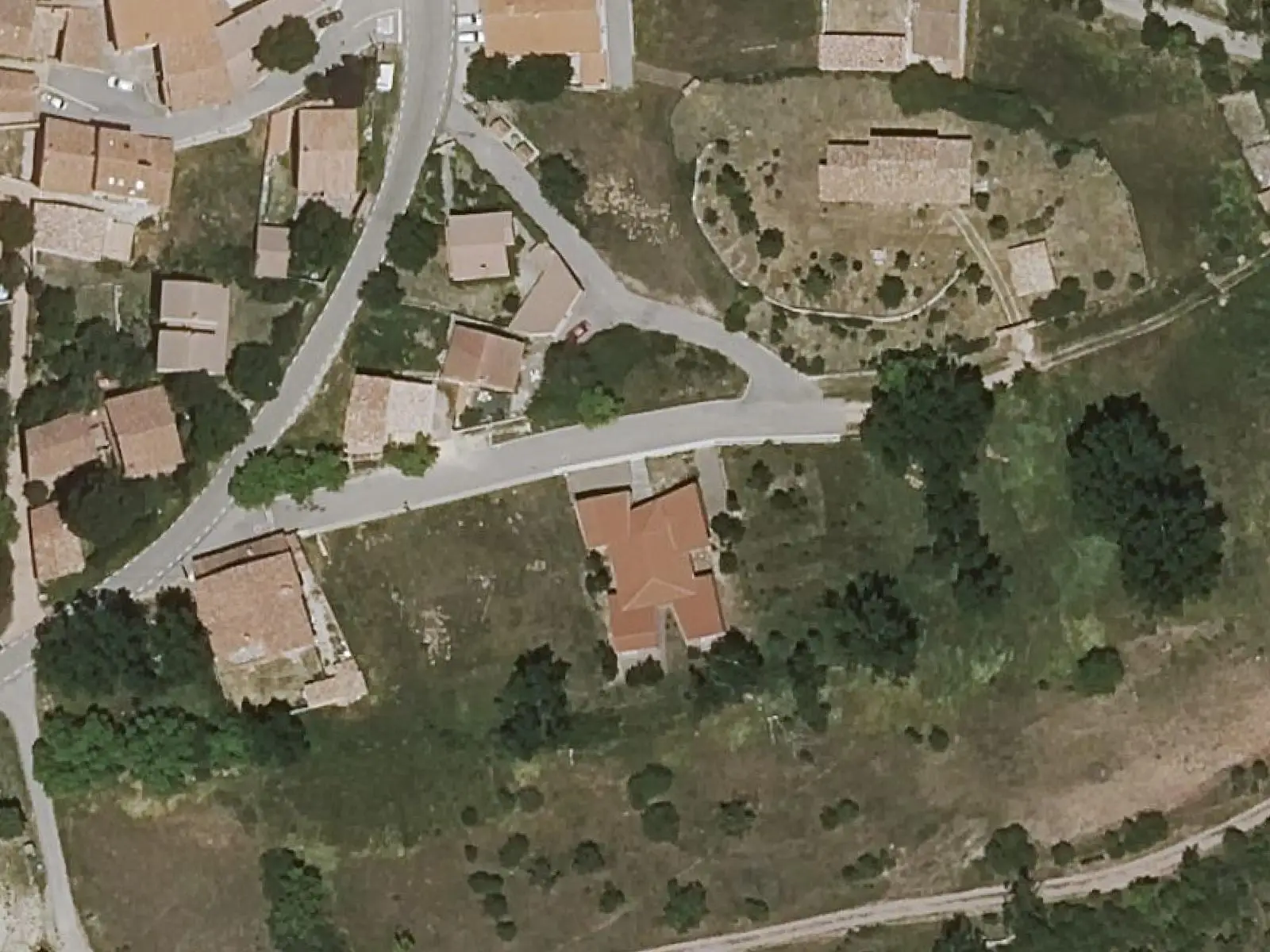
Valdemeca Visitor Reception Centre
Valdemeca
Centenar viewpoint
Valdemeca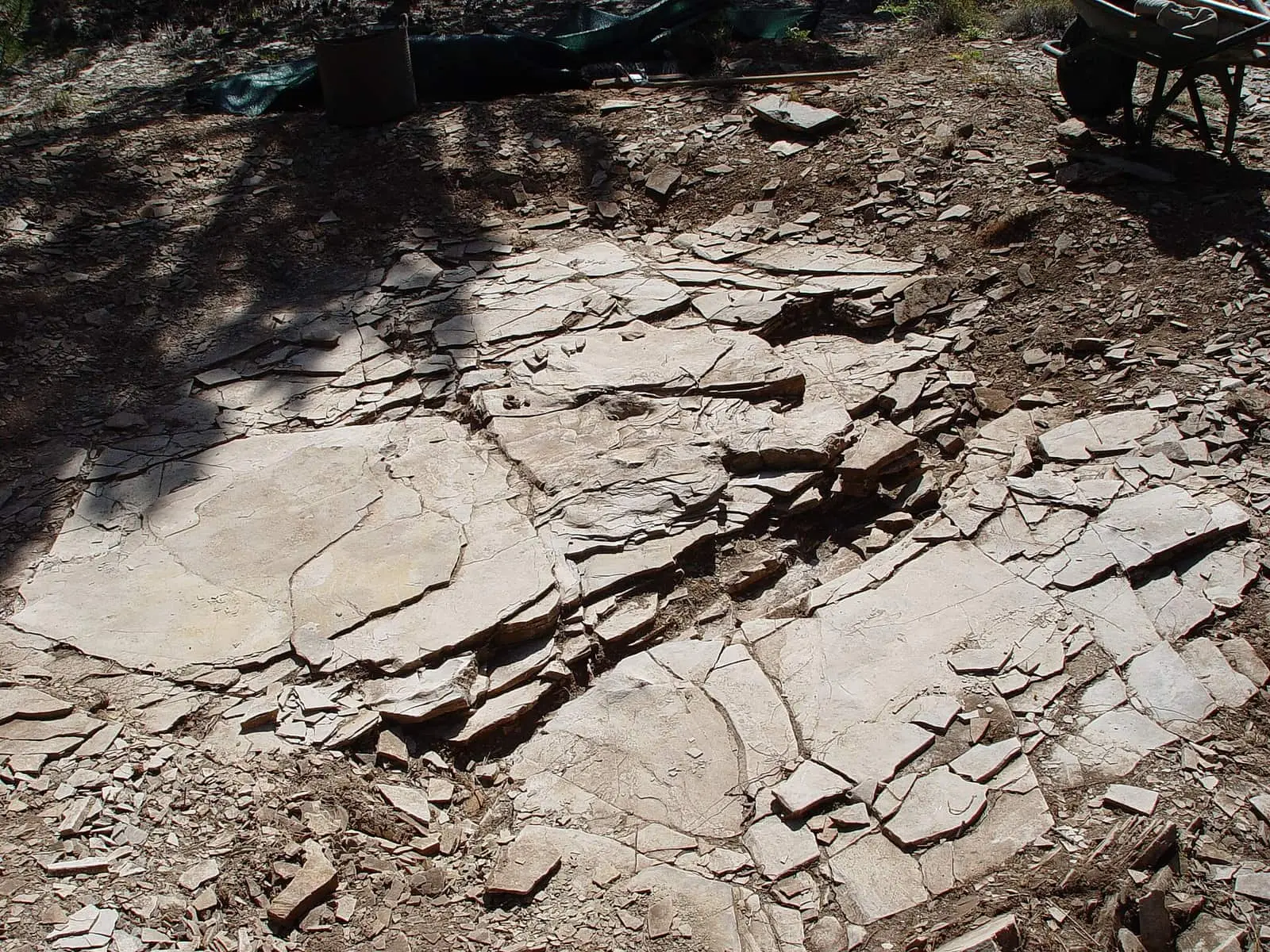
Las Hoyas
La CiervaPopulation of Salinas del Manzano, 1842–2021
Salinas del Manzano reached 576 inhabitants in 1910. The 2021 census counted 75, 87 % fewer. It is the story told in the emptying.
Location
● Reference point · ● Villages · ● Places
Location sketch. The map with paths and names loads as you scroll to it.
Approximate position: village centre.
Reference villages: Salvacañete · Huérguina · Alcalá de la Vega · Tejadillos.
Open the full map and its historical layers →Where the data on this page come from
- Location
- IGN: Nomenclátor Geográfico Básico de España, capital de municipio (CC BY 4.0) source consulted, 9 October 2026
- Municipality (INE code)
- Turismo de Castilla-La Mancha source consulted, 4 October 2026
- Name
- Turismo de Castilla-La Mancha source consulted, 4 October 2026
«Source consulted»: the primary source has been read. «Reference located»: the source has been identified but not yet read. «Open question»: the figure needs confirmation.
More about Salinas del Manzano, told from the village: the Salinas del Manzano Town Council website.