Trade · 1187 – 21st century · The trades of the forest and the water
The salt of the Serranía: from royal privilege to the last saltworks
The Serranía had well saltworks at Monteagudo, Tragacete, Valsalobre, Huélamo and Salinas del Manzano. In the Middle Ages they belonged to the Crown or to Cuenca cathedral, and the king decided which salt could be sold in each territory. Until the end of the 20th century brine was still drawn with waterwheels and pumps, evaporated in pans in the sun, and the salt sold to stockbreeders from the surrounding villages.
On this page 5 sections
The king’s salt
The Serranía has salt underground, in the Triassic gypsum and clays, and the water that runs through them comes out salty. Wherever there was a well of that water, there was a saltworks. Those of Monteagudo and Tragacete belonged to the Crown: in 1253 Alfonso X ordered that only their salt be sold in the lands of Huete and Cuenca, and that anyone coming in with salt from Beteta be arrested. That of Valsalobre belonged to the bishop and chapter of Cuenca, who in 1264 used it to pay for matins said for the king’s soul. Those of Salinas del Manzano appear in 1187, when Alfonso VIII gave their tithes to the canons. In 1564 Philip II took over all the saltworks of Castile, and two centuries later, in the 1752 Cadastre, Monteagudo, Tragacete and Salinas del Manzano were still declaring saltworks «que pertenecen a Su Majestad» (that belong to His Majesty).
Others were lost, leaving nothing but the name: in Huélamo the Royo de las Salinas remains. In Boniches a salt spring was used to knead bread and cure olives.
Well, pan and sun
The work was the same everywhere. At Salinas del Manzano the water was drawn from the well with a waterwheel, which lasted until the 1980s, and then with a motor pump. It was stored in a tank to settle and shared out among the pans, shallow ones, where the summer sun evaporated it. When the salt set, it was gathered, taken out onto the walkways to drain and put in the store. In Valsalobre it was done in wooden pans.
For livestock and the pig slaughter
People from the surrounding villages bought it, coming with pack animals and serones (esparto panniers), and later with sacks. It was salt for the sheep, cows and goats, and for the winter matanza, the pig slaughter. When the flocks dwindled and cheap sea salt arrived, the saltworks closed: Valsalobre’s in 1982; at Salinas del Manzano, water stopped being drawn from the well around 2010, although in 2021 there was still salt in the store. The saltworks is today a private ruin, and in 2021 it was added to the Red List of heritage at risk. The story of Valsalobre is told by its people in Las salinas de Valsalobre.
Words of the trade
- Salero
- The name given in Salinas del Manzano to the whole saltworks.
- Balsa o alberca
- A shallow pan where the sun evaporates the brine until the salt sets.
- Decantación
- Letting the water settle in a tank before sharing it out among the pans.
- Serón
- A large esparto pannier loaded onto pack animals.
- Royo
- A stream (arroyo), in the speech of the sierra: the Royo de las Salinas in Huélamo recalls another salt that has disappeared.
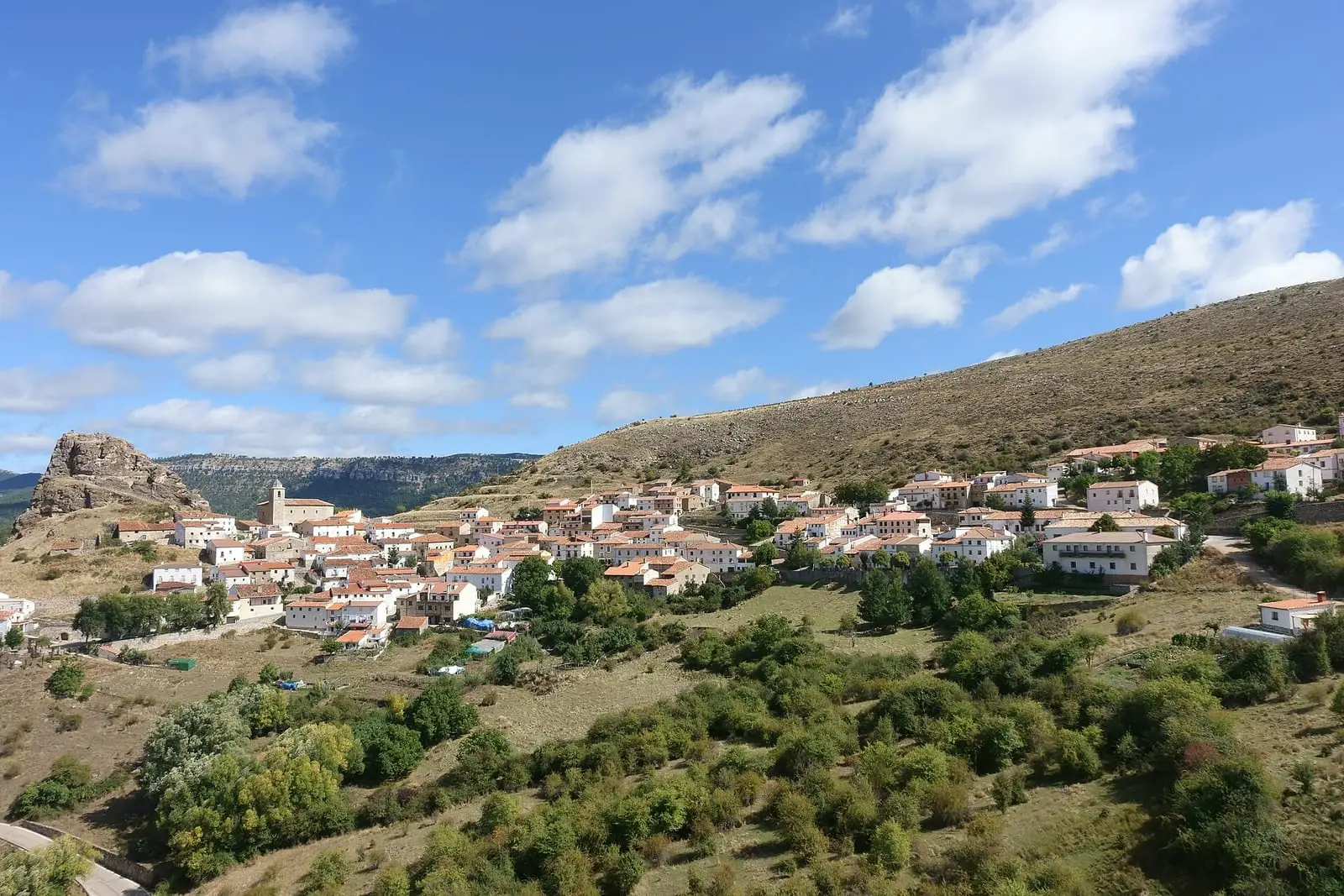
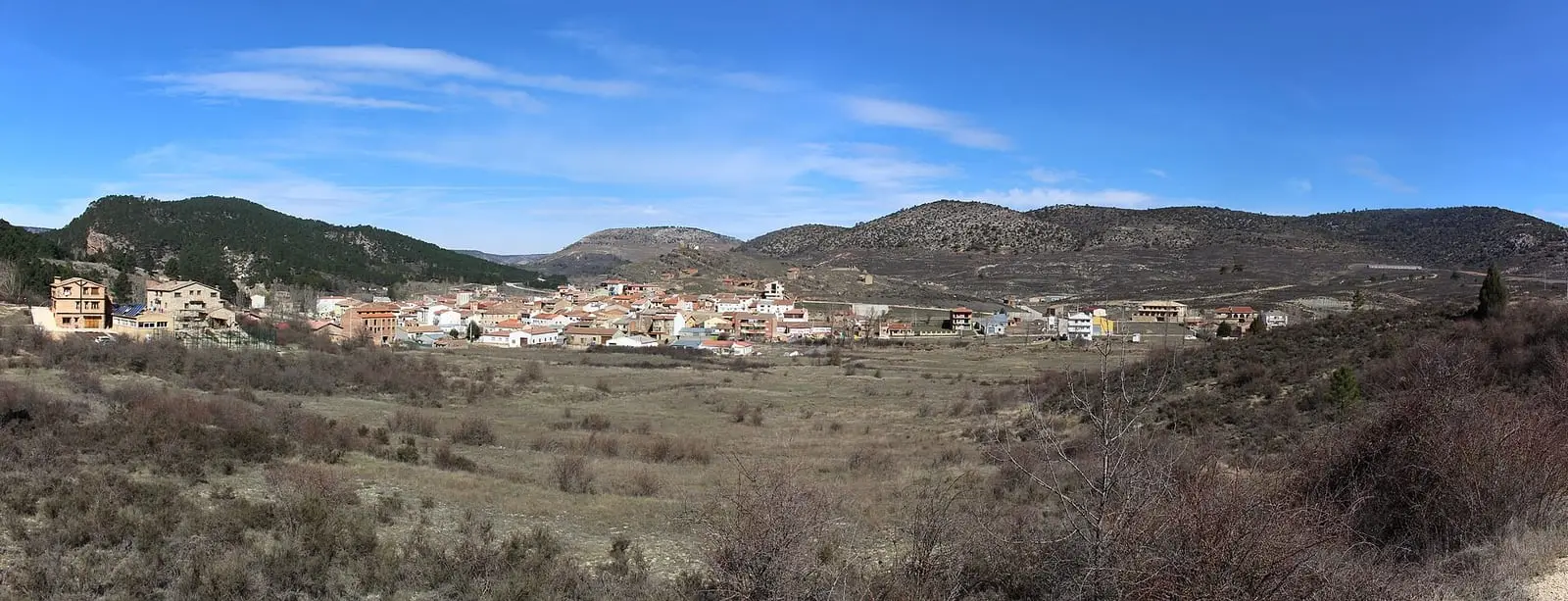
Where it is today
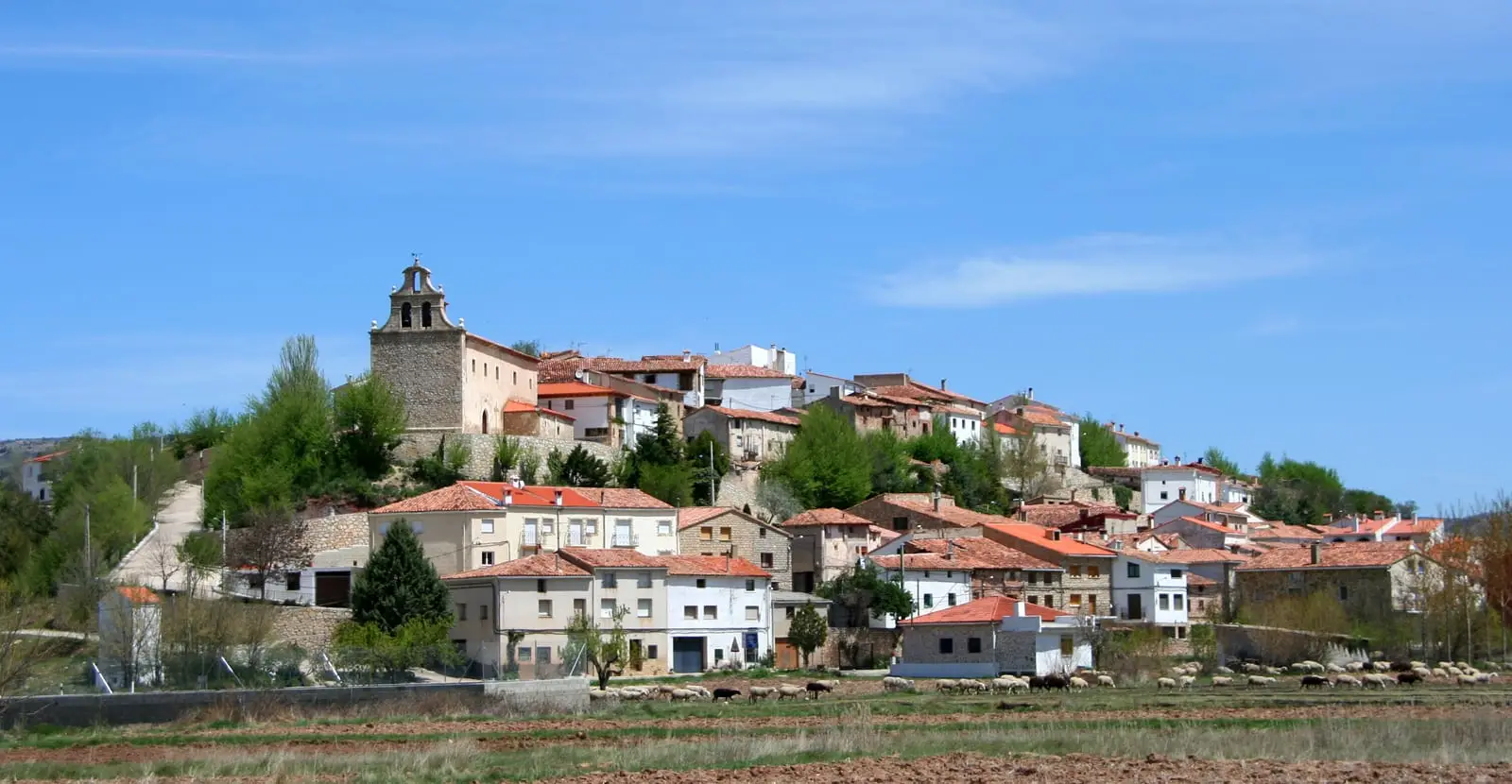
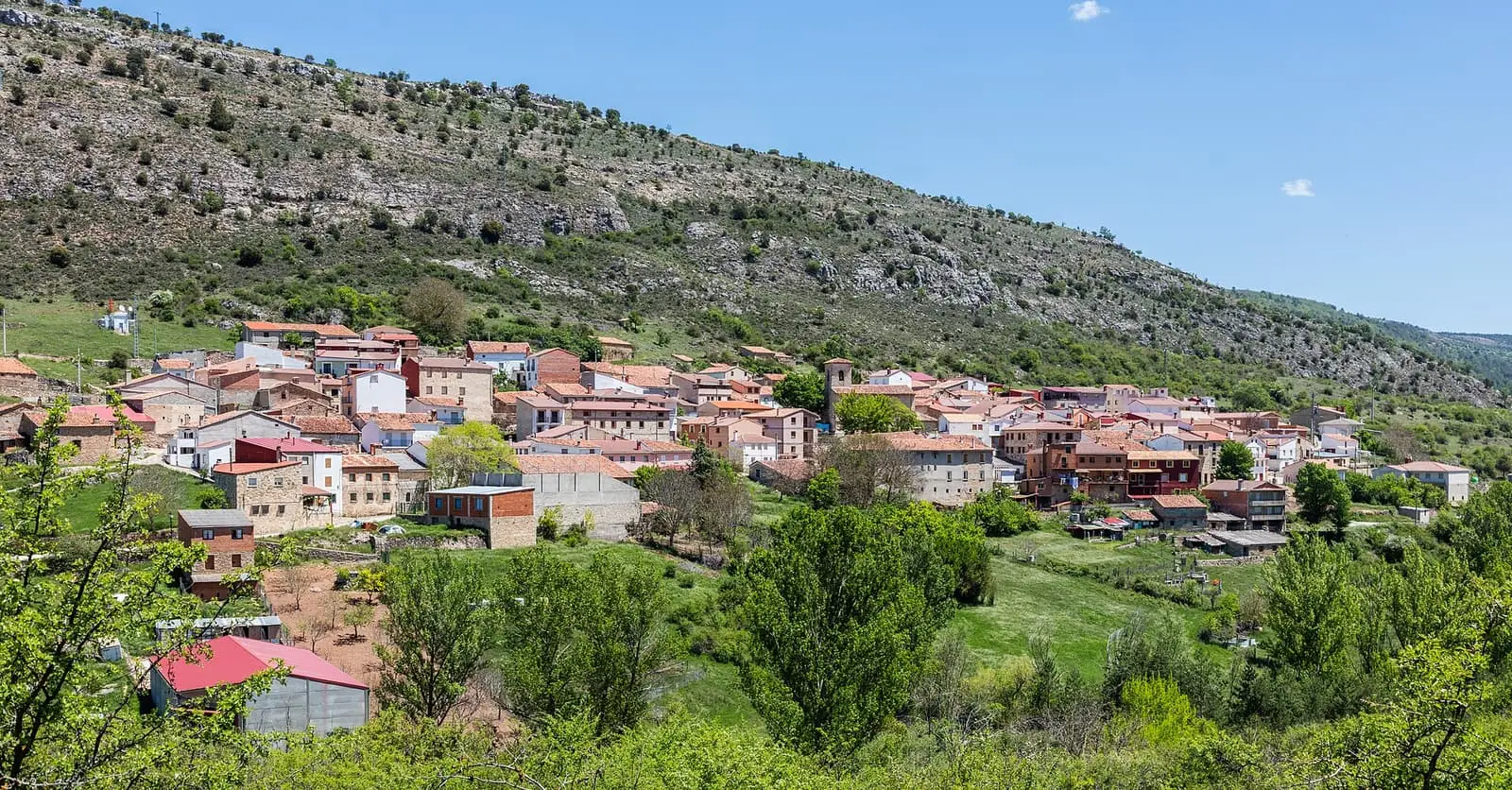
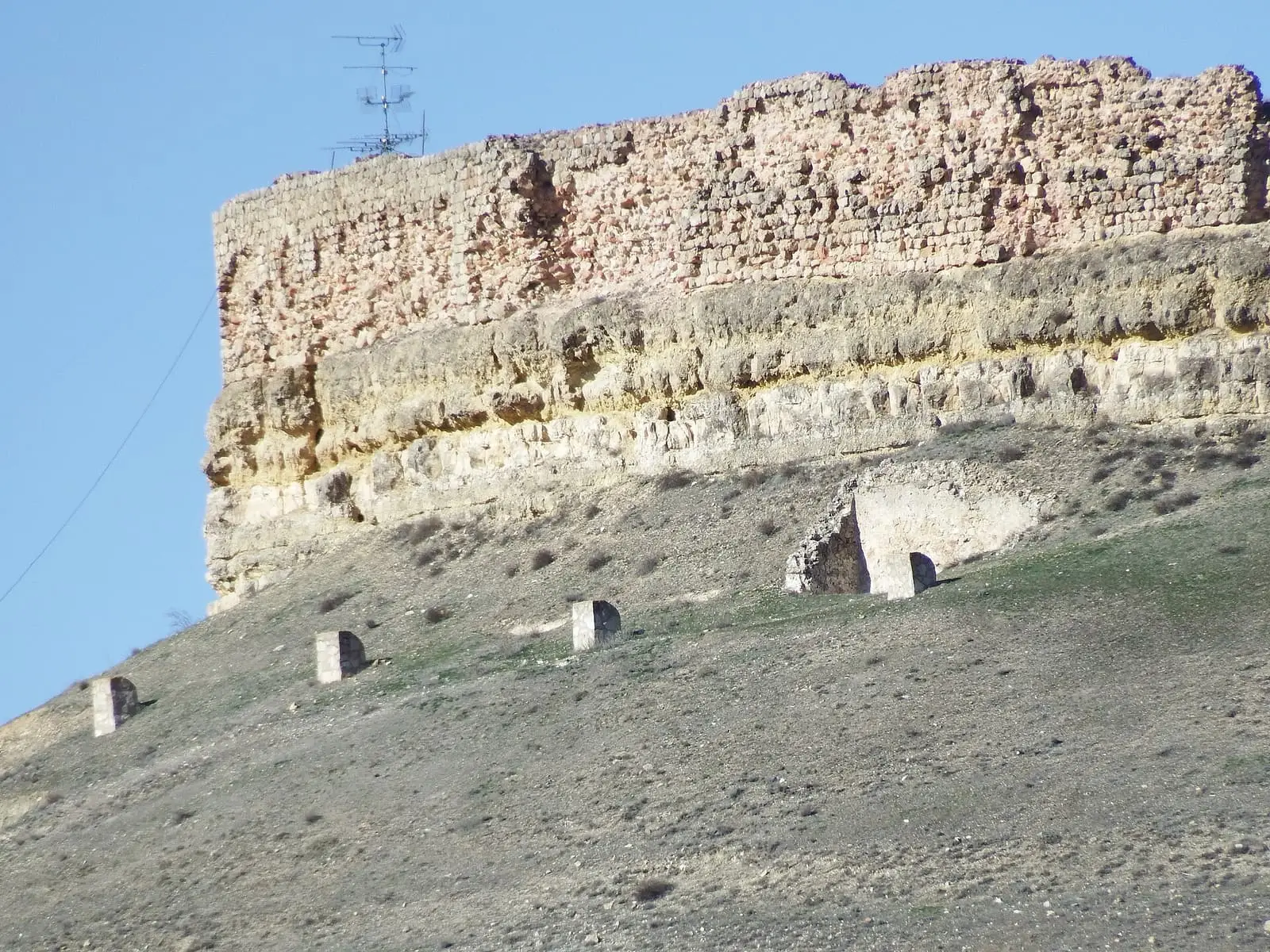
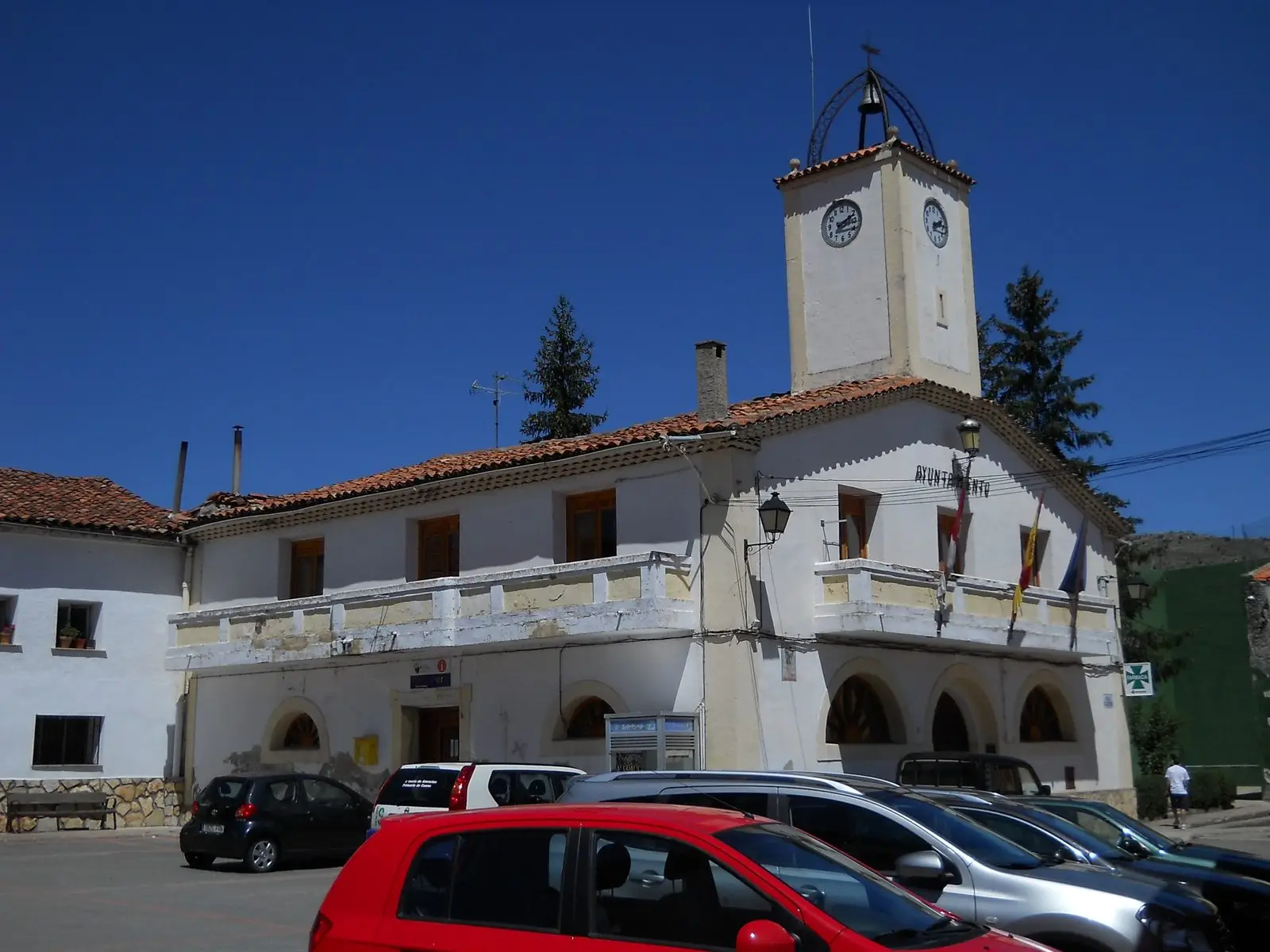
Frequently asked questions
Can the saltworks of Salinas del Manzano be visited?
It is privately owned and not set up for visits; it can be seen from outside. In 2021 it was added to Hispania Nostra's Red List of heritage at risk.
What was the salt of the sierra used for?
Above all for livestock and for the winter pig slaughter. Buyers came from the surrounding villages with pack animals and panniers.
Sources and reading
- Hoy por Hoy Cuenca, Cadena SER: «Salinas del Manzano alza la voz para recuperar la industria que le ha dado nombre» (02-10-2021, con audio) source consulted · First-hand working memory of the saltworks.
- Hoy por Hoy Cuenca, Cadena SER: «El paisaje se refleja en las balsas de sal del pueblo conquense de Salinas del Manzano» (04-03-2022, con audio) source consulted
- Solano Herranz, J. C. y Solano Oropesa, C.: «La explotación de la sal en la Sierra de Cuenca», Revista Mansiegona source consulted · Documents from the Cuenca cathedral archive and answers to the 1752 Cadastre.
- Moreno Valdeolivas, J. M. (2023): «Huélamo y sus aguas», Los Ojos del Júcar 24 source consulted
- Hispania Nostra: Lista Roja, Minas de sal romanas de Salinas del Manzano reference located · Located; not consulted.
Open questions
- Age of the saltworks of Salinas del Manzano: a Roman mention of 181 BC is spoken of; the first verified written record is from 1187. None of the surviving features is dated.
- Number of pans (86) and area (about 5,000 m²) at Salinas del Manzano: figures from a popular writer, with no plan.