Episode · Around 6000 – 1000 BC · First marks and rock art
Painting and burial: the first traces
The oldest traces left by people in the Serranía de Cuenca are painted on the sandstone of the Sierra de las Cuerdas: 31 sites in Villar del Humo, with Levantine and schematic art between 8,000 and 3,500 years old, and the shelters of Henarejos, where eye idols were radiocarbon-dated in 2012. In Huerta del Marquesado, the Cueva de la Mora holds burnt human bones from the late Copper Age, and the neighbouring hillfort yielded a slate plaque idol.
On this page 6 sections
Red on sandstone
In the Sierra de las Cuerdas, between Villar del Humo and Henarejos, the stone is rodeno, the red sandstone of the south-east, which forms overhangs and rock shelters. People painted there for millennia. The regional Department of Culture counts 31 sites in Villar del Humo: ten in the Rambla del Anear, ten between Peña del Escrito and Los Brazales, six in the small valley of Marmalo and five in El Vencherque. The oldest are about 8,000 years old; the most recent, about 3,500. Since 1998 they have been part of the rock art of the Mediterranean Basin, a World Heritage Site.
There are two ways of painting. Levantine art tells scenes: in Peña del Escrito, a hind with an arrow embedded in her back organises the whole panel; at the Abrigo del Tío Modesto, a wounded, rearing stag and the hunters. Schematic art reduces the world to signs: at the Fuente de Selva Pascuala, a sun with rays ending in four-fingered hands. Often one was painted over the other, which is why these panels help establish a sequence in time.
A date
The problem with rock painting is dating it. In 2012, a team led by the University of Castilla-La Mancha tried at the Abrigo de los Oculados, in Henarejos, where there are eye idols, figures reduced to two large eyes. They radiocarbon-dated the oxalate crusts growing on the rock, one beneath and one above three of the idols. The dates fell where comparison with objects suggested: in the Copper Age.
The dead of the Cueva de la Mora
The same centuries have another side in Huerta del Marquesado. The Cueva de la Mora is a gallery about 14 metres long in the gorge of the Arroyo de Moratón. In 2021 and 2022 a team opened two test trenches and found intact occupation floors from the Palaeolithic onwards, pottery from the Neolithic to the Bronze Age and human bones burnt at very different temperatures, from below 200 to about 700 degrees. Two vertebrae were dated to the late Copper Age. What ritual took place is not yet known.
Very close by, in the hillfort of Cerrito del Moro, an engraved slate plaque idol appeared in 2023, a schematic human figure of the kind that accompanied the dead on the Iberian Peninsula. It is the first in the area. It may have come from the cave or from an older layer still unexcavated.
More about this era: First traces.
From the archive
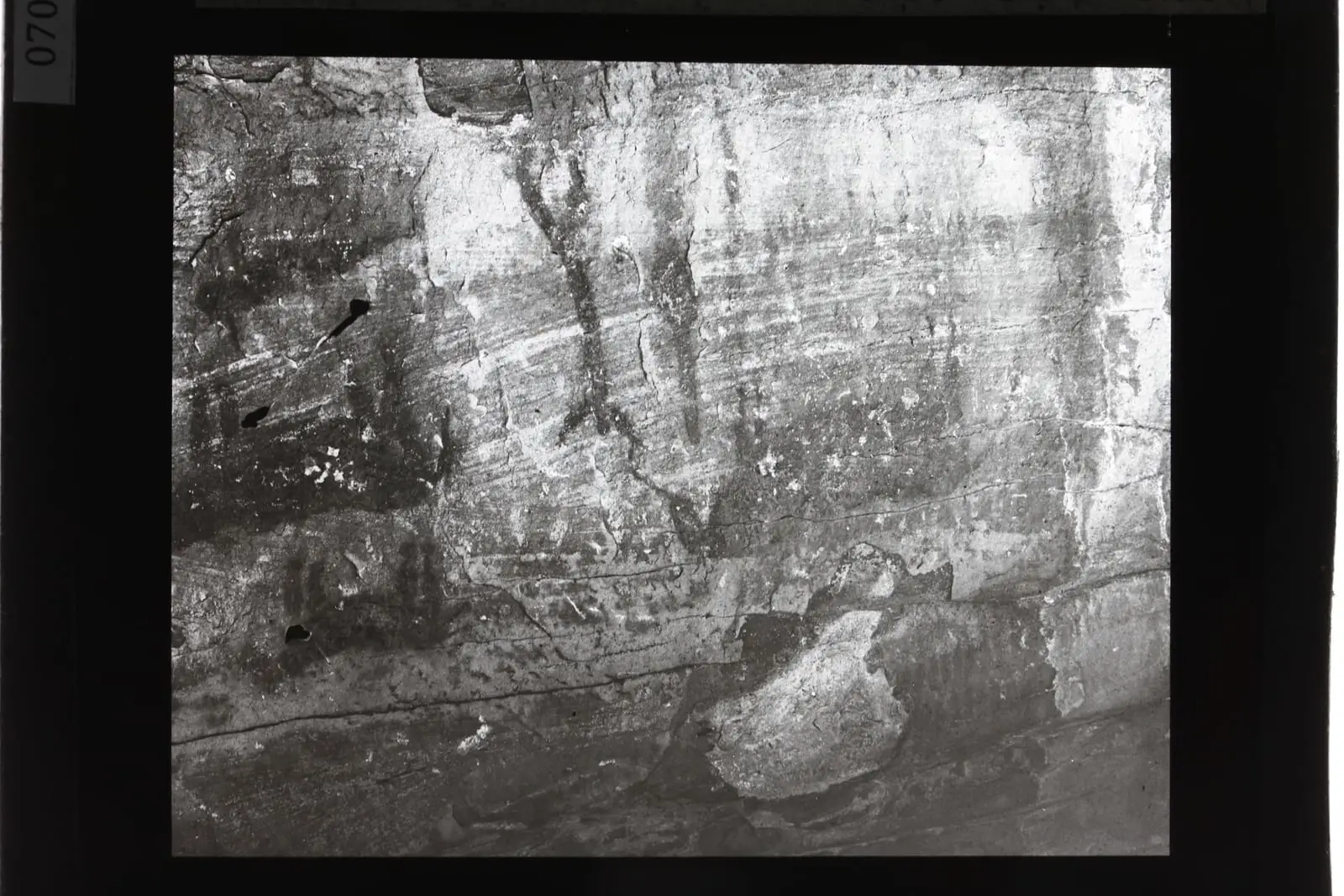
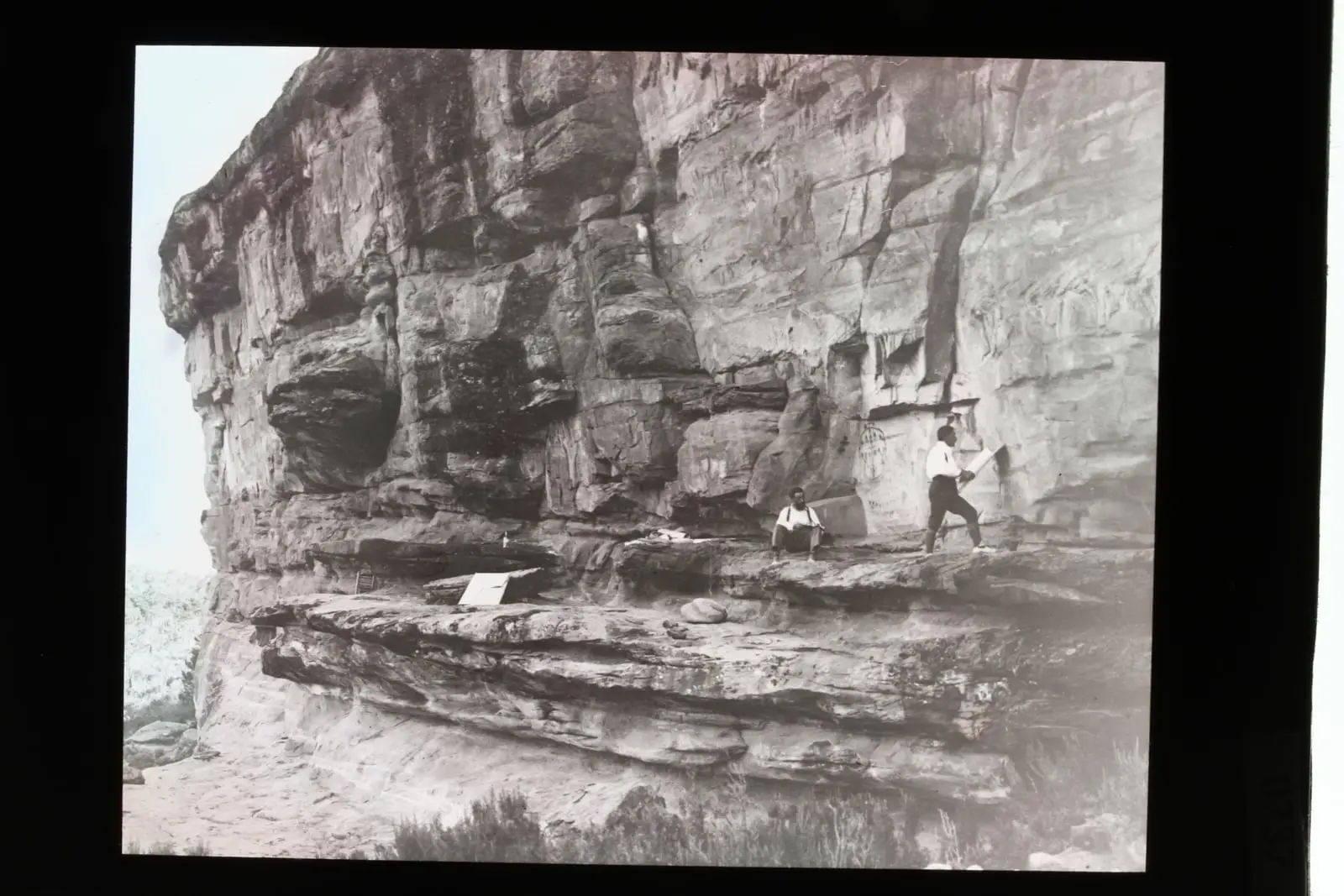
Vocabulary
- Arte levantino
- Naturalistic painting: people and animals in hunting, war or dance scenes, almost always in fine red lines.
- Arte esquemático
- Painting that reduces people and animals to signs: dots, lines, zigzags, suns, idols.
- Ídolo oculado
- A figure reduced almost to two large eyes. Found painted in rock shelters and engraved on bone, stone or pottery.
- Ídolo placa
- A slate plaque engraved with a highly schematic human form, characteristic of Copper Age burials on the Iberian Peninsula.
- Oxalato
- A thin mineral crust that forms on rock. Radiocarbon dating the crust below and above a painting provides a before and an after.
- Estación
- In rock art, each shelter or group of painted panels at the same location.
Where it is today
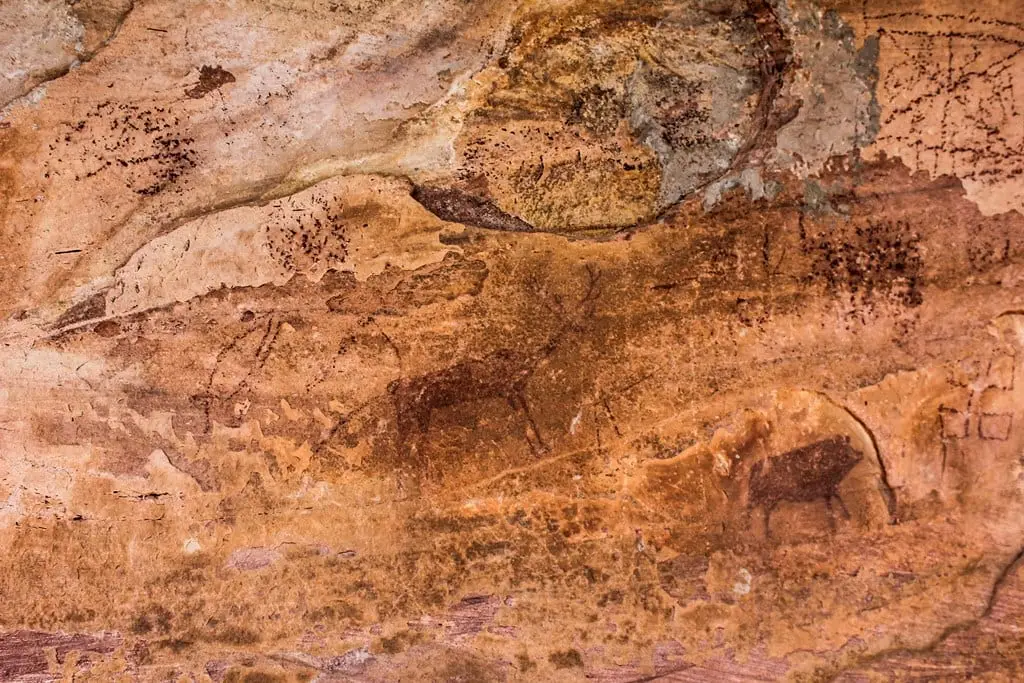
Villar del Humo rock-art shelters
Villar del Humo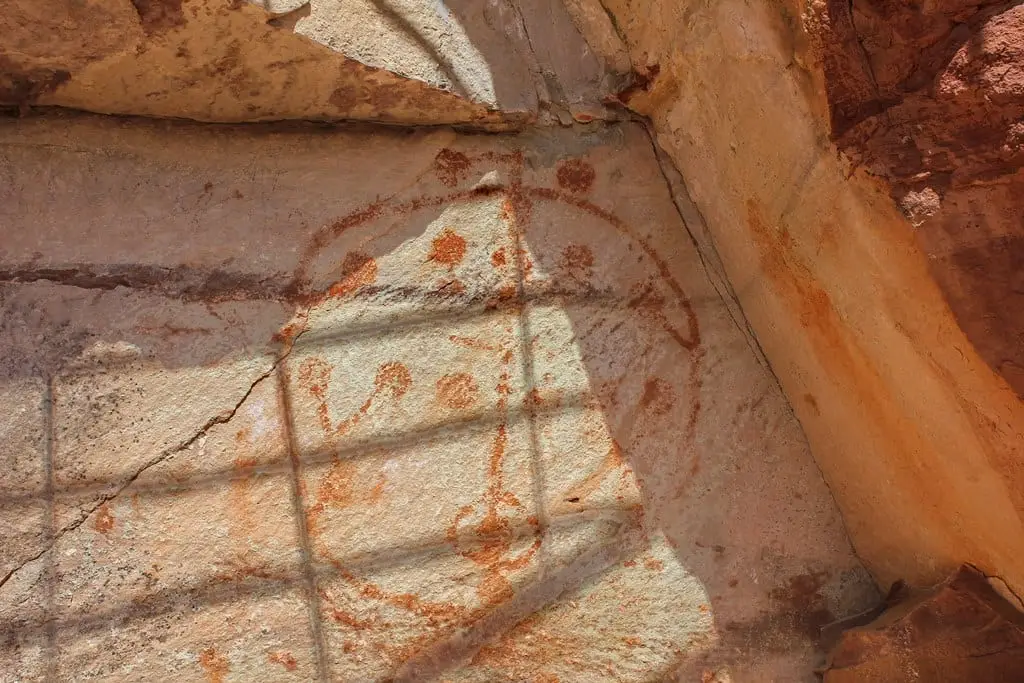
Peña del Escrito
Villar del Humo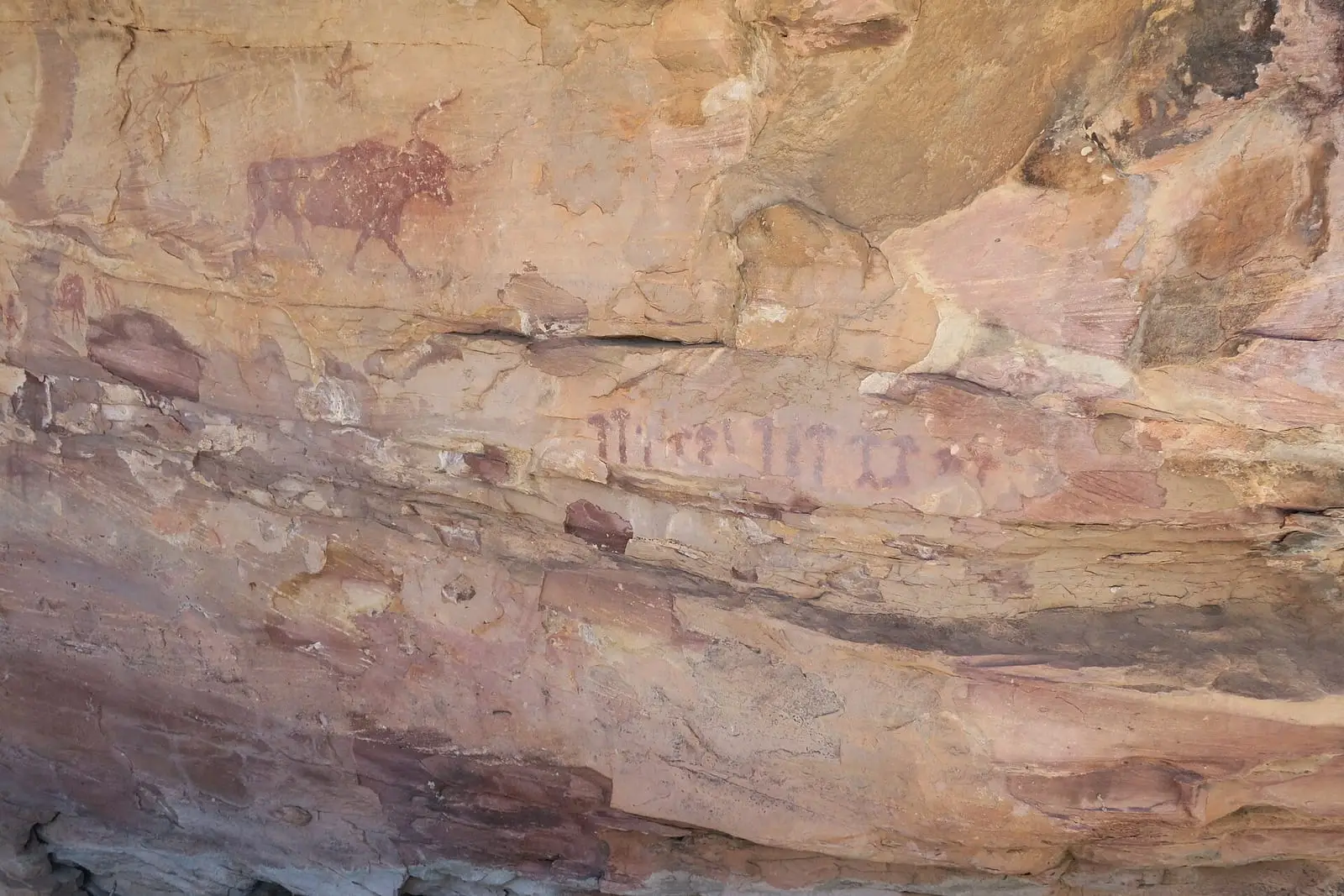
Abrigo de Fuente de Selva Pascuala
Villar del HumoAbrigo del Tío Modesto
HenarejosAbrigo de los Oculados
HenarejosCueva de la Mora
Huerta del MarquesadoCerrito del Moro
Huerta del Marquesado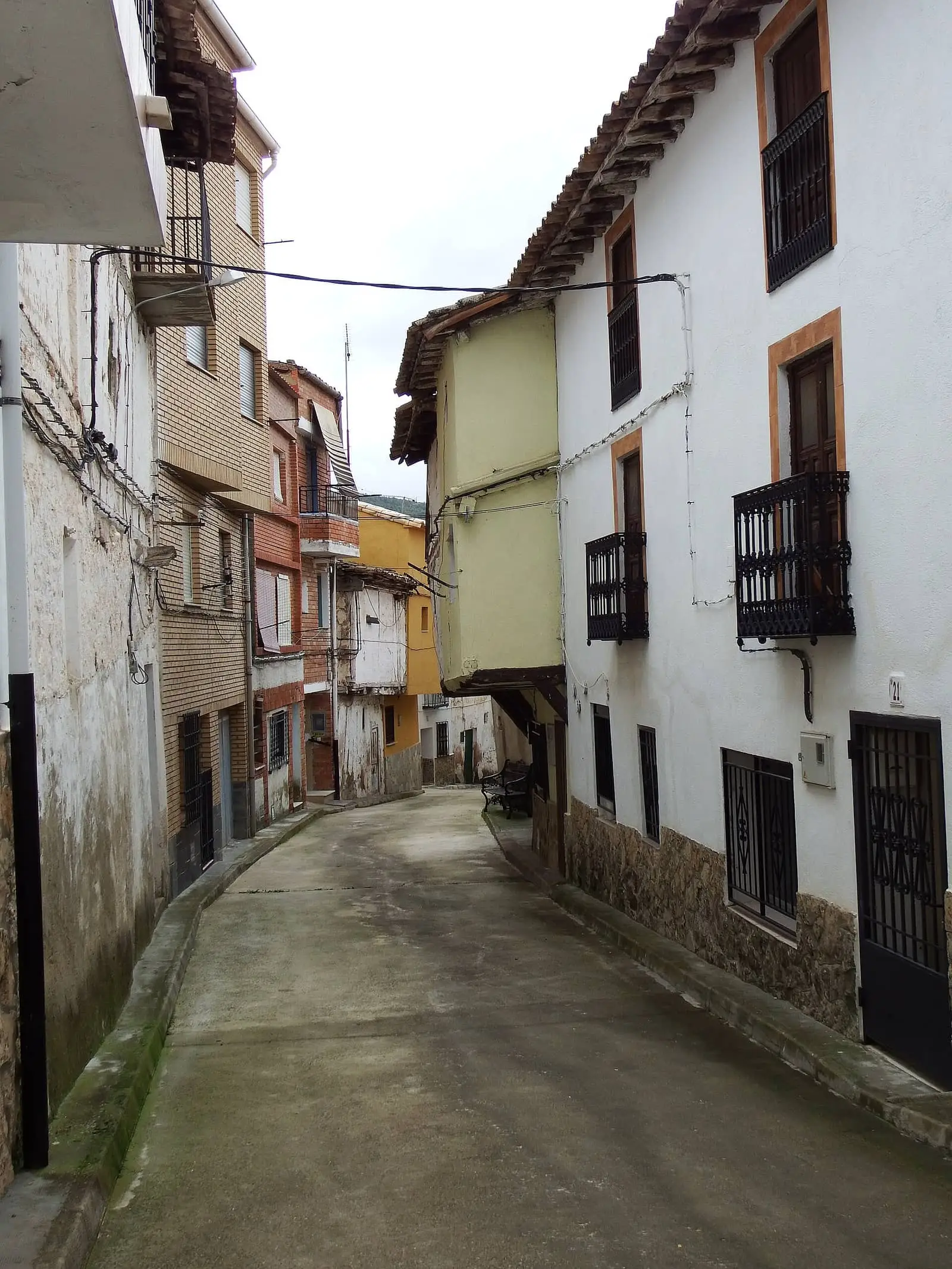
Villar del Humo
Cuenca · 6 places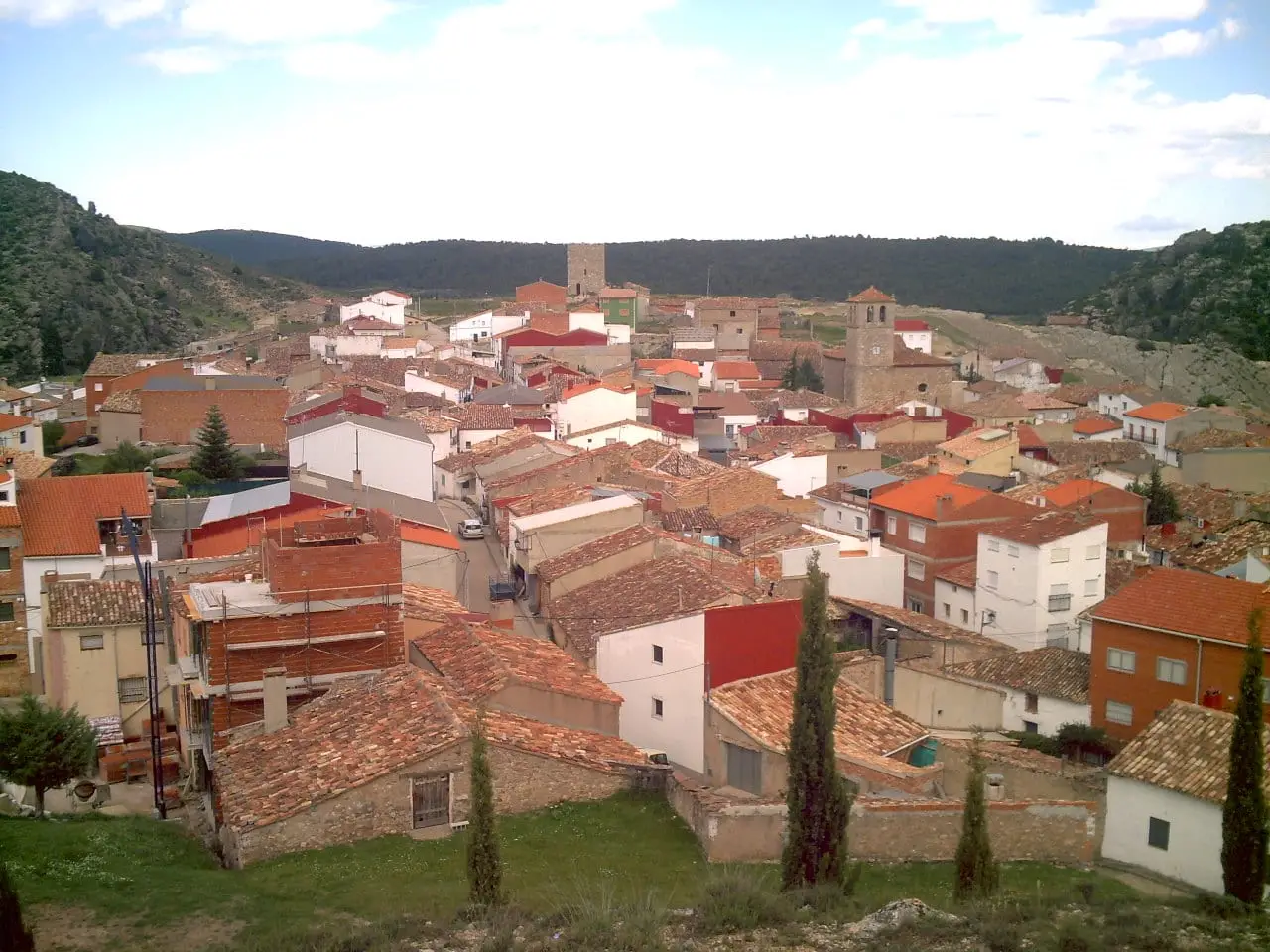
Henarejos
Cuenca · 2 places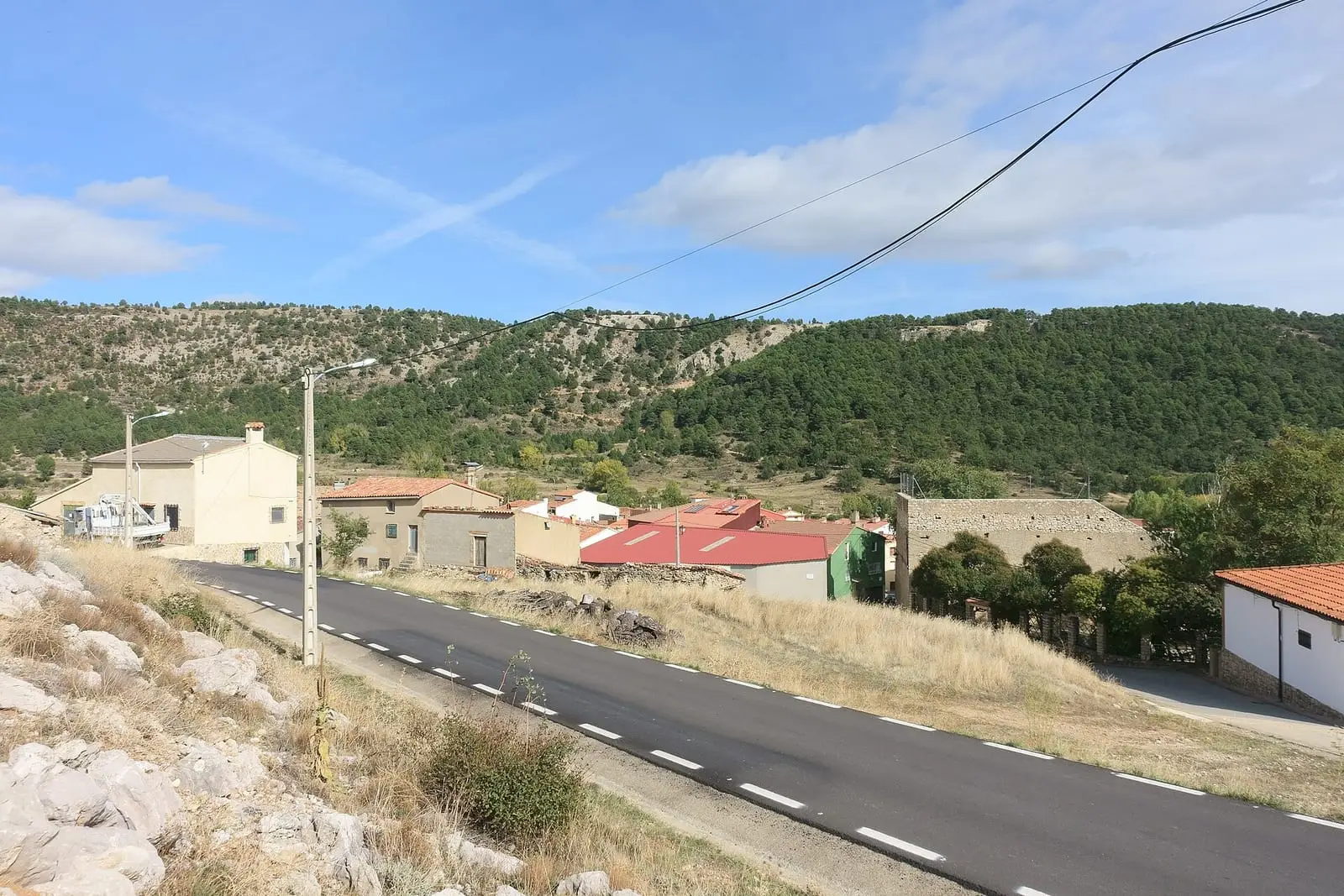
Huerta del Marquesado
Cuenca · 11 placesFrequently asked questions
How old are the paintings?
Those of Villar del Humo are between about 8,000 and 3,500 years old according to the regional Department of Culture. The idols at the Abrigo de los Oculados were radiocarbon-dated to the Copper Age.
Can they be seen?
Some shelters in Villar del Humo, such as Peña del Escrito and Selva Pascuala, and El Tío Modesto in Henarejos, have signposted access. Do not touch or wet the paintings.
Sources and reading
- Consejería de Cultura de Castilla-La Mancha: Arte rupestre en Villar del Humo source consulted
- Ministerio de Cultura (ARAMPI): Villar del Humo (Cuenca) source consulted
- UNESCO: Rock Art of the Mediterranean Basin on the Iberian Peninsula source consulted
- Ruiz, J. F. y otros (2012): «Calcium oxalate AMS 14C dating and chronology of post-Palaeolithic rock paintings in the Iberian Peninsula. Two dates from Abrigo de los Oculados», Journal of Archaeological Science 39 source consulted · Abstract and introduction.
- Turismo de Castilla-La Mancha: Pinturas rupestres del Abrigo del Tío Modesto source consulted
- Campaña de 2022 en la Cueva de la Mora (Huerta del Marquesado, Cuenca) source consulted
- Domínguez-Solera, S. D. y otros (2023): «Noticia sobre el ídolo placa de Huerta del Marquesado (Cuenca)», Los Ojos del Júcar source consulted
Open questions
- Dates of the bones from the Cueva de la Mora: the 2022 campaign report gives between 2400 and 2200 BC; the report on the plaque idol (2023) speaks of 2500-2400 BC. Both are recorded.
- The Cerrito del Moro plaque idol appeared in a later layer: it is not known whether it came from another site, such as the Cueva de la Mora, or whether there is an unexcavated Copper Age layer.
- There are other painted shelters in Henarejos whose locations are not published in order to protect them.