Trade · 16th century – 2025 · Today
Trees with names in the Serranía
In the Serranía there are trees everyone knows by name: the Dios de Pajares, the Pino Abuelo in Palancares, the Sabina Gorda, the Pino de las Cuatro Garras. Many escaped felling because of their size, shape or the shade they gave shepherds. Almost all the elms in village squares, where people gathered, died of Dutch elm disease; the one in Santa María del Val, called El Congreso, died in 2013 and a new elm was planted inside its hollow trunk.
On this page 6 sections
El Congreso
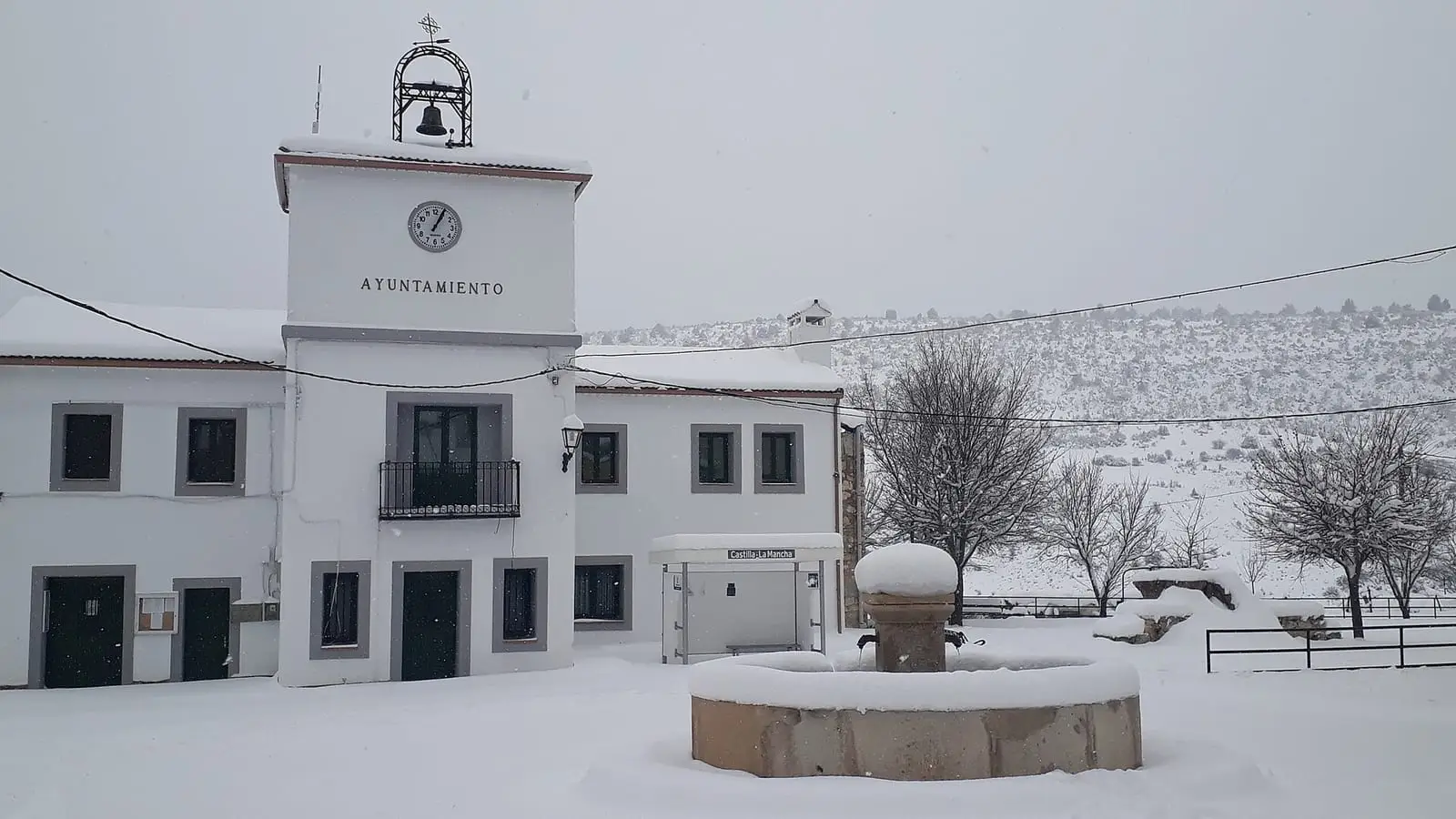
Beside the spring at the entrance to Santa María del Val stood an elm nobody called an elm: it was the tree. Hollow and twisted, with nests in its branches, it was where children met and climbed to play, and older people sat in its shade in a circle they called El Congreso. It had survived a fire and pruning. In 2012 it began to turn yellow and the following year it put out no leaves: it was Dutch elm disease, which since the 1980s had killed the square elms in Carrascosa, Tragacete, Masegosa and almost the whole Serranía. The village did not want to lose the trunk. It treated it against the weather, filled it with earth and planted a new elm inside. Another was already growing beside it, a sapling from the old tree that a villager had collected around 2005 and tended at home. In 2025 both were still growing, and the village hoped that one day El Congreso would meet there again.
That same year, the forest nursery of the regional government of Castilla-La Mancha began distributing elms from resistant clones to town councils, one or two per village, to replant the elm in the square.
Trees that were spared
In the hills, trees with names are almost always those spared from felling. The Pino de las Cuatro Garras, in Boniches, branches so low that it seems to have four trunks, and was spared for being unusual. The Pino del Ocejón, in Tragacete, was left for its size: more than three metres in girth and about twenty-five high. In Palancares, the Pino Abuelo and Pino del Tío Rojo were spared, it is said, because they gave shade and provided shepherds with somewhere to leave their belongings; the Pino del Tío Rojo has a hollow at its base attributed to people taking resinous splinters for lighting. The Abuelo is estimated to be over five hundred years old, and stands so far above the pine forest that lightning strikes it.
Portuguese oaks, oaks and junipers
Among the cereal fields of Pajares, in Sotorribas, the Dios de Pajares is a Portuguese oak more than four centuries old, hollow and with dead branches, cared for by the municipality with benches and information panels; the panel links its name to the sacred oaks of the Celtiberians. In Carrascosa stands the Roble del Tío Lucas, a sessile oak (Quercus petraea), rare in Cuenca, full of branches from pruning. Between Buenache and Beamud is the Sabina Gorda, or Sabinorro, about five hundred years old; in Campillos-Sierra, the Sabina Portera, and in Palancares, the Sabina Retratá. In Huerta del Marquesado, the Pino del Telégrafo and the Enebro de la Fuente del Pino, almost two metres in girth, enormous for a tree growing so slowly and in such cold.
A forest left alone
In Palancares, beside the Sumidero, there are four hectares of pine forest where no timber has been extracted since 1894 and which were set aside as a reserve in 1989. There you can see what a forest does when nobody touches it: two-hundred-year-old pines thirty metres tall, trees felled by lightning or snow, deadwood full of fungi and insects, and clearings where light enters and new trees grow.
Words of the trade
- Grafiosis
- A disease of elms caused by a fungus carried by beetles; it kills the tree within a few years.
- Clon resistente
- An elm propagated in a nursery from trees that survived Dutch elm disease. It has greater resistance but is not immune.
- Coquera
- A hollow in a tree trunk.
- Tea
- A splinter of very resinous wood used for lighting or starting fires.
- Rodal de reserva
- An area of woodland left unfelled to see how the forest develops on its own.
Where it is today
Santa María del Val
Cuenca · 1 places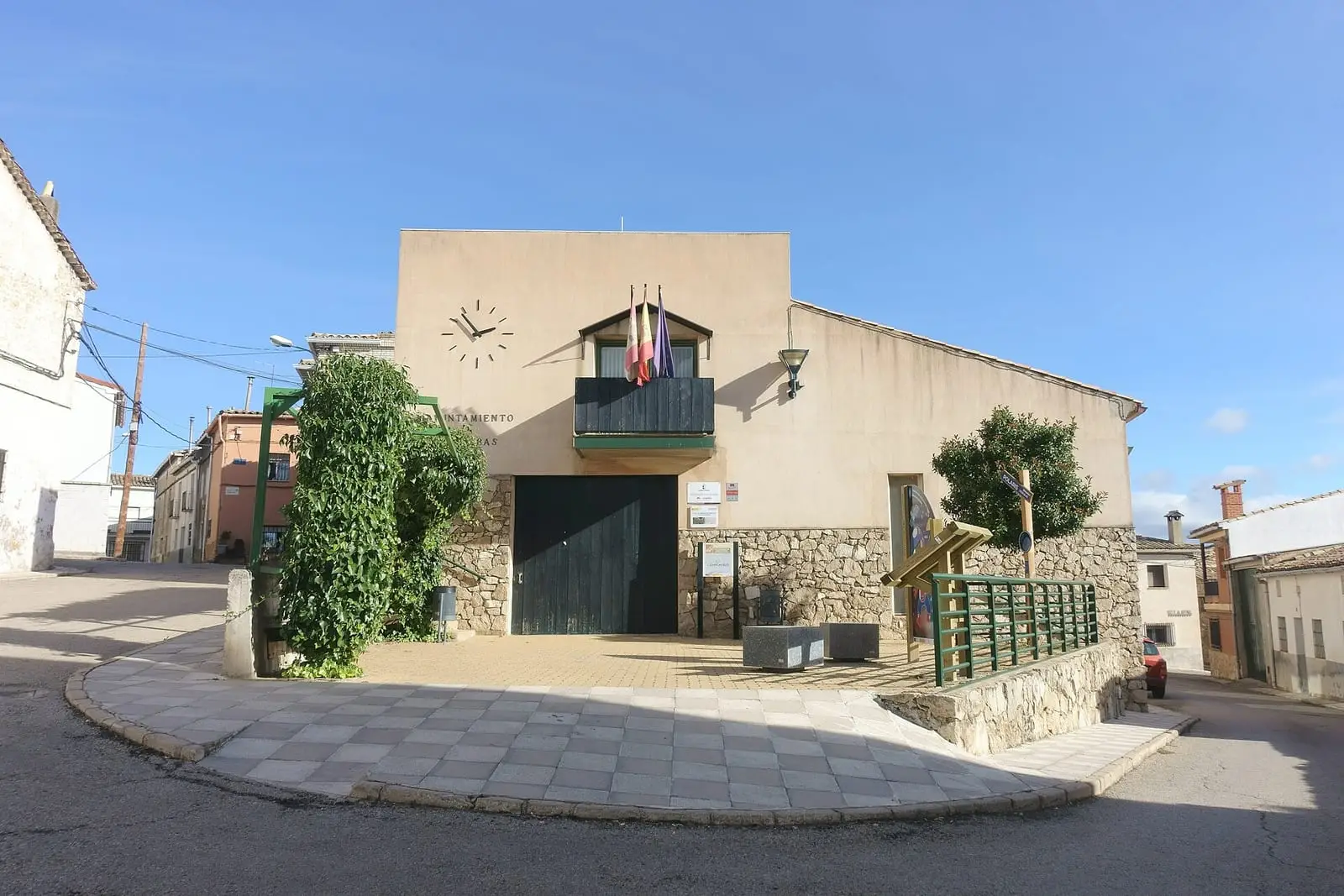
Sotorribas
Cuenca · 10 places
Carrascosa
Cuenca · 4 places
Huerta del Marquesado
Cuenca · 11 places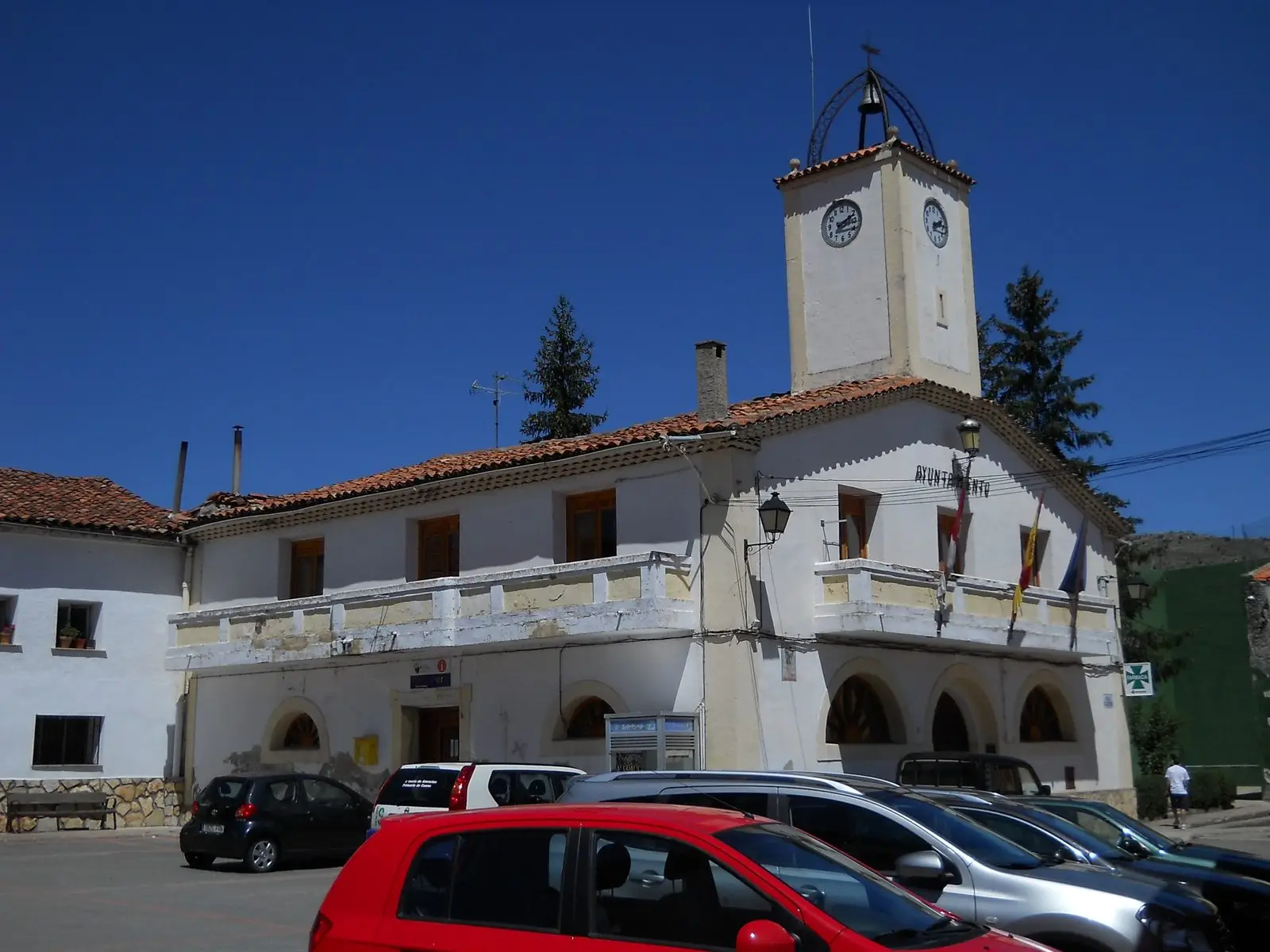
Tragacete
Cuenca · 6 places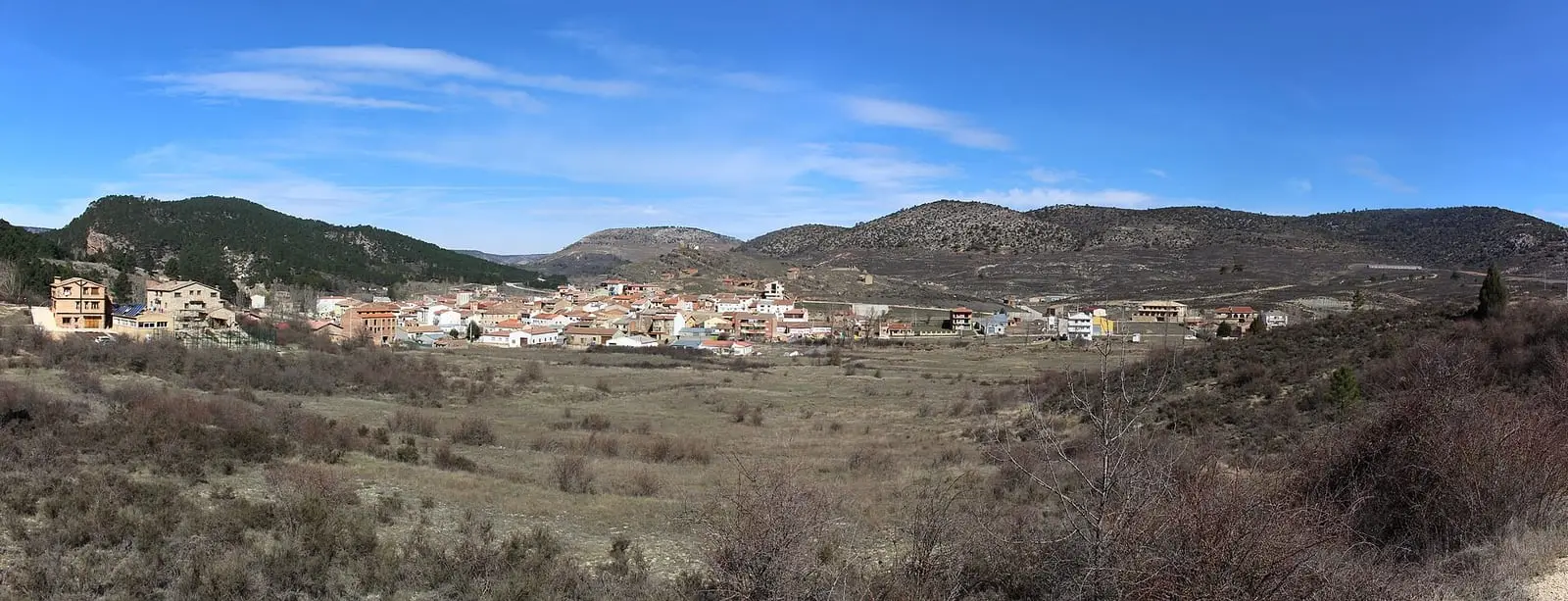
Boniches
Cuenca · 4 places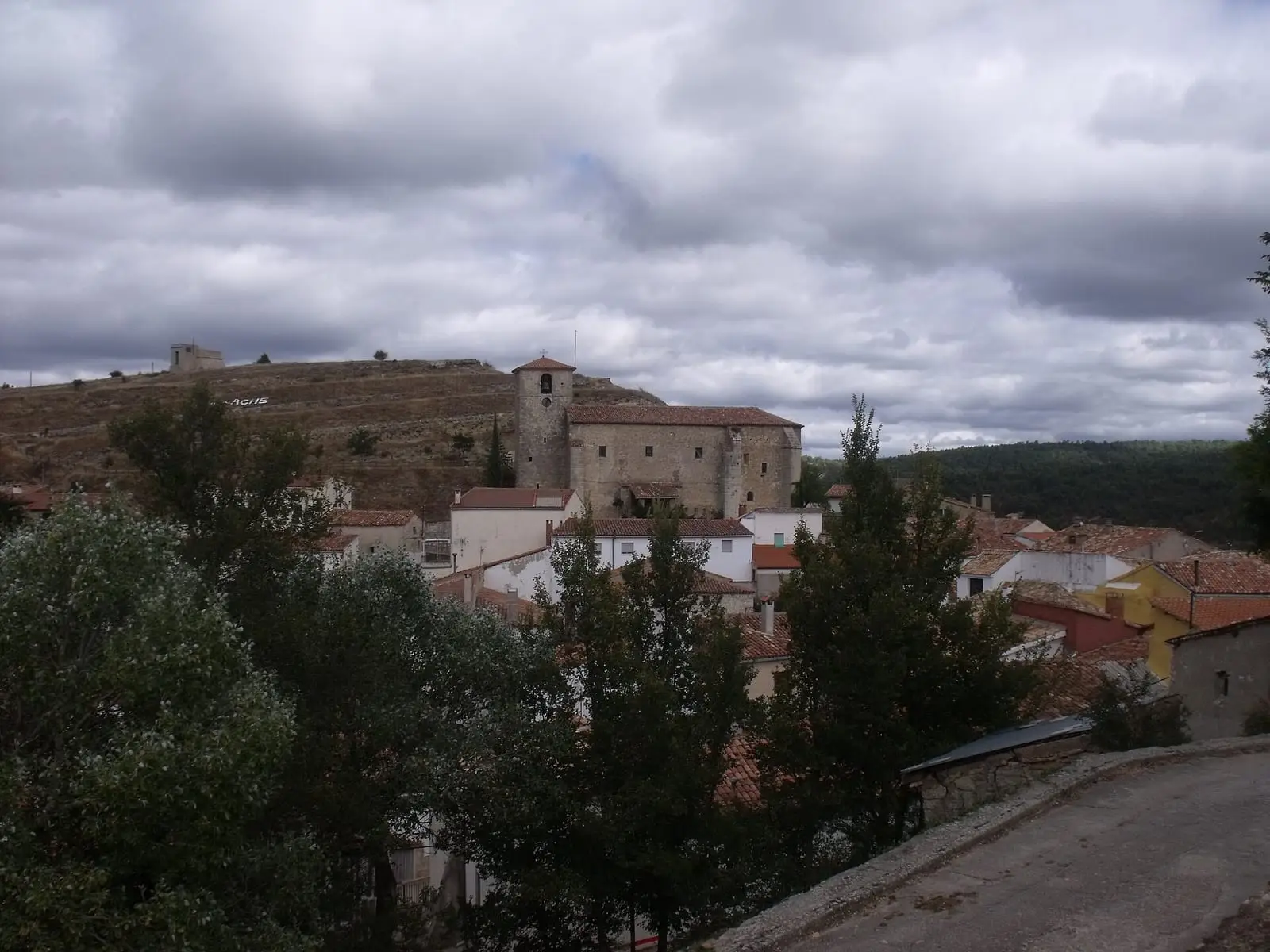
Buenache de la Sierra
Cuenca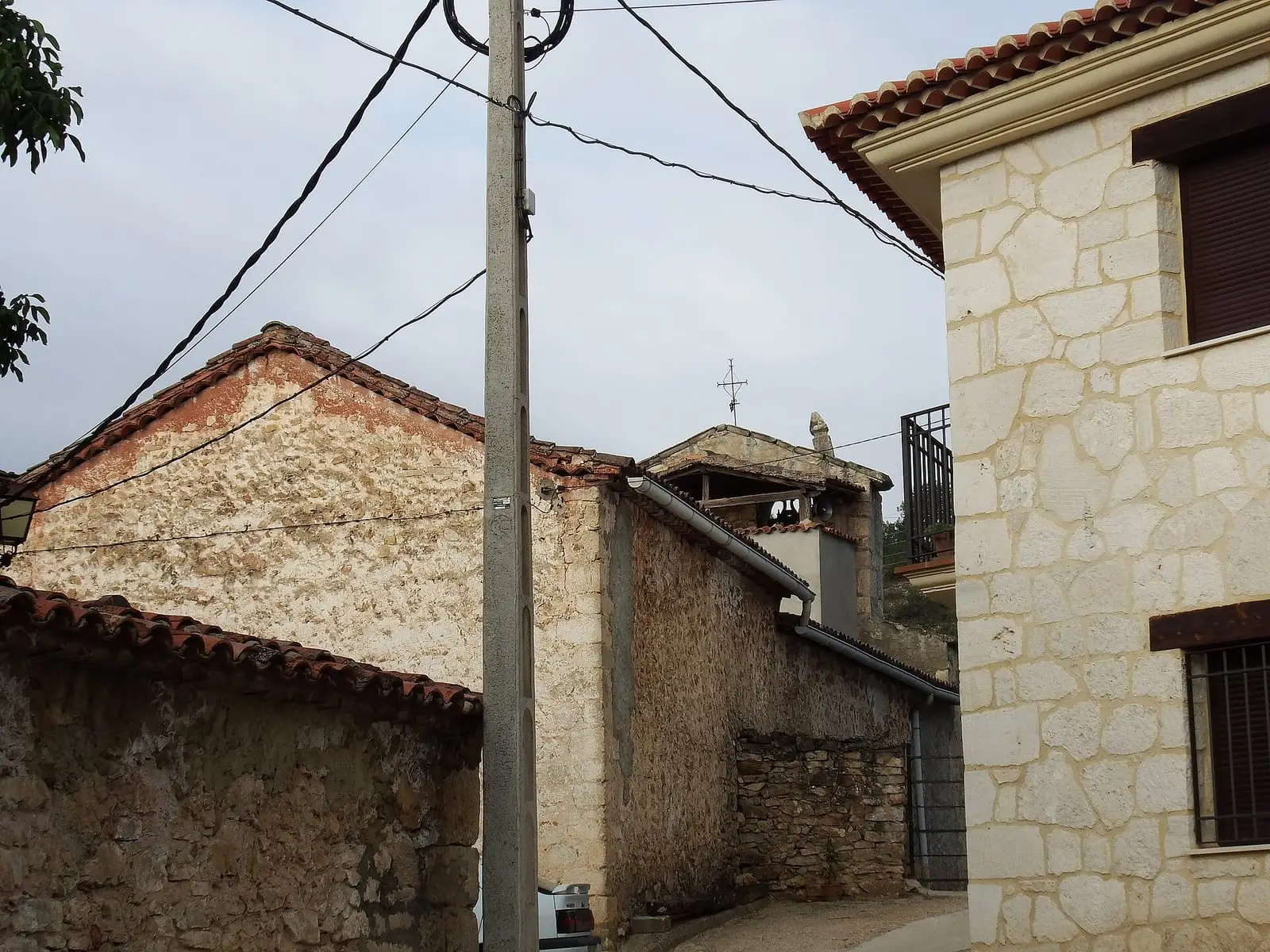
Campillos-Sierra
Cuenca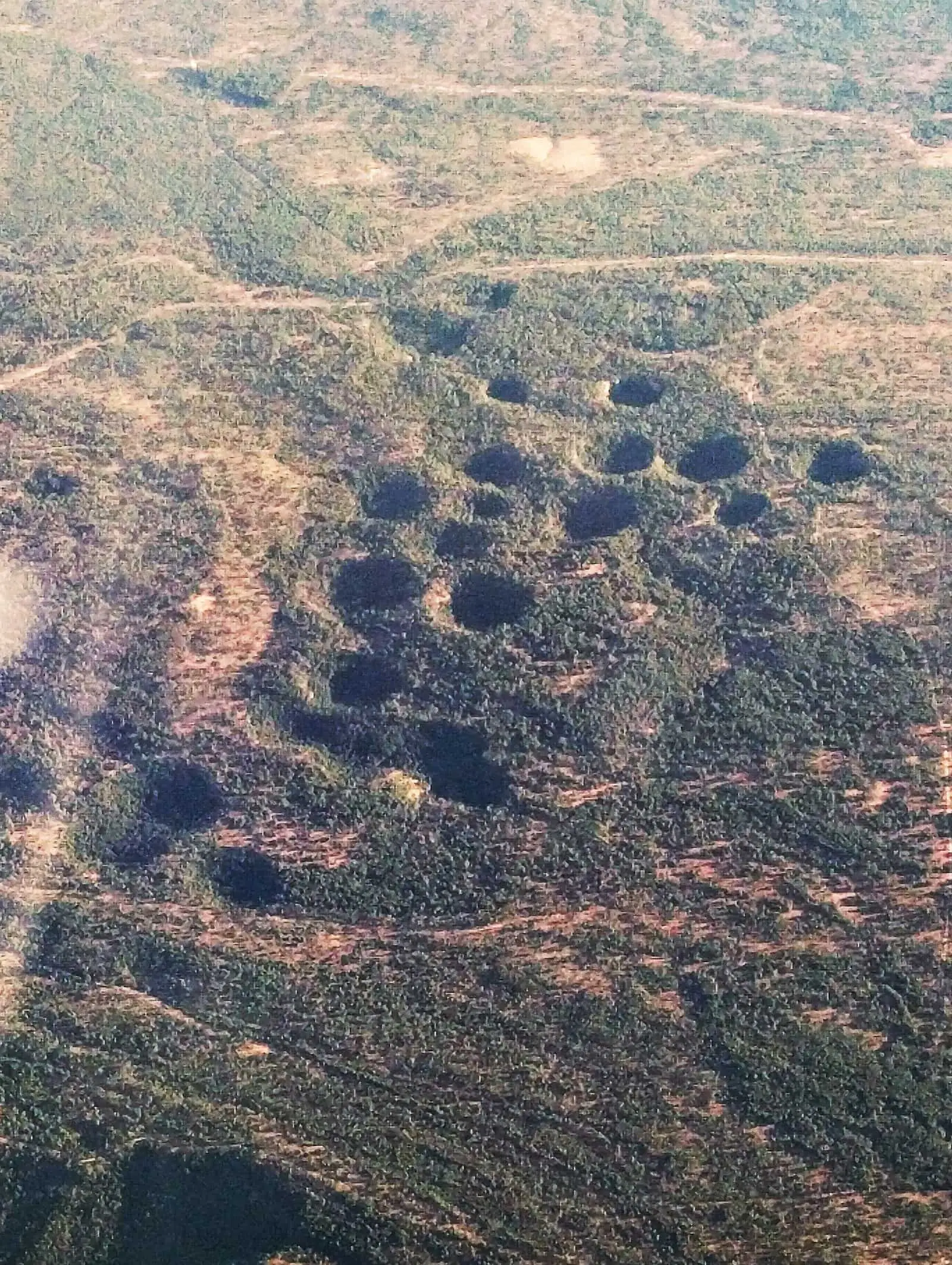
Palancares y Tierra Muerta Natural Monument
Decreto 2/2001, de 16 de enero · 18,436.63 haFrequently asked questions
What notable trees are there in the Serranía de Cuenca?
Among those known are the Dios de Pajares (a Portuguese oak in Sotorribas), the Pino Abuelo, the Pino Candelabro and the Sabina Retratá in Palancares, the Sabina Gorda between Buenache and Beamud, the Roble del Tío Lucas in Carrascosa, the Pino del Telégrafo in Huerta del Marquesado, the Pino del Ocejón in Tragacete and the Pino de las Cuatro Garras in Boniches.
Are the elms in village squares still alive?
Almost all the old ones died of Dutch elm disease. Since 2025 the regional government's nursery has distributed resistant elms to town councils for replanting.
Sources and reading
- Hoy por Hoy Cuenca, Cadena SER: «Vuelve la vida al tronco seco del olmo centenario de un pueblo de Cuenca» (10-06-2025, con audio) source consulted
- Hoy por Hoy Cuenca, Cadena SER: «Vuelven los olmos a los pueblos de Cuenca: así se rescata un símbolo perdido» (20-11-2025, con audio) source consulted
- Hoy por Hoy Cuenca, Cadena SER: «Árboles singulares de Cuenca: testigos del tiempo y leyendas de la historia» (21-03-2024, con audio) source consulted · The audio seems to be an earlier recording reused; the measurements and condition of the trees are not from 2024.
- Hoy por Hoy Cuenca, Cadena SER: «El bosque mágico de Cuenca: la Parcela de Reserva y el Sumidero de Palancares» (05-05-2023, con audio) source consulted
- Guadalajara, E.: «El olmo del Concejo», Revista Mansiegona source consulted · Written when the Santa María del Val elm was still alive.
- Domínguez, S.: Árboles, leyendas vivas reference located · Book by the author interviewed; not consulted.
Open questions
- Ages of the trees: these are estimates, not datings. The seven or eight hundred years of the Santa María del Val elm are the mayor's estimate.
- Current condition and legal protection of each tree: its technical record is needed.
- Parcela de Reserva in Palancares: the management document specifying what the dates 1894 and 1989 mean is missing.