Village · Cuenca
Sotorribas
Sotorribas is a municipality in Cuenca's Campichuelo district, about 17 km from Cuenca, formed between 1970 and 1981 by the merger of six municipalities: Collados, Ribagorda, Ribatajada, Ribatajadilla, Sotos and Torrecilla. Its 13th-century Romanesque churches are its main heritage. It had 684 inhabitants in 2021.
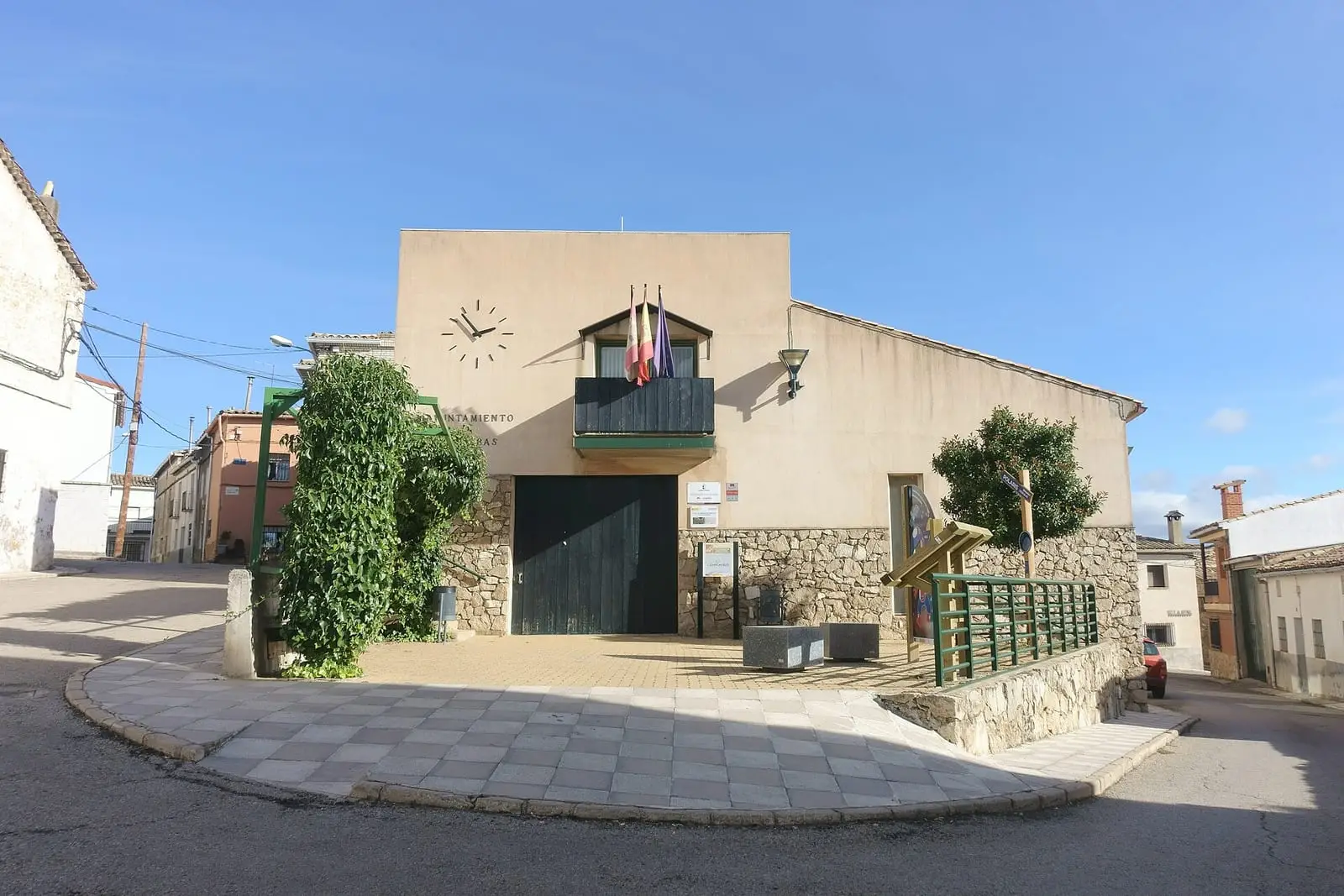
On this page 11 sections
A municipality made of villages
Sotorribas brings together several Campichuelo villages, about 17 km from Cuenca: Sotos, the administrative centre, Collados, Ribagorda, Ribatajada, Ribatajadilla and Torrecilla, as well as Pajares and Villaseca. The first six united as a municipality between 1970 and 1981. Sotos began as a village of Cuenca after the conquest, in the 12th and 13th centuries; settlers from Old Castile and La Rioja grew cereals. It stands on the plain at the foot of the Sierra de Bascuñana.
Churches of the 13th century
Almost every village has its Romanesque church from the resettlement period:
- In Sotos, the Asunción church, with a semicircular apse, a slender tower bearing the Albornoz arms and remains of a doorway with figured capitals.
- In Torrecilla, the Asunción, on a hilltop, one of Cuenca’s finest Romanesque churches.
- In Ribatajada, San Juan Bautista, with a 13th-century apse, doorway and bell gable.
- In Pajares, Santo Domingo de Silos, with a small altarpiece between Romanesque and Gothic, showing Nativity scenes.
- In Ribatajadilla, the Asunción, with a large elm in the forecourt; in Collados, the Concepción, with its large entrance; in Villaseca, San Pedro Apóstol, with two transitional doorways.
In Ribagorda, the Virgen de la Horcajada is carried in procession from her hermitage every 8 September.
A 2025 radio account associates Ribatajada with a Virgen de la Estrella hermitage and a hillfort it dates to the 6th century BC, and explains the name as «altura» (height) and «valle cortado» (cut valley). These points remain unresolved: neither the hermitage nor the hillfort appears in the other sources consulted, and the same talk distinguishes that hermitage from La Horcajada in Ribagorda.
Pines still tapped for resin
In 2022 Sotos was one of the few places in the province still tapping resin, and in 2021 its pine woods were a trial site for the Go-Resinlab project: shallow drilling instead of traditional cutting and a closed bag rather than an open pot. It was a trial; no results were published.
In 2022 a resin tapper from Sotos offering to host two placement students worked eight thousand pines a year. The plot where he planned to teach was in Lardera, a private woodland.
Among the cereal fields of Pajares stands the Dios de Pajares, a Portuguese oak estimated to be over four centuries old, with a hollow trunk and dead branches, cared for by the municipality with benches and panels. The panel links its name with the Celtiberians’ sacred oaks; this is an interpretation, not a proven origin.
Routes
The PR-CU 23 (short-distance trail), Ruta del Covacho y El Callejón, is a 7 km circuit passing the Sotos viewpoint and descending along an old bridle path. The PR-CU 22, Ruta de El Calahorrano y el cerro de la Cueva, is 13.5 km long.
The lovers of Sotos
In the maritime-pine forest between Mariana and Sotos, at La Pinochada, a sign marks Los amantes de Sotos: three resin pines whose curved trunks intertwine as if embracing. The popular-history writer showing them prefers to call them the three brothers. There is no legend: the name comes from their shape. Nearby, Las Cabezuelas, at about a thousand metres, offers views of the Salto de Villalba and Valdecabras cliffs, and the woods retain pines with resin-tapping faces, a trade that resumed a few years ago.
In January 2021 an 84-year-old retired farmer and livestock keeper from Ribatajada, sitting in the sun on the square beside the fountain and bar, said no one in the village had returned to shepherding since he gave up his sheep. It was hard to leave farming after a lifetime, he said, which was why he still kept his vegetable garden in summer.
Books in circulation
In Collados, around 2018, a villager found two or three hundred damp-damaged books in the former town hall. He cleaned and repaired them, placed them in another municipal building without damp, and asked for more on social media and from neighbours; by 2021 he had about 2,000 classified and around thirty boxes awaiting sorting. They are lent on trust, including to people who spend part of the year away. In Ribatajada, around 2021, villagers and children sanded and painted the old telephone box, its phone removed, and filled it with books to take and leave: Biblioteca La Cabina, beside the fountain. The village also has a small library in Cultural Association premises, with computers and a place for remote working, and benches made from pruned wood where older people said they would sit.
Plan your visit
The churches are spread among the villages: they are best seen by car, one after another, in a morning.
Before you travel
Ask the town hall whether you can see inside the churches.
Frequently asked questions
Which villages form Sotorribas?
The INE records the merger of Collados, Ribagorda, Ribatajada, Ribatajadilla, Sotos and Torrecilla between the 1970 and 1981 censuses. The administrative centre is Sotos.
What Romanesque heritage does the municipality have?
Rural 13th-century churches: San Juan Bautista in Ribatajada, the Asunción in Torrecilla, the Asunción in Sotos and Santo Domingo de Silos in Pajares, among others, and the Virgen de la Horcajada hermitage in Ribagorda.
Which approved trails does it have?
PR-CU 22, Ruta de El Calahorrano y el cerro de la Cueva, a 13.5 km circuit, and PR-CU 23, Ruta del Covacho y El Callejón, 7 km, about 2 hours and 233 m of elevation gain.
Carry on from here
The rivers, zones, eras, places and official routes that the atlas links with Sotorribas.
Lands and landscapes
From here, follow the memory of the land
These readings connect Sotorribas with the stories, the work and the villages around it.
Places in the municipality and around it
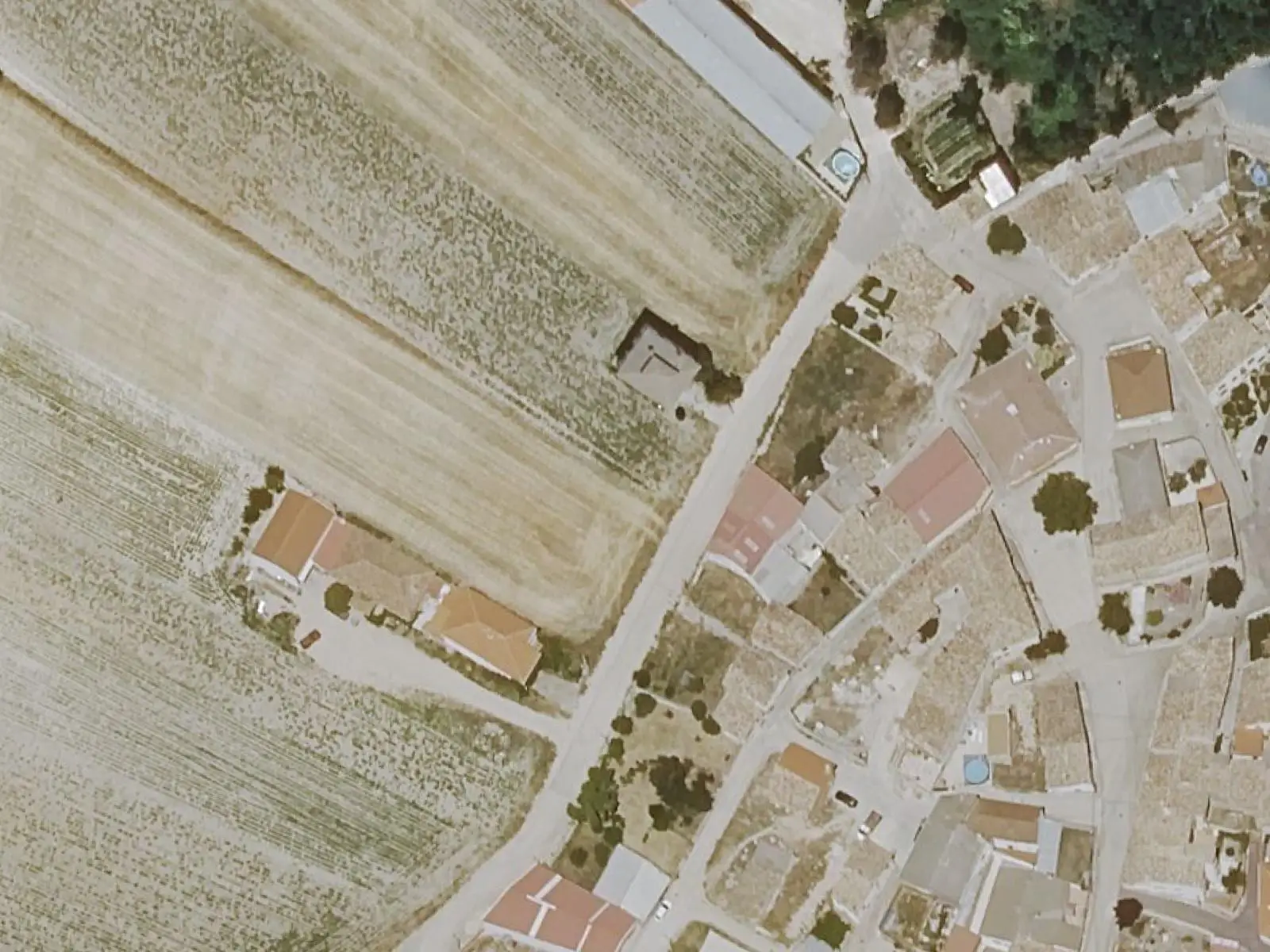
Hermitage of the Virgen de la Horcajada
Sotorribas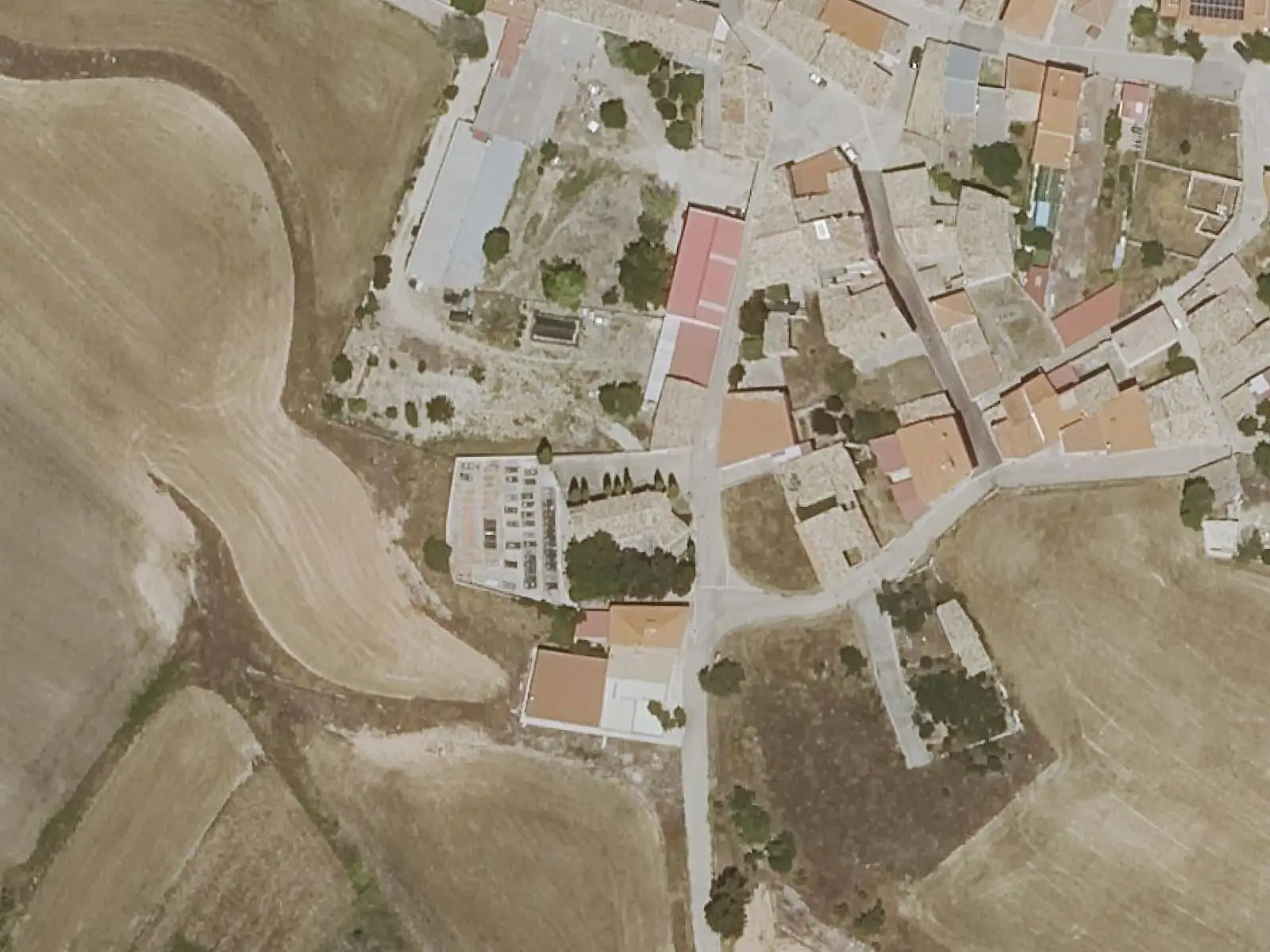
Church of La Asunción, Ribatajadilla
Sotorribas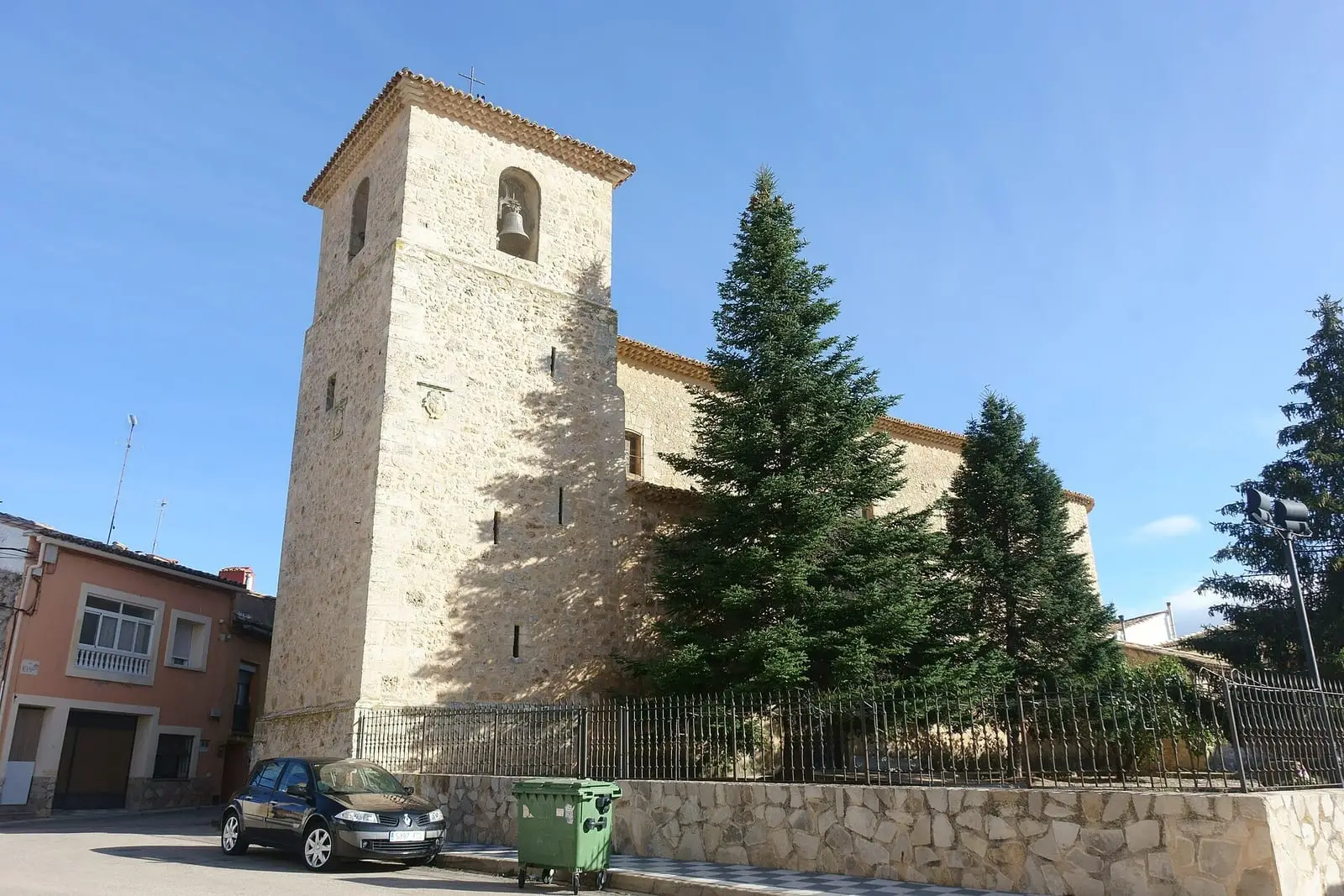
Church of La Asunción, Sotos
Sotorribas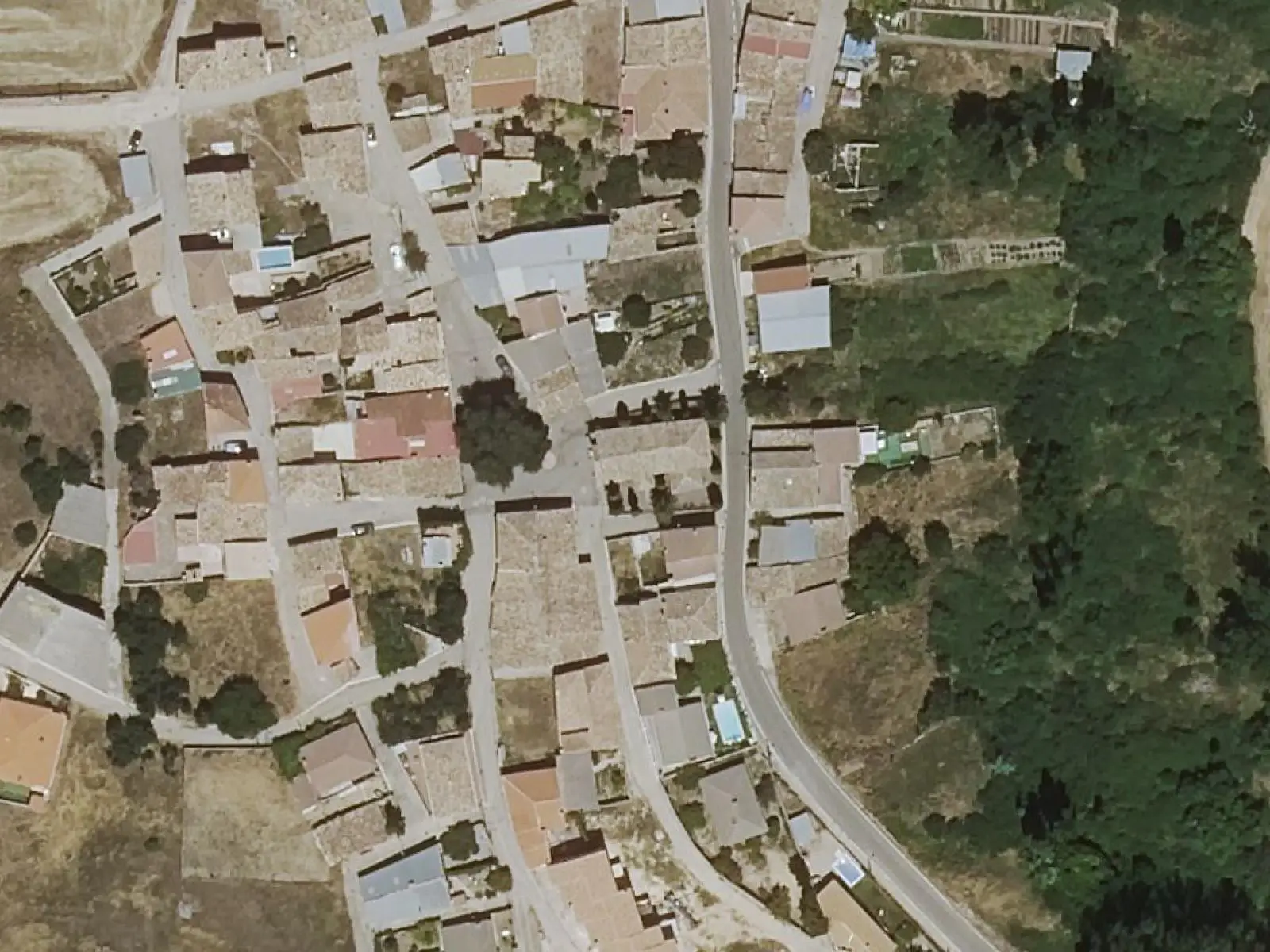
Church of La Concepción, Collados
Sotorribas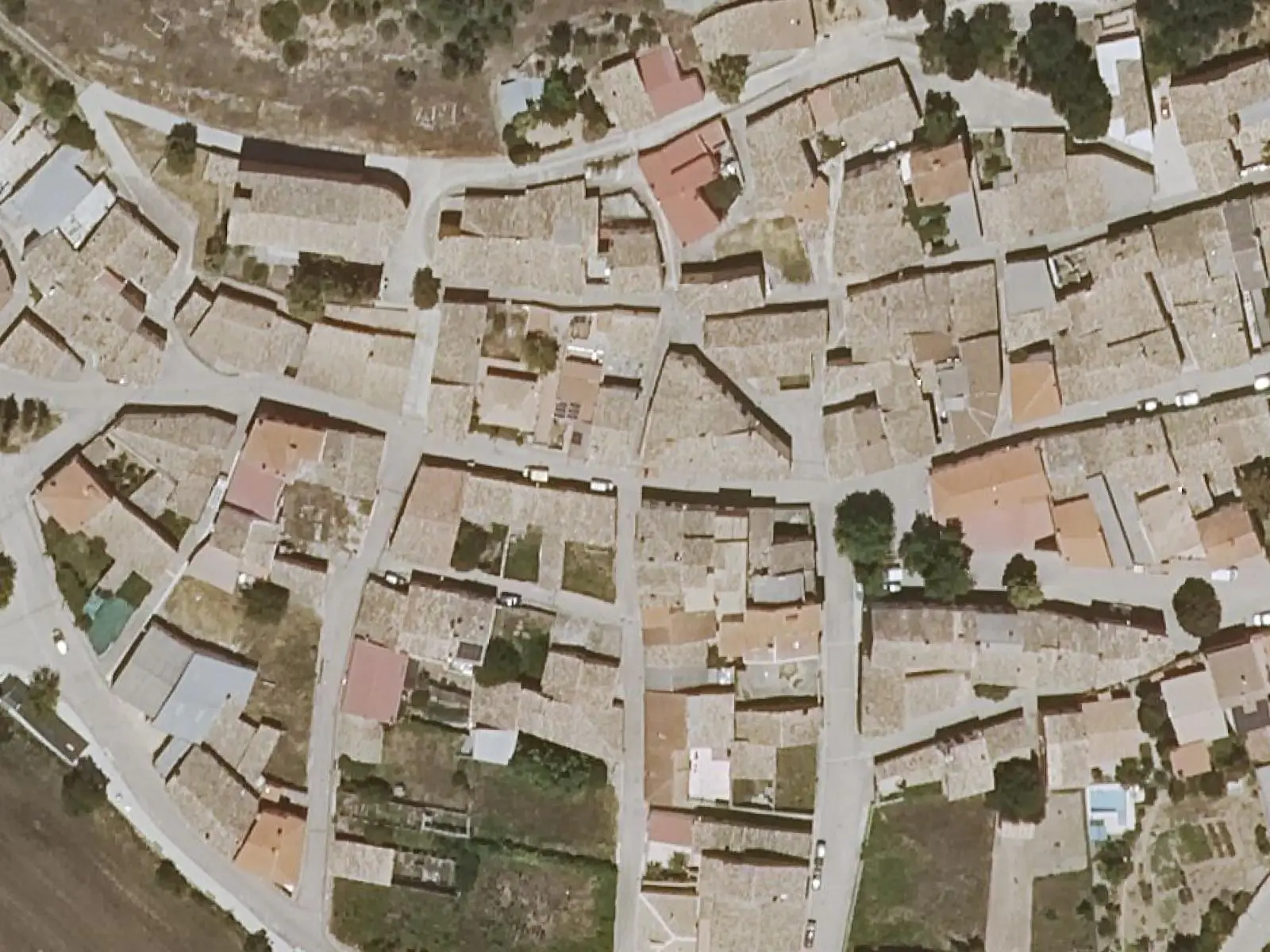
Church of San Juan Bautista, Ribatajada
Sotorribas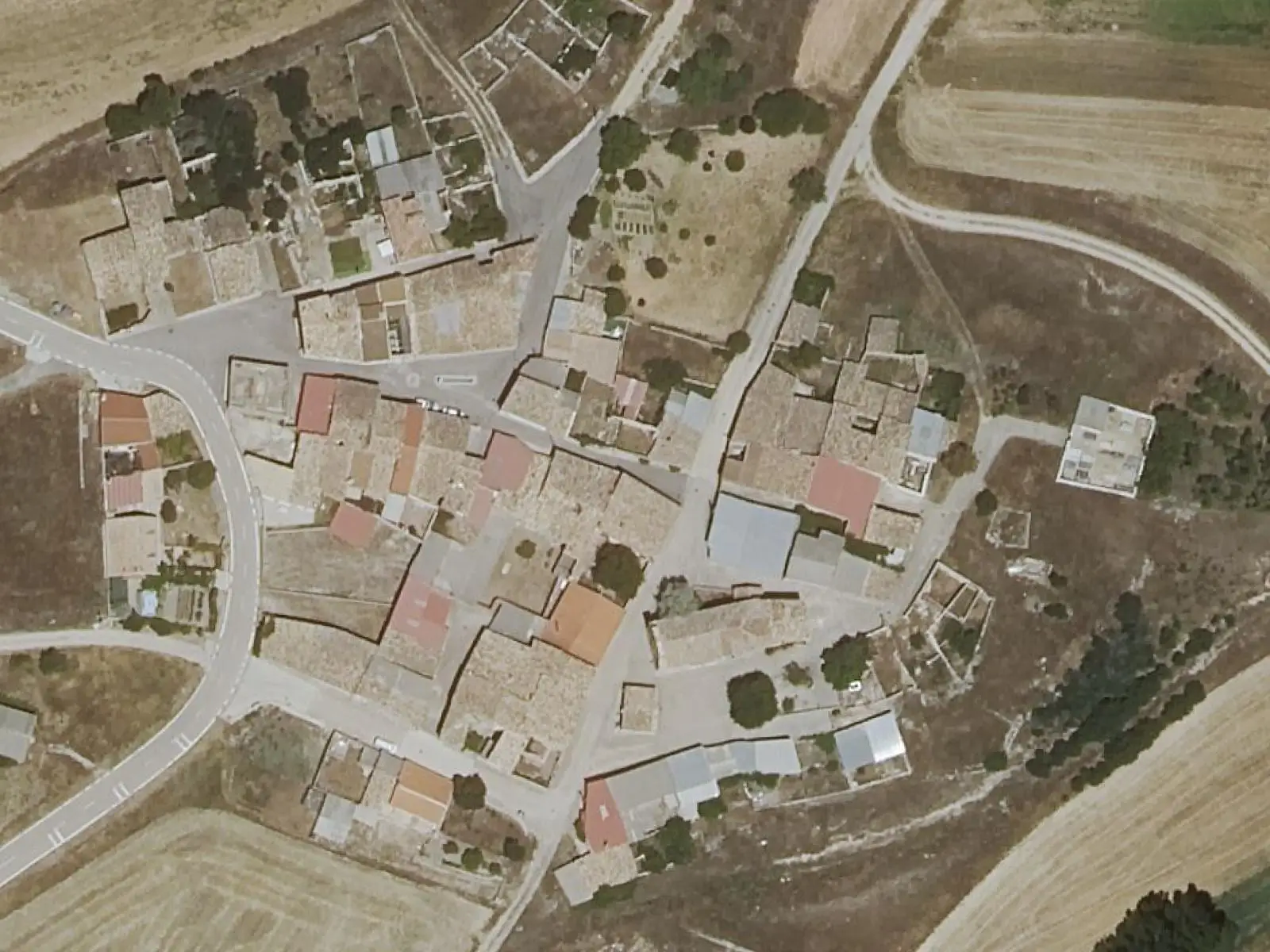
Church of San Pedro Apóstol, Villaseca
Sotorribas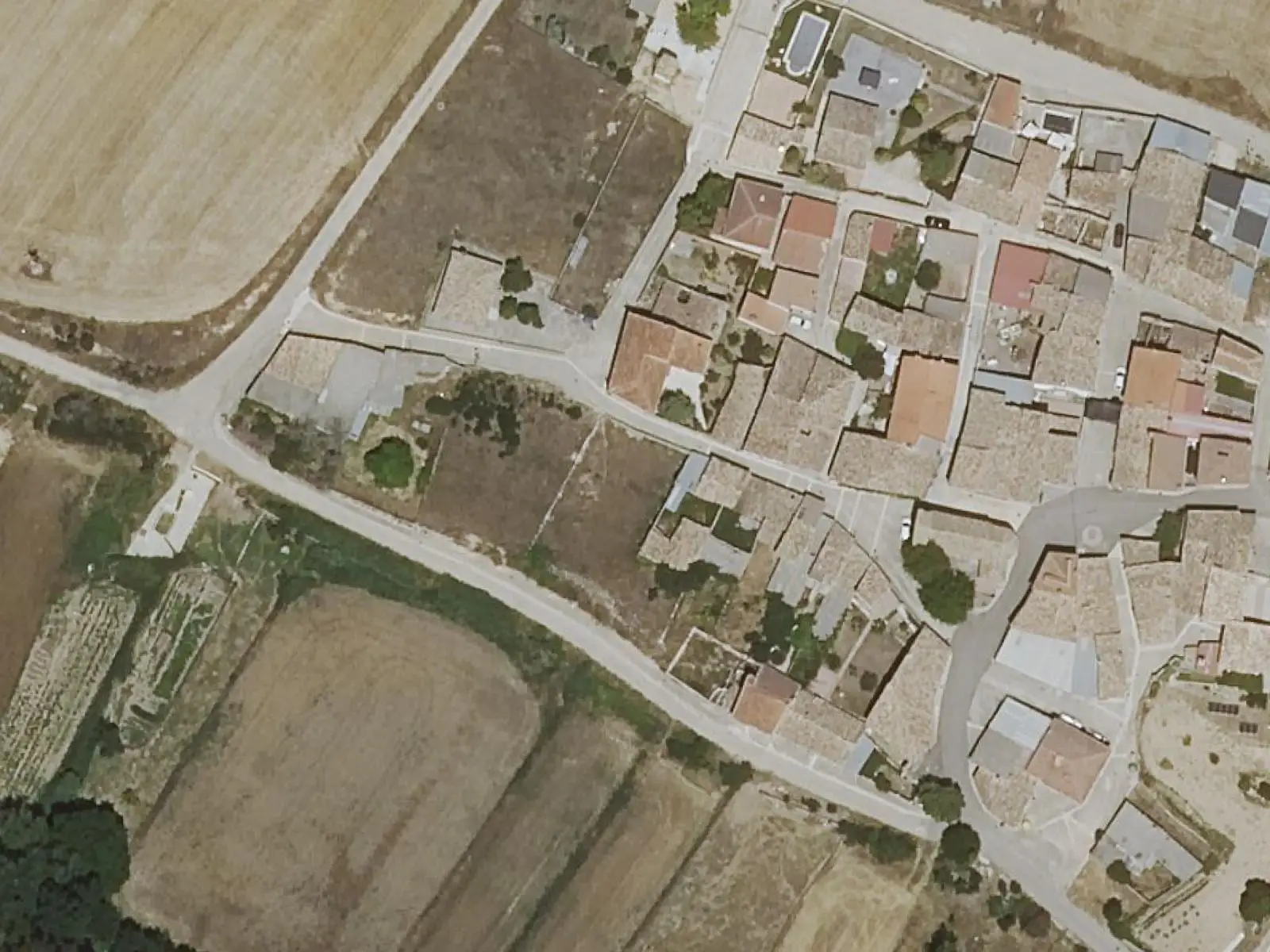
Official routes
Near Sotorribas
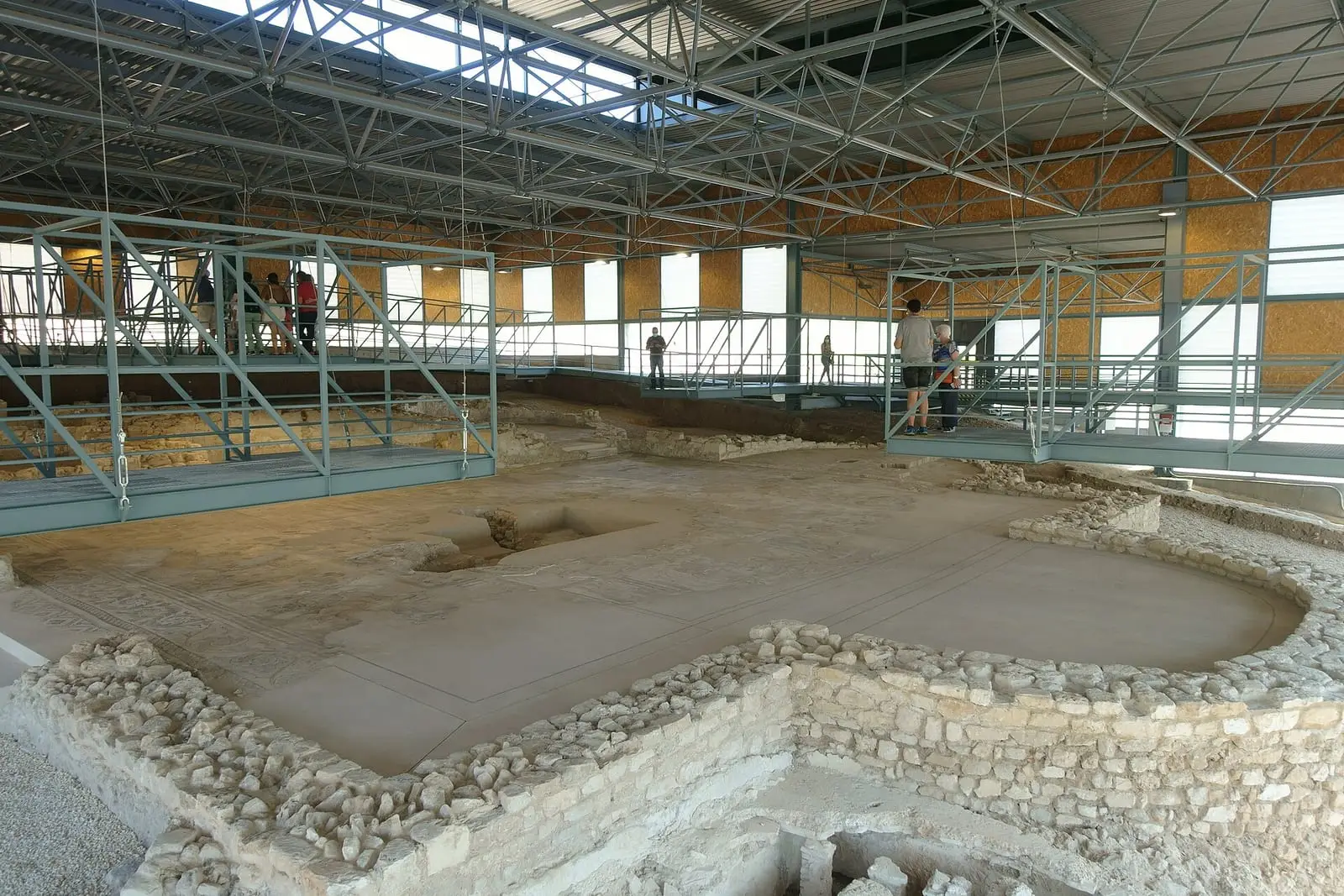
Roman villa of Noheda
Villar de Domingo García
Piedra Yunque
Villalba de la Sierra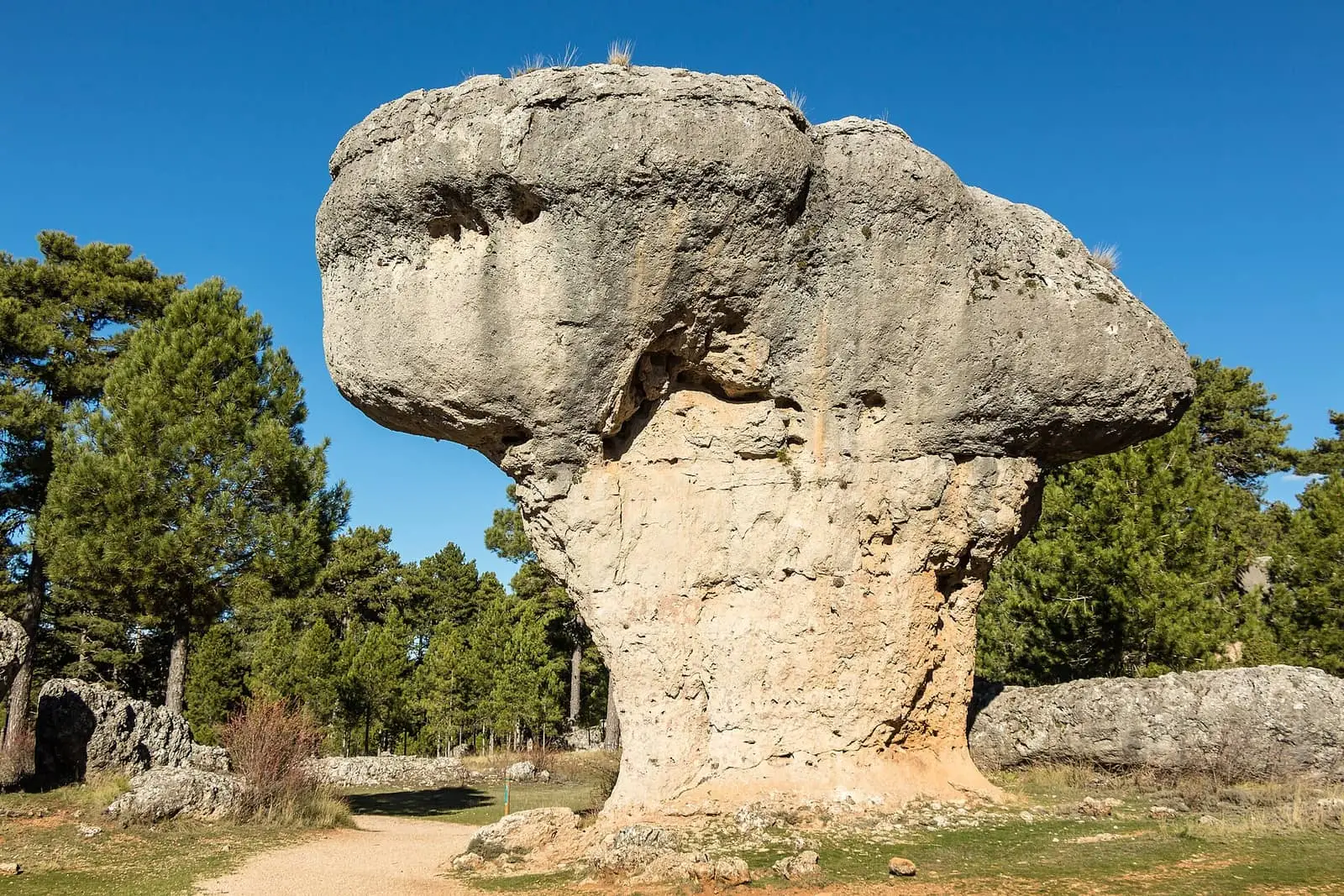
Ciudad Encantada de Cuenca
CuencaSee 5 more
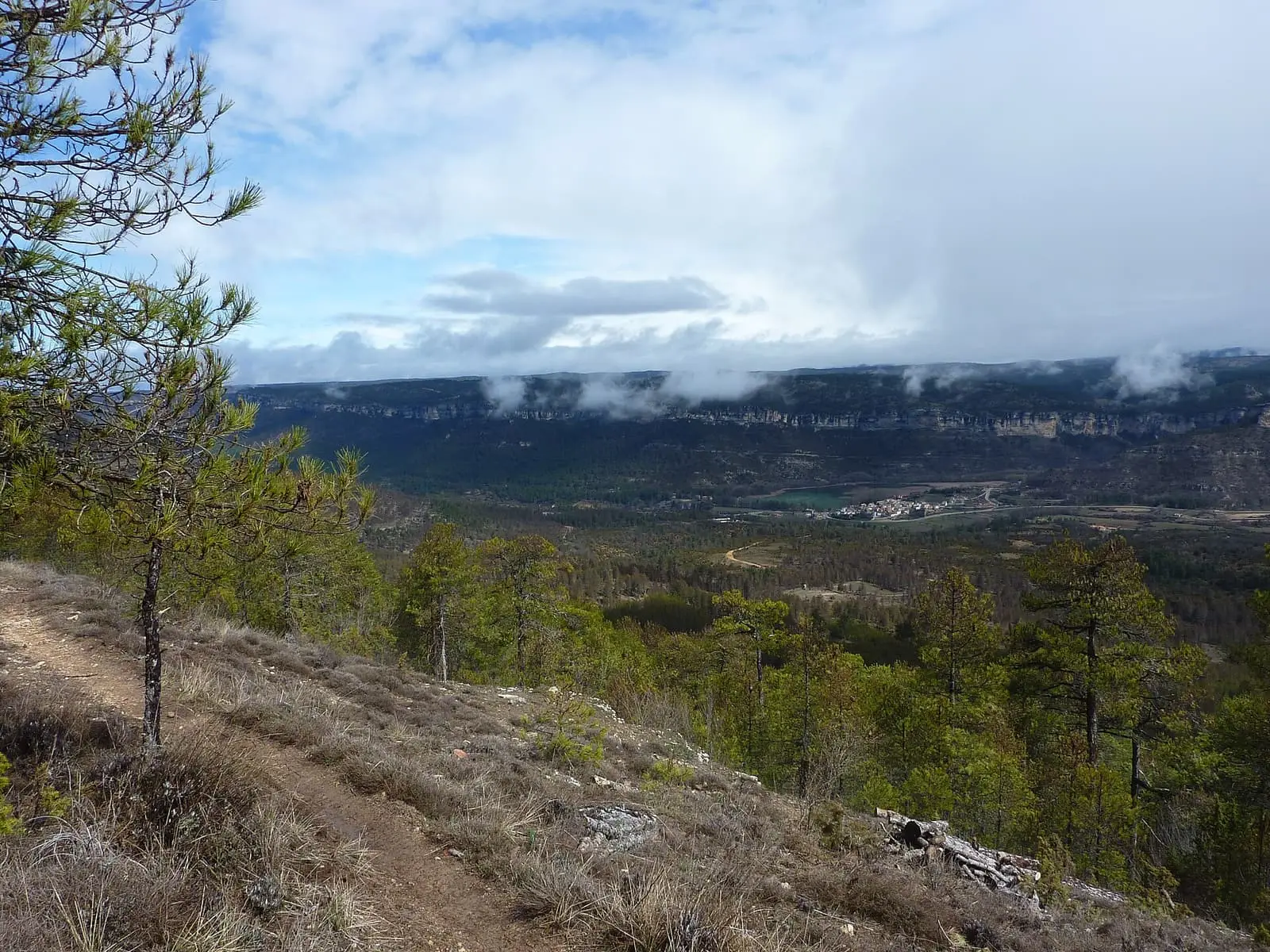
Uña viewpoint
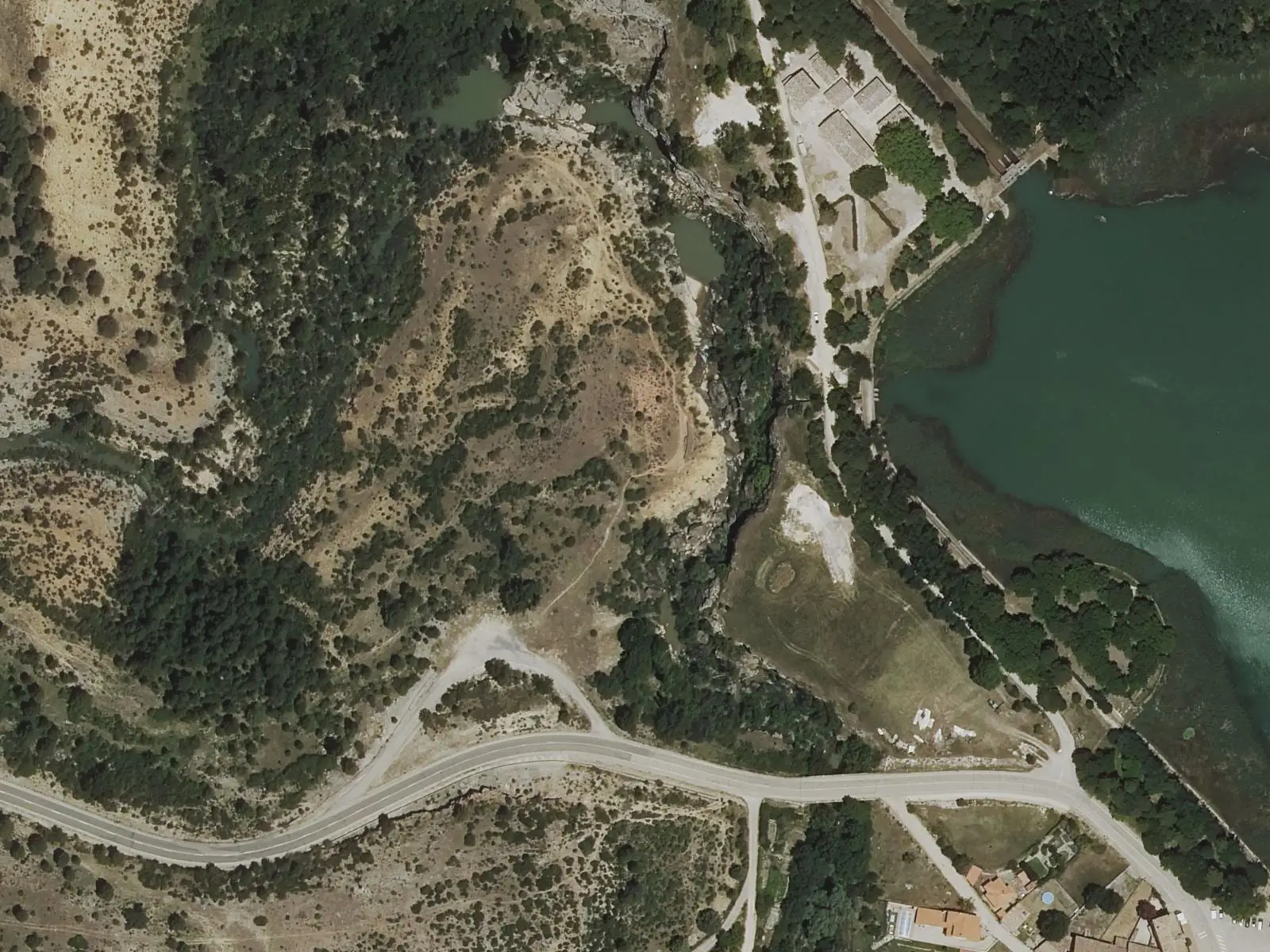
Travertino viewpoint, Uña
Uña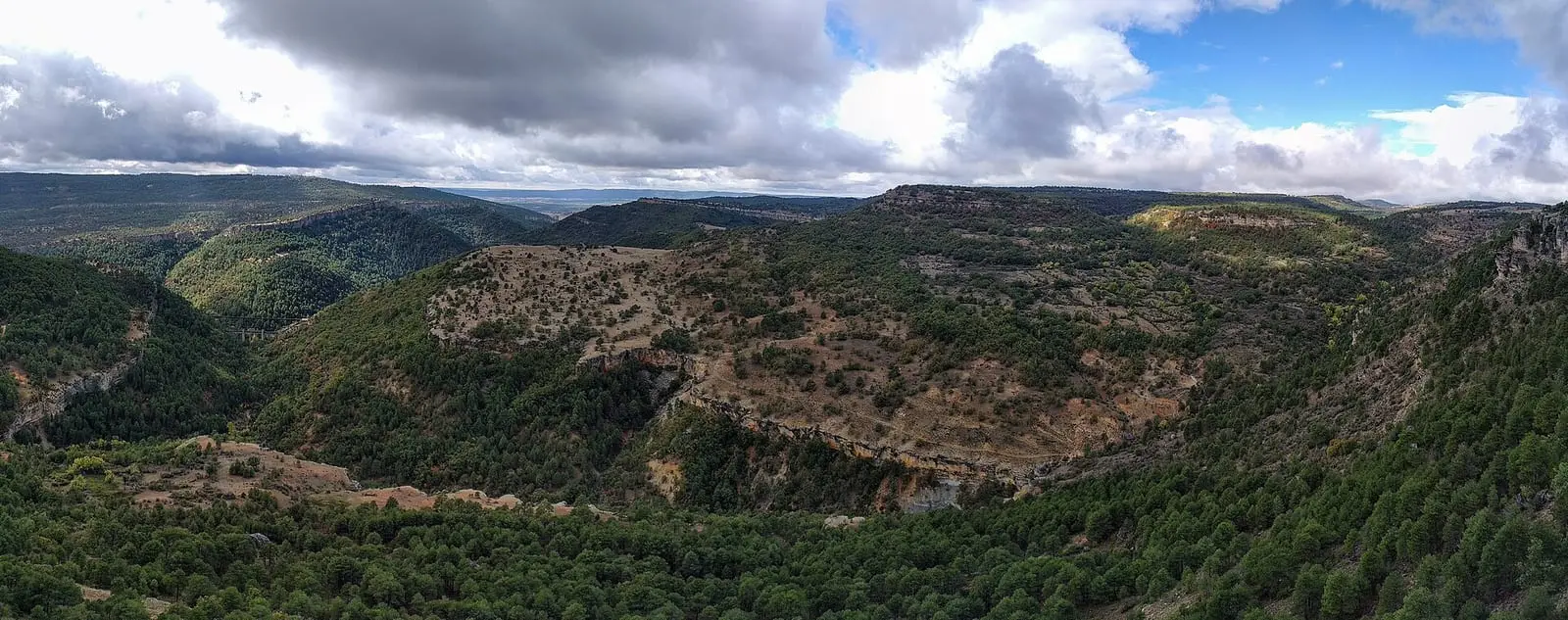
Tío Cogote viewpoint
Las Majadas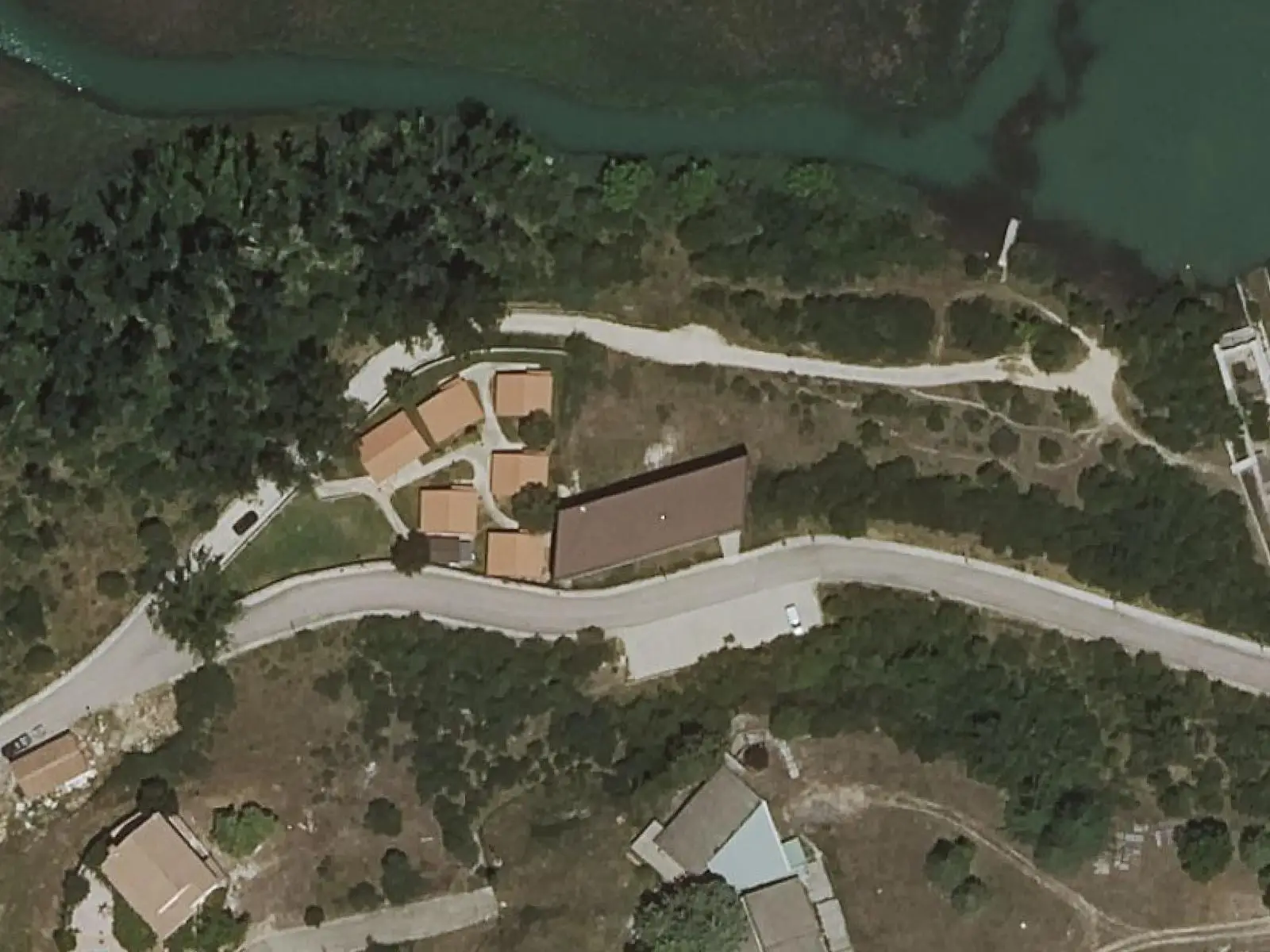
Uña Visitor Reception Centre
Uña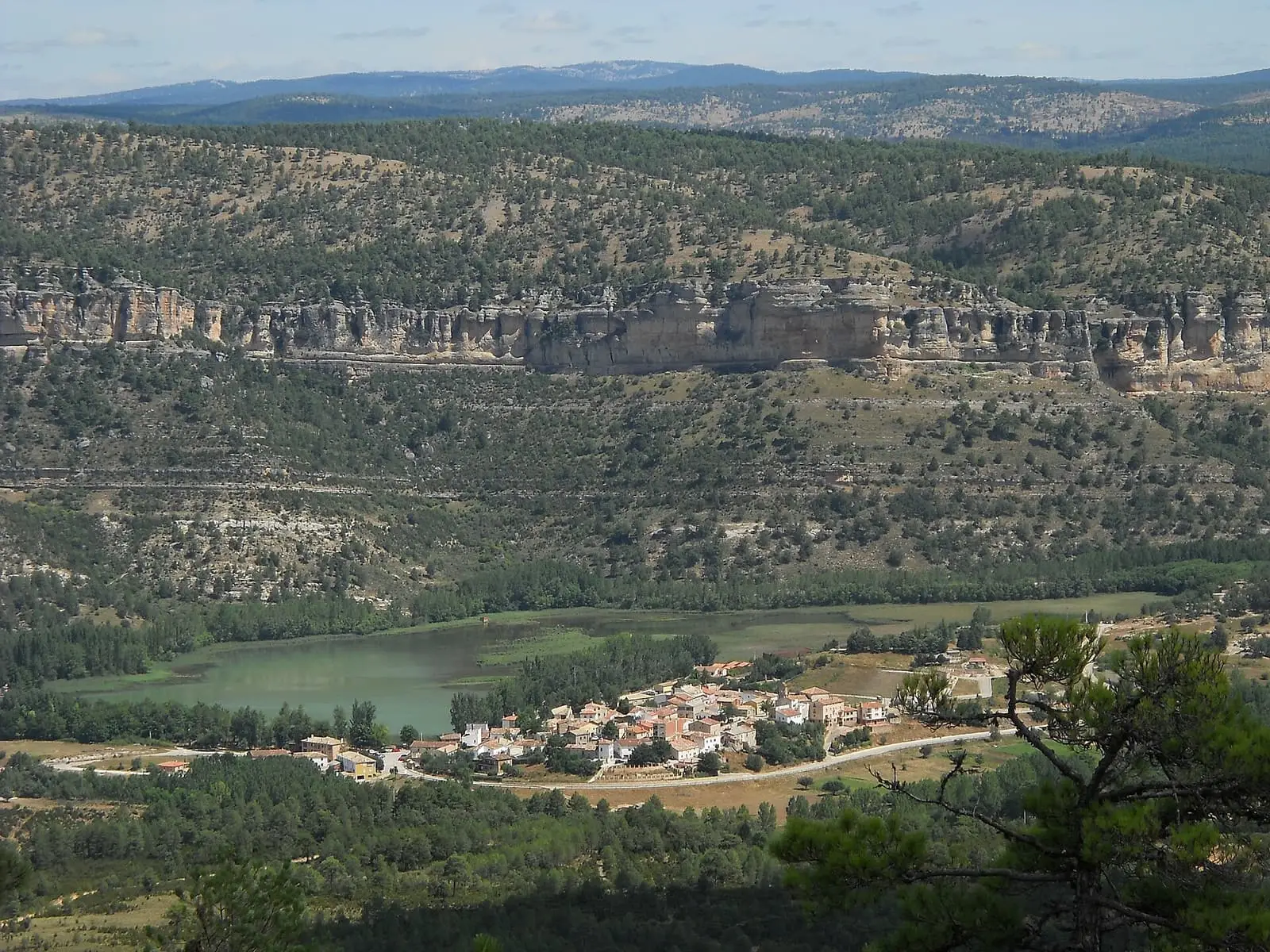
Laguna de Uña
UñaPopulation of Sotorribas, 1981–2021
Sotorribas reached 1,186 inhabitants in 1981. The 2021 census counted 684, 42 % fewer.
Location
● Reference point · ● Villages · ● Places · ━ Routes nearby
Location sketch. The map with paths and names loads as you scroll to it.
Approximate position: village centre.
Reference villages: Mariana · Zarzuela · Villalba de la Sierra · Villar de Domingo García.
Open the full map and its historical layers →Where the data on this page come from
- Location
- IGN: NGBE, capital de municipio, origen NGMEP (CC BY 4.0) source consulted, 9 October 2026
«Source consulted»: the primary source has been read. «Reference located»: the source has been identified but not yet read. «Open question»: the figure needs confirmation.