Heritage · Cañete
Cañete historic ensemble
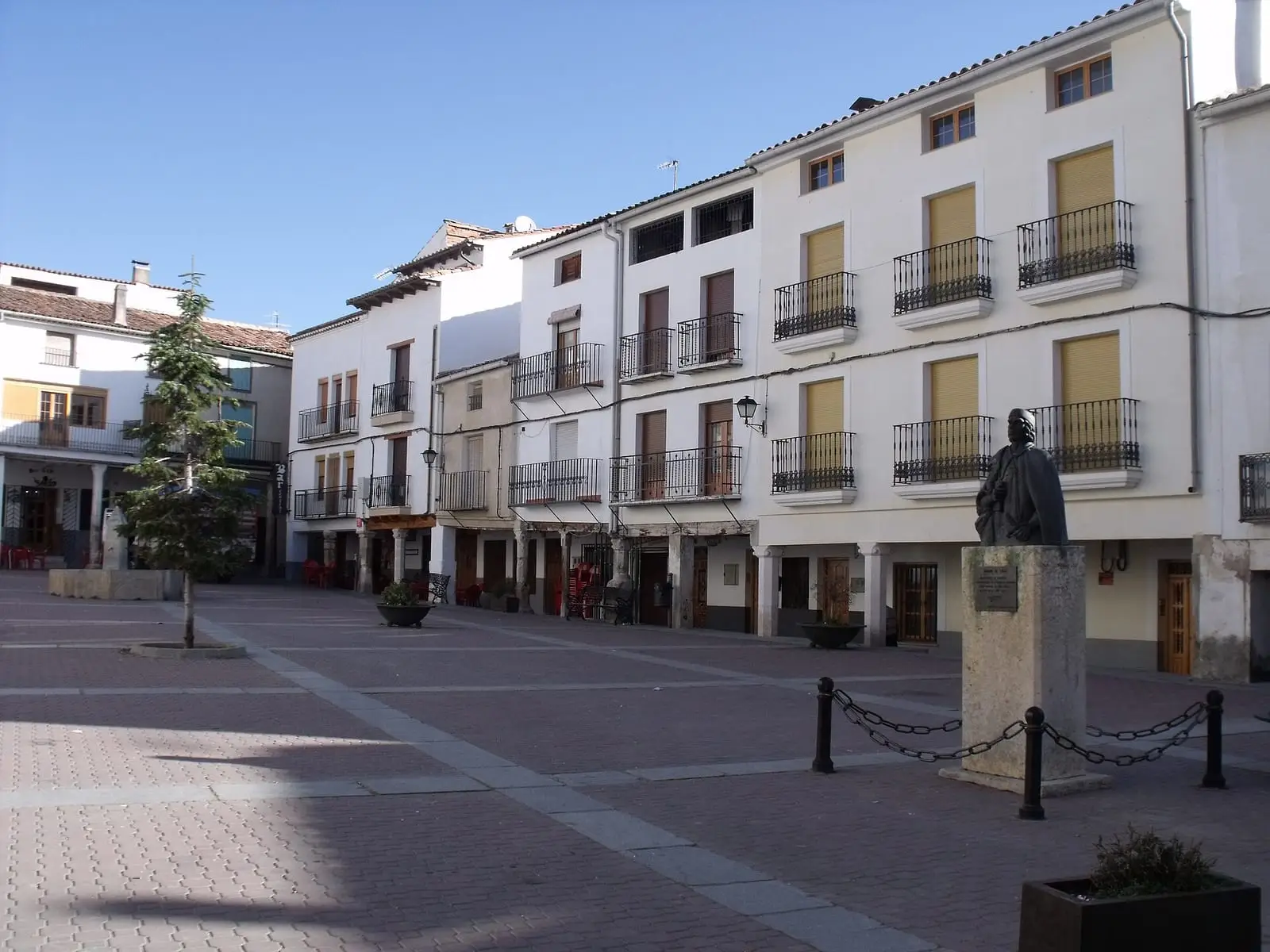
Cañete's historic ensemble, designated a Bien de Interés Cultural in 1996, covers the walled town in Serranía Baja (lower Serranía): the 10th- and 11th-century castle and zigzag walls, 15th-century arcaded main square, El Postigo houses on the wall, Santiago and San Julián churches, Virgen de la Zarza hermitage and Arco de la Sinagoga.
- Municipality
- Cañete
- Historic ensemble
- Cañete
- Town walls
- Castle
- BIC
- Frontier
A frontier town
Cañete rests on a long promontory, castle above and Mayor del Molinico river valley below. Its origins go back to the Iron Age, but what is visible begins with the Berbers who settled the area: the castle and walls, descending in zigzags around the village, date from the 10th and 11th centuries. In 1222 Cañete became a dependent village of Moya, and in 1285 gained town status; in the late 15th century it became a Hurtado de Mendoza marquisate. It had Jewish and Morisco communities, lived from the Mesta, was occupied by Cabrera in the Carlist War and stood near the Teruel front in the Civil War.
What the ensemble holds
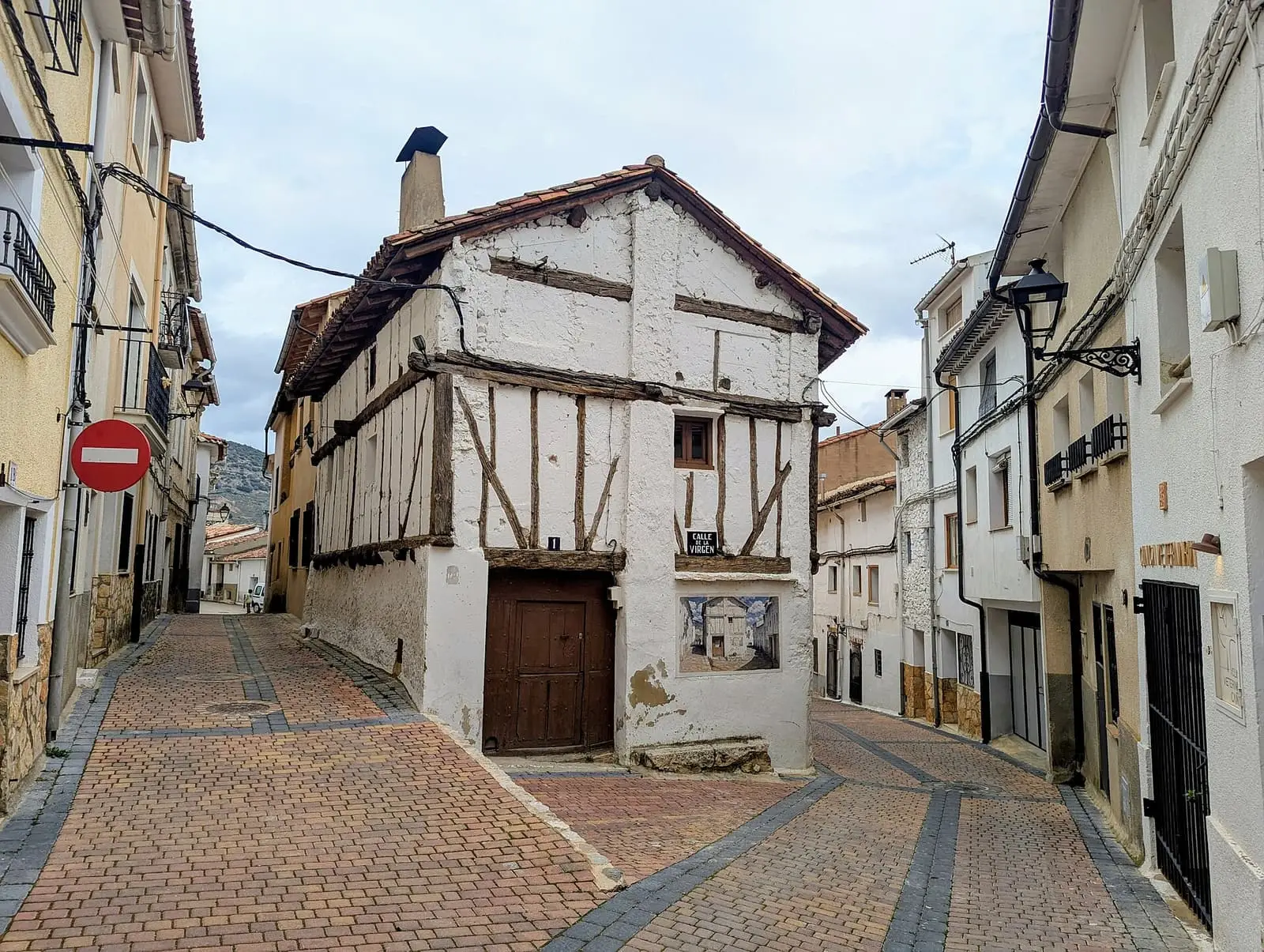
The 15th-century arcaded main square; El Postigo houses built on the wall; the gates of La Virgen, San Bartolomé, Las Eras and El Rey; Santiago and San Julián churches; Virgen de la Zarza hermitage and Arco de la Sinagoga. The regional government designated it a Bien de Interés Cultural in 1996.
Plan your visit
Before you travel
Explore on foot in a couple of hours. Start at the square and climb to the castle last, with La Picota opposite.
Combine with
The village’s vernacular architecture and Moya, the town to which it belonged.


Frequently asked questions
What does the ensemble include?
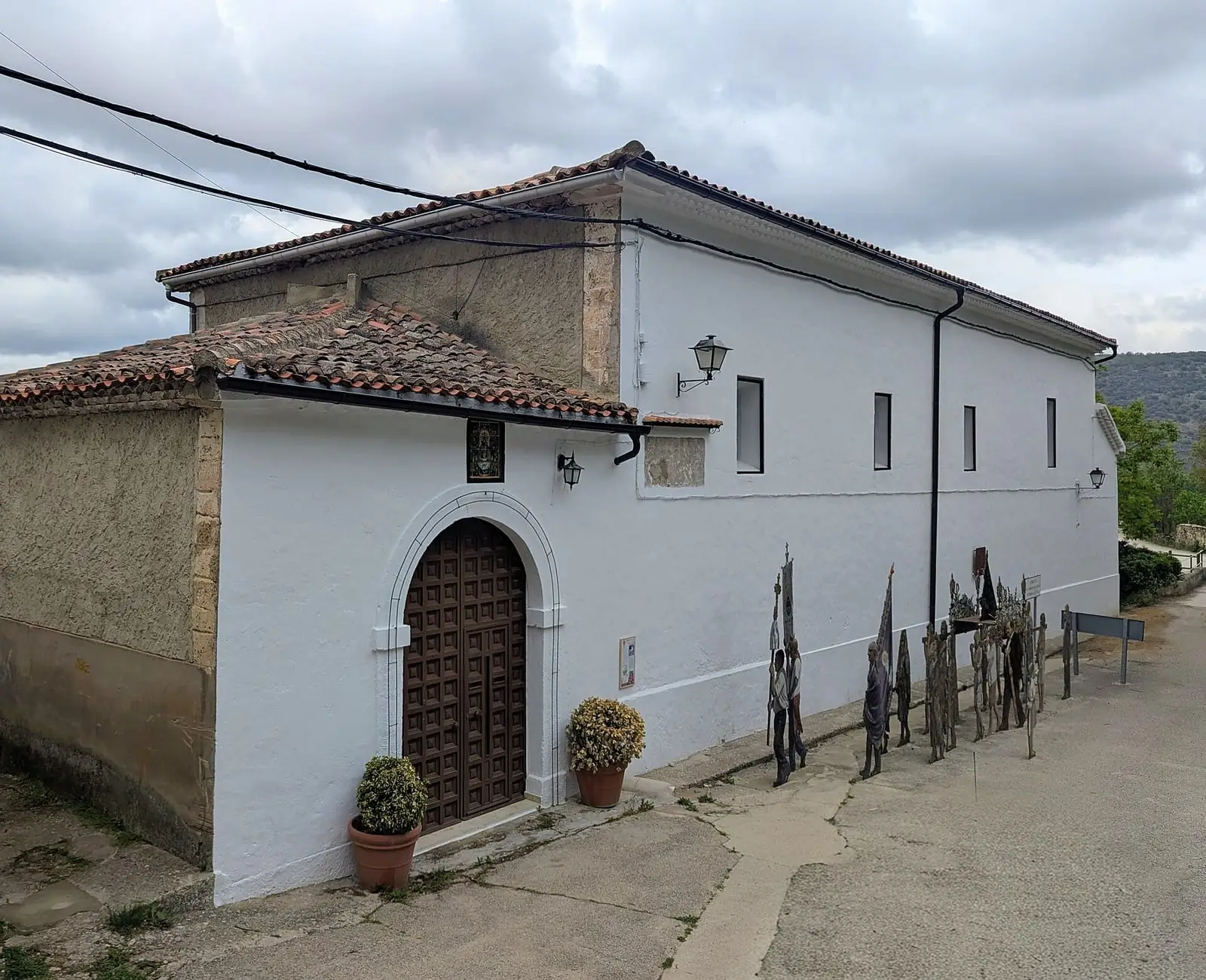
The castle and walls of Andalusi origin; the 15th-century arcaded main square; El Postigo houses built on the wall; Santiago and San Julián churches (17th century), Virgen de la Zarza hermitage (16th century) and Arco de la Sinagoga (15th century).
Since when has it been protected?
It is a Bien de Interés Cultural (Spain's highest heritage listing) in the historic ensemble category, declared in the DOCM of 20 April 1996.
Carry on from here
Lands and landscapes
From here, follow the memory of the land
These readings connect Cañete historic ensemble with the stories, the work and the villages around it.
Where it is
Where the data on this page come from
- Name
- Junta de Comunidades de Castilla-La Mancha — Cultura source consulted, 4 October 2026
- Ayuntamiento de Huerta del Marquesado source consulted, 5 October 2026
- Municipality (INE code)
- Junta de Comunidades de Castilla-La Mancha — Cultura source consulted, 4 October 2026
- Ayuntamiento de Huerta del Marquesado source consulted, 5 October 2026
«Source consulted»: the primary source has been read. «Reference located»: the source has been identified but not yet read. «Open question»: the figure needs confirmation.