Trade · 16th century – 1940s · The trades of the forest and the water
The gancheros of the Escabas and the Guadiela
For centuries, the gancheros drove pine logs down the Tagus and its tributaries as far as Aranjuez. In the Serranía de Cuenca, the trade lives on in the memory of Priego, on the Escabas, and of Cañizares, on the Guadiela. The regional government listed it as a Bien de Interés Cultural in 2021, with five villages in Cuenca among those protected.
On this page 8 sections
The floating forest
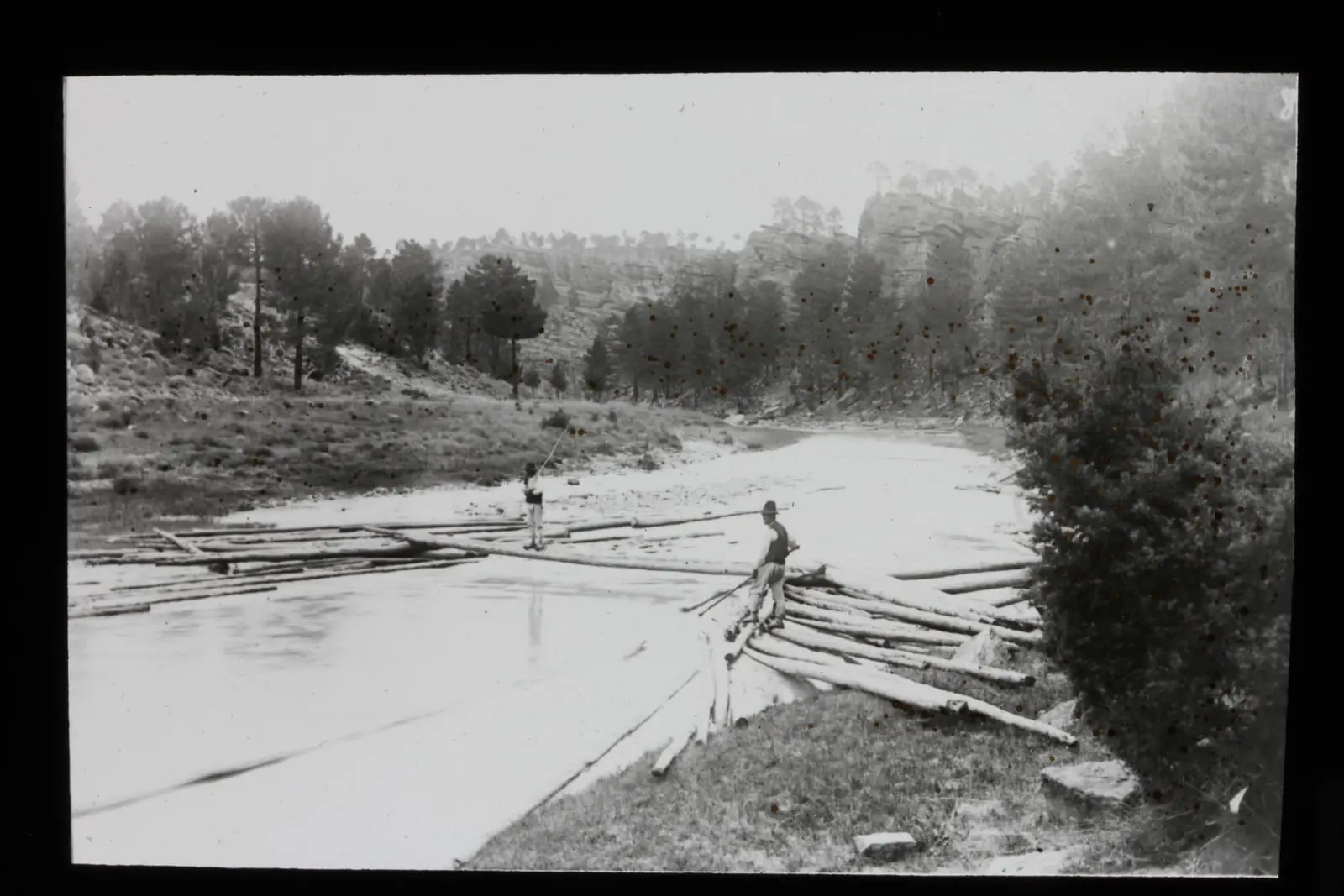
The Serranía’s timber went down by water. The gancheros, whom the 2021 Agreement calls shepherds of a floating forest, drove the pines felled in the forests of the Alto Tajo down the river to Aranjuez and, sometimes, as far as Toledo. The maderada, the timber drive, is documented from the 16th century and was the most representative of the trades that came from wood, along with resin tapping and charcoal burning.
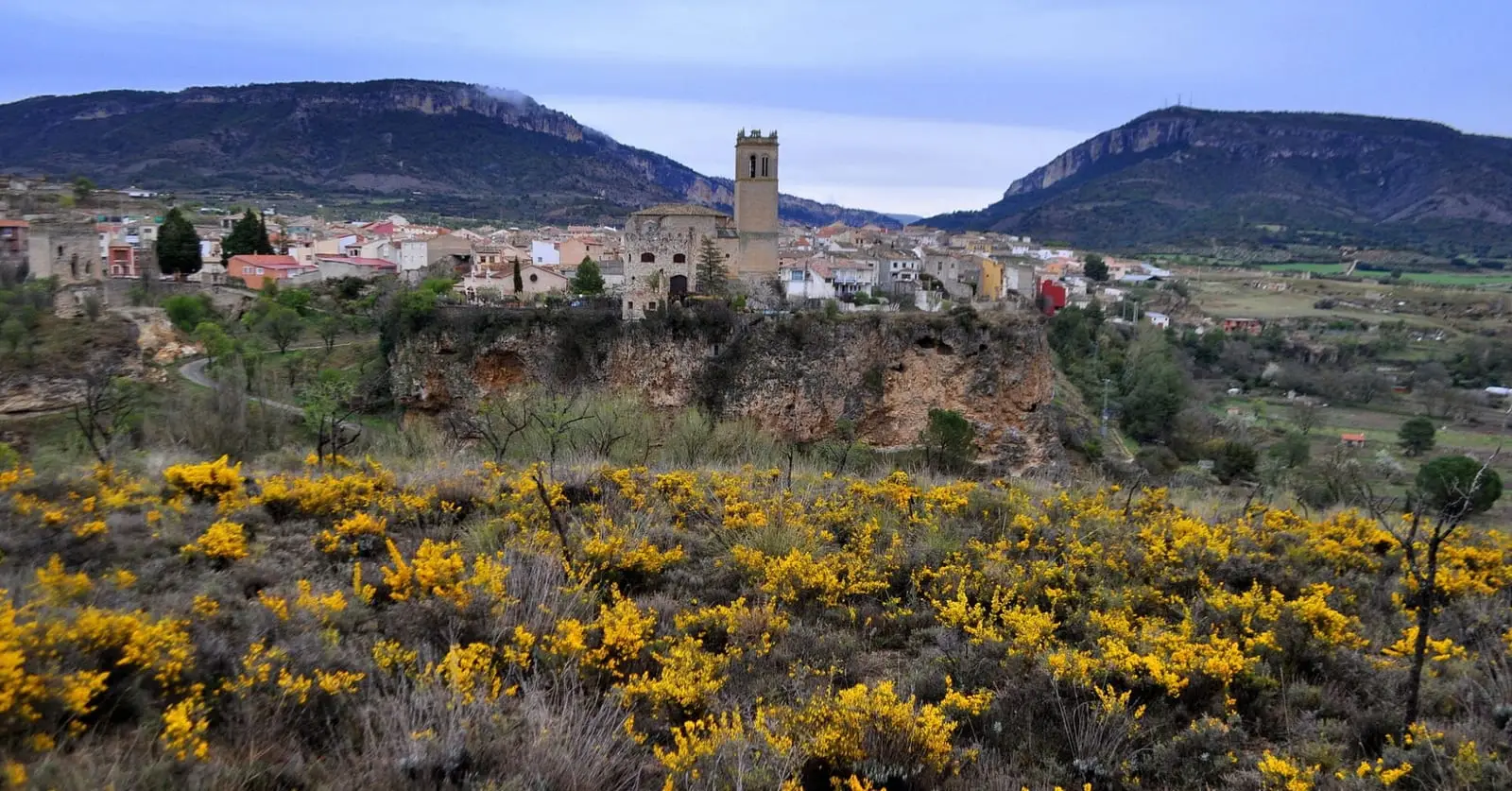
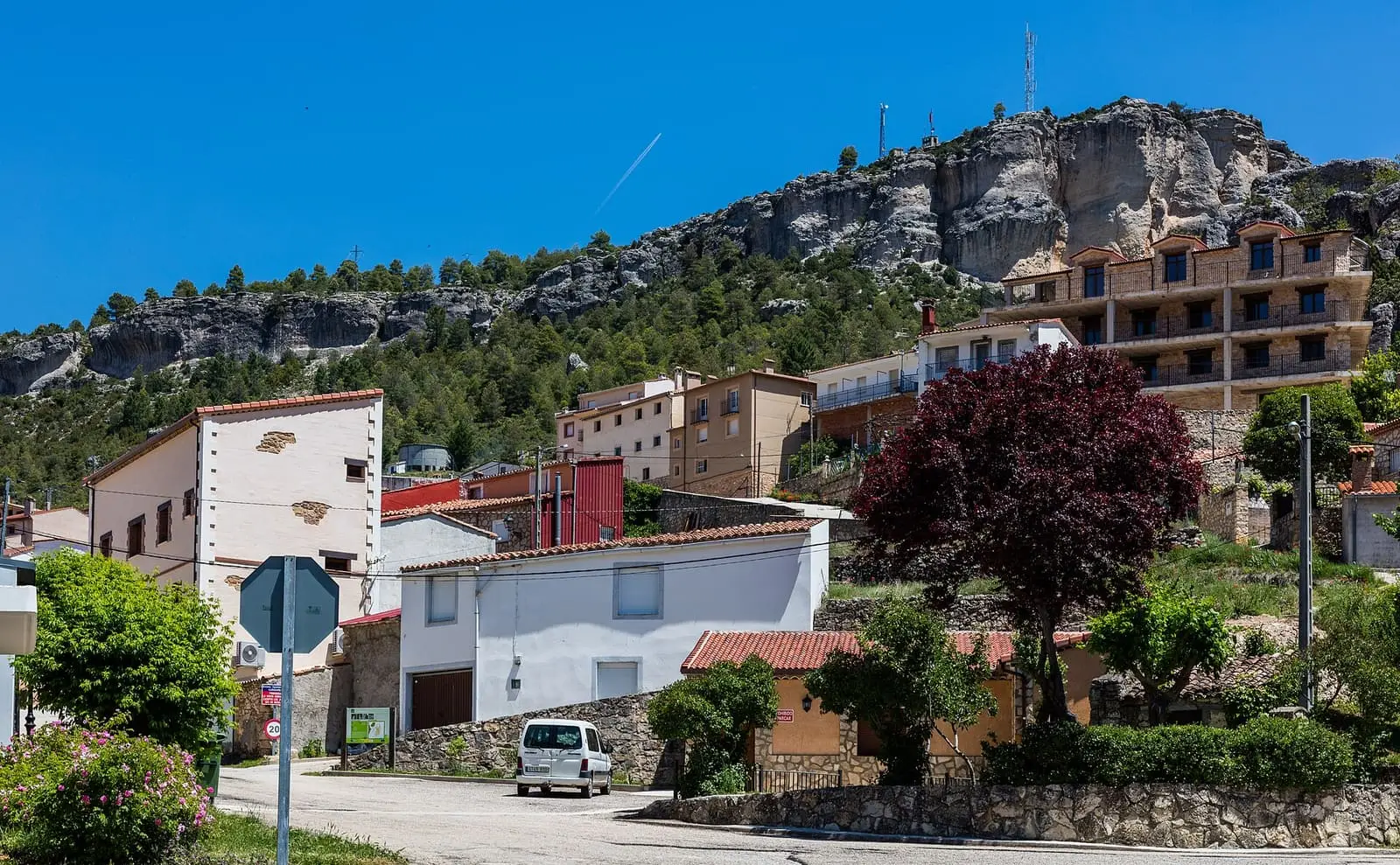
In the Serranía de Cuenca, the listing protects the tradition in five municipalities: Priego, Cañamares, Cañizares, Beteta and Santa María del Val. The rivers of those lands are the Escabas, which flows past Priego and Cañamares, and the Guadiela, which flows past Beteta and Cañizares: two tributaries of the Tagus.
How a timber drive was done
The work began in the forest. The apeo was the felling, with an axe and later with a saw; the bark was stripped in spring, so as not to damage the sapwood; the saca hauled the logs by sheer strength, with animals or even on men’s shoulders, to carts and teams of oxen or mules that took them to the loading points. There they were stacked, encambrados, for a season, so that they released their sap and resin and floated better.
In March they were thrown into the river, taking advantage of the rise of the Tagus and its tributaries with the rains and the thaw. The saying puts it like this: «marzo con sus marzadas, se lleva las maderadas» (March, with its March floods, carries off the timber drives). By around August, they usually reached Aranjuez. The expedition lasted between three and six months.
A timber drive could bring together thousands of logs more than twelve metres long each and fill more than thirty kilometres of river. It took at least a hundred gancheros, and for the big ones, of some hundred thousand logs, more than a thousand. They went in three companies: the front opened the way and built engineering works out of the logs themselves, the adobos, to get past drops; the centre carried the bulk and kept the logs from jamming and forming a dam that would smash everything to splinters; and the rear dismantled what the front had built. Above them stood a pyramid hierarchy: the river manager, who represented the contractor; the river master, captain of the timber drive; the foremen, the gang leaders, the cooks, the clothes keepers, the camp cooks and the brushwood cutters.
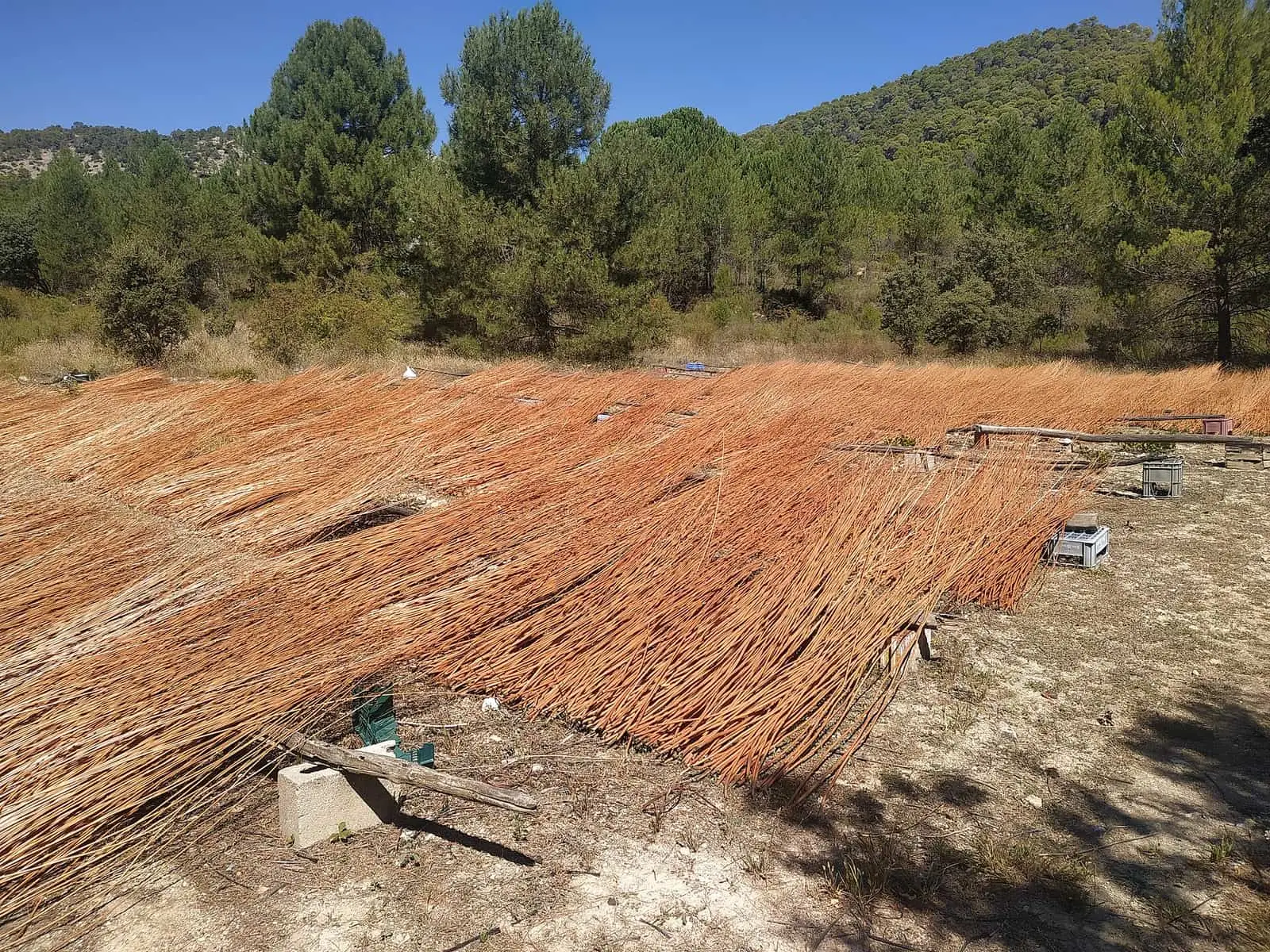
The gancho was made of hazel, two or three metres long. Those from Priego were famous. With the distances and the noise of the river, the gancheros communicated with a non-verbal language of their own.
A hard trade
The Agreement stresses that the trade was dangerous: unexpected floods, tricky passages and unstable logs caused many accidents and victims, in an area of long, harsh winters. It was nomadic, seasonal work, done by poor people who farmed the land the rest of the year.
How long it lasted, and what remains
Timber driving lasted until well into the 1940s. Until the 1960s the repuntas remained, with less timber, tied to railway sleepers. Those villages have been losing population since the 1960s, and today they have one of the lowest population densities in Europe.
What remains of the trade is the memory of the gancheros’ children, who recreate it without it having been theirs. In Priego the Jornadas Gancheras around the Escabas have been held for years, and the town has an Ethnographic Museum and a Library that keep that memory; in Cañizares there are events around the Guadiela and, at Puente de Vadillos, the Museo de la Madera y los Gancheros. Every last weekend of August, the Fiesta de los Gancheros brings together five villages in Guadalajara, which take turns to organise it, and recreates the felling, the hauling with mules and the floating of the logs. There are monuments to the gancheros in Priego, in Poveda de la Sierra and in Cuenca.
The Júcar and the Cabriel
Timber did not go down only to the Tagus. On the Júcar, every spring the pines of the Serranía went down towards Cuenca, and the works of the Salto de Villalba had to let them through. The researcher Eduardo Bollo, of Vestal Etnografía, explained how it was done in 2022. The season began in March, with the thaw. Part of the timber was put into the water at the Herrería de los Chorros, where the Almagrero flows in, and the main loading point was at the Venta de Juan Romero; from there it went down past Uña, Villalba and El Chantre, and at another loading point the timber of Buenache and Valdecabras joined it. In Cuenca it was unloaded at the Sargal, where from 1885 the train to Madrid was waiting for it, and another part carried on downriver. The big expeditions had a river master, foremen and three groups: the front, which prepared the passages with timber works; the centre, which drove the bulk; and the rear, which took everything down. The gancho had a hazel shaft. The hardest passage was Los Cortados, between Uña and Villalba, where some fifteen kilometres could take two or three months; when the Salto was built, the timber was diverted through channels and a basin so that it would not pass through the turbines and could return to the river. According to Bollo, an agreement under the Republic put an end to child labour and made overtime paid; the last great timber drive on the Júcar was in 1936, and after that there were only short transfers, of five or ten kilometres, to where the lorries could reach. The old references he gave (al-Idrisi in the 12th century for the Cabriel, the Cortes of Aragon in the 14th for the Júcar) are still to be read in the original.
From the archive
Words of the trade
- Ganchero
- A man who drove logs down the river. The name comes from his only tool, the gancho.
- Gancho
- A hazel pole two or three metres long, with a spear point and a curved spur of tempered iron. Those made in Priego were famous.
- Maderada
- The timber drive, driving the logs downriver from the felling to their arrival in Aranjuez; also each expedition. It began in March and lasted between three and six months.
- Encambrar
- To stack the logs for a season so that they released their sap and resin and floated better.
- Repunta
- A short timber expedition, made until the 1960s, when the trade had already ended.
- Adobo
- A piece of engineering the front company built out of the logs themselves to get past a drop or a difficult passage.
Where it is today
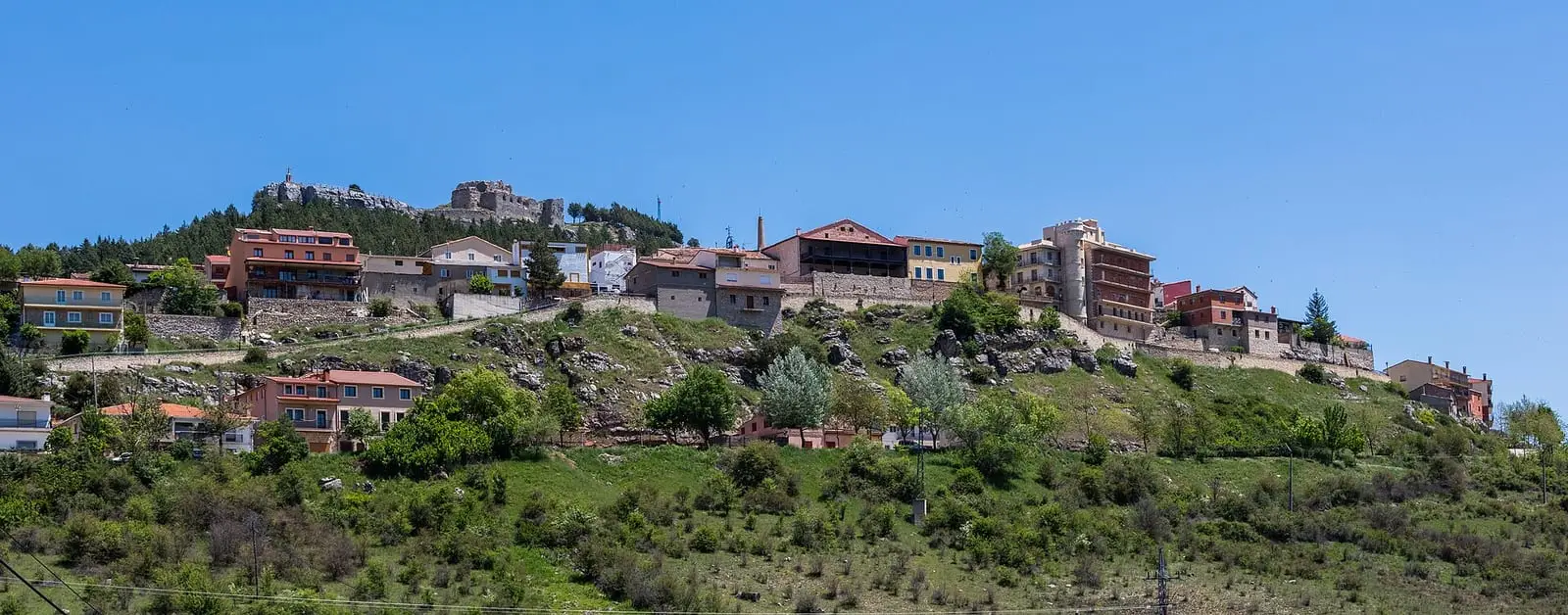
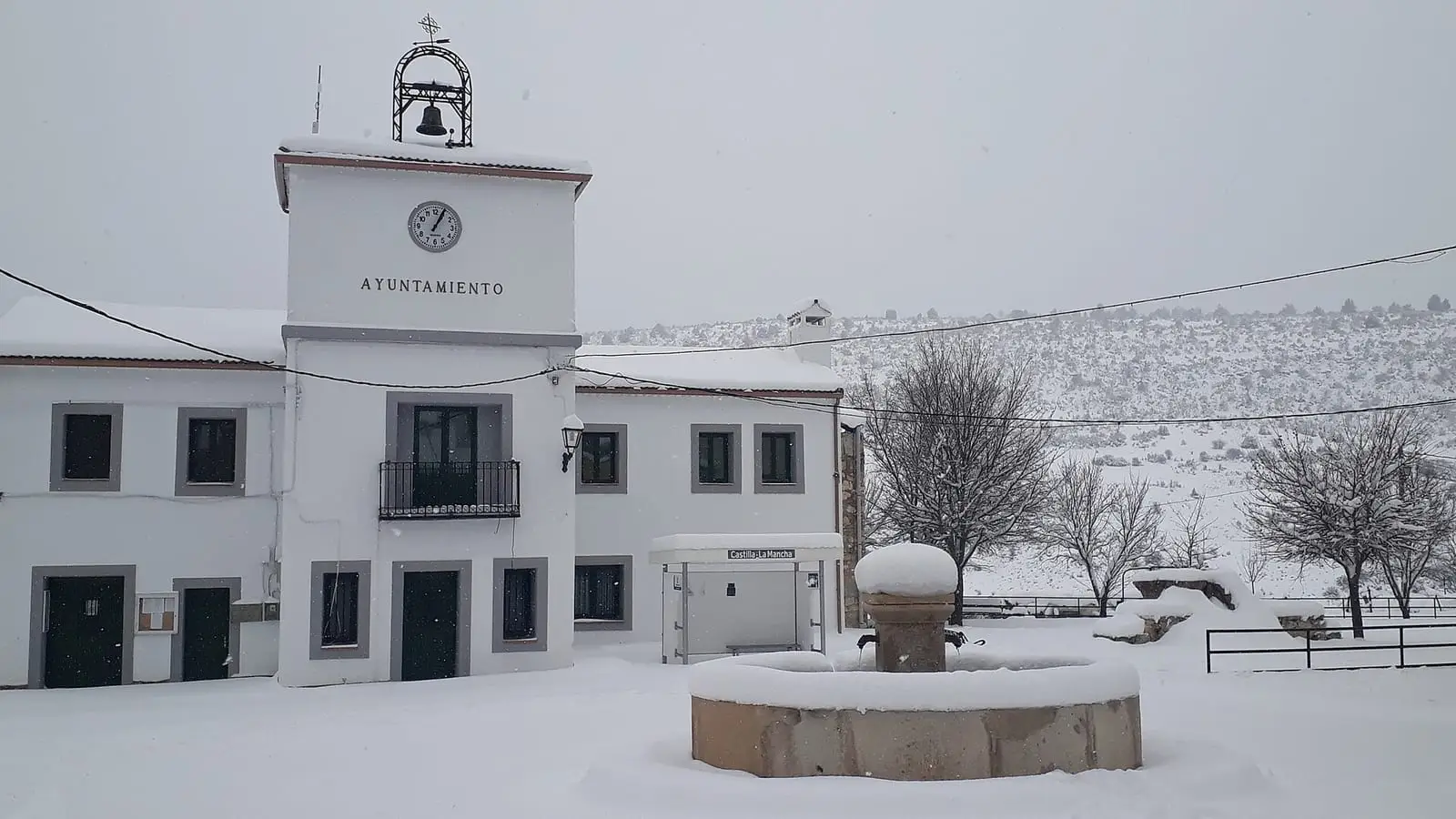
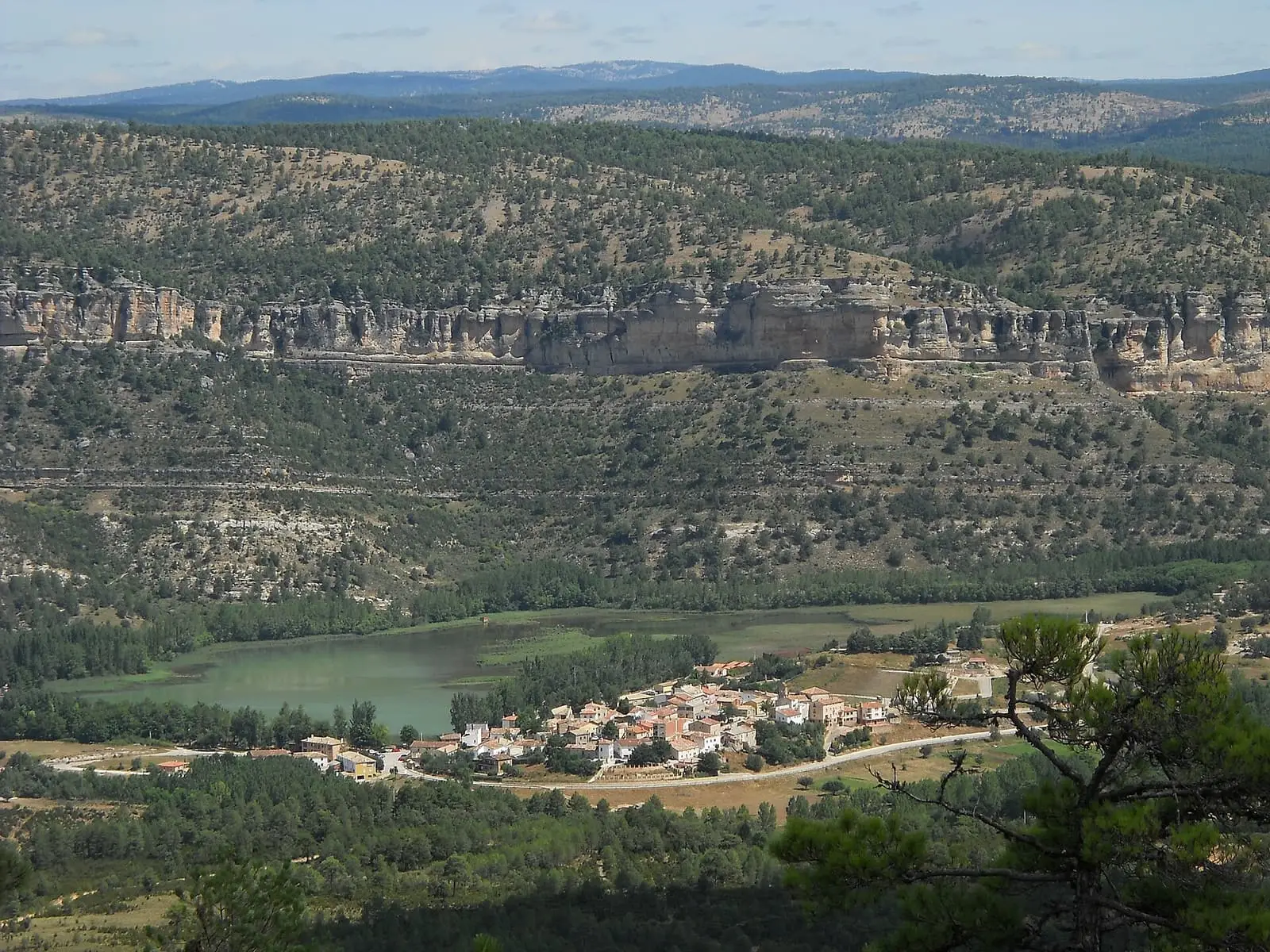
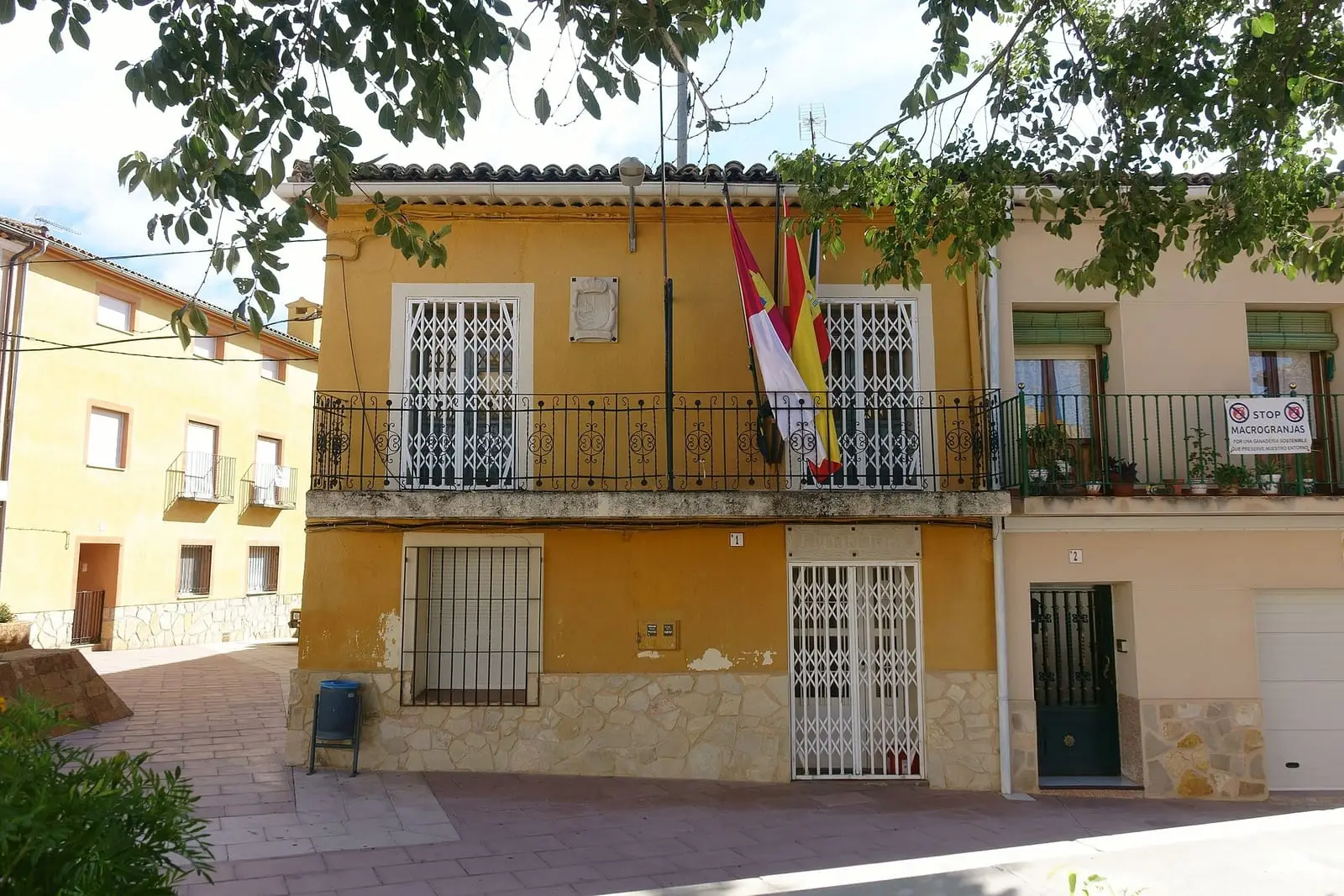
Carry on elsewhere
- Gancheros: los pastores del bosque flotante (altotajo.es) · the same trade, told from the Tagus and the villages of Guadalajara
Frequently asked questions
What was a ganchero?
The man who drove logs down the river with a gancho, a pole two or three metres long with a spear point and a curved iron spur. Many did it for only part of the year and worked as farmers the rest of the time.
Until when were there timber drives?
Until well into the 1940s, when the lorry became more profitable than the river. Until the 1960s there were still a few short expeditions, the repuntas, with much less timber.
Which villages in Cuenca are in the 2021 listing?
Priego, Cañamares, Cañizares, Beteta and Santa María del Val. The other five are in Guadalajara: Peralejos de las Truchas, Taravilla, Poveda de la Sierra, Zaorejas and Peñalén.
Where is the trade remembered today in the Serranía?
In Priego, with the Jornadas Gancheras around the Escabas, an Ethnographic Museum and a Library; and in Cañizares, with events around the Guadiela and the Museo de la Madera y los Gancheros (Museum of Timber and the Gancheros) at Puente de Vadillos. There are monuments to the gancheros in Priego, in Poveda de la Sierra and in Cuenca.
Sources and reading
- Acuerdo de 20/04/2021 del Consejo de Gobierno por el que se declara Bien de Interés Cultural los Gancheros del Alto Tajo (DOCM n.º 80, 28-04-2021, pp. 17206-17208) source consulted · Read in full. It is the source of every figure and date in this story.
- Cadena SER: «Maderadas y gancheros: descubre la historia fluvial de la Serranía de Cuenca» (17-2-2024) reference located · Located by Luna's research; not read.
- Juan Piqueras Haba y Carme Sanchis Deusa: «Maderadas y gancheros por los ríos de España. Con especial referencia a los ríos Cabriel, Júcar/Xúquer y Turia» (2023) reference located · Only the book's catalogue entry; not read.
- Hoy por Hoy Cuenca, Cadena SER: «Los oficios perdidos del río Júcar: las maderadas y los gancheros de Cuenca» (26-10-2022, con audio) source consulted · An explanation by the researcher Eduardo Bollo; it cites no documents with archive references.
Open questions
- Exactly which stretches of the Escabas and the Guadiela were driven, and from which loading points: the Agreement speaks of the Tagus and its tributaries in general and does not list them.
- The timber drives of the Júcar and the Cabriel: there is located literature (Piqueras and Sanchis, 2023), not yet read; what is told about the Júcar comes from a radio explanation. The number of timber yards in Cuenca in the 19th century is given in two ways (22 or 26), and the gancheros' wage as four to eleven or to twelve reales.
- The inclusion in a UNESCO list recorded by the heritage catalogue of Castilla-La Mancha (1-12-2022): not checked.
- Oral testimony from gancheros or their children in Priego, Cañamares and Cañizares: there is none in the research gathered.