Trade · 18th century – 2023 · The trades of the forest and the water
Shepherds of the Serranía: from shepherd boy to the last drove road
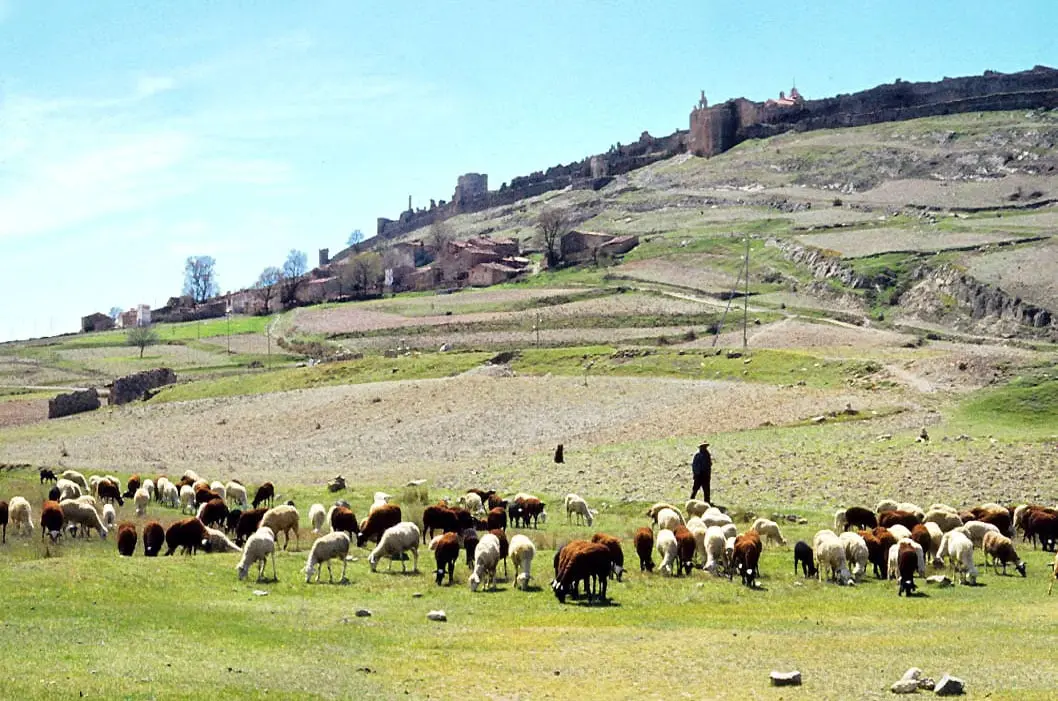
Until the 1960s, boys in the Serranía Alta started as rapaces at twelve and walked down to Jaén or Ciudad Real along drove roads each November, with flocks belonging to large stockbreeders who paid them by keeping a few sheep of their own. Then came the railway and emigration. In 2023 a stockbreeder from Vega del Codorno was still walking down to Alcudia with 1,400 sheep.
On this page 7 sections
Twelve years old and a blanket
Until the 1960s the Serranía Alta (upper Serranía) sent its boys south every autumn. At twelve or thirteen, just out of school, those from Lagunaseca, Masegosa or Vega del Codorno took jobs with the large stockbreeders of Checa, Peralejos or Valdemeca. They received no wage: the owner costeaba, covered the keeping of, thirty, forty or fifty sheep of their own that travelled with his flock, and fed them. They went as rapaz, the youngest shepherd boy, last in a crew of three to five shepherds led by the head shepherd, with corduroy trousers and jacket, rustic shoes, a blanket and a change of clothes in an esparto case on a pack animal.
In November they walked down to Jaén or Ciudad Real: about twenty-two days along drove roads, sleeping outdoors round the fire, with the shepherd on watch feeding it. Along the Cañada Real de Rodrigo Ardaz, the flocks passed through Portilla and rested at midday in Villalba de la Sierra, beside the Fuente del Cubillo, on the third or fourth day. To cross swollen rivers they used mansos, rams trained «a la piedra» (with a stone) to come when called and lead the rest behind them. Some years snow caught them before departure.
The chozo
In the winter dehesa (wood pasture) they lived in a round chozo (shepherd’s hut) of stone and branches, with the hearth in the centre and the cauldron hanging above it. They slept in a circle, in order: the head shepherd on one side of the door and the boy on the other. While the others ate supper, the boy had to watch the sheep in a little rush hut, sometimes until after eleven, hearing wolves on the other side of Despeñaperros, with a mastiff wearing a spiked collar close beside him. Bread, chickpeas, potatoes, a little bacon. Almost never meat: if a sheep died, it was sold to the dealer.
The sky served as a clock. The morning star, Venus, announced the morning, and at night they watched the Plough, the Pole Star and the Cabrillas, the Pleiades or seven sisters, to know when the watch changed. Old ewes no longer productive were used for salón: meat boned, marinated and dried in the open night air. Lamb was kept for shearing and festivities.
In the Sierra Alta, salón, also called somarro, has not disappeared. It is made in winter from ewes no longer breeding: the meat is boned, scored in squares so the marinade of garlic, vinegar, oil, salt and oregano can penetrate (other versions use paprika or bay leaf), and hung spread on sticks to dry in the open night air. It was eaten cut into pieces and fried with tomato. A woman from Tragacete remembers pieces hanging in windows and some disappearing when the young men went serenading, and says she did not like that strong flavour. In 2023 a cook from Vega del Codorno served it confit and pressed into small ingots.
Pastures in the city of Cuenca’s woods carried an old grazing right: they were used by stockbreeders from the mountain villages, grouped in the Mancomunidad de Pastos de la Sierra de Cuenca.
Hiring the pastures
In 1978 Luis San Valentín published a report in the Diario de Burgos on transhumance from Tragacete. Flocks left around All Saints’ Day and stayed on southern estates until late May. They walked down to Chillarón, travelled by train to Los Pedroches and continued on foot to the estates. The shepherd arranged grazing by going south or through brokers who told him about estates. The deal depended on accommodation and redileo, the manure the owner wanted for his land. At night the livestock were enclosed in pens of esparto netting on stakes, and the shepherds slept on mattresses in the farmhouse kitchen.
Not everyone went to the same place. A shepherd from Huélamo interviewed in 2019 walked as a child to the Burguillos dehesa near Bailén, and later to El Centenillo, and kept night watch beside the animals. A woman from Tragacete born in the 1920s spent winters with her family in Dos Aguas, in Valencia, travelling there with the pack animals and household livestock.
At shearing, stockbreeders helped one another. According to a Las Noticias de Cuenca report from June 2022, stockbreeders from Vega del Codorno, Tragacete and Las Majadas gathered to shear one another’s flocks, without forming a permanent crew. Each reckoned on between 150 and 200 sheep on a hard day’s work, depending on the animals and wool.
While men were in the south, women were left with the home, children and whatever there was in the village. In 2025 the president of the Fundación Los Maestros proposed this as a part of transhumance still needing research. In Tragacete in 2024, a student in residence said she had wanted to interview a woman’s husband about shepherding, and it was the woman who insisted on explaining it: she had been a shepherd for as many years as he had, besides running the home.
The railway, emigration and the last drove road
From the 1960s sheep travelled down by train from Chillarón or Caracenilla, and soon afterwards most of those shepherds left for Barcelona, Valencia or Germany. In Villalba the last traditional flock was sold in 1998. In Las Valeras there remain 78 tainas, dry-stone shelters for flocks that did not move seasonally, increasingly collapsed.
But the drove road has not closed entirely. In November 2023 a stockbreeder from Vega del Codorno walked down to the Alcudia valley with about 1,400 sheep: about 400 km in 23 days, along Rodrigo Ardaz, Los Chorros and the Cañada Conquense, with shepherds on foot and horseback, a support vehicle carrying tents and an electric enclosure for each night. He had been practising transhumance for 44 or 45 years and spending winters on the same estate for about 35. The ewes lamb there and return to the mountains in June, now by lorry. On one of the first nights, his village mayor and some friends went up to the drove road to bring them a bean supper.
A year later, in December 2024, a herd of fighting cattle from Frías de Albarracín was walking down towards Vilches, in Jaén, and camped at El Ventorro in Tierra Muerta, between La Cierva and Cañada del Hoyo. There were about four hundred animals with their calves, a head herdsman, three men on horseback with five horses, dogs and a vehicle going ahead to erect the electric fence at the next stop. They covered between ten and twenty kilometres a day, depending on food and water; that morning they advanced barely one, so the calves could feed after two days of stony ground. The head herdsman said sections of the Cañada Real Conquense overgrown by scrub had to be cleared and some had been sown with crops.
From the archive
Words of the trade
- Rapaz
- The youngest of the shepherding crew, a boy of twelve or thirteen given the worst watches.
- Costear
- A way of paying the shepherd: the stockbreeder kept about thirty or fifty of the shepherd's sheep with his flock, and their offspring belonged to the shepherd.
- Chozo
- A round hut of stone and branches in the winter wood pasture, with the hearth in the centre.
- Manso
- A ram trained «a la piedra» (with a stone) to come when the shepherd called and lead the flock, for example when fording a river.
- Carlanca
- An iron-spiked collar worn by mastiffs to protect them from wolves.
- Taina
- A dry-stone livestock shelter with a pen, shed and shepherd's hut; also called a tinada or paridera.
- Salón o somarro
- Meat from a ewe no longer breeding, boned, marinated and dried in the open night air.
Where it is today
Vega del Codorno
Cuenca · 3 places
Lagunaseca
Cuenca · 2 places
Masegosa
Cuenca · 2 places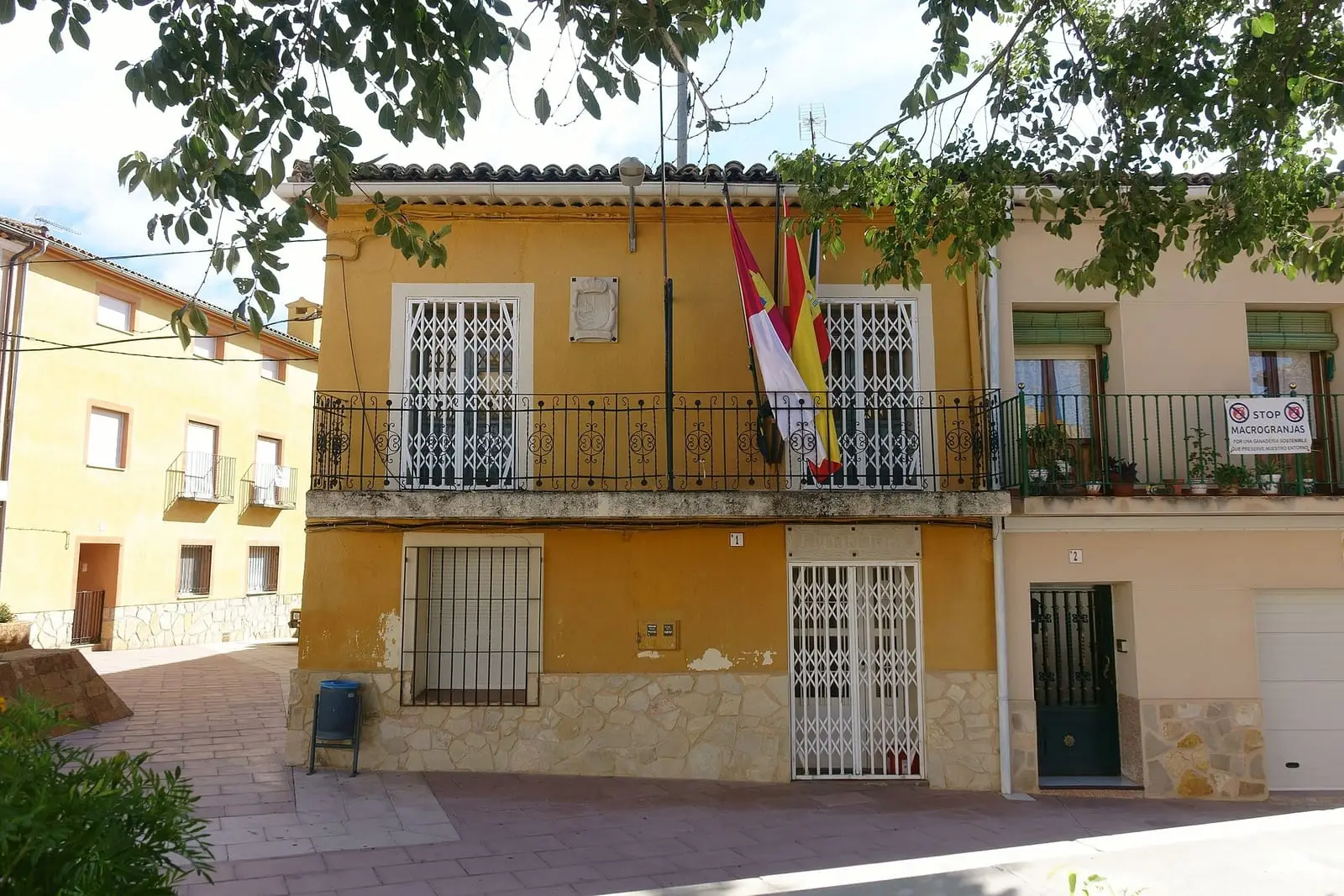
Villalba de la Sierra
Cuenca · 5 places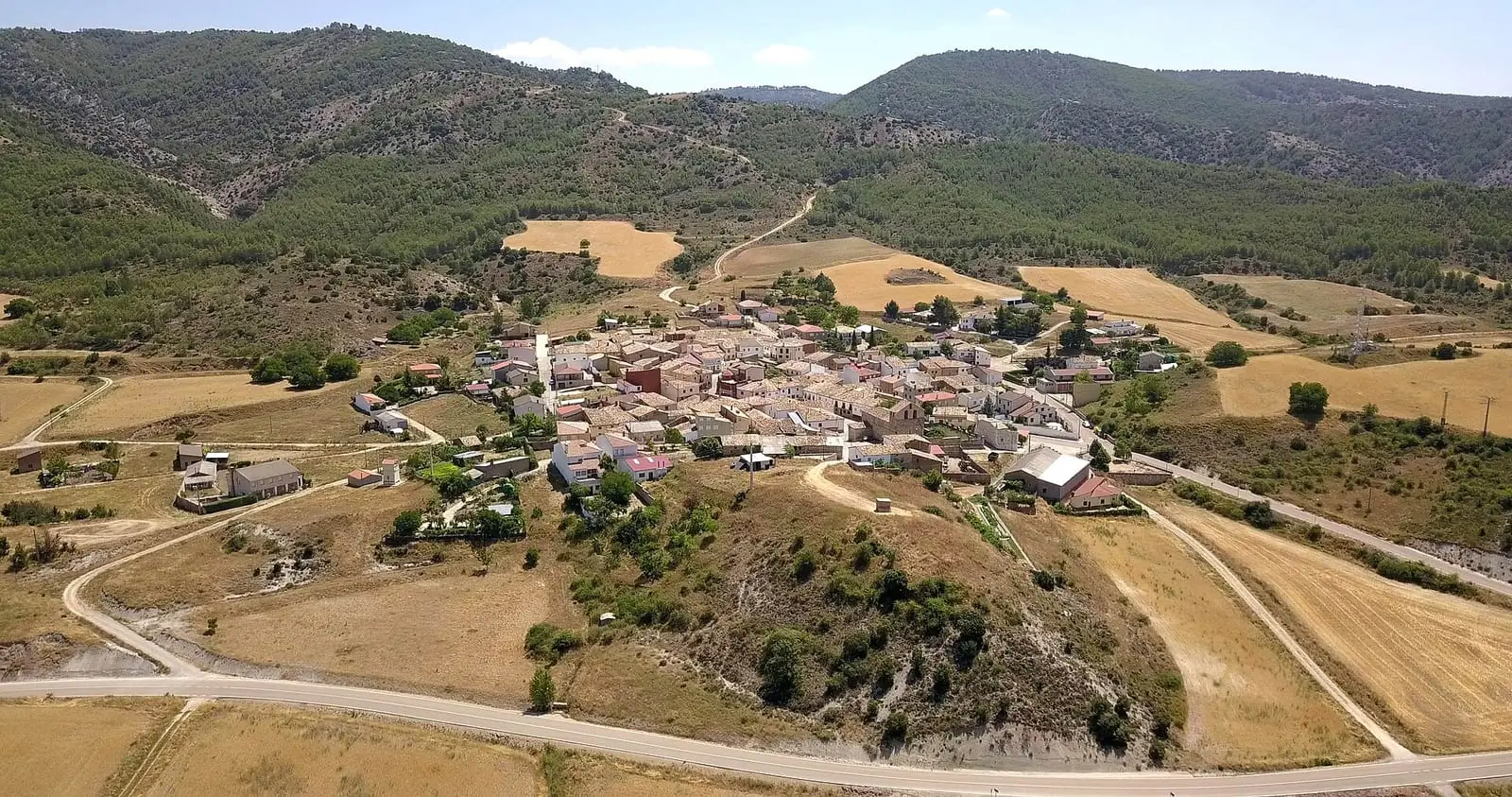
Portilla
Cuenca · 2 places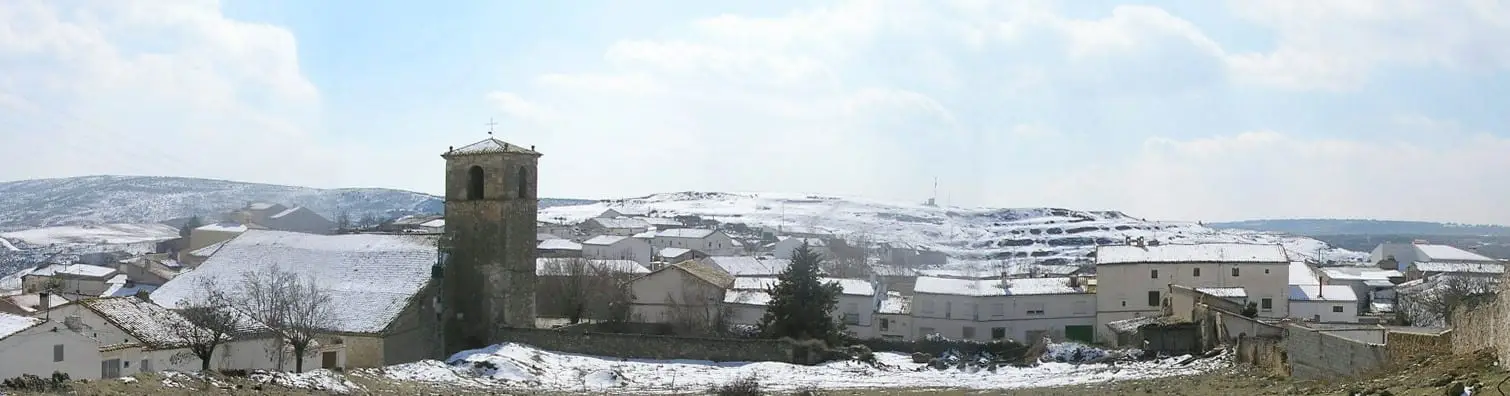
Las Valeras
Cuenca · 5 places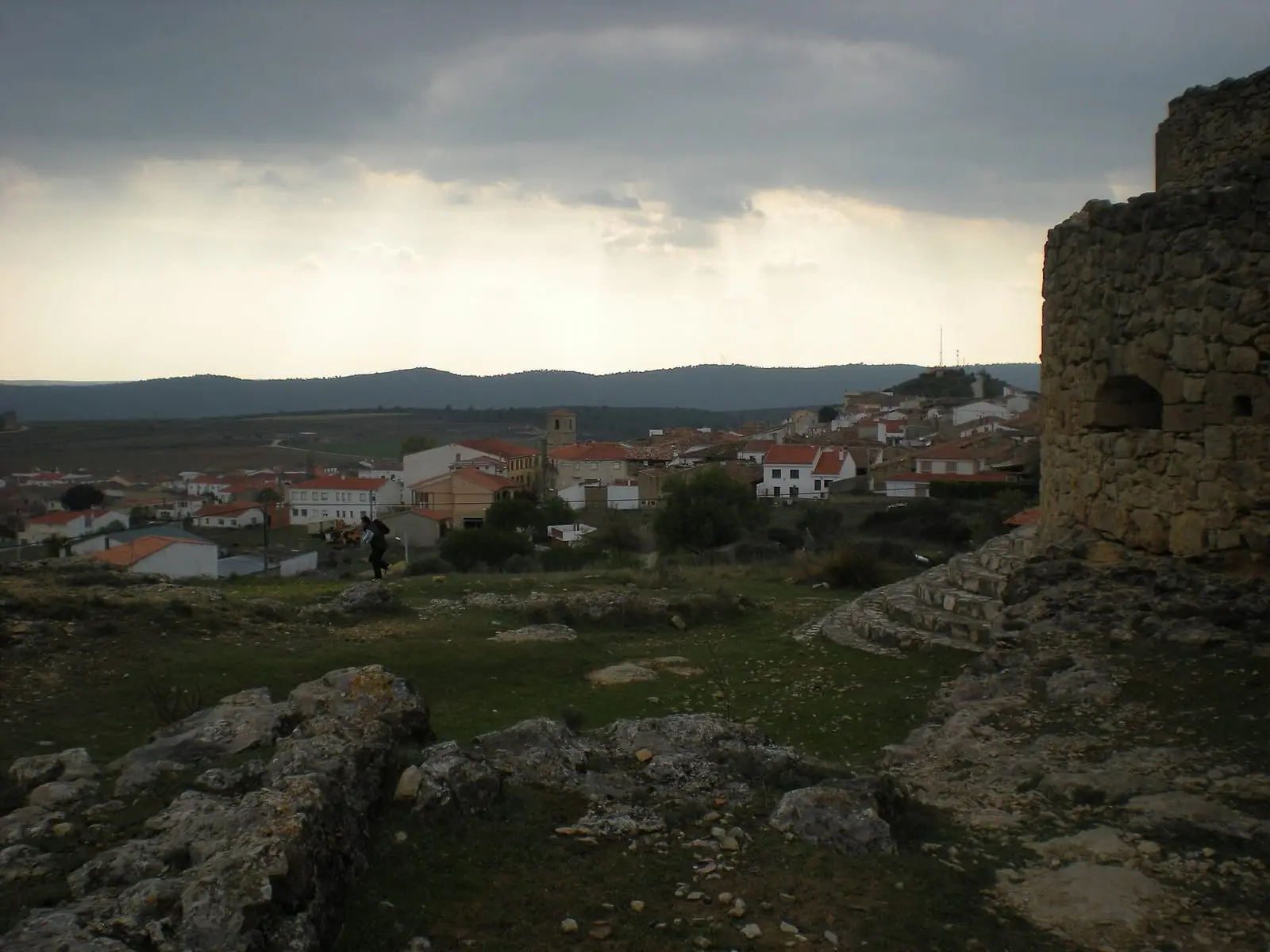
Cardenete
Cuenca · 9 places
Huélamo
Cuenca · 5 places
La Cierva
Cuenca · 2 places
Cañada del Hoyo
Cuenca · 6 placesFrequently asked questions
Does transhumance on foot still take place from the Serranía de Cuenca?
In November 2023 a stockbreeder from Vega del Codorno was still walking down to the Alcudia valley in Ciudad Real with about 1,400 sheep, returning by lorry in June. He himself spoke of other stockbreeders walking down from Orea and Teruel.
How were transhumant shepherds paid?
Often not in money: the stockbreeder «costeaba» (covered the keeping of) about thirty or fifty sheep belonging to the shepherd, which travelled and grazed with his flock, and provided food for the journey. The offspring of those sheep were the shepherd's pay.
Sources and reading
- La Circular: «124 | Tragacete 109 - Episodio 0x03», podcast (07-06-2024), 08:41-09:25, transcrito en local source consulted
- Fundación Los Maestros: «Sin memoria no hay futuro», vídeo del Living Lab de Enguídanos (27-03-2025), transcripción de YouTube, 03:11-03:27 source consulted
- C.I.P.: «Esquiladores, un oficio que se resiste a perder la tradición local», Las Noticias de Cuenca (23-06-2022) source consulted
- Las Noticias de Cuenca: «Esquiladores», reproducido, Tu Comarca 29 (septiembre de 2025), pp. 18-20 source consulted
- Entrevista a una vecina de Tragacete, Tu Comarca 14 (junio de 2024), pp. 4-7 source consulted
- Liberal de Castilla: entrevista a un pastor de Huélamo (2019), reproducida, Tu Comarca 13 (mayo de 2024), pp. 11-16 source consulted
- San Valentín, L. (Diario de Burgos, 1978), reproducido por P. Muñoz, Tu Comarca 20 (diciembre de 2024), pp. 3-5 source consulted
- Serrano Cuenca, J. L.: artículo sobre los aprovechamientos del Parque Natural, Revista Medio Ambiente Castilla-La Mancha 14 (2007), pp. 34-41 source consulted
- Mayordomo, J. M.: «Trashumantes de antaño. Testimonios», Revista Mansiegona 18 source consulted · Accounts by shepherds from Lagunaseca, Masegosa and Vega del Codorno born between 1931 and 1936.
- Hoy por Hoy Cuenca, Cadena SER: «El frío, las cañadas y mil ovejas: un día con el último trashumante de Cuenca» (10-11-2023, con audio) source consulted · Audio heard in full (automatic transcript reviewed).
- Hoy por Hoy Cuenca, Cadena SER: «La vida del pastor en el campo y la cultura popular ganadera de Cuenca» (25-01-2023, con audio) source consulted · A general discussion with a researcher; practices described for the province, not located village by village.
- Hoy por Hoy Cuenca, Cadena SER: «Tainas, corrales y tinadas: un viaje al pasado de la ganadería de Cuenca» (04-10-2023, con audio) source consulted
- Hoy por Hoy Cuenca, Cadena SER: «El legado ganadero de Cuenca: del esplendor de la lana al declive rural» (04-03-2026, con audio) source consulted · The livestock figures for 1752 and 1999 given in the interview have not been checked against the Cadastre: they are not used.
- Vestal (2025): «La trashumancia a su paso por Villalba de la Sierra: la Cañada Real de Rodrigo Ardaz», Los Ojos del Júcar 31 source consulted
- Vestal (2025): «Arriería, ganadería y otros animales. El final de un modo de vida milenario en Valeria», Los Ojos del Júcar 31 source consulted
- Hoy por Hoy Cuenca, Cadena SER: «Somarro o salón de oveja: qué es y cómo se hace esta receta típica de Cuenca» (17-04-2023, con audio) source consulted · Conversation with a cook from Vega del Codorno and the presenters' memories; described as a practice, not a recipe to repeat.
- Hoy por Hoy Cuenca, Cadena SER: «Trashumancia en Cuenca: tradición, paisajes y pasión por el ganado bravo» (03-12-2024, con audio) source consulted
Open questions
- Hiring shepherds at San Pedro (29 June) appears in a provincial source, and hiring at San Miguel in Serranía Alta testimonies: it remains to be established whether these were customs of different districts or periods.
- The livestock figures for 1752 and 1999 for Zafrilla, Landete, Cañete or Cardenete given on the radio must be checked against the Cadastre before publication.
- Exact course of the drove roads followed in 2023: yet to be checked against official livestock-route mapping.