Episode · from 1177 to 1948 · Towns, lords and the Mesta
Everyone's woodland
From the conquest of 1177, the Serranía's woods were common land of the Land of Cuenca, used jointly by the inhabitants of its dependent villages. Villages disputed pastures and boundaries and paid for church towers by selling pines. Vega del Codorno bought its dehesa from Cuenca in 1853. San Martín de Boniches lost its woods to the House of Moya, and Fuertescusa divided its woodland by a deed in 1948. Today most of the Natural Park is public-utility forest.
On this page 8 sections
The city’s mountains
When Alfonso VIII took Cuenca in 1177, the mountains became part of the Land of Cuenca, the city’s dependent territory, governed by its fuero (town charter). The mountain woods were common land of that territory, and villagers used them for livestock, firewood and timber, but had no courts of their own. In Fuentes people had to leave their fields to attend court. That was why becoming a villa (chartered town) mattered so much: on 2 December 1557, Philip II granted the title to Fuentes, which had 259 households, and with it came mayors, councillors and pastures and dehesas of its own.
Pines for the king and the tower
Woodland was money. In the 1570s, Cebrián de la Cruz, Philip II’s timber buyer, felled hundreds of pines in the Hoya de las Yeguas, in the Cuervo valley, for beams for Aranjuez, El Escorial and Toledo, and complained there were no tracks to take them to the river. In 1591 the council of Fuertescusa proposed auctioning six thousand pines from its woods to pay for the church tower. When livestock farming in Huélamo collapsed in the second half of the 16th century, many villagers lived from timber: they made troughs, chairs, screws and sieve hoops and exchanged them in La Mancha for wheat, wine, oil and chickpeas.
Disputed pastures
In summer the woods were summer pastures for transhumant flocks, and grazing led to lawsuits. In 1750 Beamud took Huélamo to court over El Entredicho, woodland wedged between several municipalities, and asked Cuenca to mark the boundary. Woods that remained the city’s property carried grazing rights: they were used by stockbreeders from mountain villages, grouped in the Mancomunidad de Pastos de la Sierra de Cuenca. How that transhumance was lived is told in Shepherds of the Serranía.
Buying the woodland
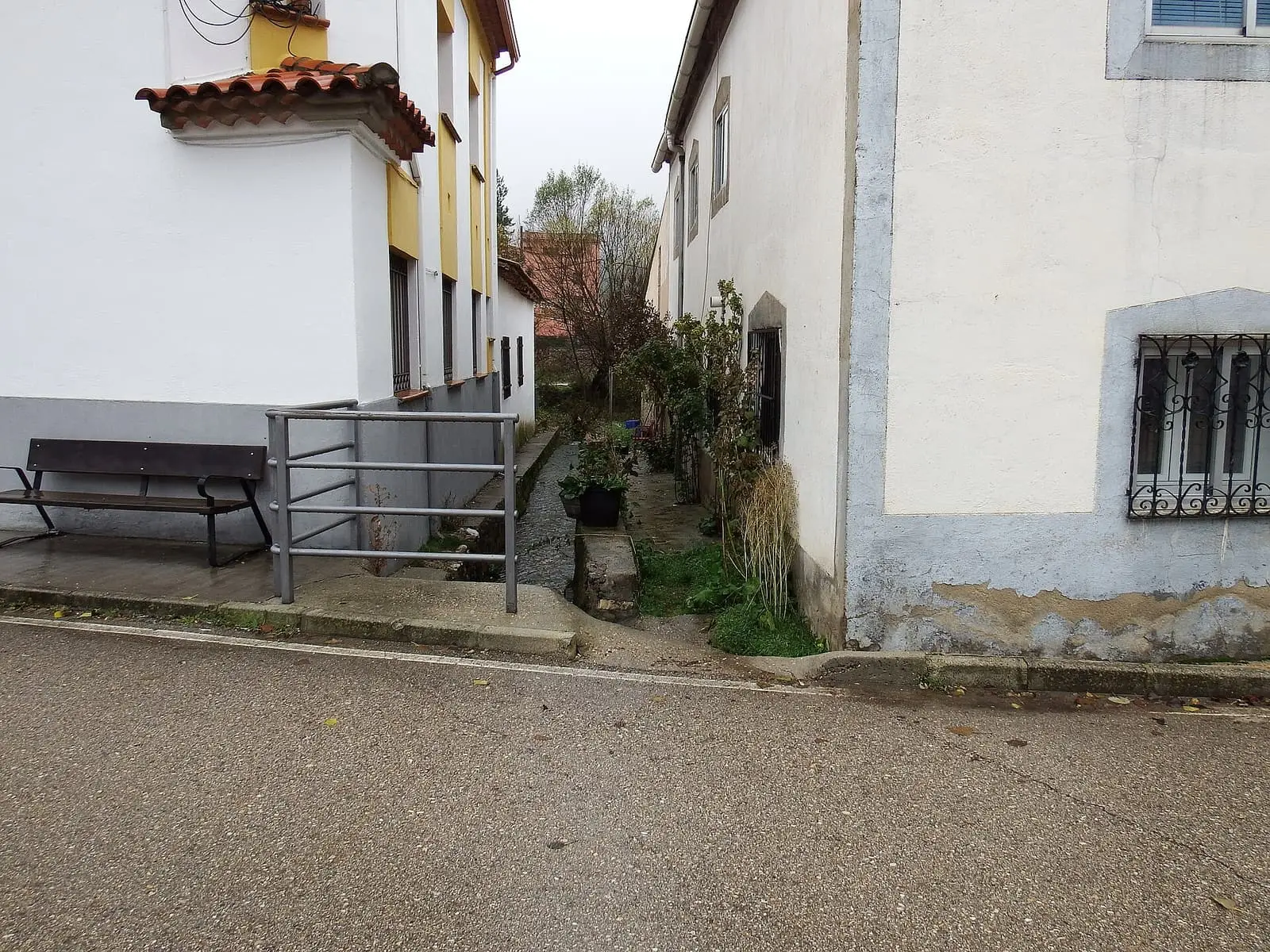
Some villages acquired the land they worked. For centuries the Cuervo valley was a dehesa (wood pasture) belonging to the city of Cuenca. Farmers from Tragacete and the mountains gradually cleared it for cultivation and settled there, and on 8 August 1853 signed the deed by which they bought the dehesa from Cuenca Town Council. From it emerged the municipality of Vega del Codorno in 1925. In Huélamo, woods that had been common land of the Sierra de Cuenca passed to the village: today 70% of the municipality is municipally owned, all public-utility forest (monte de utilidad pública).
Losing the woodland
Others lost theirs. San Martín de Boniches had six pine woods that villagers regarded as common land and lost in lawsuits against the House of Moya. A Supreme Court ruling, dated 1912 or 1919 depending on which El Sol report is read, awarded the hundred hectares to the marquises. The owner was then the former empress Eugenia de Montijo. Villagers went to Madrid to ask her to return three of the six estates; the administrator sent the request to London, and she died without replying. Around those years, several families left the village to tap pines in Algeria.
In Fuertescusa the woodland was lost in another way. At the end of the 19th century its 5,396 hectares were divided on paper into equal lots among villagers, without boundary markers. Income was shared each year by category: a full share for married people and widowed people with children, half for married people without children and a quarter for unmarried people and widowed people living alone. On the night of 20 January 1948, with the Guardia Civil in the square, heads of household were gathered in the town hall to sign a deed making the woodland the property of 125 villagers and their heirs. Only 18 were women. For Mariano Rueda Juan, who told the story in Mansiegona, that signature ended the common use dating from resettlement: with emigration, the pine forest’s income left with the heirs. In 1978 several villagers took the case to the Senate’s Petitions Committee.
Woodland today
In 2007 just over 55,000 of the 73,726 hectares of the Natural Park were public-utility forest: almost three quarters. Common use continues on a small scale. In Valsalobre, oak firewood was cut in pruning carried out by the whole village and piled in rimeros, heaps allocated by lot; if an oak was very large, its firewood went to two or three families. Since 2022 its Dehesa Boyal has had a marteloscope, a hectare where every tree is measured to teach the marking of trees for felling. In 2007 the regional government’s environmental magazine singled out Valdemeca as an exception within the Park, having regulated mushroom gathering to provide income for the town council.
More about this era: Chartered towns, lords and the Mesta.
Vocabulary
- Tierra de Cuenca
- The territory dependent on the city of Cuenca after the conquest of 1177: its villages had no courts of their own.
- Comunal
- Woodland or pasture used jointly by the inhabitants of a village.
- Dehesa
- Enclosed land, usually pasture and woodland, with a defined owner and use.
- Almoneda
- A public sale to the highest bidder.
- Agostadero
- Summer pasture in the mountains for transhumant livestock.
- Servidumbre de pastos
- The right of some stockbreeders to graze in woodland belonging to someone else.
- Monte de utilidad pública
- Woodland owned by a town council or the State and included in an official catalogue, which cannot be sold and is managed with the forestry administration.
- Rimero
- A heap of firewood from communal pruning, allocated to families by lot.
Where it is today
Vega del Codorno
Cuenca · 3 places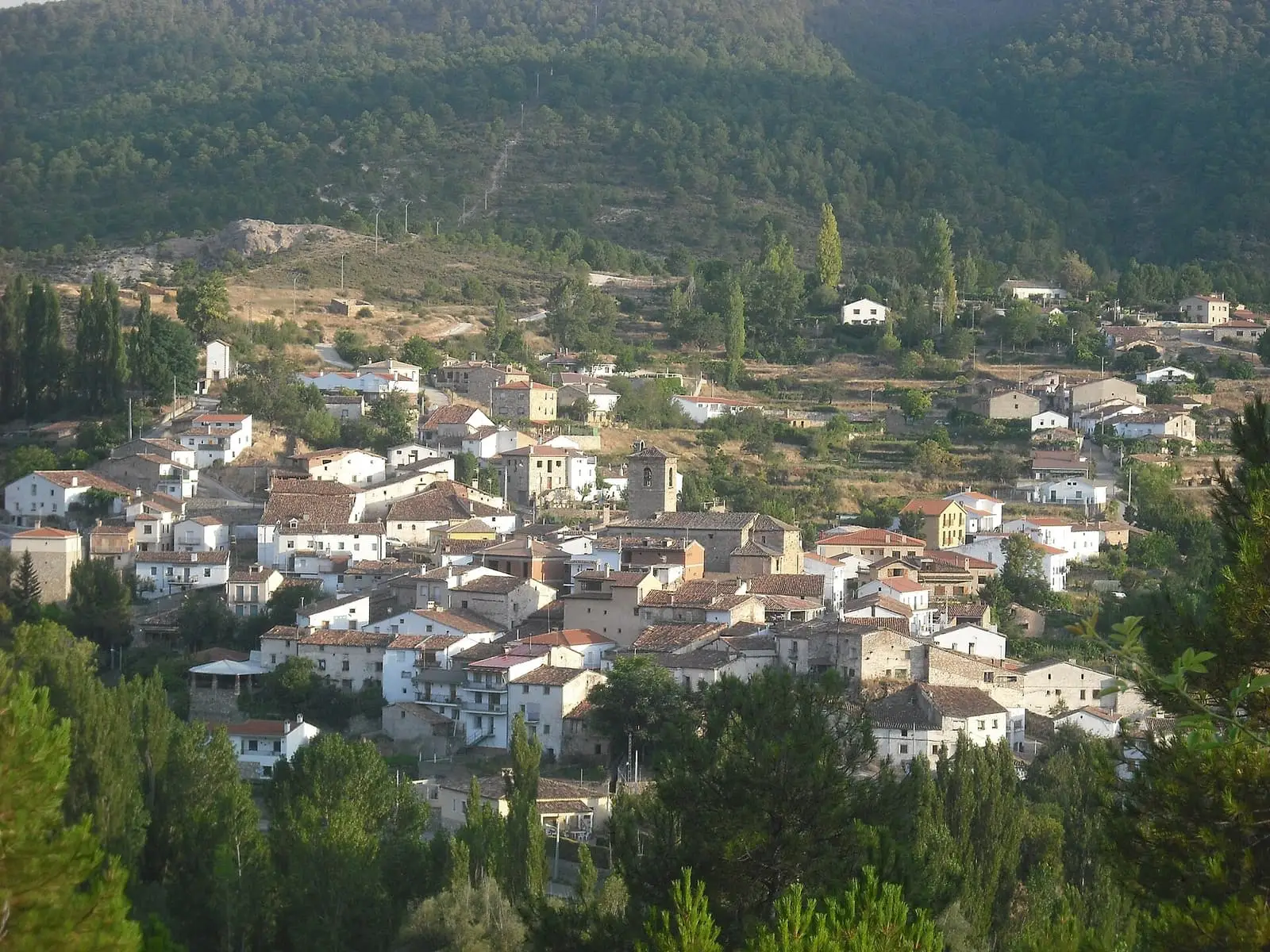
Fuertescusa
Cuenca · 5 places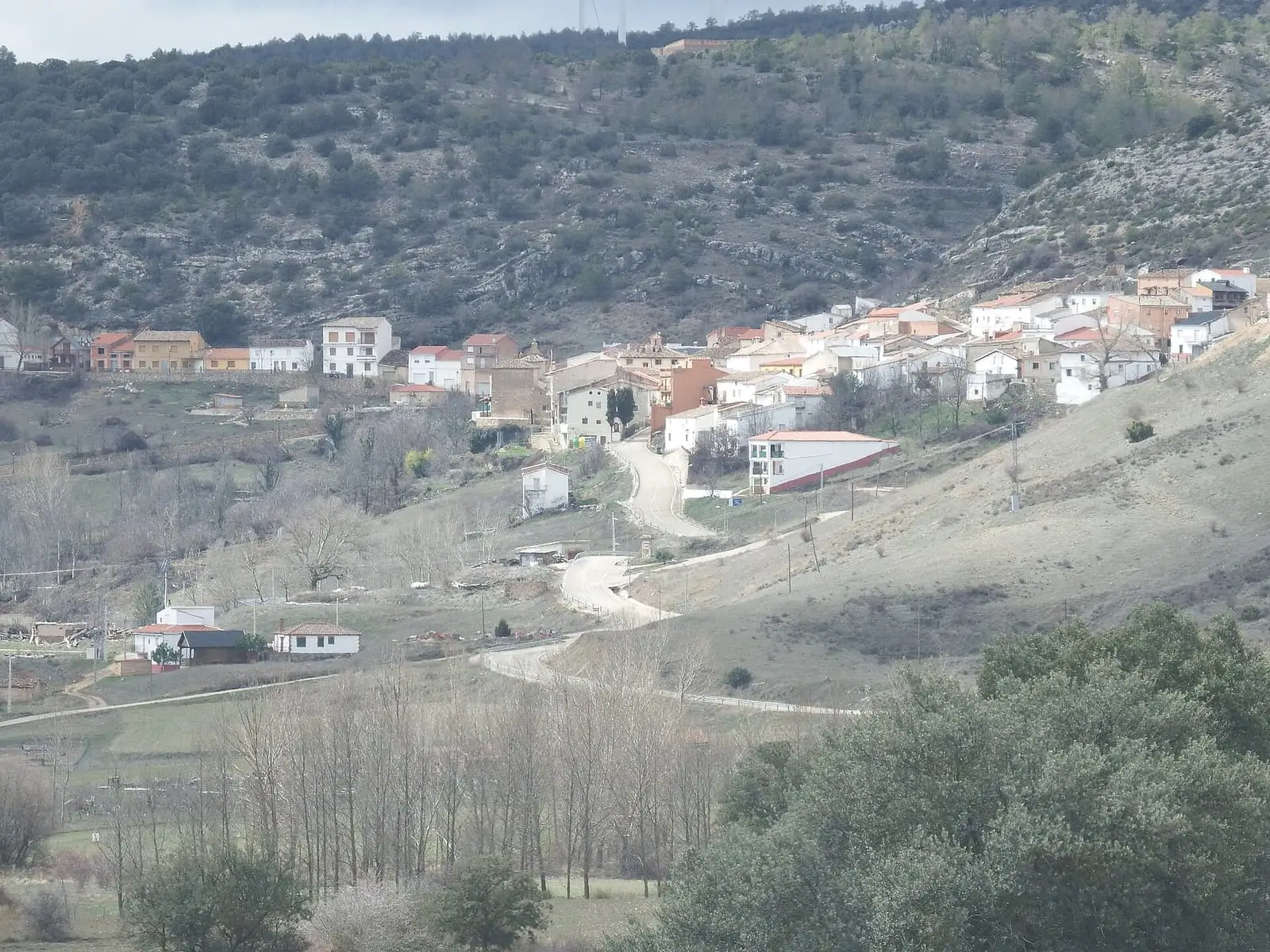
San Martín de Boniches
Cuenca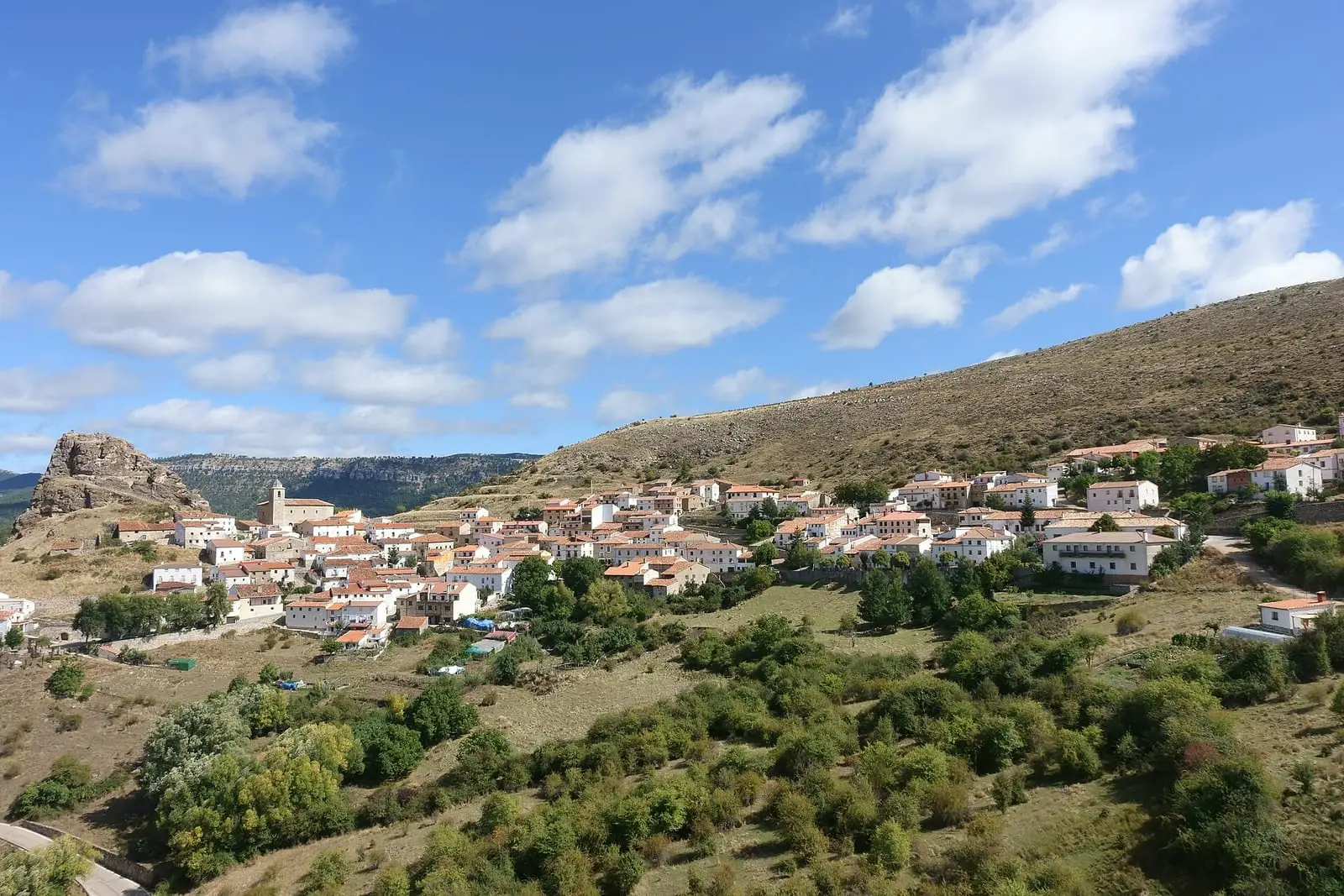
Huélamo
Cuenca · 5 places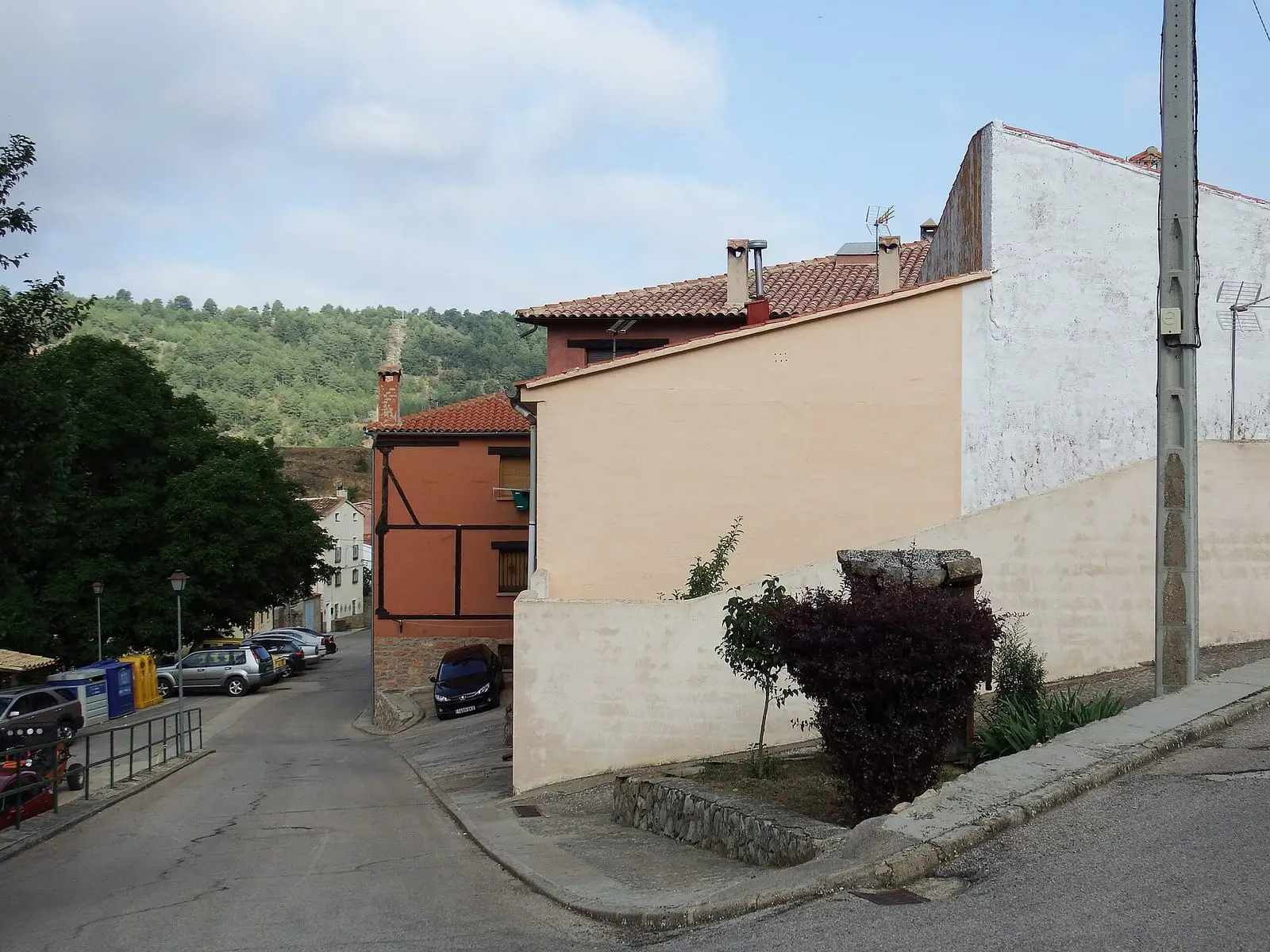
Beamud
Cuenca · 3 places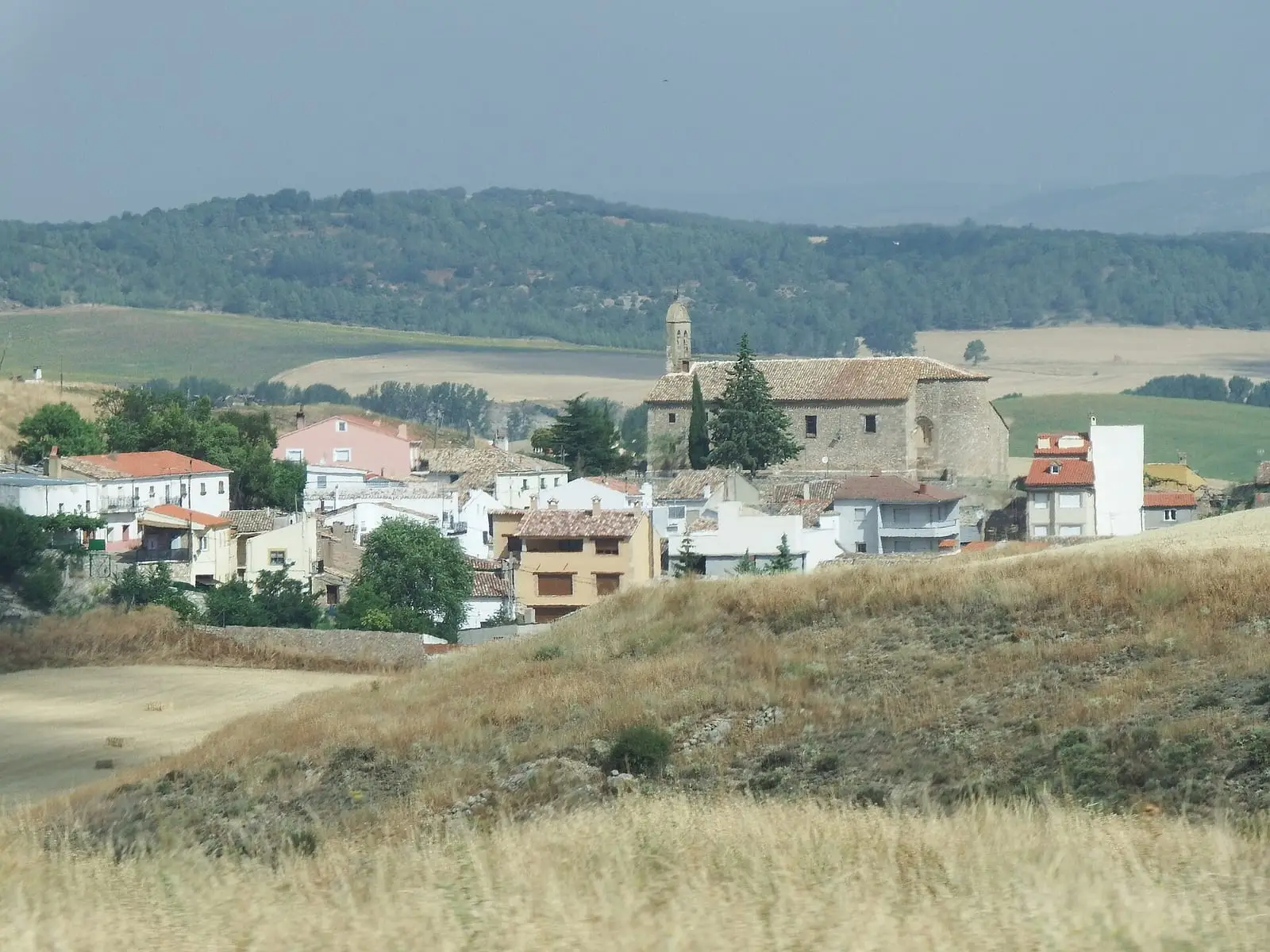
Fuentes
Cuenca · 6 places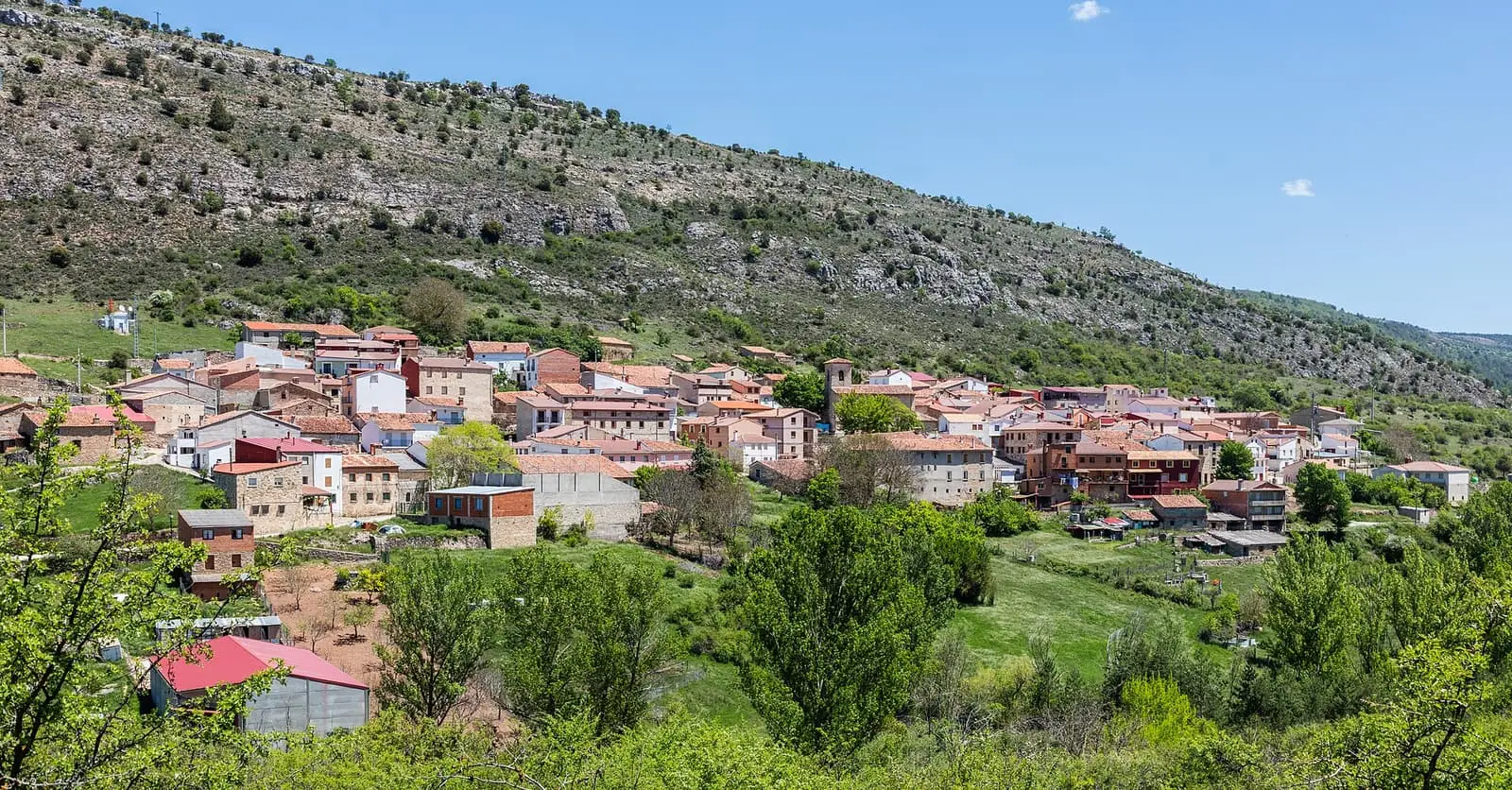
Valsalobre
Cuenca · 1 places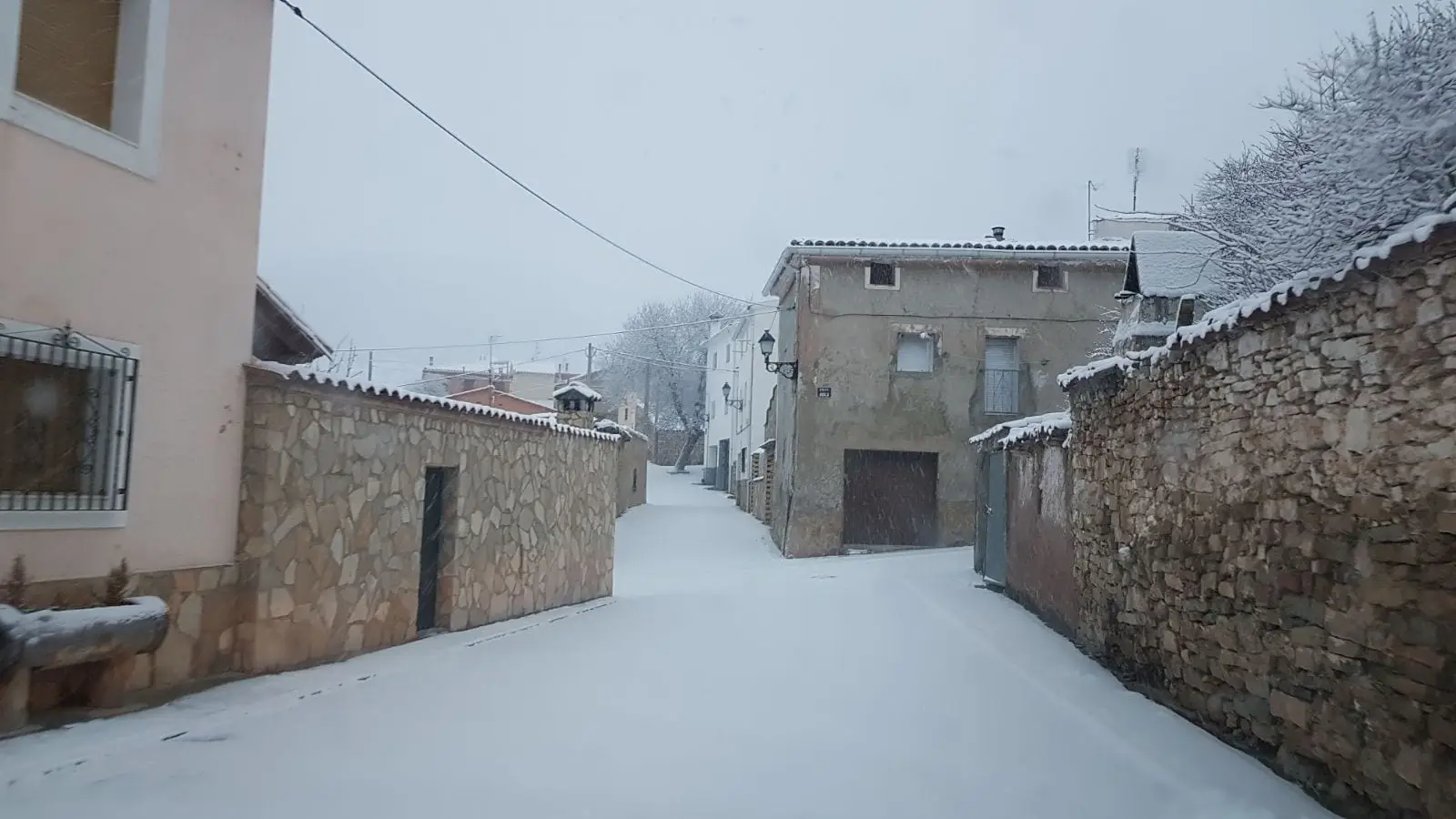
Valdemeca
Cuenca · 6 places
Serranía de Cuenca Natural Park
Ley 5/2007, de 8 de marzo · 73,726 haFrequently asked questions
Who owned the Serranía's woods?
After the conquest of 1177, they were common land of the Land of Cuenca, dependent on the city: villagers used them jointly for livestock, firewood and timber. Over the centuries, some villages gained their own dehesas on becoming chartered towns, others bought their woods and others lost them in lawsuits.
What is a public-utility forest?
Woodland owned by a town council or the State and included in the official catalogue: it cannot be sold and is managed with the forestry administration. In 2007, just over 55,000 of the Serranía de Cuenca Natural Park's 73,726 hectares had this status.
Sources and reading
- Chamocho Cantudo, M. Á.: Los fueros del Reino de Toledo y Castilla la Nueva (BOE, 2017) source consulted
- Ayuntamiento de Fuentes (Diputación de Cuenca): Historia source consulted
- Esteban Cava, L. (2024): Vega del Codorno (Serranía Alta de Cuenca). Un pueblo con historia, Diputación Provincial de Cuenca source consulted
- Rueda Juan, M. (2020): «El conflicto por los montes de Fuertescusa», Revista Mansiegona 15 source consulted
- Los Ojos del Júcar: «Los pastos, diamantes en eterna disputa» (17-4-2023) source consulted
- Moreno Valdeolivas, J. M. (2023): «Huélamo y sus montes», Los Ojos del Júcar 22 source consulted
- Ruiz Pérez, E. (2019): «Cuando los vecinos de San Martín de Boniches tuvieron que emigrar a Argelia. Años 1910-1920», Revista Moya 49 (copia archivada) source consulted
- Serrano Cuenca, J. L.: artículo sobre los aprovechamientos del Parque Natural, Revista Medio Ambiente Castilla-La Mancha 14 (2007), pp. 34-41 source consulted
- Vestal Etnografía: «La resina y la leña en la dehesa de Valsalobre» (fuente oral) source consulted
- Moreno Segovia, M. J.: «Marteloscopios», Revista Medio Ambiente Castilla-La Mancha 34 (2023) source consulted
Open questions
- The Supreme Court ruling on the woods of San Martín de Boniches: reports in El Sol date it sometimes to 1912 and sometimes to 1919. The ruling itself is missing.
- How the woods of the Land of Cuenca passed to each village, and the effects of the 19th-century sale of confiscated property in the Serranía, have not been studied here village by village; the General Answers of the Ensenada Cadastre (1752) may show the state of each municipality in the mid-18th century.
- The distribution of Fuertescusa woodland income by categories of villagers is known from the Mansiegona article; the deeds have yet to be seen.