Episode · from 1500 to 1800 · Towns, lords and the Mesta
Buying themselves
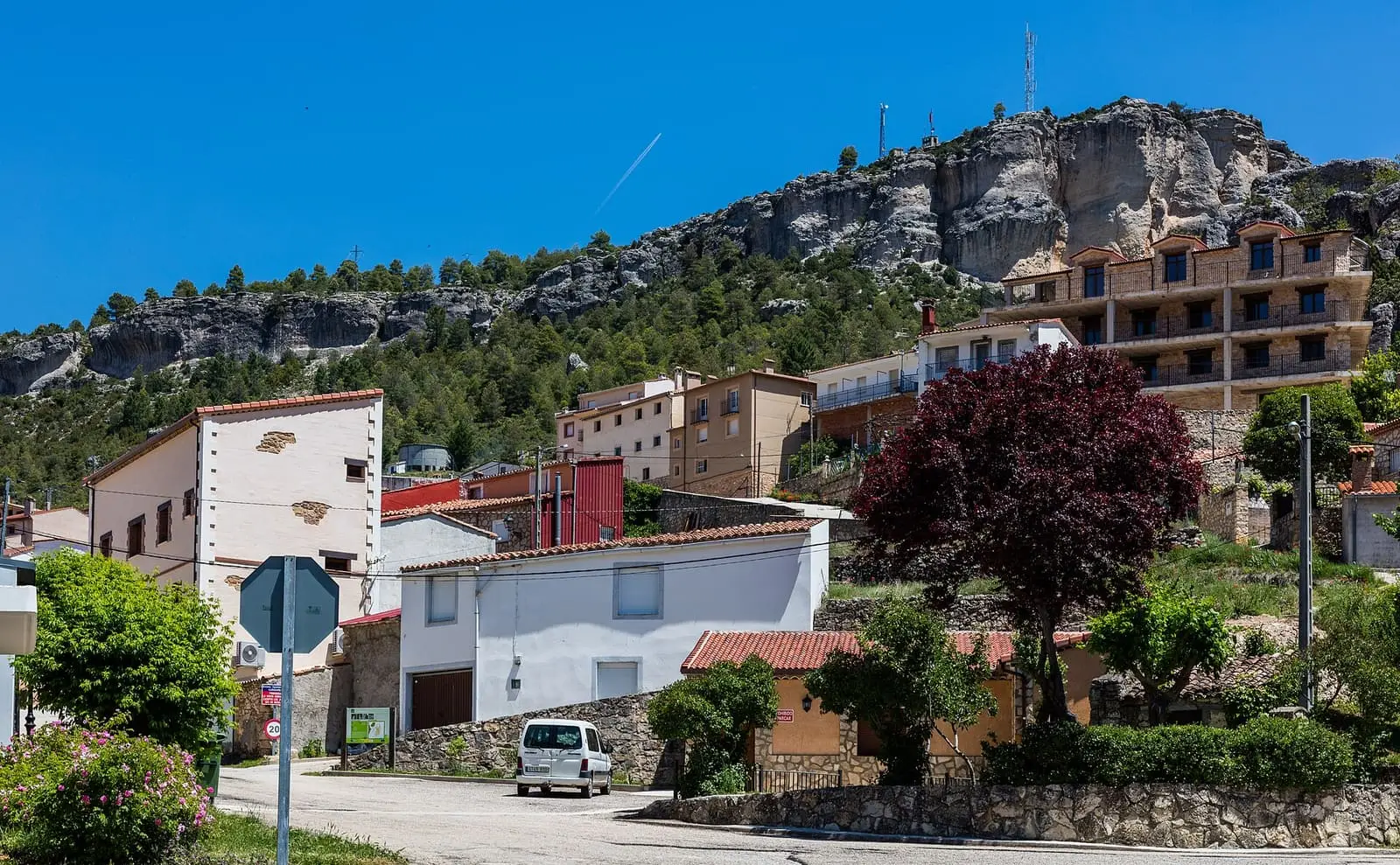
Between 1500 and 1800 the Serranía's villages ceased to be dependent villages of Cuenca. Cañizares bought itself in 1582 for 2,280,000 maravedíes. Other villages remained under marquises and counts, such as Huélamo, which in 1752 paid its count twenty-four trout pies. There were wool-washing works, paper mills and copper mines. People from the mountains reached Peru, Flanders and Beijing. The Ensenada Cadastre of 1752 left a portrait of each municipality.
On this page 8 sections
Buying themselves
In the 16th century almost the whole mountain region was the Land of Cuenca, the city’s dependent territory: villages without their own courts, whose inhabitants had to go to the city for lawsuits. Becoming a chartered town cost money, and the Crown needed it. Villalba de la Sierra separated from Cuenca in 1510. Fuentes received the title of villa (chartered town) on 2 December 1557, with mayors, councillors, gallows and pillory, and its own pastures and dehesas (wood pastures).
Cañizares explained it better than anyone. Its inhabitants argued that Cuenca was ten leagues away, that in winter they had to ford rivers to attend court and that the city’s justice mistreated them over small matters. Philip II was selling jurisdictions, and Cañizares bought itself: 9,500 maravedíes for each of its 240 households, 2,280,000 in total, in three instalments between November 1582 and November 1583. In 1585 a document held in the municipal archive traced the new municipality’s limits from boundary stone to boundary stone.
The lords
Other villages had a lord. The Marquises of Moya, Andrés de Cabrera and Beatriz de Bobadilla, founded the Dominican convent of Carboneras in 1500, where they are buried. Between 1520 and 1540 their successor ordered the building of Cardenete castle, which was never finished, and in 1629 the Marquis of Moya received a licence to extract iron, silver and gold at Pico Ranera.
Lordships were sold like estates. Víllora had bought its title in 1443 for 1,730 maravedíes; in 1719 the Count of Salvatierra sold the lordship to the Zúñiga family for 120,000 reales. In Beteta, the dependent villages had always grazed in the Belvalle dehesa and had to sue the lords. In 1549 Luis Carrillo de Albornoz granted them winter grazing «para siempre jamás» (for ever more), for three thousand maravedíes a year. In 1752 Huélamo belonged to the Count of Salvatierra and paid him twenty-four trout pies each year.
Wool, paper and iron
Livestock was wealth. In Villalba it was the chief source of wealth in the mid-18th century, and in 1734 the town’s owner included it in her entailed estate alongside twelve thousand sheep. Beside the Júcar a wool-washing works had operated since the 17th century, with a shearing house, a boiler and stone tanks, the tinos.
Other industries came from water:
- Paper. At Tejeda la Vieja, in Garaballa, the Trinitarian friars started a paper mill in December 1756: it made wrapping paper and fine paper, and each sheet showed the order’s cross when held to the light.
- Copper. In Talayuelas licences to work copper were granted in 1566 and 1586.
- Iron. A lawsuit of 1632 tells how a man from Beteta discovered ore at Cabeza de Catalán and mentions the mines of Cueva del Hierro.
- Timber. Mountain pines went down the Júcar for the king’s building works: it is told in Everyone’s woodland.
Those who went far away
People from these villages travelled far:
- Juan López, from Salinas del Manzano. In 1513 he sailed with other young men for the Indies (popular accounts say «el Perú», which had not yet been conquered): it is recorded in the registers of Seville’s Casa de la Contratación.
- Julián Romero, born in Huélamo in 1518. He became field commander of the tercios, Spanish infantry formations, in Flanders.
- Miguel Muñoz, from Poyatos. He was Bishop of Cuenca from 1549.
- Friar Domingo Coronado, from Landete. He built a church in China’s Shandong province in 1664, was imprisoned for preaching and died in Beijing in 1665.
- José de Villaviciosa, lord of Reíllo. In 1615 he printed La Mosquea in Cuenca, a mock epic about the war between flies and ants.
- Three pilgrims from Monteagudo de las Salinas. In spring 1624 they set out for Santiago to fulfil a vow; today’s Camino de la Lana begins with their journey.
Vows and pilgrimages
Festivities that remain alive come from those centuries:
- The Septenario. The first documented «subida» (ascent) of the Virgen de Tejeda to Moya, held every seven years, dates to 1639: it is the Septenario.
- The Domingo de Procesiones. In 1688 Carboneras, Arguisuelas, Reíllo, Pajarón and Pajaroncillo signed deeds committing them for ever to honour the Santa Hijuela. From this comes the Domingo de Procesiones.
- The Vallanca pilgrimage. Since 1718, every seven years, it has come from the Rincón de Ademuz to the Virgen de Santerón in Algarra.
In Algarra in 1601 the Inquisition arrested a villager accused of practising Islam, who was acquitted for lack of evidence.
What the Cadastre saw
In 1752 the assessors of the Ensenada Cadastre asked each village about its land, livestock, trades and lords. Their answers are the best portrait of the mountains before the changes of the 19th century:
- Huélamo had ironworks and trip hammers, a fulling mill, charcoal burners and five trout fishermen.
- Valeria, in Las Valeras, had about nine hundred inhabitants, 38 muleteers trading in oil and iron, and about three hundred donkeys.
- El Cubillo, then a municipality of the marquisate of Moya, had 38 households, 51 beehives and a third of a mill shared with Alcalá.
- Narboneta had not recovered from the war of 1473: it had 7 households and 10 houses, five in ruins.
- Mira leased out its cloth fulling mill in 1753. Its beekeepers moved their bees seasonally: they took cork hives to winter in the kingdom of Valencia and in summer brought them up to the mountains of Moya and Cuenca.
Cadastre records for the other villages are being transcribed to give each its portrait of 1752.
More about this era: Chartered towns, lords and the Mesta.
Vocabulary
- Jurisdicción
- The right to have local justice: mayors, a jail and lawsuits in the village, without going to the city.
- Villa
- A town with its own jurisdiction, unlike an aldea, which depended on another town or the city.
- Señorío
- A settlement whose lord, a noble or an institution, collected rents and appointed officials.
- Maravedí
- A Castilian money of account; thirty-four maravedíes made one real.
- Mayorazgo
- An estate tied to a family that passed intact to the heir and could not be sold.
- Catastro de Ensenada
- An inquiry of 1750–1754 in which each Castilian village answered forty questions about its territory, people and income.
- Arriero
- Someone who carried goods between villages with trains of mules or donkeys.
Where it is today
Cañizares
Cuenca · 2 places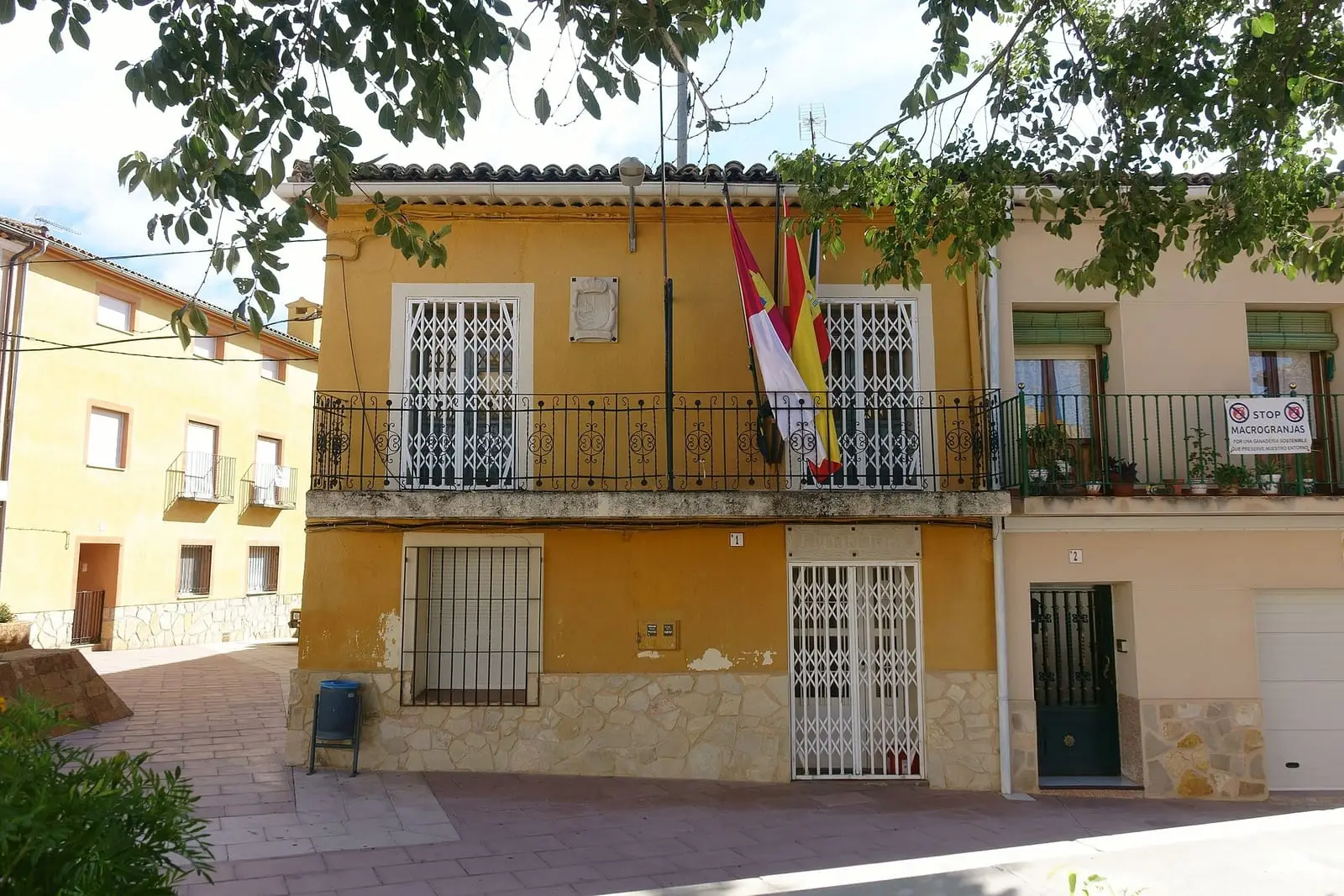
Villalba de la Sierra
Cuenca · 5 places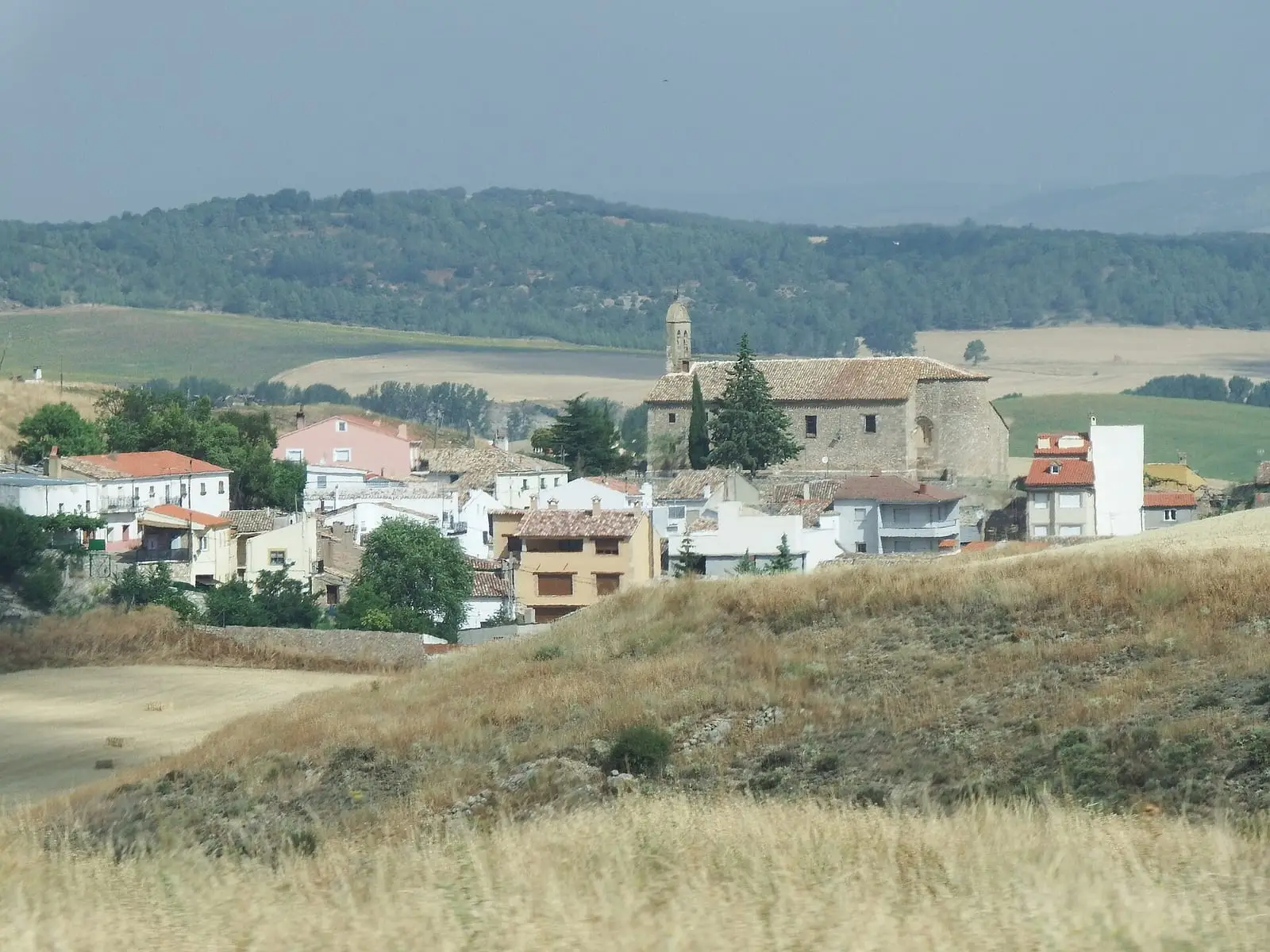
Fuentes
Cuenca · 6 places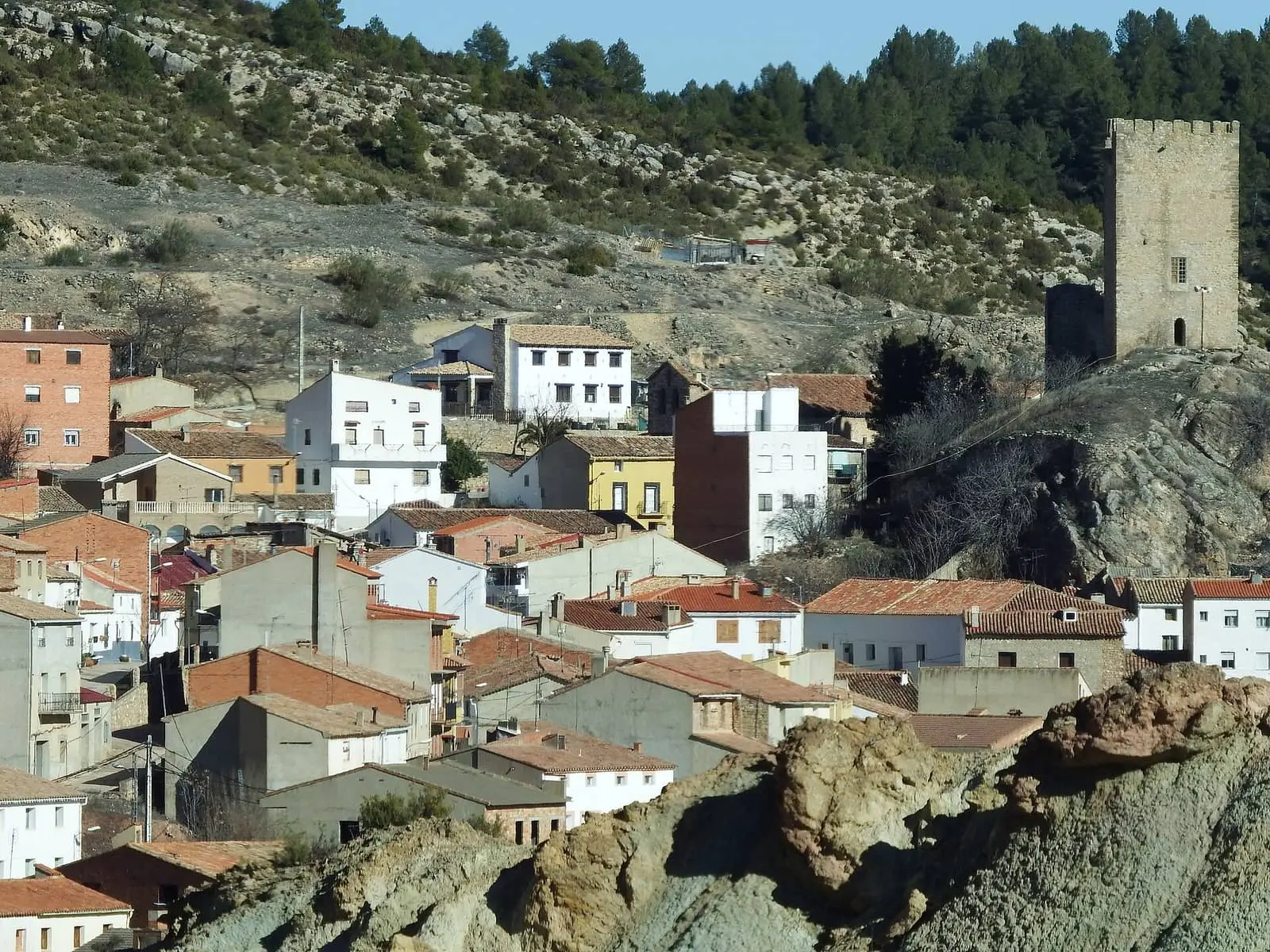
Víllora castle and its watchtower
Víllora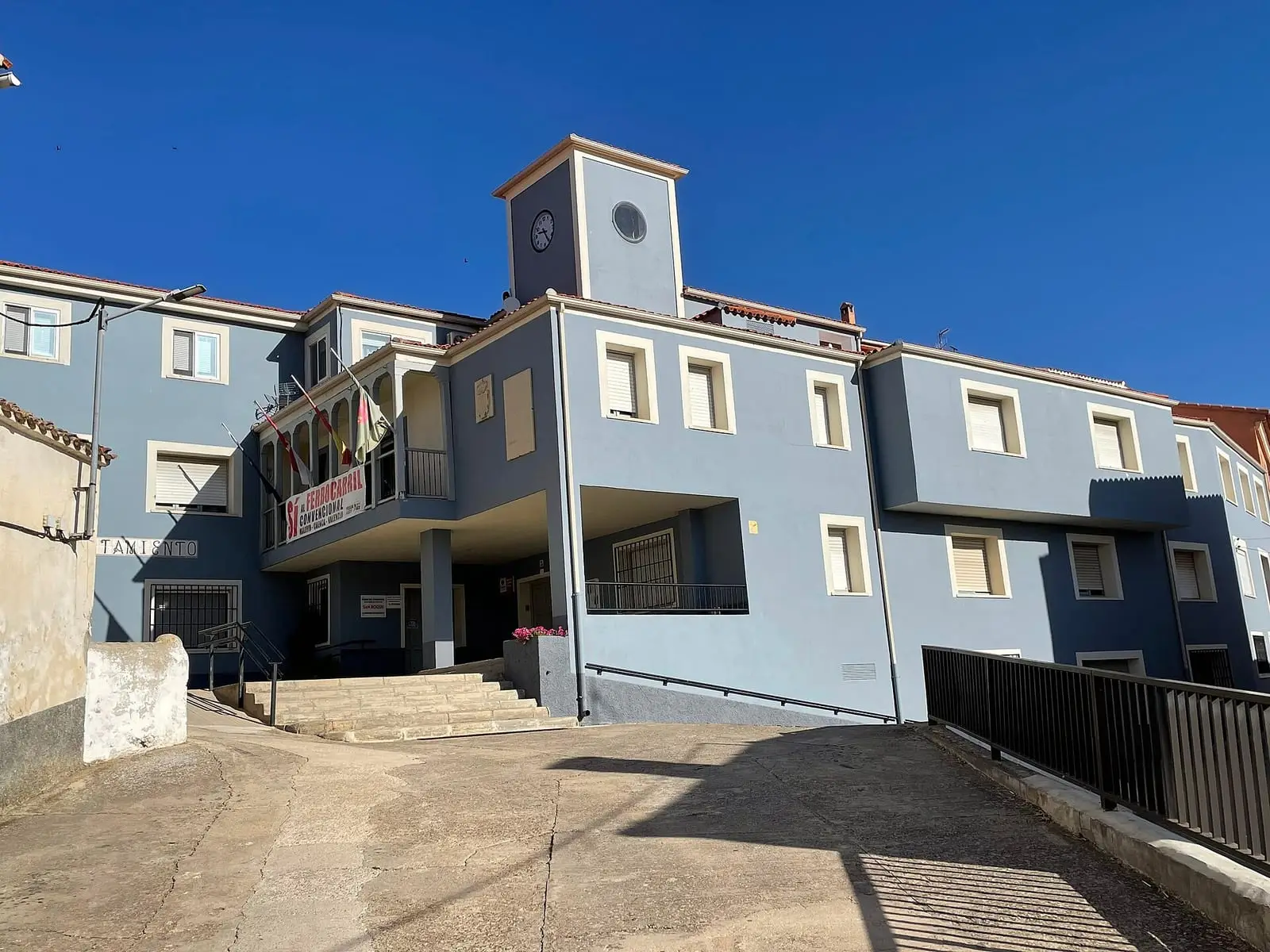
Carboneras de Guadazaón
Cuenca · 1 places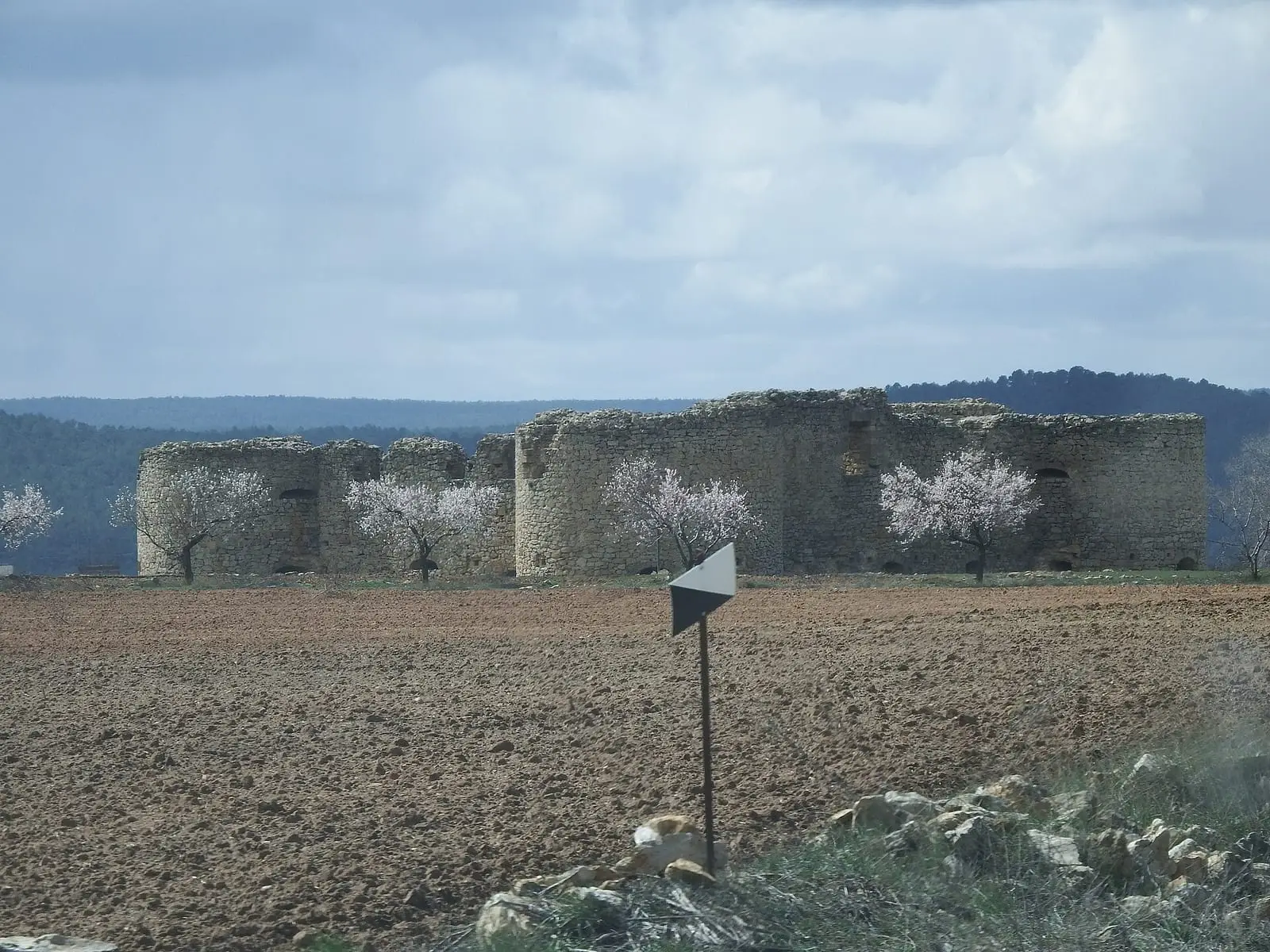
Cardenete castle
Cardenete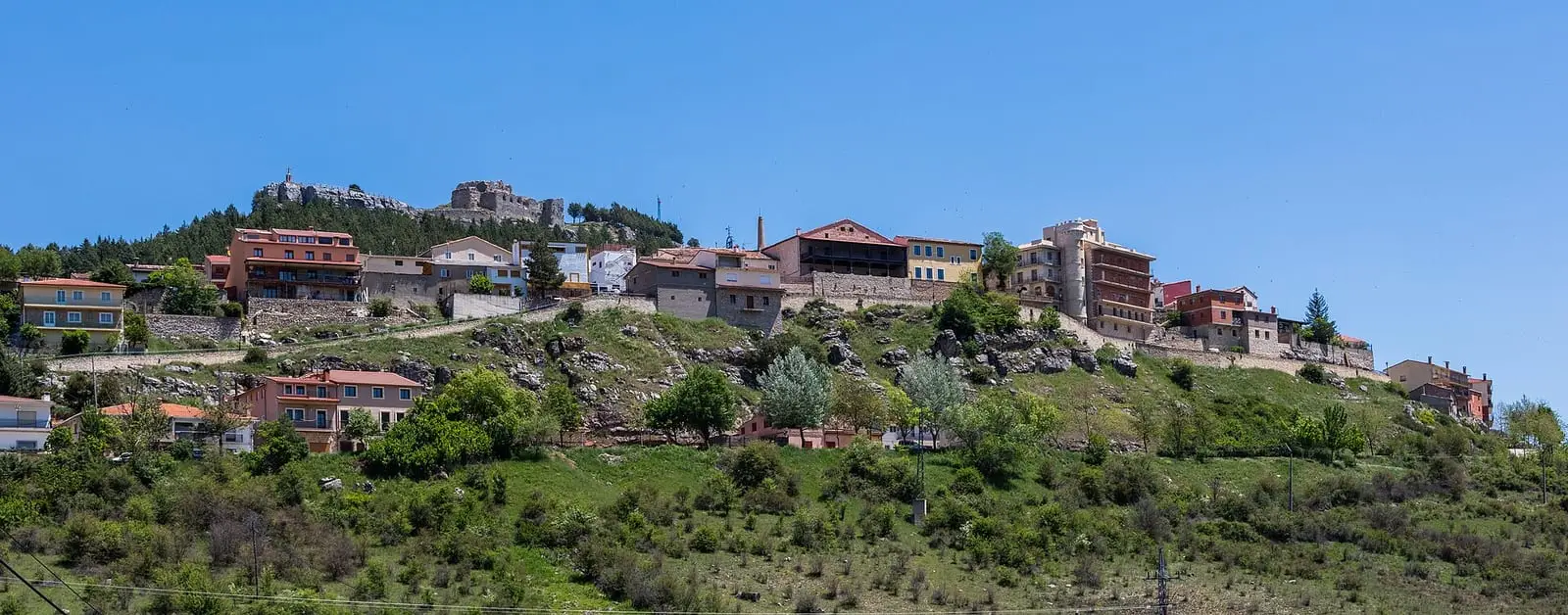
Beteta
Cuenca · 10 places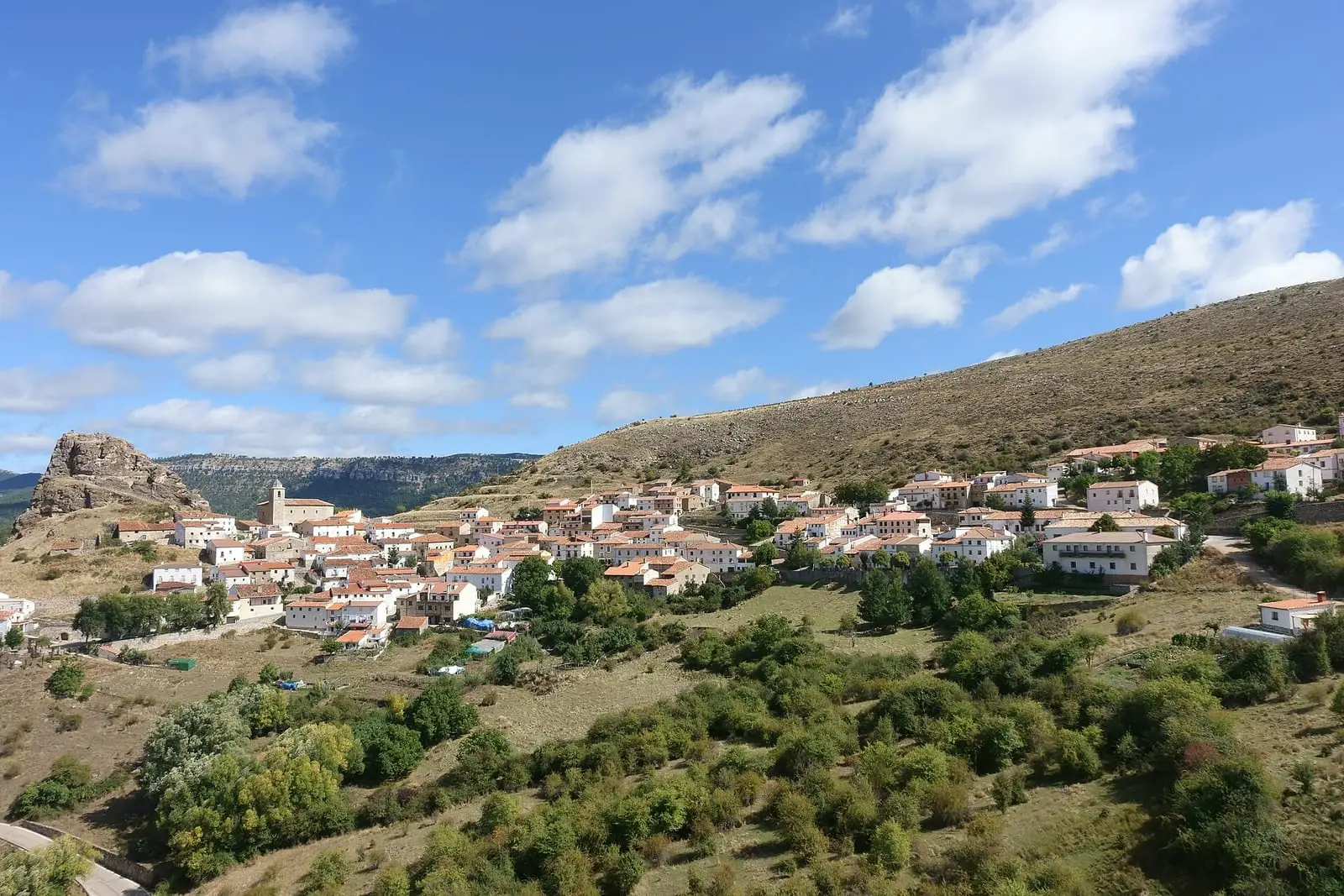
Huélamo
Cuenca · 5 places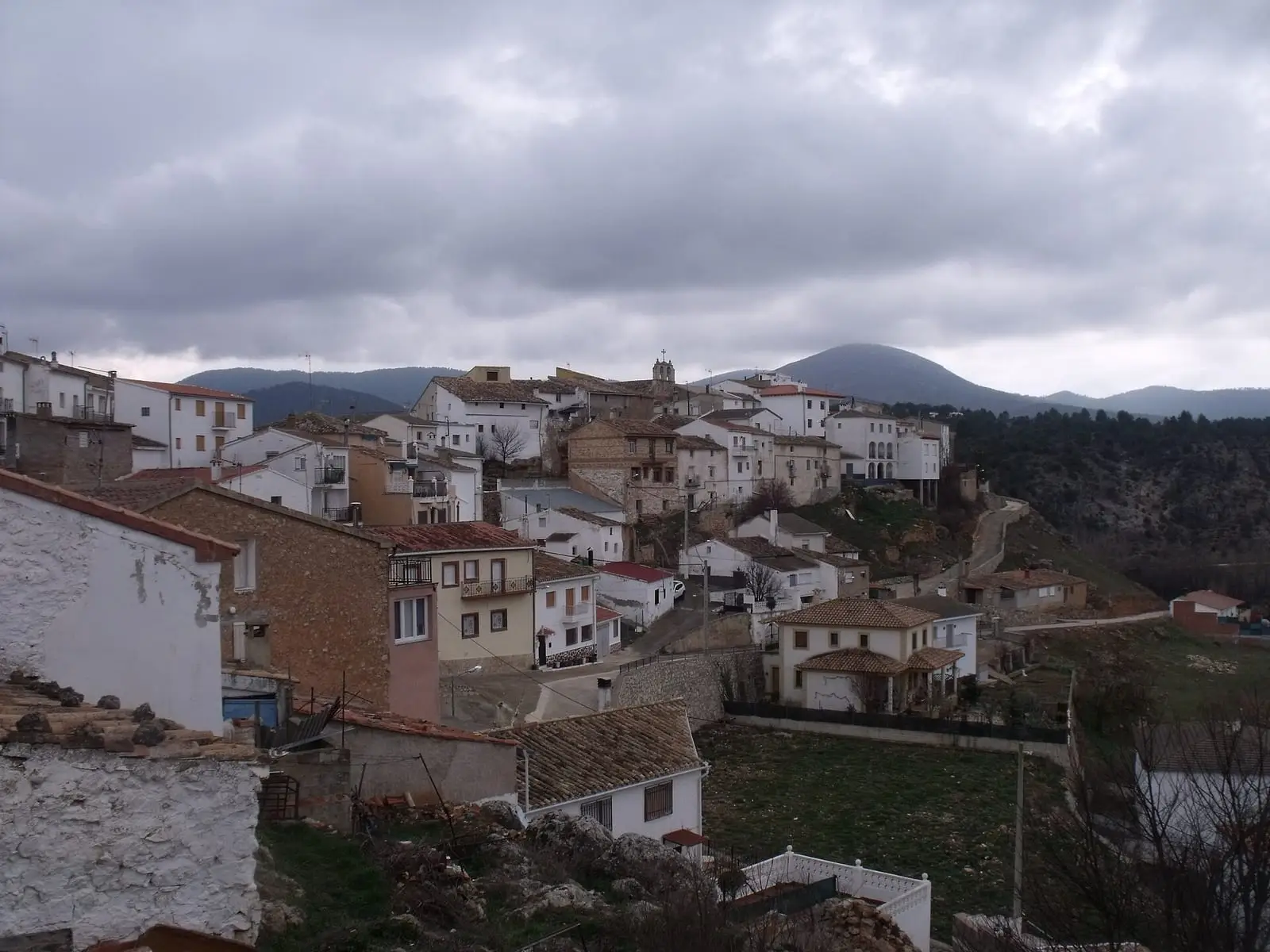
Garaballa
Cuenca · 2 places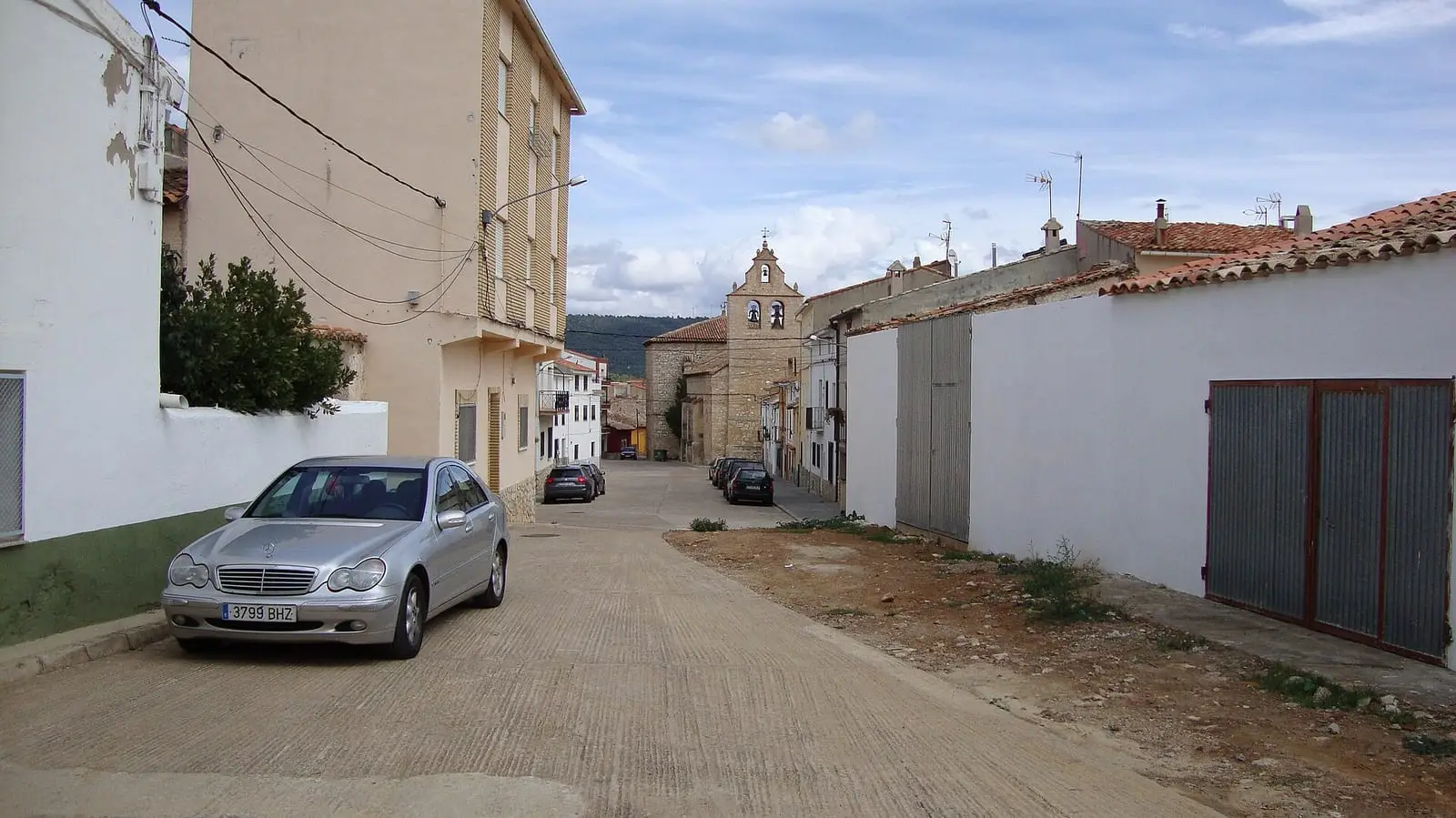
Talayuelas
Cuenca · 3 places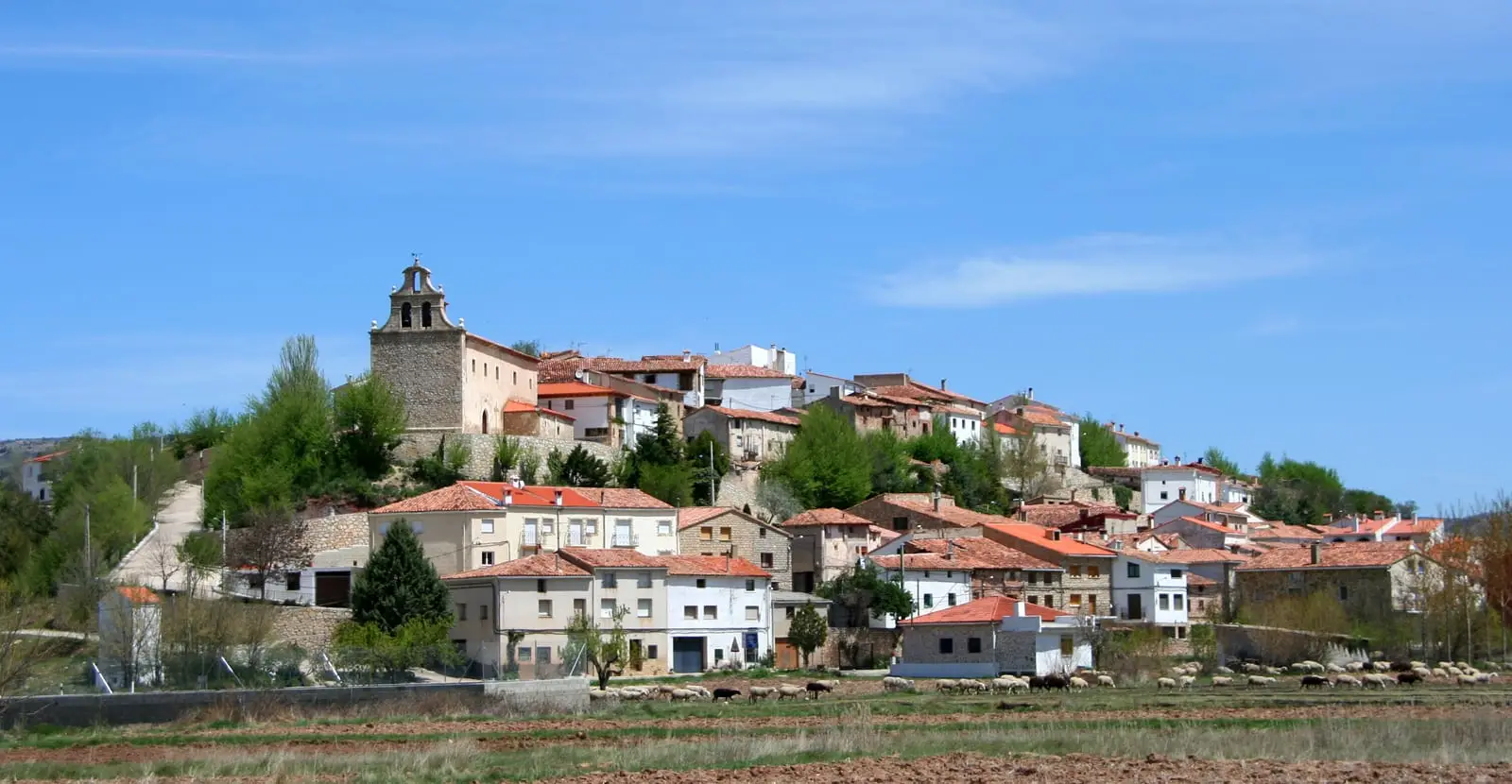
Salinas del Manzano
Cuenca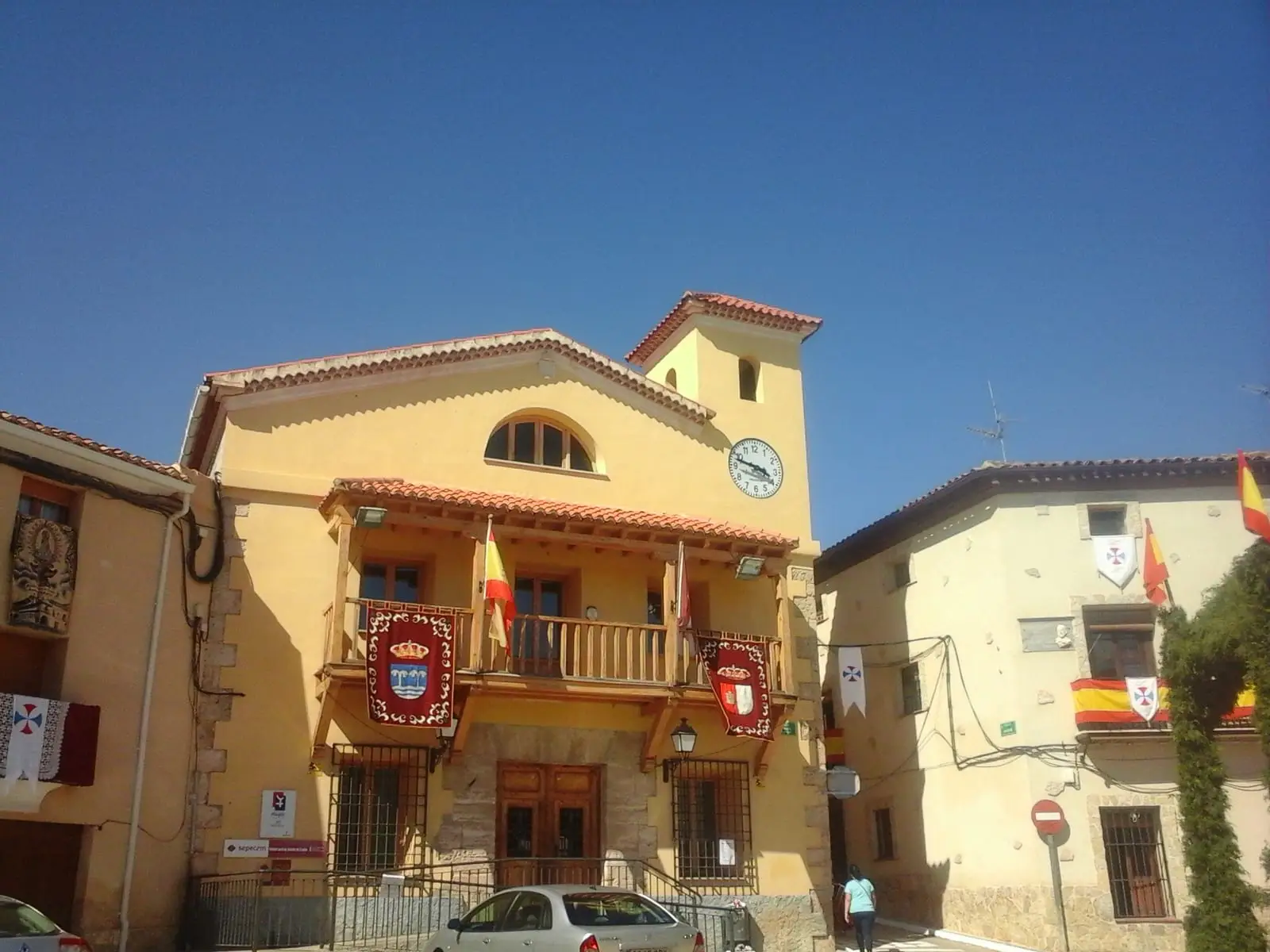
Landete
Cuenca · 2 places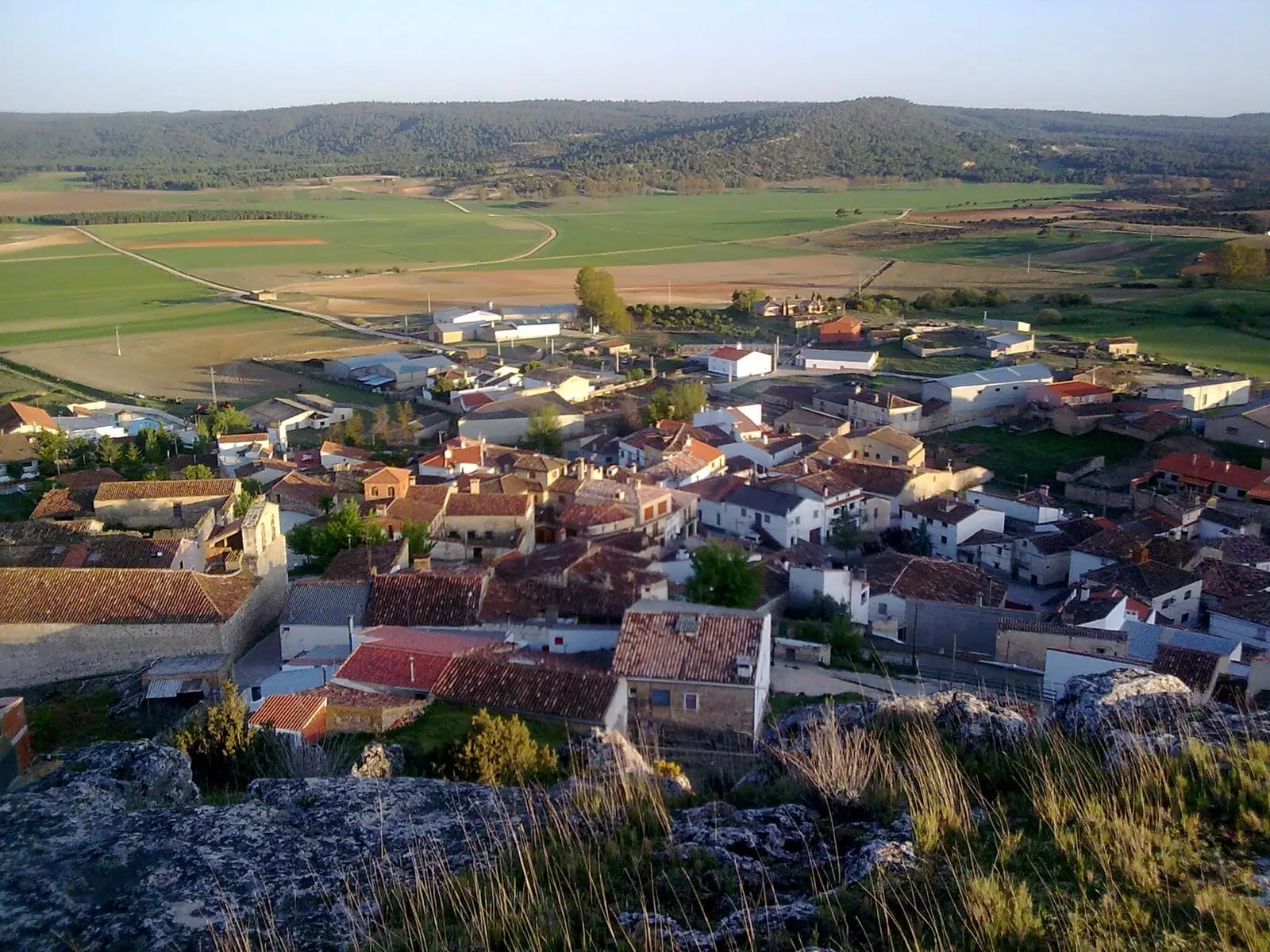
Reíllo
Cuenca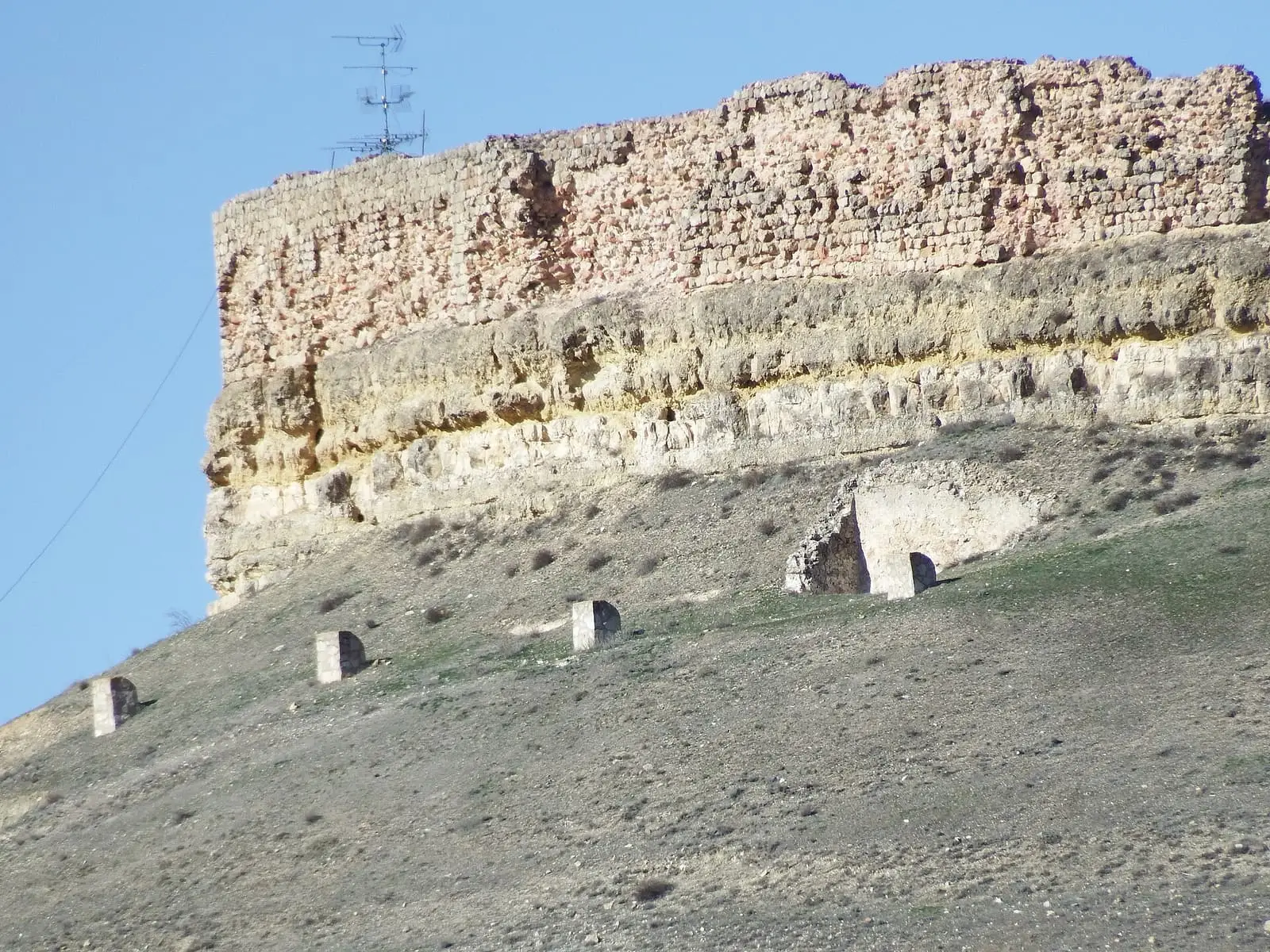
Monteagudo de las Salinas
Cuenca · 1 places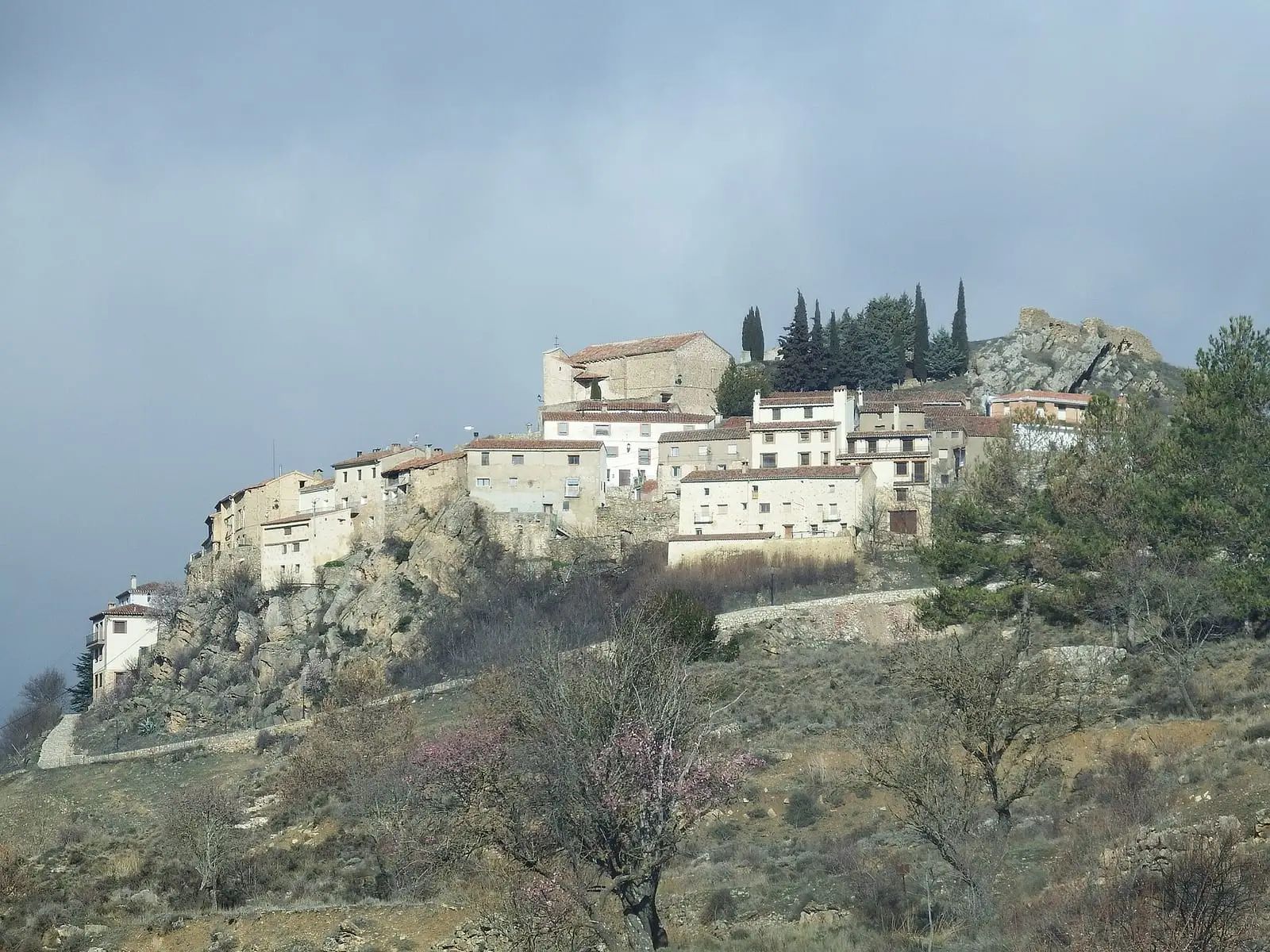
Algarra
Cuenca · 1 places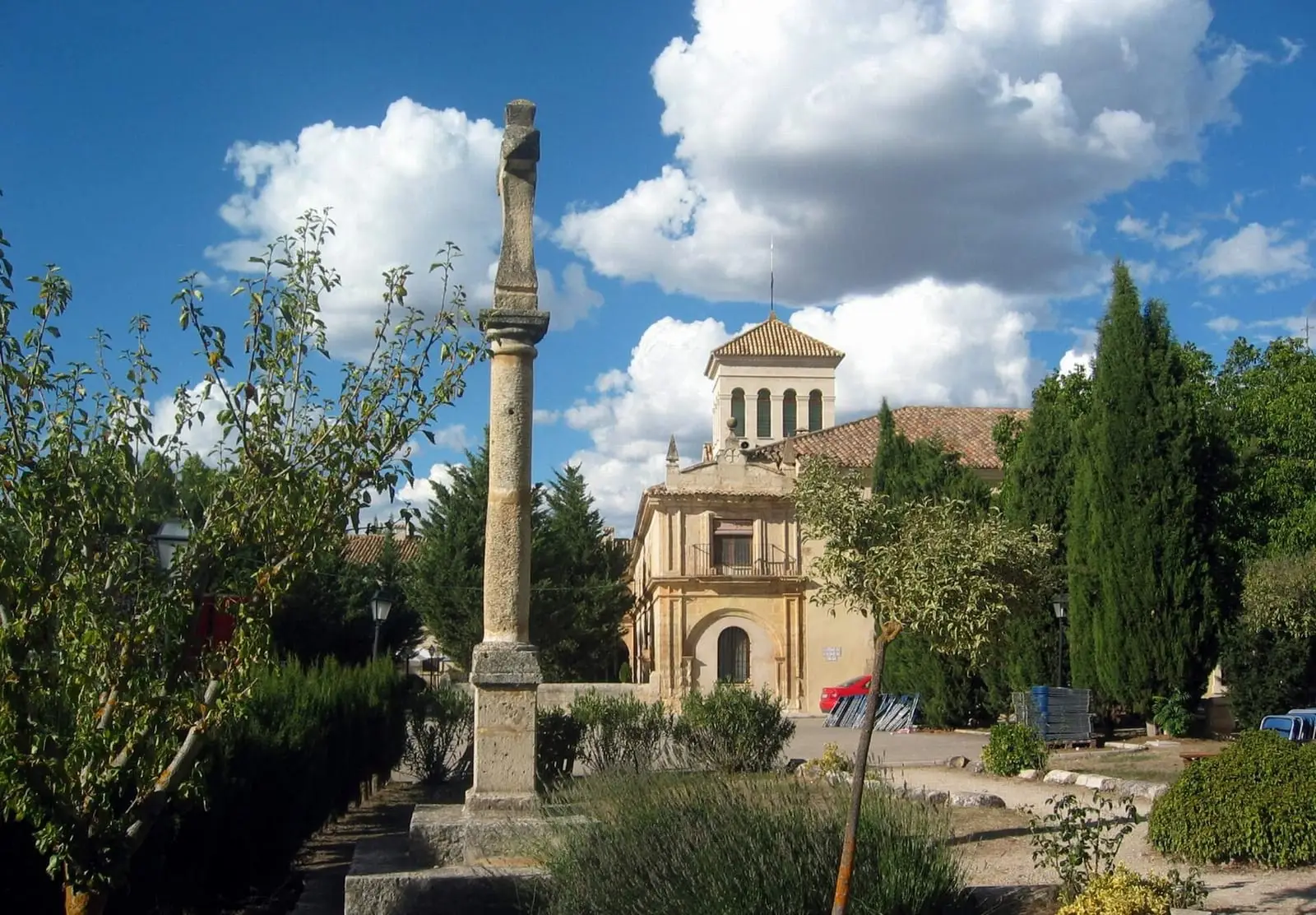
Tejeda monastery
Garaballa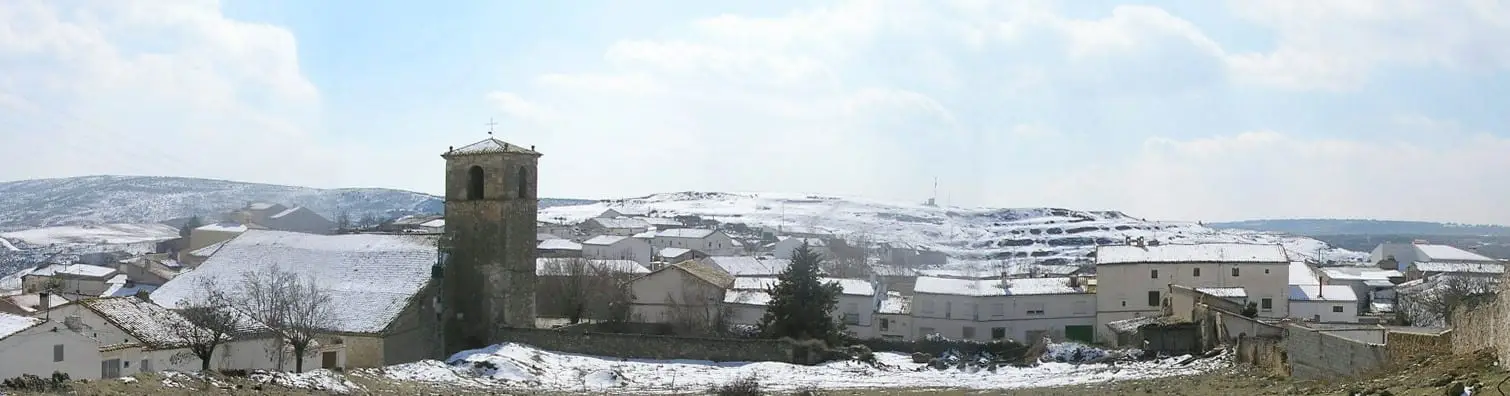
Las Valeras
Cuenca · 5 places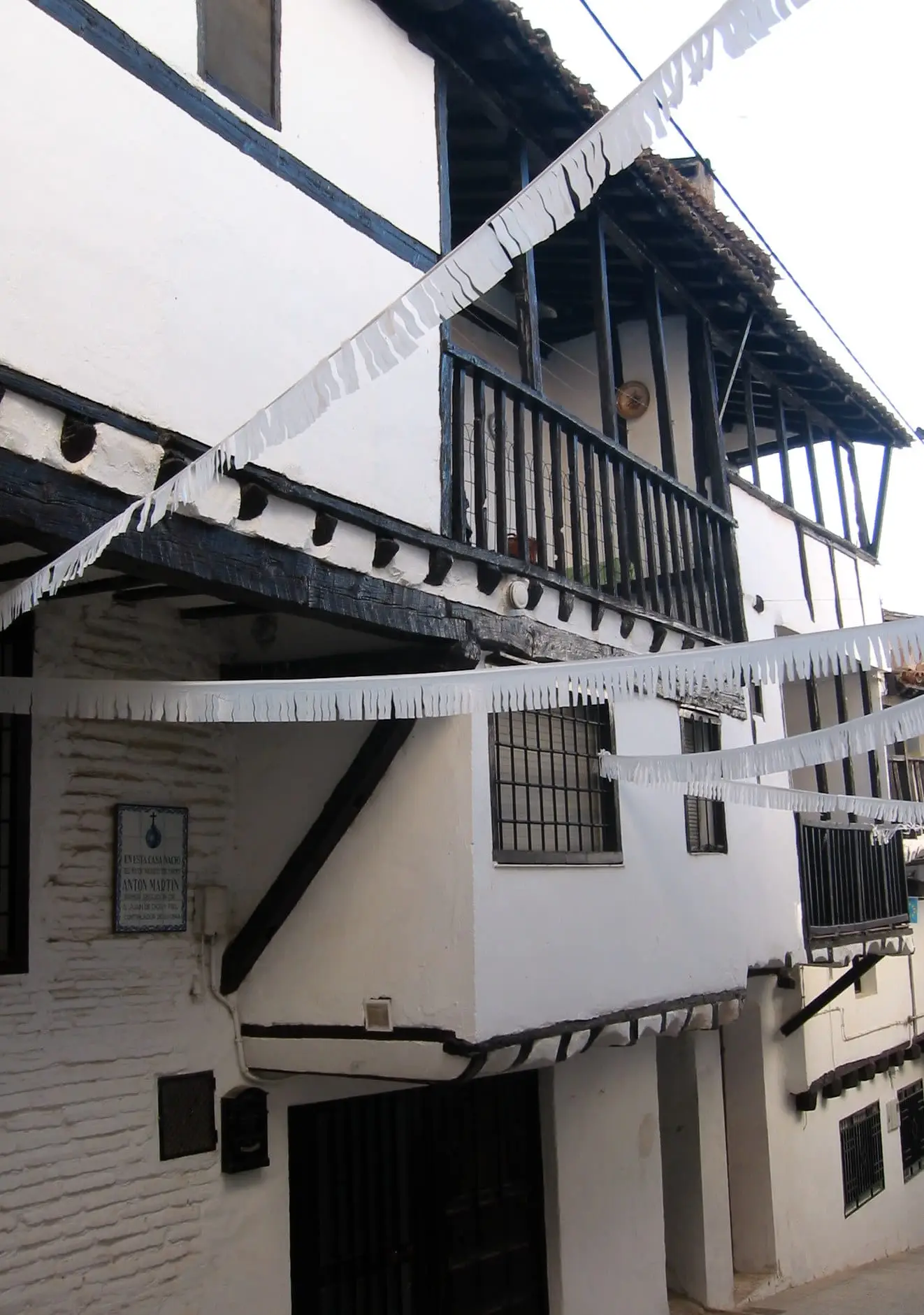
Mira
Cuenca · 3 places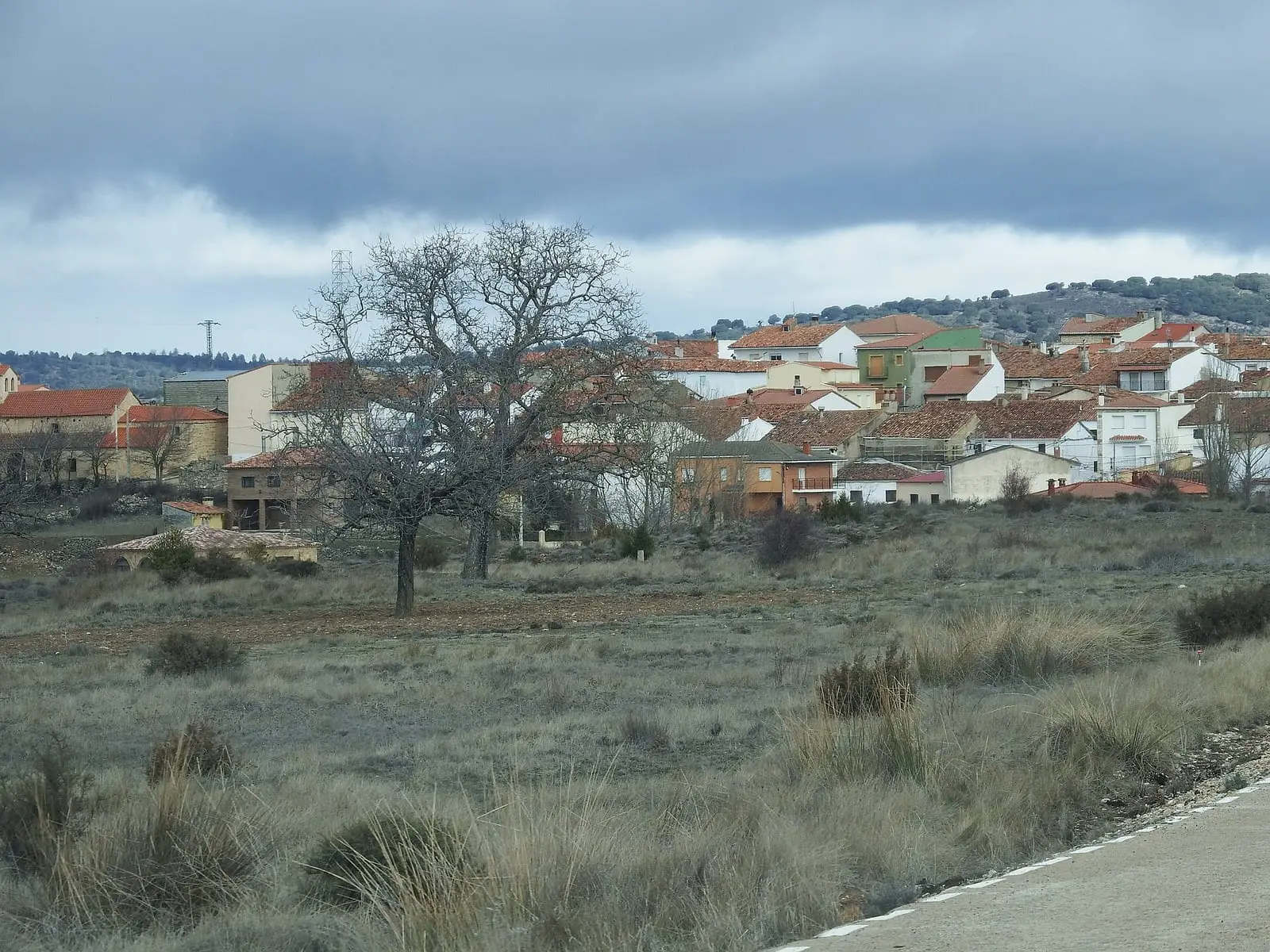
El Cubillo
Alcalá de la Vega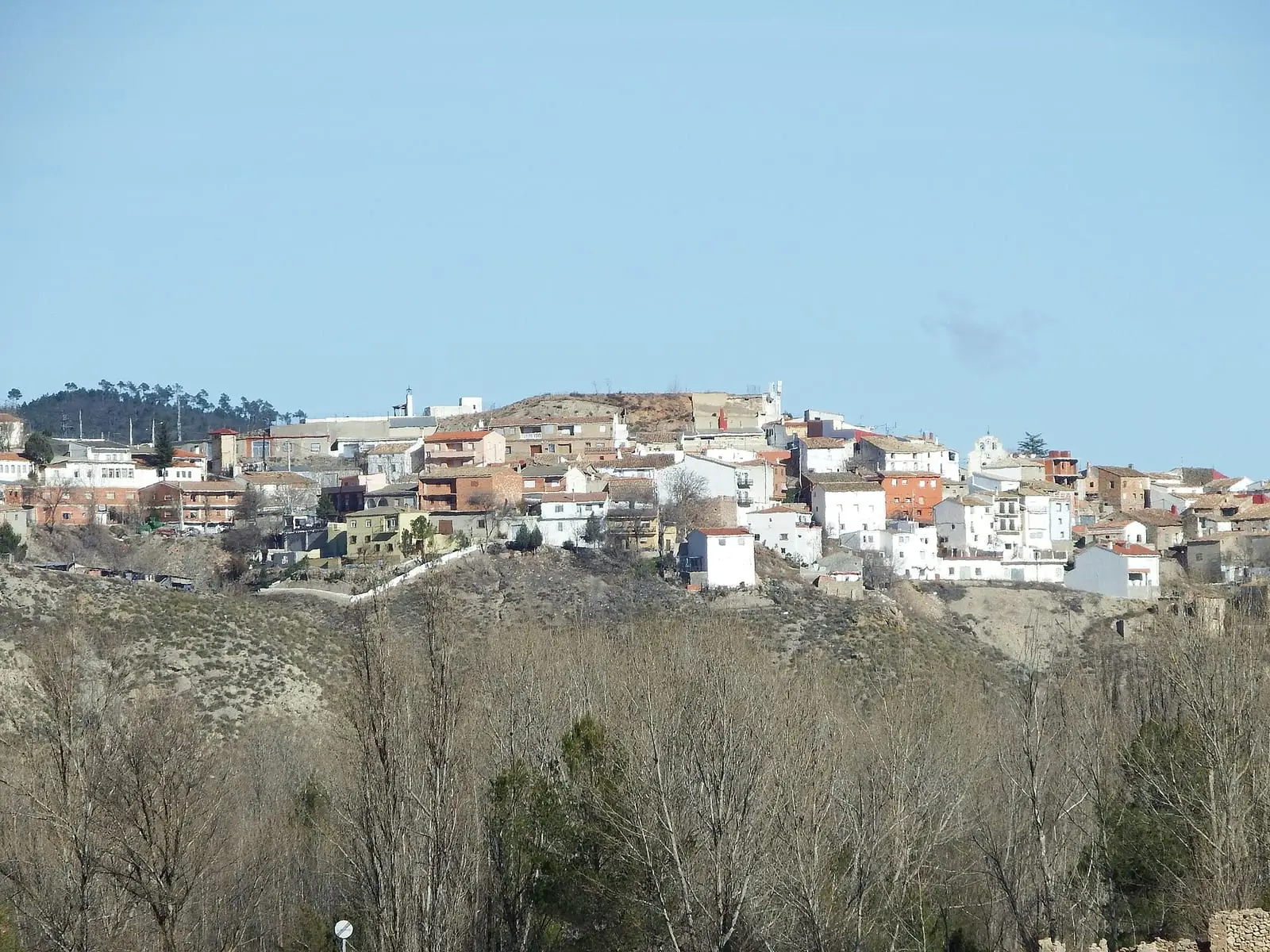
Narboneta
CuencaFrequently asked questions
What does it mean that a village «se compró» (bought itself)?
It paid the Crown for its own jurisdiction and to cease depending on Cuenca's courts. Cañizares paid 2,280,000 maravedíes, 9,500 for each of its 240 households, between 1582 and 1583. From then on it had its own mayors and lawsuits in the village.
What is the Ensenada Cadastre?
An inquiry conducted in Castile between 1750 and 1754 to levy a single tax. Each village answered forty questions about its land, livestock, trades, mills, inhabitants and lords. That makes it the best portrait of the Serranía in the mid-18th century.
Sources and reading
- Wikipedia: Marquesado de Moya source consulted · Date of Andrés de Cabrera's death (4-10-1511).
- Garrosa Mayordomo, J. (2025): «La compra de Cañizares por sus vecinos en el siglo XVI», Revista Mansiegona 19 source consulted
- Macía Fernández, I. (2025): «La ganadería histórica en Villalba de la Sierra», Los Ojos del Júcar 31 source consulted
- Ayuntamiento de Fuentes (Diputación de Cuenca): Historia source consulted
- Ayuntamiento de Víllora: Historia de Víllora source consulted
- Cultura Castilla-La Mancha: Iglesia panteón de los marqueses de Moya, Carboneras de Guadazaón source consulted
- Ayuntamiento de Cardenete: Patrimonio cultural source consulted
- Gimeno, B.: Sierra Menera y la siderurgia tradicional en la cordillera ibérica, siglos XV-XIX (tesis, Universidad de Zaragoza, 2016) source consulted
- Garrosa Mayordomo, J.: «La dehesa de Belvalle (un recorrido por su historia)», Revista Mansiegona source consulted
- Catastro de la Ensenada: Respuestas Generales de Huélamo (1752), en la transcripción de Vestal Etnografía source consulted
- Gómez García, E. (1999): «El molino de papel de Tejeda la Vieja (Garaballa)», Revista Moya 9, p. 7 (copia archivada) source consulted
- Huerta (2023): Historia de la minería metálica en la Serranía Baja de Cuenca source consulted
- Guadalajara, E. (2012): «Unos apuntes sobre las antiguas herrerías», Revista Mansiegona 7 source consulted
- Ayuntamiento de Salinas del Manzano (Diputación de Cuenca): Historia source consulted
- Ayuntamiento de Huélamo: Historia de Huélamo source consulted
- Arias Rojo, E. (2017): «Miguel Muñoz. Un obispo de origen serrano», Revista Mansiegona 12 source consulted
- López Marín, M.: Landete en la historia (Centro de Estudios del Marquesado de Moya, 2026) source consulted
- Real Academia de la Historia: informe de Jaime de Salazar y Acha sobre escudo y bandera de Reíllo (2022) source consulted
- Ayuntamiento de Cuenca, Camino de la Lana: antecedentes históricos source consulted
- Revista Moya 62 (2025), número especial del LVI Septenario: Romero Saiz, M., «El septenario de Moya, un ejemplo de tradición, devoción e historia» (copia archivada) source consulted
- Voces de Cuenca: «Fe e identidad de Carboneras de Guadazaón en el cartel de Tomás Bux para el Domingo de Procesiones» (19-4-2026) source consulted
- Ayuntamiento de Algarra (Diputación de Cuenca): historia, rutas y recetas source consulted
- Vestal (2025): «Arriería, ganadería y otros animales. El final de un modo de vida milenario en Valeria», Los Ojos del Júcar 31 source consulted
- Pla Perea, C. (2026): «El Cubillo en 1752: una comunidad rural de la Serranía según el Catastro de Ensenada» source consulted
- La historia de Mira (blog local): el batán, la apicultura y el Censo de Floridablanca, a partir del Catastro de Ensenada source consulted · Local blog: its Cadastre information needs to be checked against the General Answers in PARES.
- Ayuntamiento de Narboneta (Diputación de Cuenca): Historia source consulted
Open questions
- The Palomera paper mill: it is said to have been built in 1613 by the Genoese Juan Otonel, and that the Mesta opposed it because it stood on a drove road, but no document has been seen.
- The exact date of Cardenete castle: construction is placed between 1520 and 1540, and a radio account gives 1522 without a document.
- The General Answers to the Cadastre are missing for most villages: they are being transcribed to give each its portrait of 1752.