Trade · 19th century – 2022 · The trades of the forest and the water
Resin, pitch and charcoal: what the hills gave to the fire
From the 19th century resin was one of the Serranía's main trades, especially in the Serranía Baja: the pine was stripped, a metal gutter and pot fitted, and resin collectors carried the resin in barrels to factories such as El Cañizar in Pajaroncillo, opened in 1924. Alongside it were older woodland trades: charcoal mounds, pitch kilns and each household's firewood. In 2021 new tapping methods were still being tested in Sotos, Huerta del Marquesado and Talayuelas.
On this page 5 sections
Tapping the pine
Resin is the pine’s defence: what it releases when wounded. In the Serranía, especially among the maritime pines of the Serranía Baja (lower Serranía), it was exploited on an industrial scale after the Hugues method arrived around 1860, allowing extraction without killing the tree. Pines were auctioned in lots, and the resin tapper awarded a lot worked in someone else’s woodland. In late winter he prepared the trunks: stripping the thick bark, opening the tapping face and fitting a metal gutter to carry resin to an earthenware pot hung below. Every few days he renewed the wound, from March to September. In Boniches some worked 5,000 pines or more, and gangs came from Villar del Humo; villagers remember it as the hardest work.
Then came the remasa, the resin harvest: from pots to tins, tins to barrels, and loading points to lorries. At the end of the season the barrasco, resin stuck to the trunk, was scraped off. Tapper and collector could be the same man. The wooden barrels broke with so much handling, and coopers repaired them. In Valsalobre people remember the earthenware pots from Priego and resin sold in Cañizares: it is told in The hills provide a living.
The factory
Boniches resin went first to Teruel and from 1924 to the El Cañizar factory in Pajaroncillo. At the factories it was weighed, cleaned and distilled to separate turpentine from rosin, which was left to harden in the sun in large yards and ended up in paints, varnishes, waxes or glues. The province’s peak came in the 1940s and 1950s. Foreign competition and synthetic resins then took their toll. In 2021 the Go-Resinlab project was testing another method in Sotos, Huerta del Marquesado and Talayuelas, using a shallow drill hole and a sealed bag instead of a pot, and arguing that the resin tapper, the weakest link in the chain, was a professional with a demanding trade.
On 5 September 2022, at an event on the sector, it was reported that 58 resin tappers remained in the province of Cuenca. Across Castilla-La Mancha there were about 85, extracting around 1,500 tonnes a year. The 2021 trials had yielded slightly less resin with mechanised cutting than with the traditional method, and the method was changed for the 2022 season. That same year, dual vocational training in resin tapping was authorised in Cuenca within the advanced Forestry Management course: up to fourteen students, with seven resin tappers as tutors.
Pitch, charcoal and firewood
The woods gave more to the fire. In pegueras, stone pitch kilns on hillsides, old stumps and resinous splinters were burnt; pitch drained into a lower tank and was taken out in blocks. It waterproofed wineskins and marked livestock; in Uña two have been restored, the upper and lower kilns. Charcoal mounds were woodpiles, thick wood in the centre and thin outside, covered with branches and earth, into which the charcoal burner let only just enough air; the name remains in places such as the Fuente de las Carboneras in Fuertescusa. In La Cierva charcoal was sold in Cuenca, while the best pines were marked in the king’s name for Navy ships. And in every household, firewood: pine for the flame, holm oak and oak for lasting embers.
In Beamud, the Esparvel association restored a peguera with two chambers: the work was announced in March 2025.
Words of the trade
- Resinación a vida
- Extracting resin from a pine that stays alive, opening a new wound each year, unlike the older practice of burning stumps.
- Pote
- A container of earthenware, and later other materials, hung from the trunk to collect resin.
- Remasa
- Collecting resin from pots into tins and from tins into barrels.
- Barrasco
- Resin that remains stuck to the trunk and is scraped off at the end of the season.
- Cubero
- A carpenter who made and repaired the wooden barrels in which resin travelled.
- Peguera
- A stone kiln where stumps and resinous splinters were burnt to extract pitch.
- Pez
- A black, sticky product from resinous wood, used to waterproof wineskins and mark livestock.
- Carbonera
- A woodpile covered with branches and earth, burnt slowly with little air to make charcoal.
Where it is today
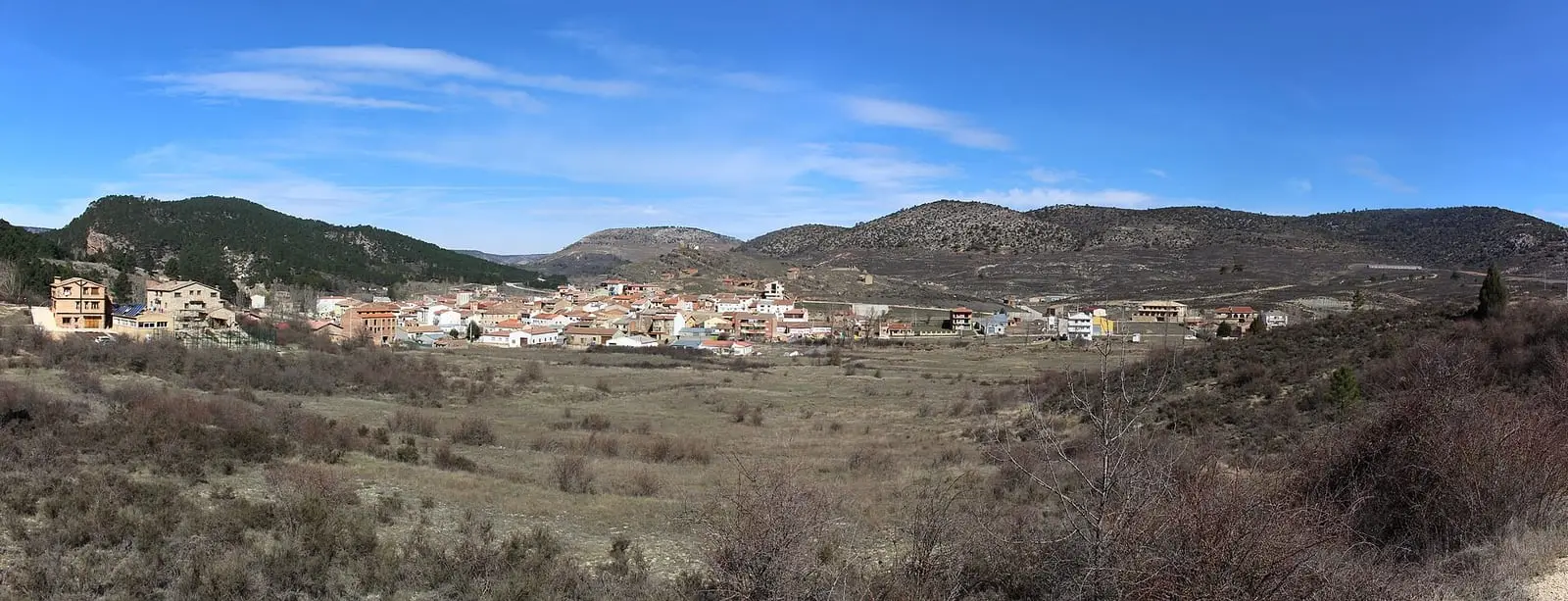
Boniches
Cuenca · 4 places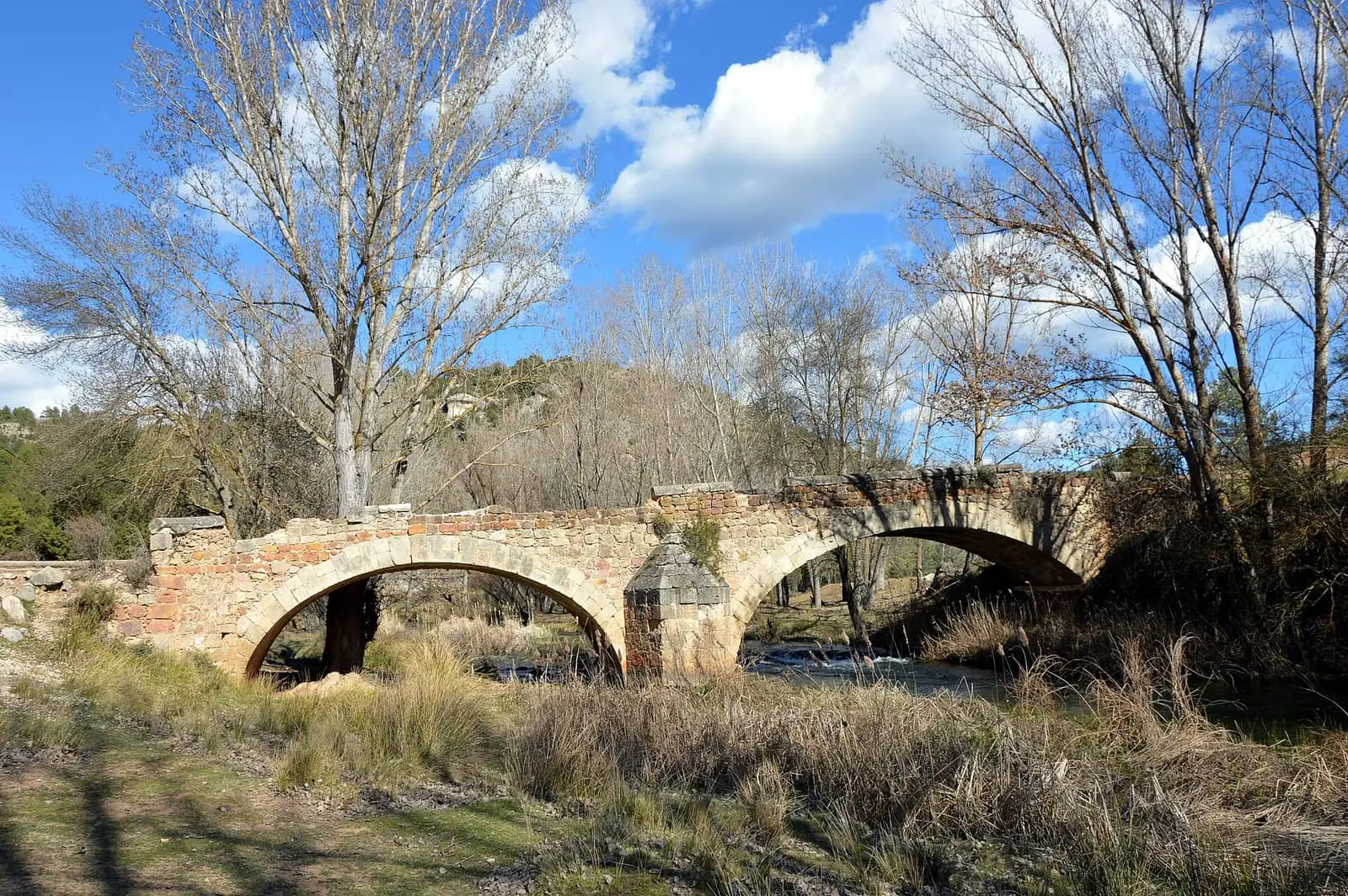
Pajaroncillo
Cuenca · 4 places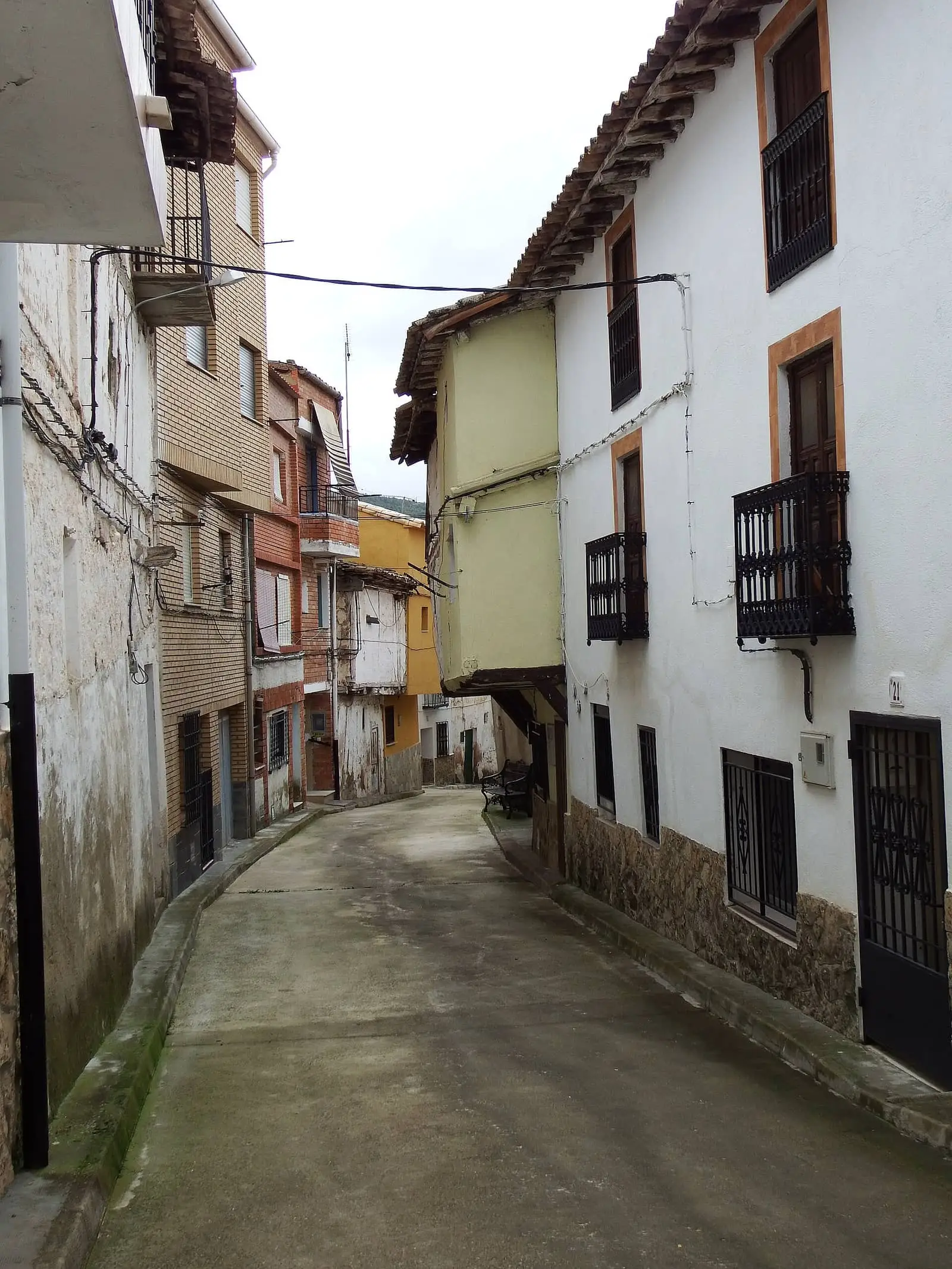
Villar del Humo
Cuenca · 6 places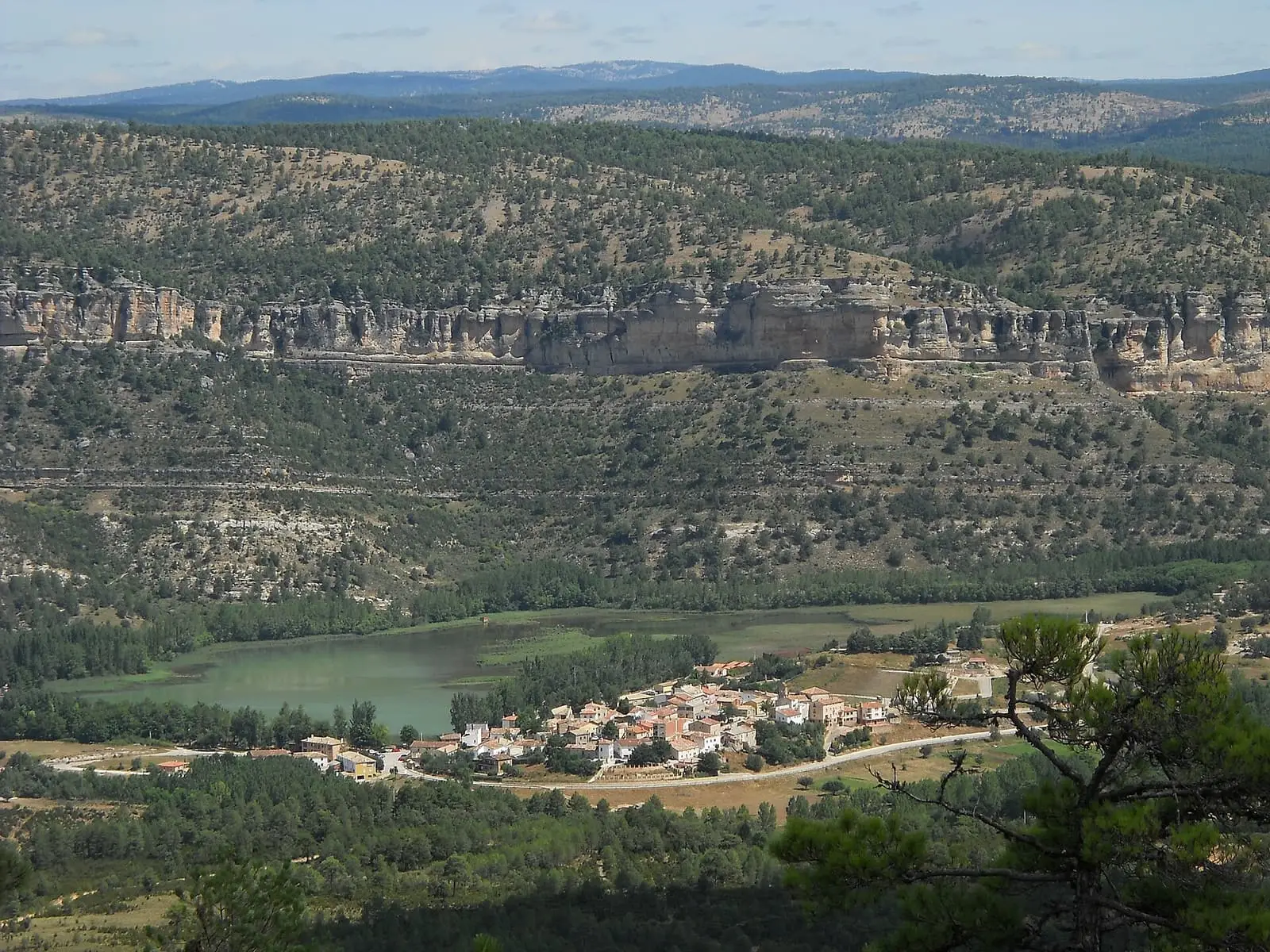
Uña
Cuenca · 9 places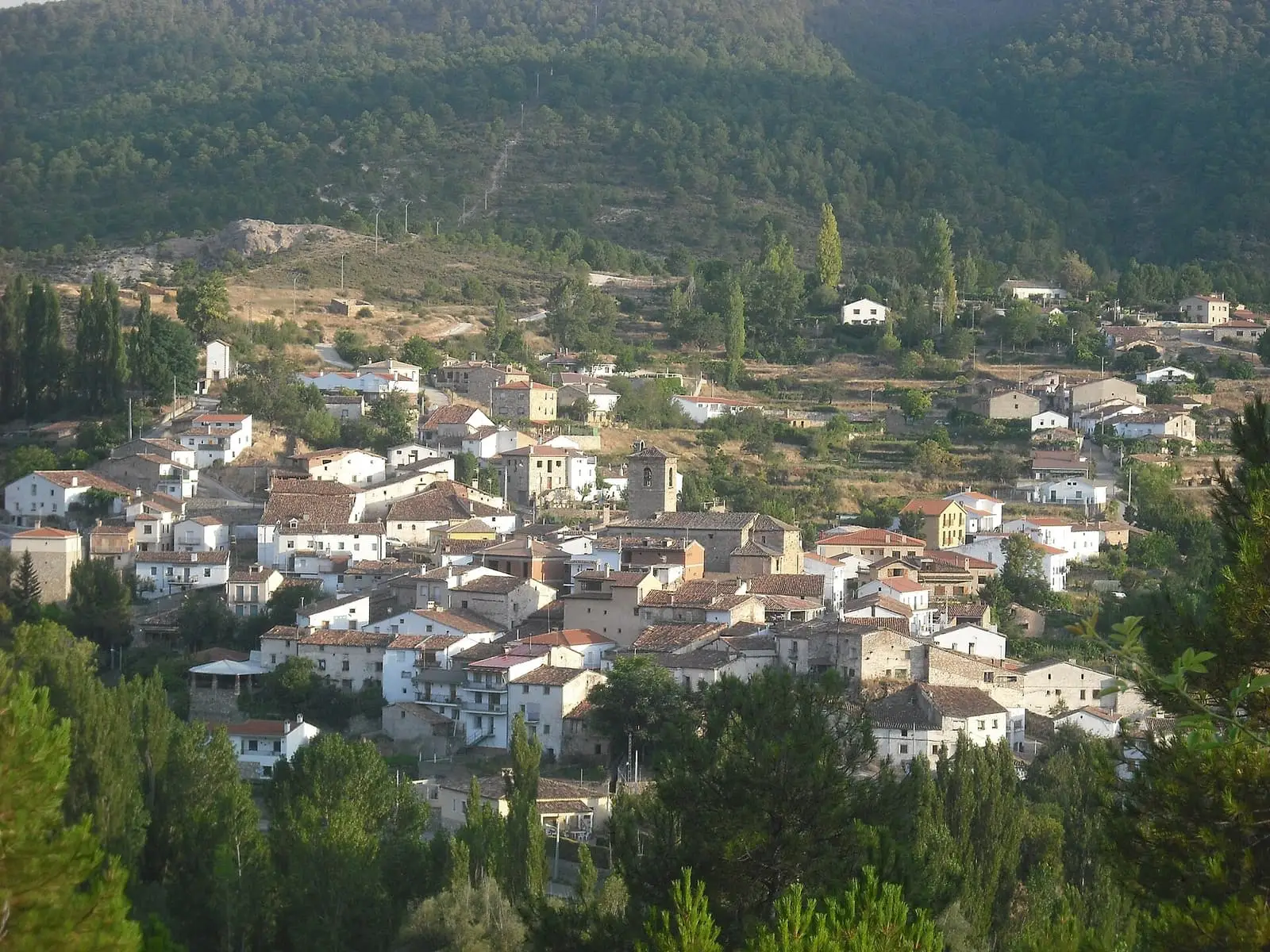
Fuertescusa
Cuenca · 5 places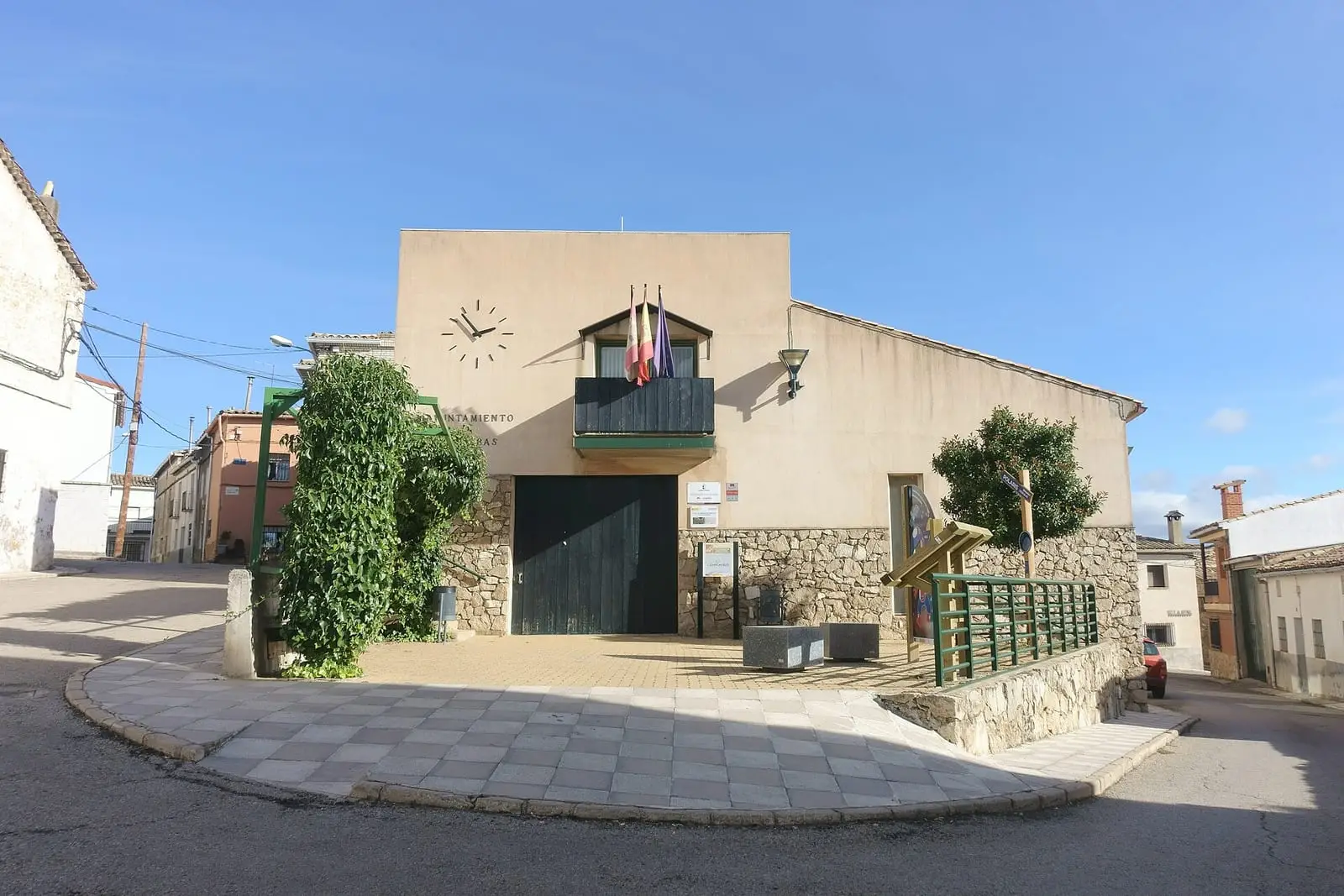
Sotorribas
Cuenca · 10 places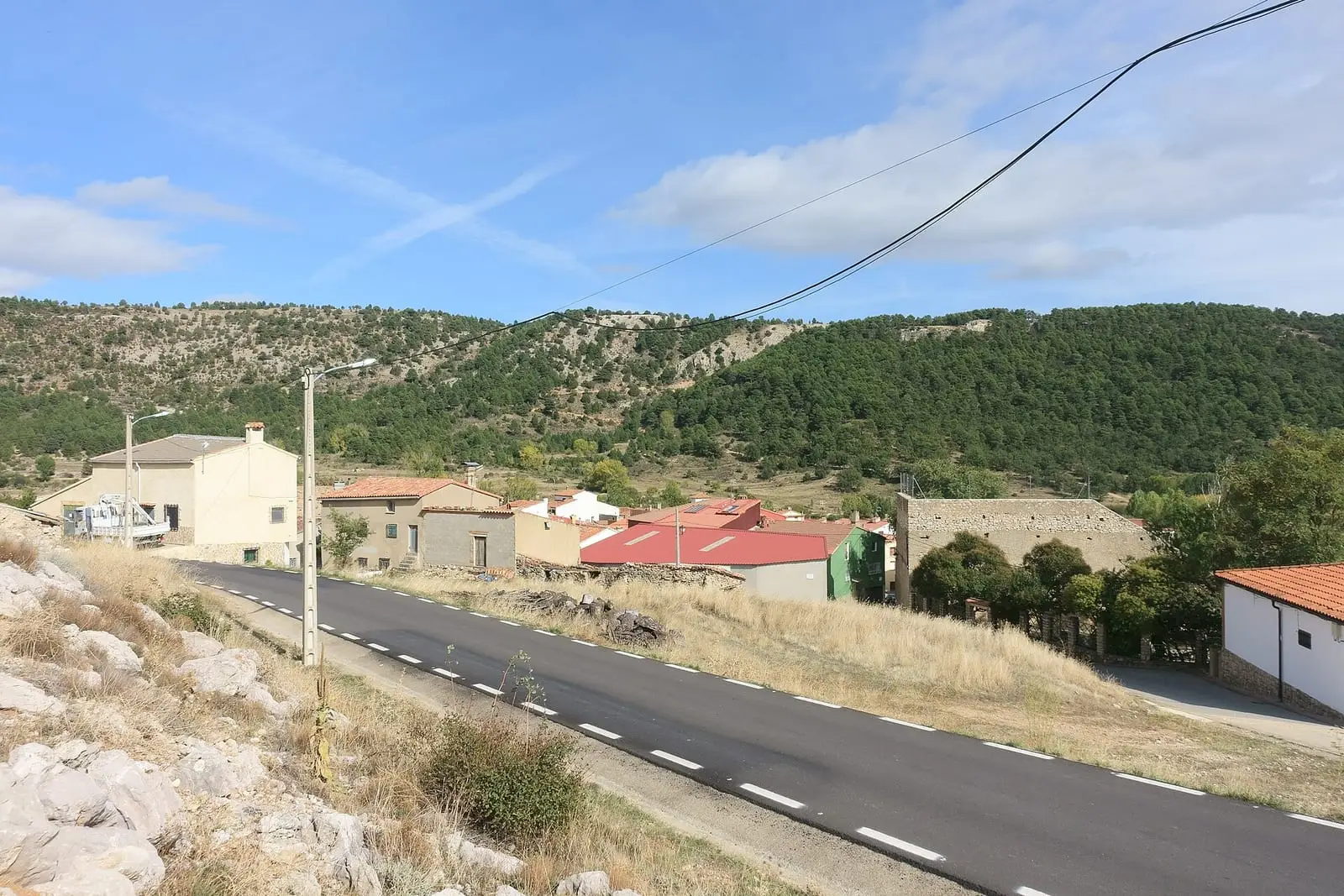
Huerta del Marquesado
Cuenca · 11 places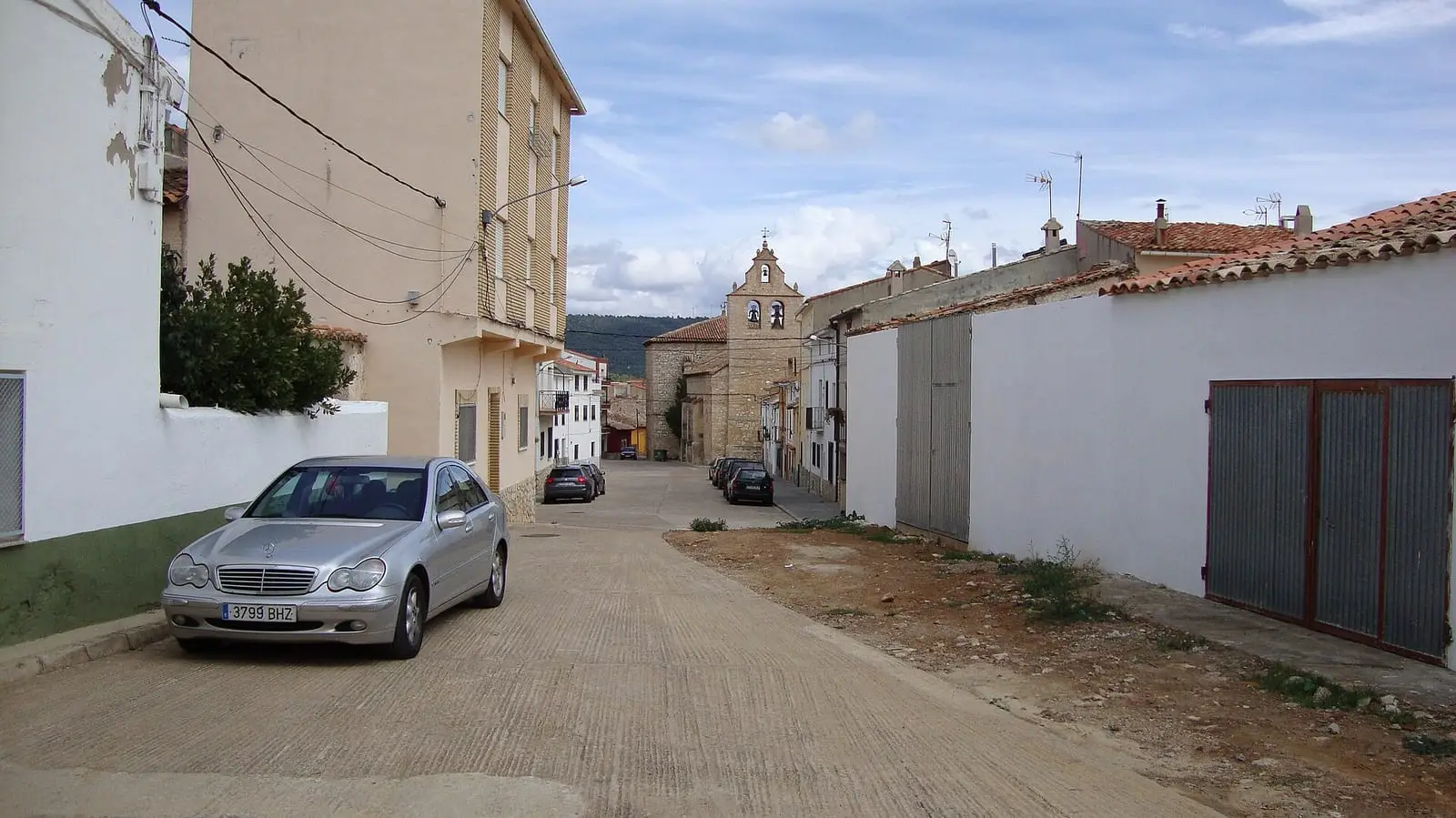
Talayuelas
Cuenca · 3 places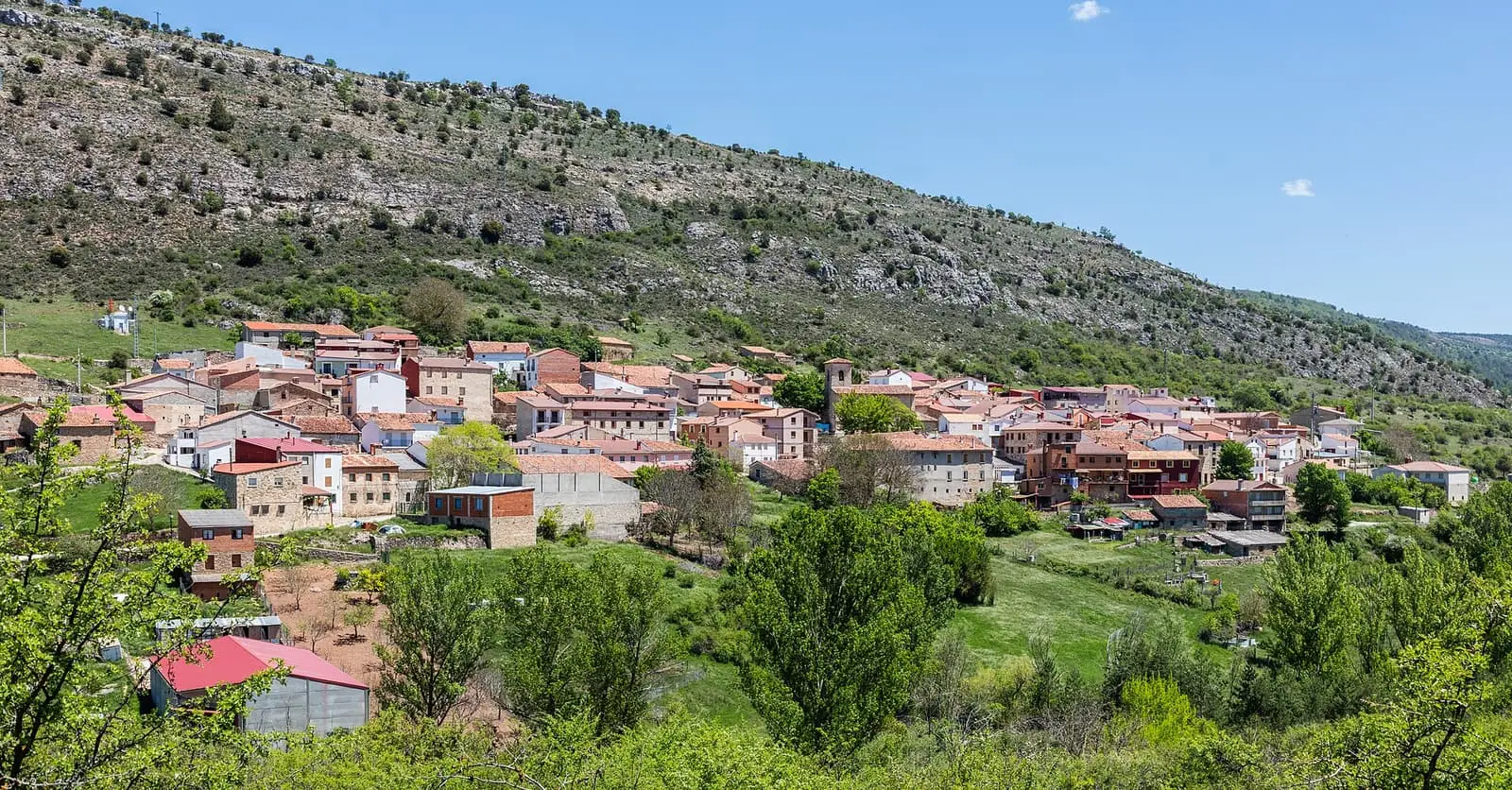
Valsalobre
Cuenca · 1 places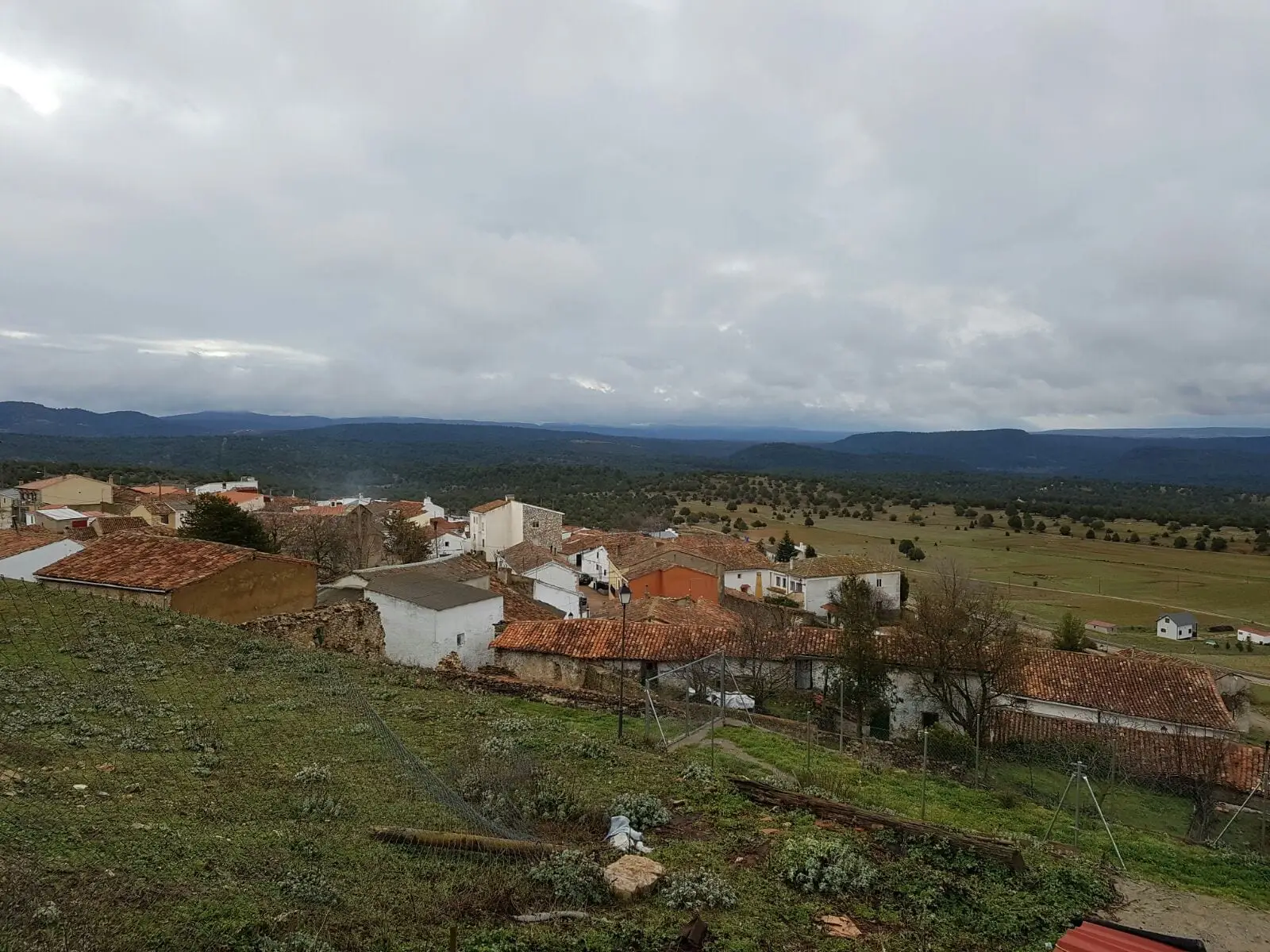
La Cierva
Cuenca · 2 placesFrequently asked questions
Is resin still tapped in the Serranía de Cuenca?
In 2022 there were still resin tappers in some pine forests, such as those of Sotos and Mariana, and in 2021 new techniques using a drill and sealed bag were being tested in Sotos, Huerta del Marquesado and Talayuelas. It is a much smaller trade than in the mid-20th century.
What is the difference between resin, pitch and charcoal?
Resin is extracted by tapping a living pine. Pitch is obtained by burning stumps and very resinous splinters in a kiln, the peguera. Charcoal is made by burning wood slowly with little air in a charcoal mound covered with earth.
Sources and reading
- Esparvel Cuenca: restauración de una peguera en Beamud, reproducido, Tu Comarca 23 (marzo de 2025), p. 29 source consulted
- Lázaro, H.: jornada de balance de los ensayos de resinación en Castilla-La Mancha, La Circular (06-09-2022) source consulted · Figures for the province and region, not just the Serranía.
- Lázaro, H.: «Asociacionismo y profesionalización del sector resinero en Cuenca», La Circular (14-09-2022) source consulted
- Hoy por Hoy Cuenca, Cadena SER: «El alma del bosque: la resina y la industria resinera de Cuenca en la historia» (30-11-2022, con audio) source consulted · Interview about Antonio Berlanga's book «La industria resinera en Cuenca». The distillation temperatures and percentages given on the radio do not add up: they are not used.
- Hoy por Hoy Cuenca, Cadena SER: «Leña, carbón y pez: la memoria del fuego que modeló la vida rural en Cuenca» (23-01-2026, con audio) source consulted
- Hoy por Hoy Cuenca, Cadena SER: «Boniches: resina y agua en la Serranía de Cuenca y una sola bombilla por casa» (04-01-2024, con audio) source consulted
- Hoy por Hoy Cuenca, Cadena SER: «El sector de la resina se moderniza y experimenta en Cuenca y en otras provincias» (01-11-2021, con audio) source consulted
- Hoy por Hoy Cuenca, Cadena SER: «La sorprendente conexión de un pueblo de Cuenca con la batalla de Trafalgar» (28-01-2025, con audio) source consulted
- Vestal (2022): «Huellas de la explotación forestal. Las pegueras y el cable de maderas de Uña», Los Ojos del Júcar 20 source consulted
- Berlanga, A.: La industria resinera en Cuenca reference located · Reference book cited on the radio; not consulted.
Open questions
- Restored pitch kilns: the SER article speaks of two in Uña and one in Buenache, and the audio of two in Uña and one in Beamud. Those in Uña are confirmed by Los Ojos del Júcar; the third's location has yet to be established.
- Cuenca's ranking among resin-producing provinces in the 1920s and 1940s: the original statistics are missing.
- The link between La Cierva's timber and the warship San Justo comes from the local historian; the supply document is missing.