Serranía de Cuenca · 14 places
Castles and fortresses of the Serranía de Cuenca
The Serranía de Cuenca was a frontier and a land of lordships, as its castles tell: Rochafría in Beteta, of Arab origin; the Islamic castle of Cañete, with its historic ensemble; Moya, head of a marquisate; and those of Cardenete, Huélamo, Víllora, Alcalá de la Vega, Algarra and Monteagudo de las Salinas.
Frontier mountains
For centuries the Serranía lay on the boundary: between Andalusi coras, administrative districts, then between Castile, Aragon and Valencia, and later between lordships. Its castles tell the story. Rochafría, above Beteta, is of Arab origin. Cañete and Huélamo also date from Islamic times, as do the 8th- or 9th-century fortifications of Cabeza de la Torre in Masegosa.
After the conquest of Cuenca in 1177, Alfonso VIII distributed fortresses: Monteagudo de las Salinas castle passed to the bishop in 1187. Moya, with five enclosures and eight gates, headed a marquisate and was an inland customs post between kingdoms, and its castle closes off the hill. There follow Cañada del Hoyo castle, on the Cerro del Buen Suceso, Cardenete, Víllora with its detached defensive tower and the Torre de Torrefuerte in Salvacañete, which came to belong to Juan Pacheco. Estates such as Torre Mijares had their own tower.
Good conduct
Almost all are ruins on a hill: view them from the ground, without climbing the walls. Cañada del Hoyo castle and Torrefuerte are privately owned.
This landscape in layers of time
The places in this topic keep traces of these eras. A single place can appear in several.
All the places (14)
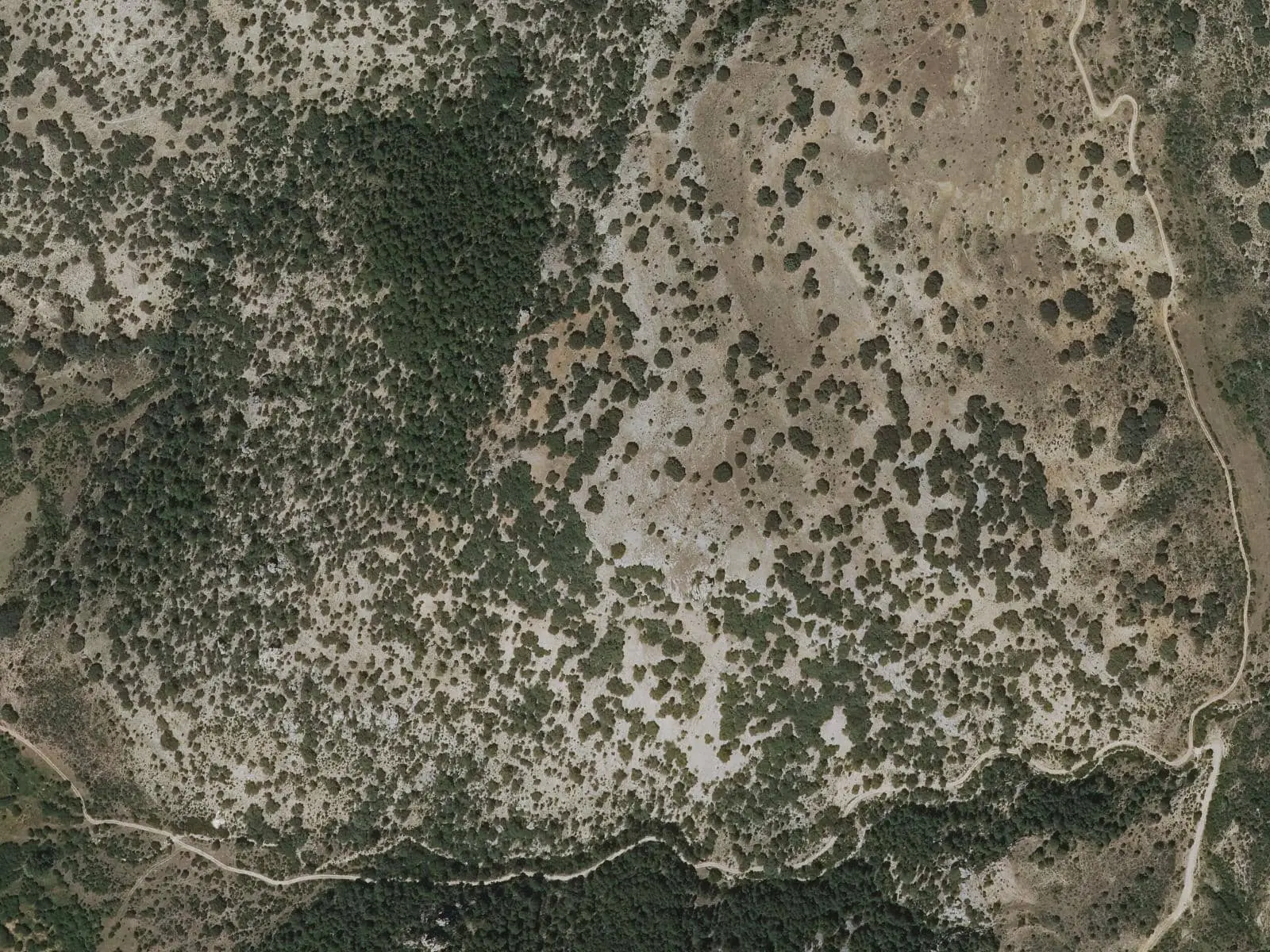
Cabeza de la Torre and El Castillejo
Masegosa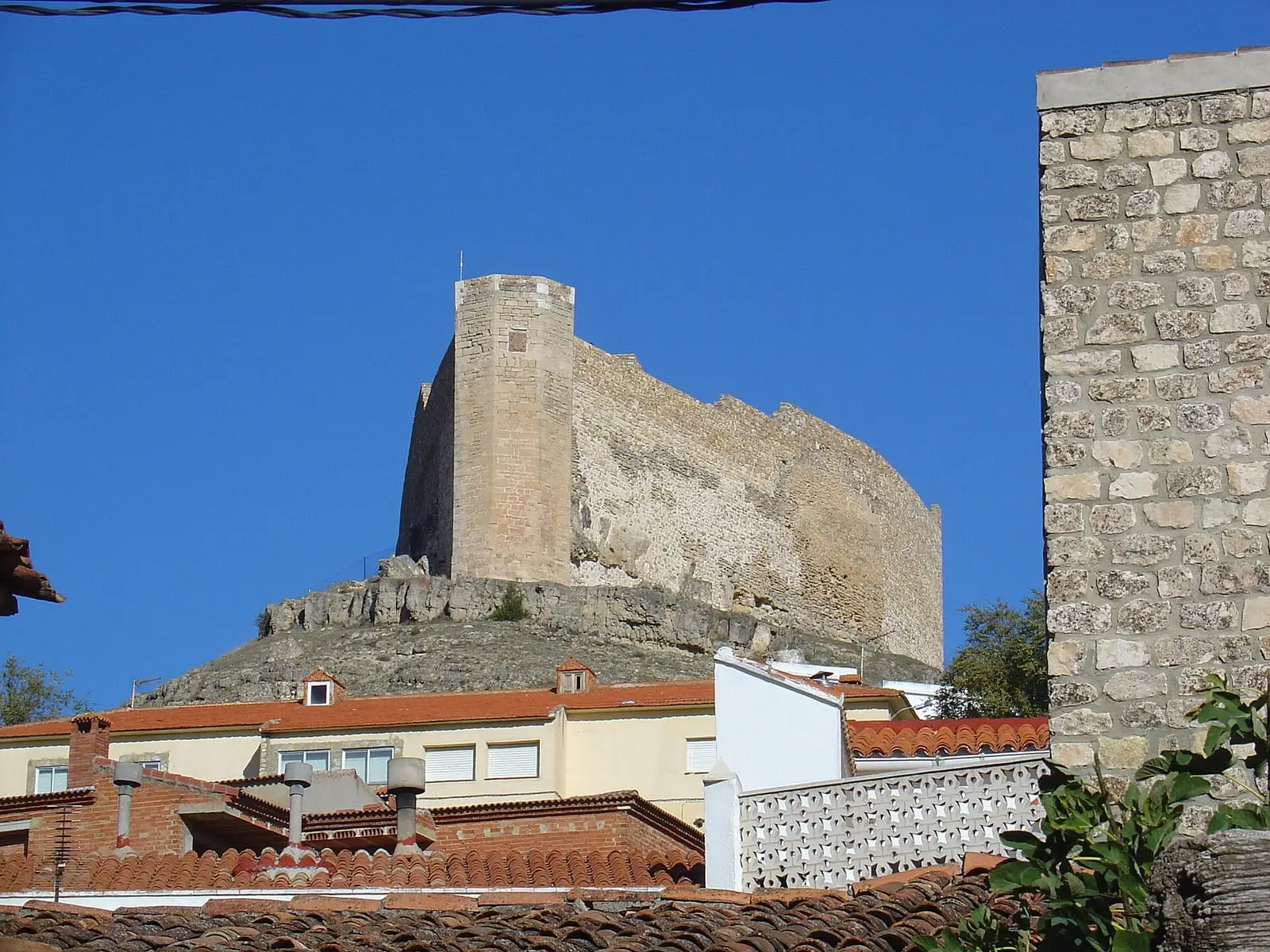
Cañada del Hoyo castle
Cañada del Hoyo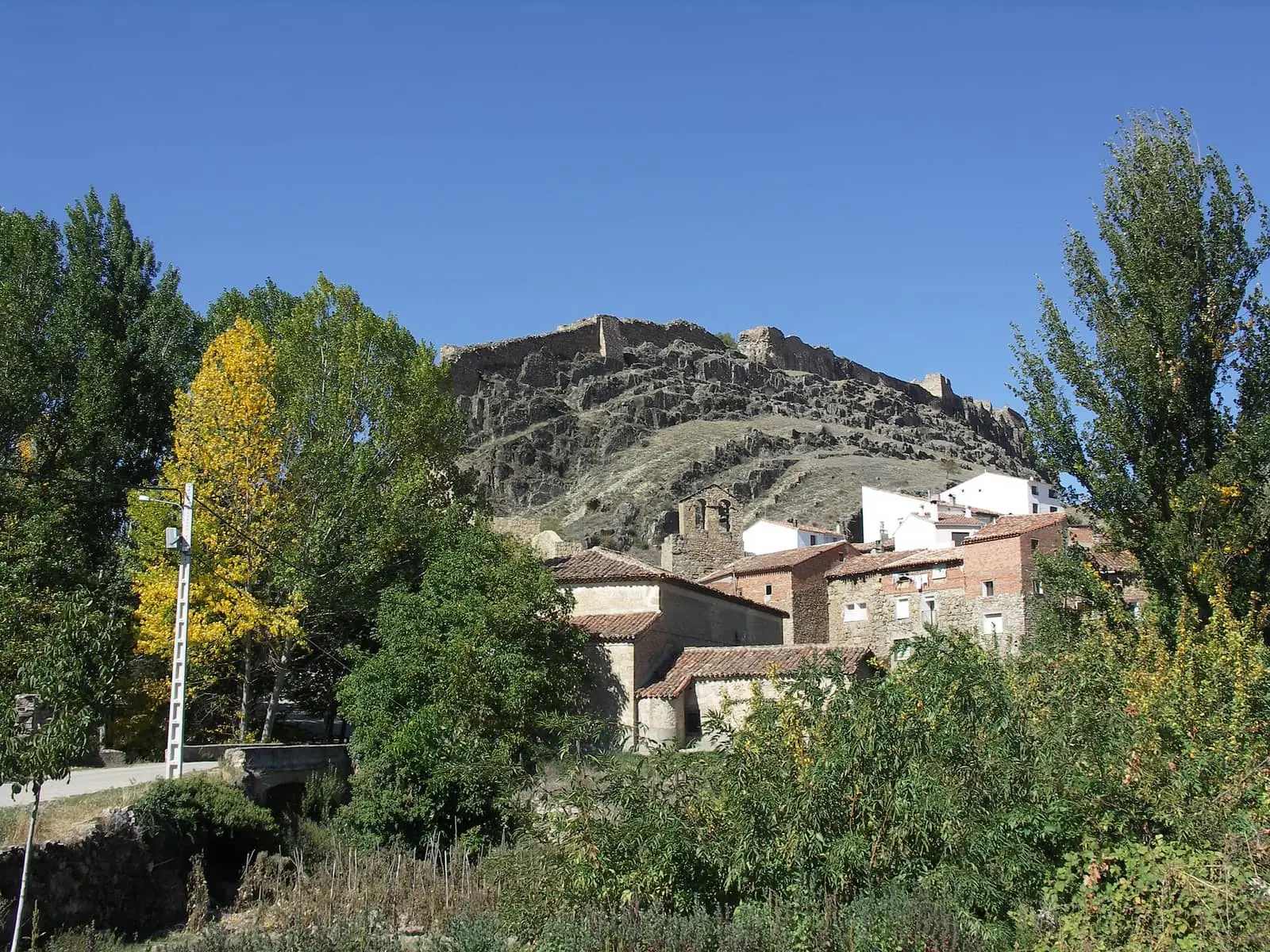
Cañete castle
Cañete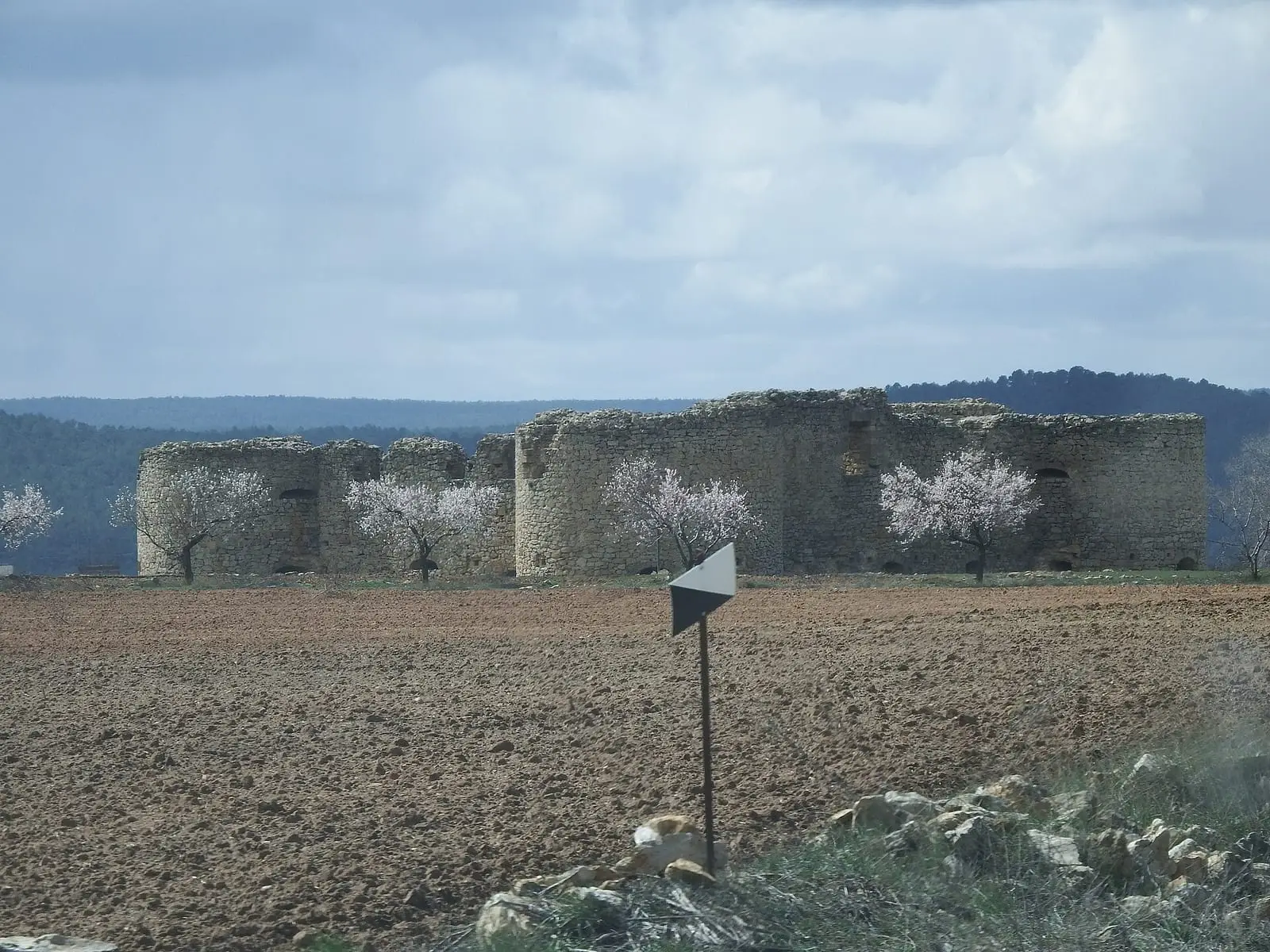
Cardenete castle
Cardenete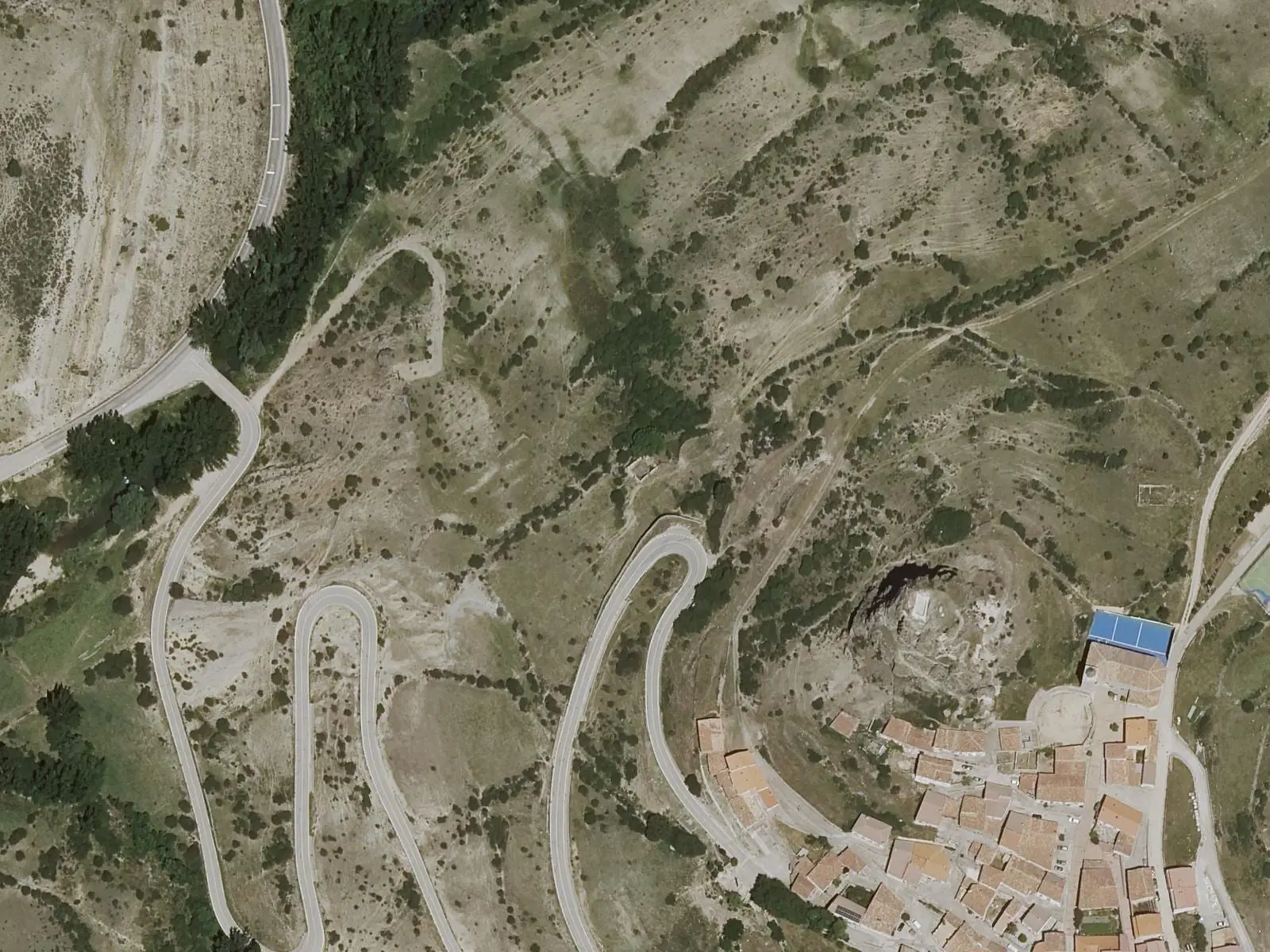
Huélamo castle
Huélamo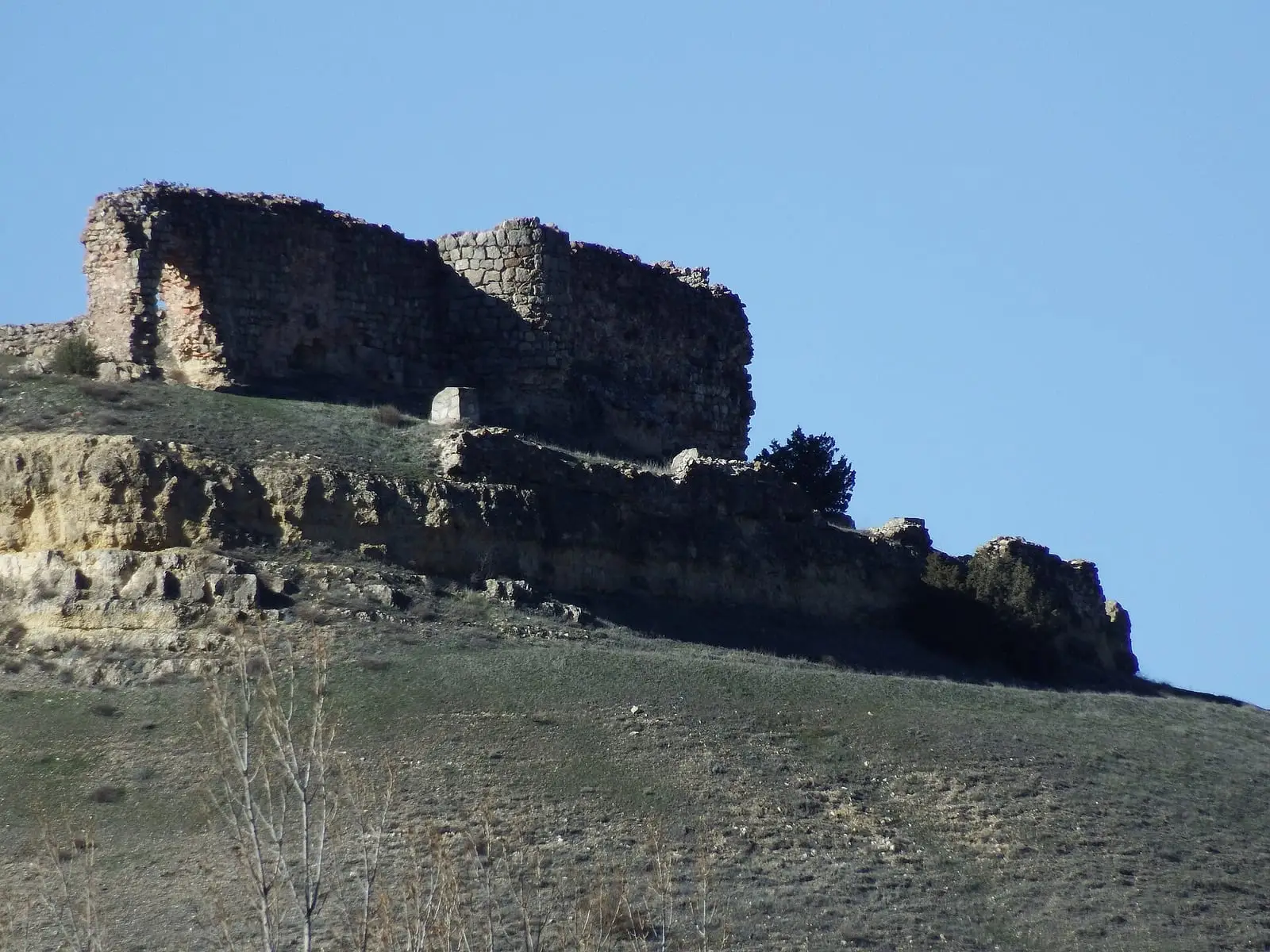
Monteagudo de las Salinas castle
Monteagudo de las Salinas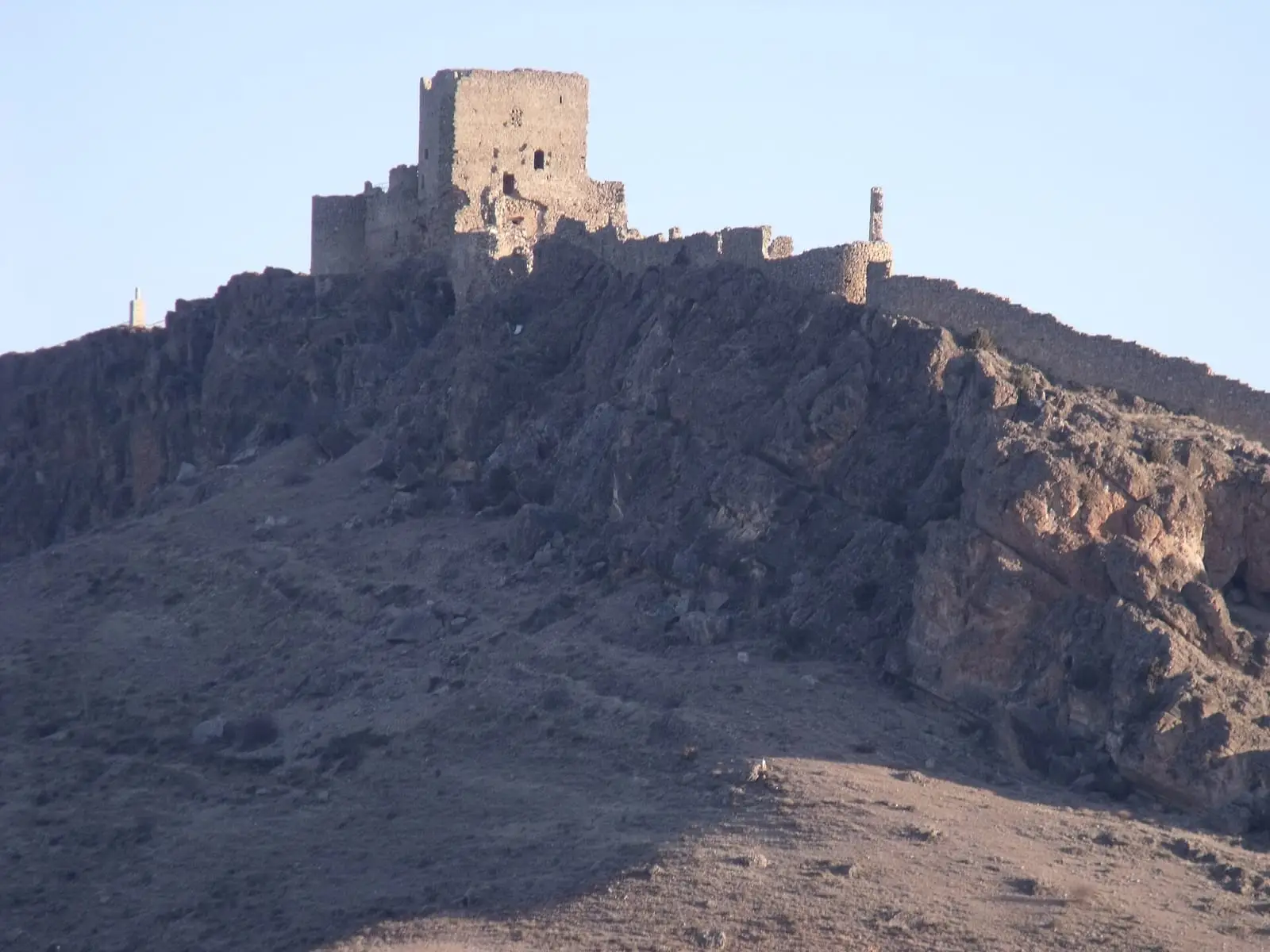
Moya castle
Moya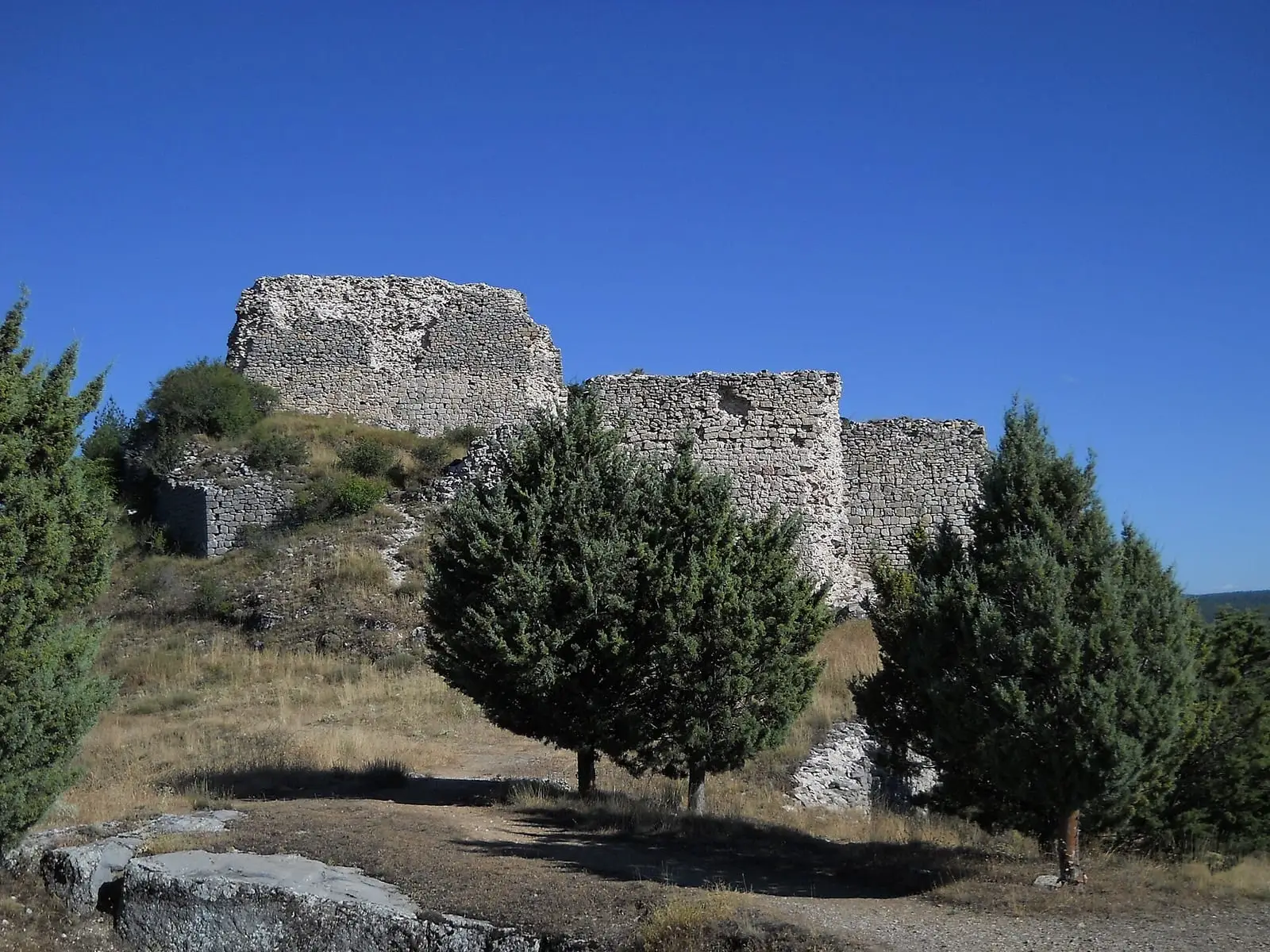
Rochafrida castle
Beteta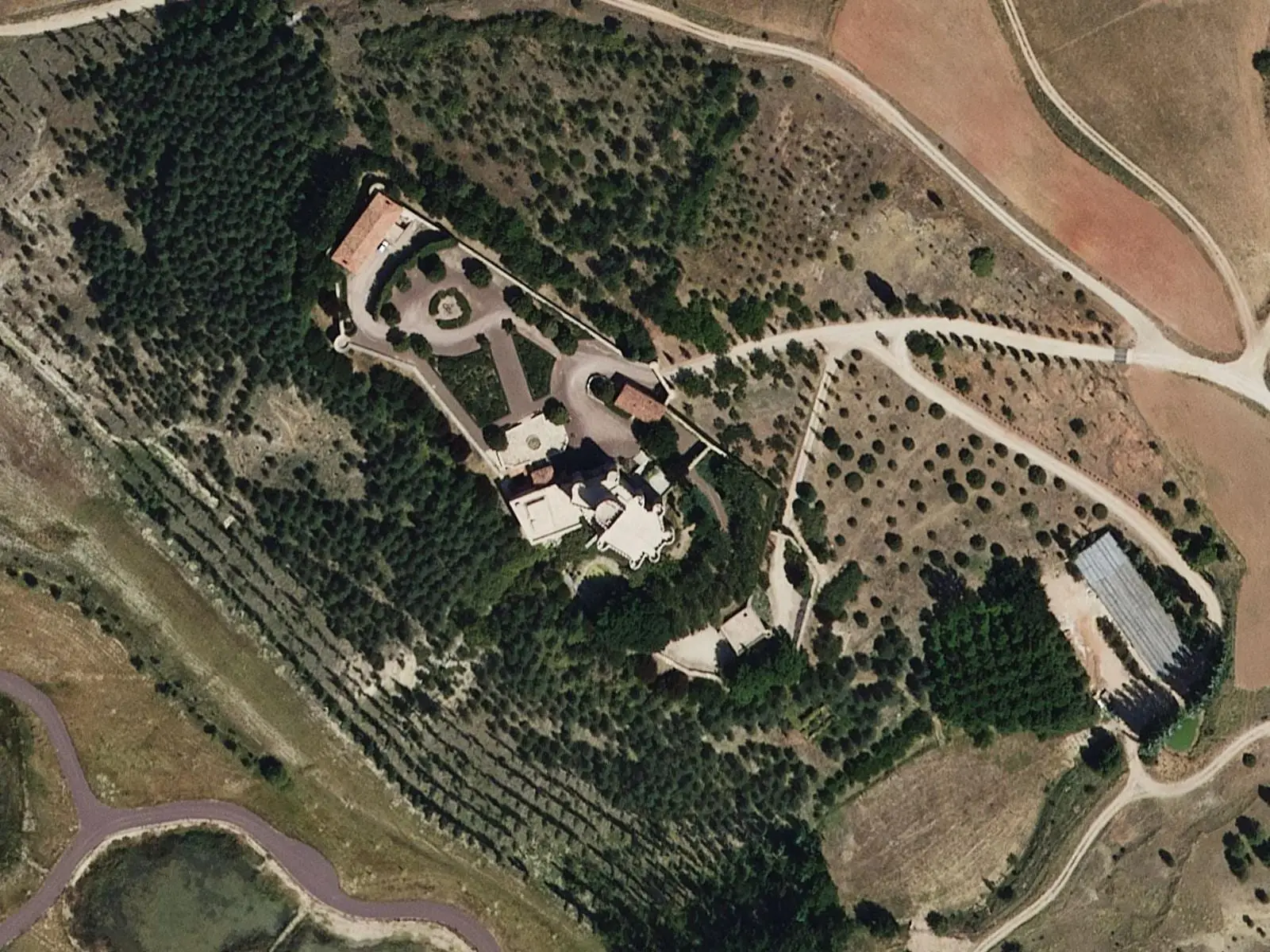
Torrefuerte castle in Salvacañete
Salvacañete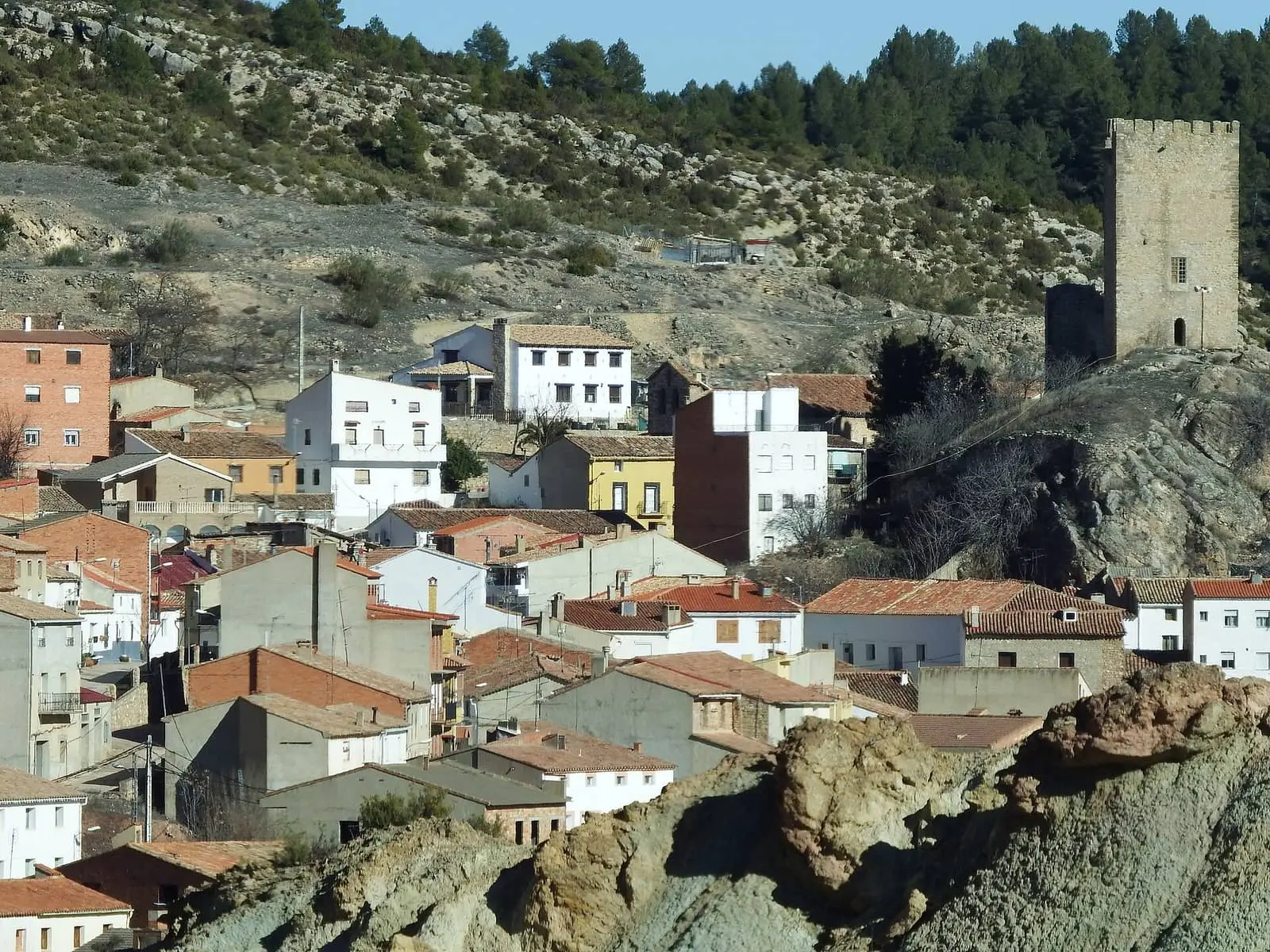
Víllora castle and its watchtower
Víllora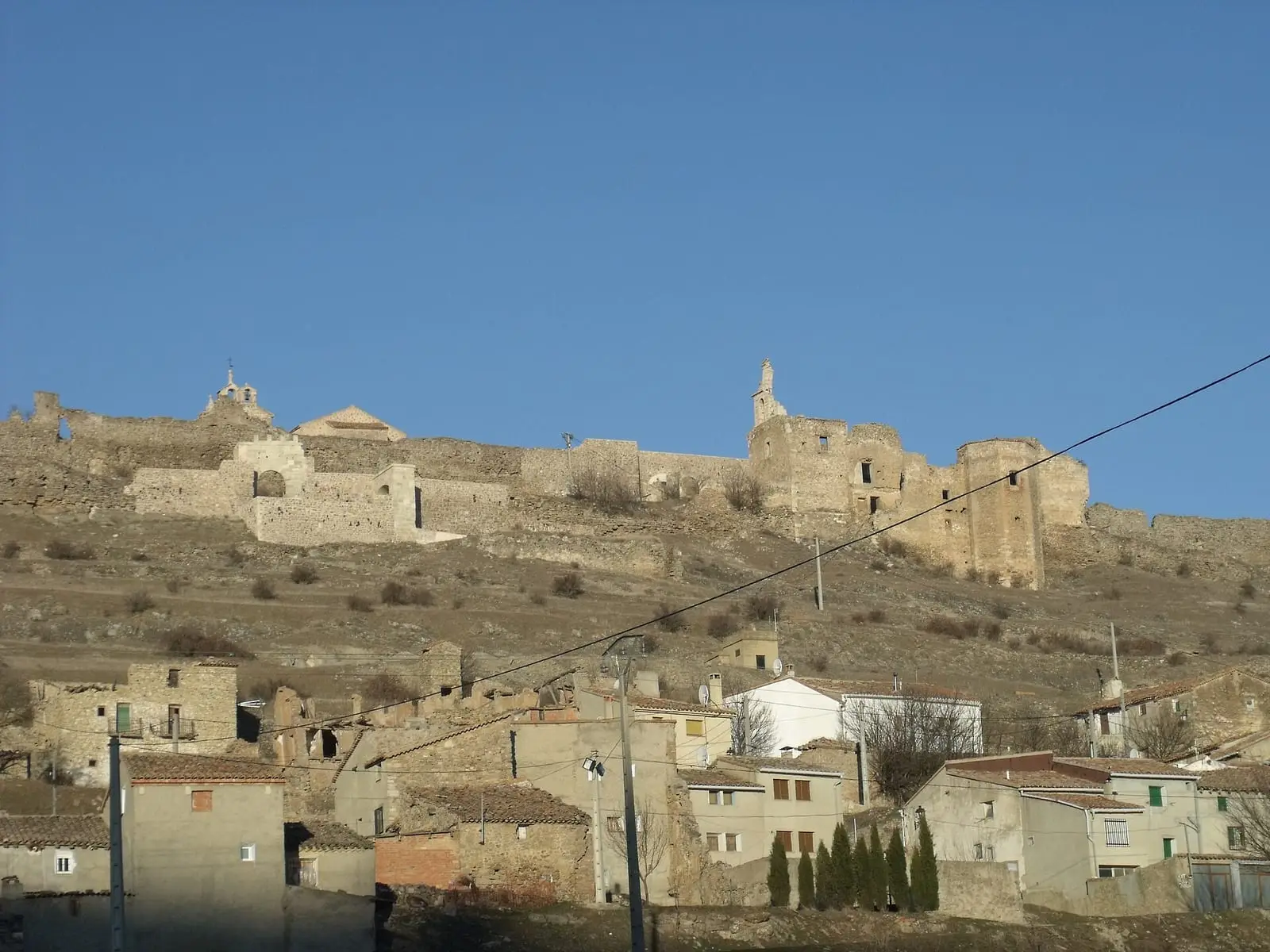
Moya historic ensemble
Moya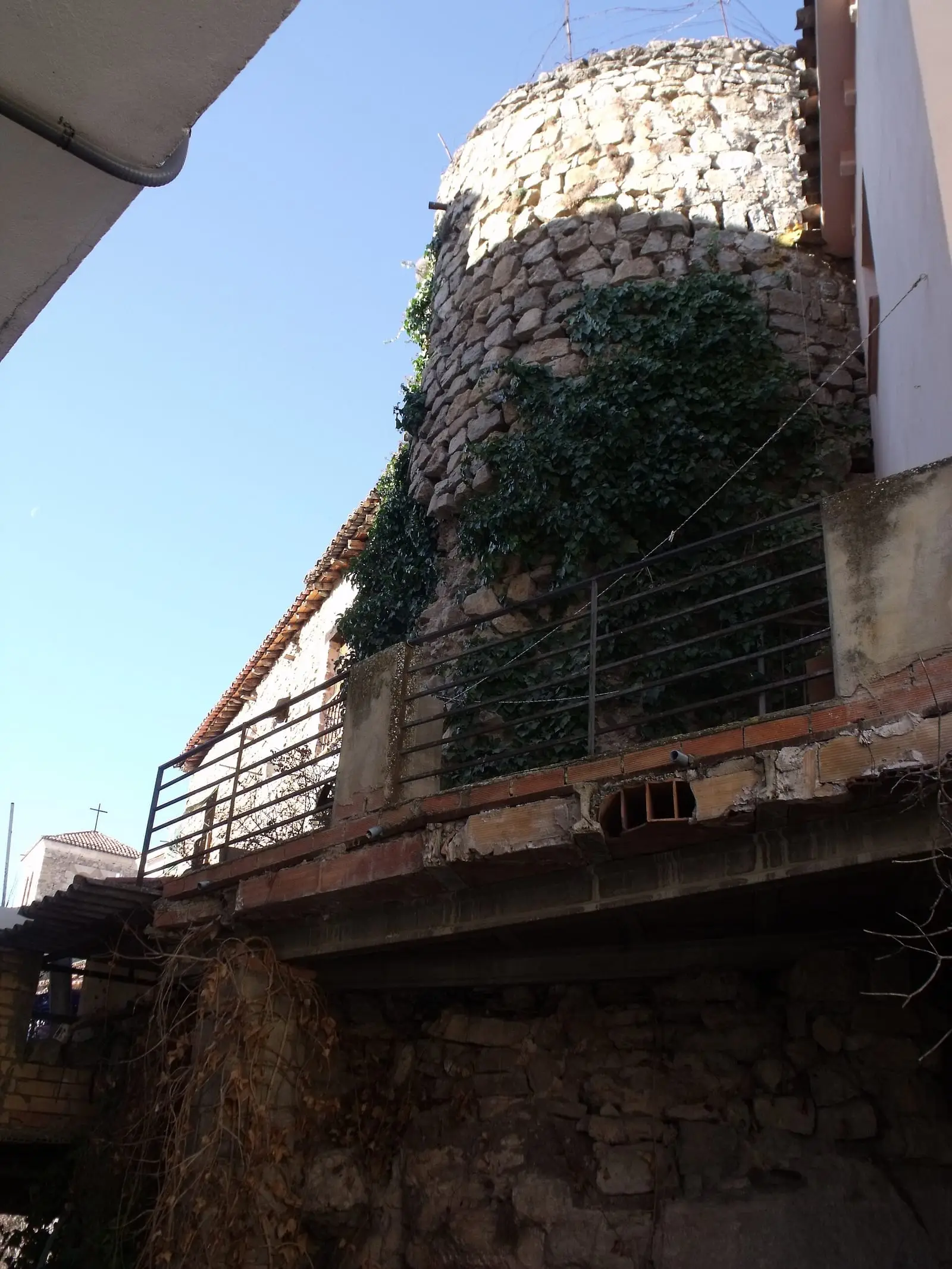
Walls of Cañete
Cañete
Torre Barrachina
Villar del HumoTorre Mijares
LandeteFrequently asked questions
Which castles are of Arab origin?
Rochafría in Beteta, Huélamo and Cañete are among those listed as of Islamic origin in the Turismo de Castilla-La Mancha entries.